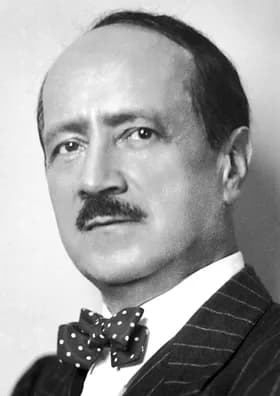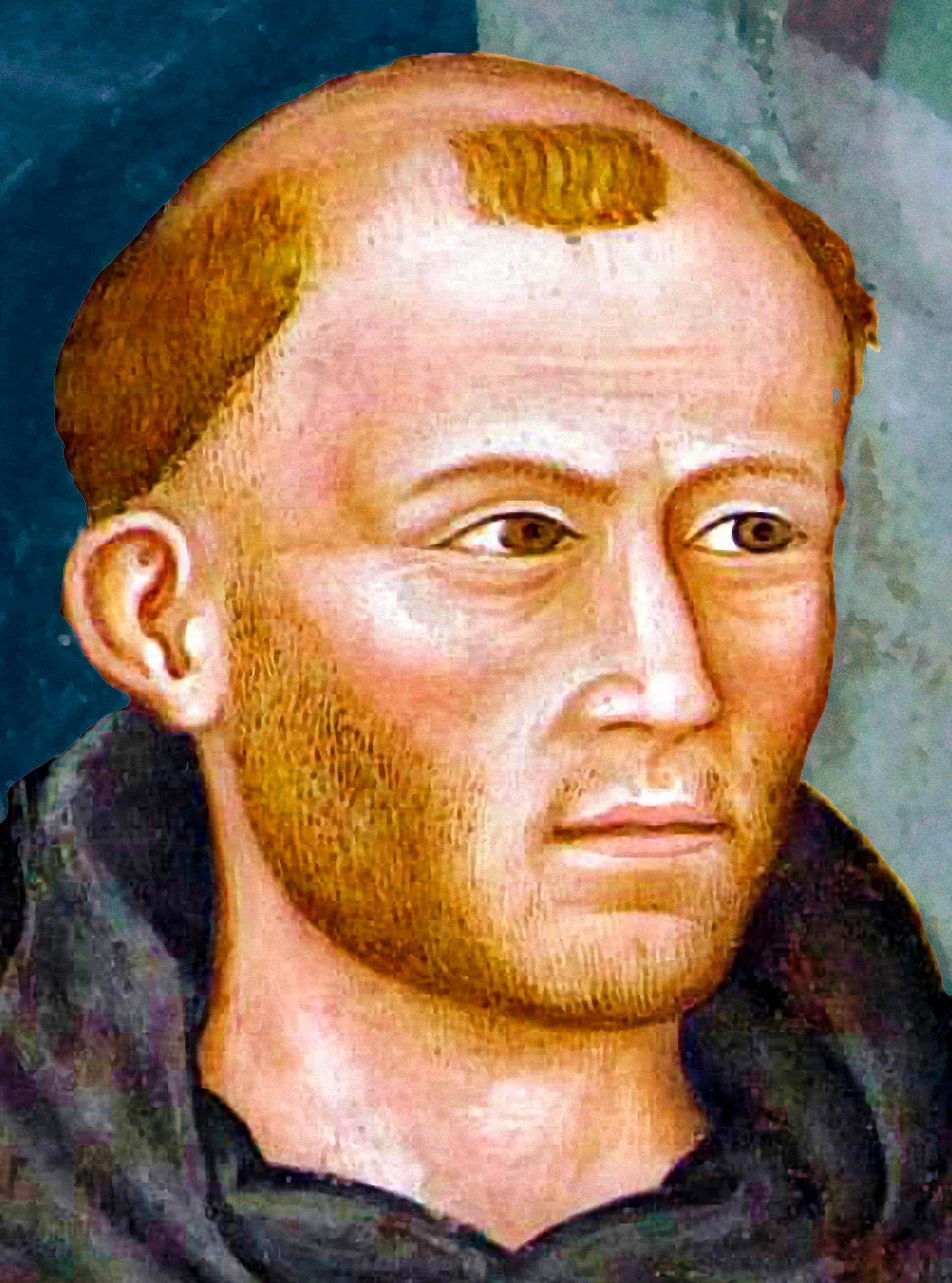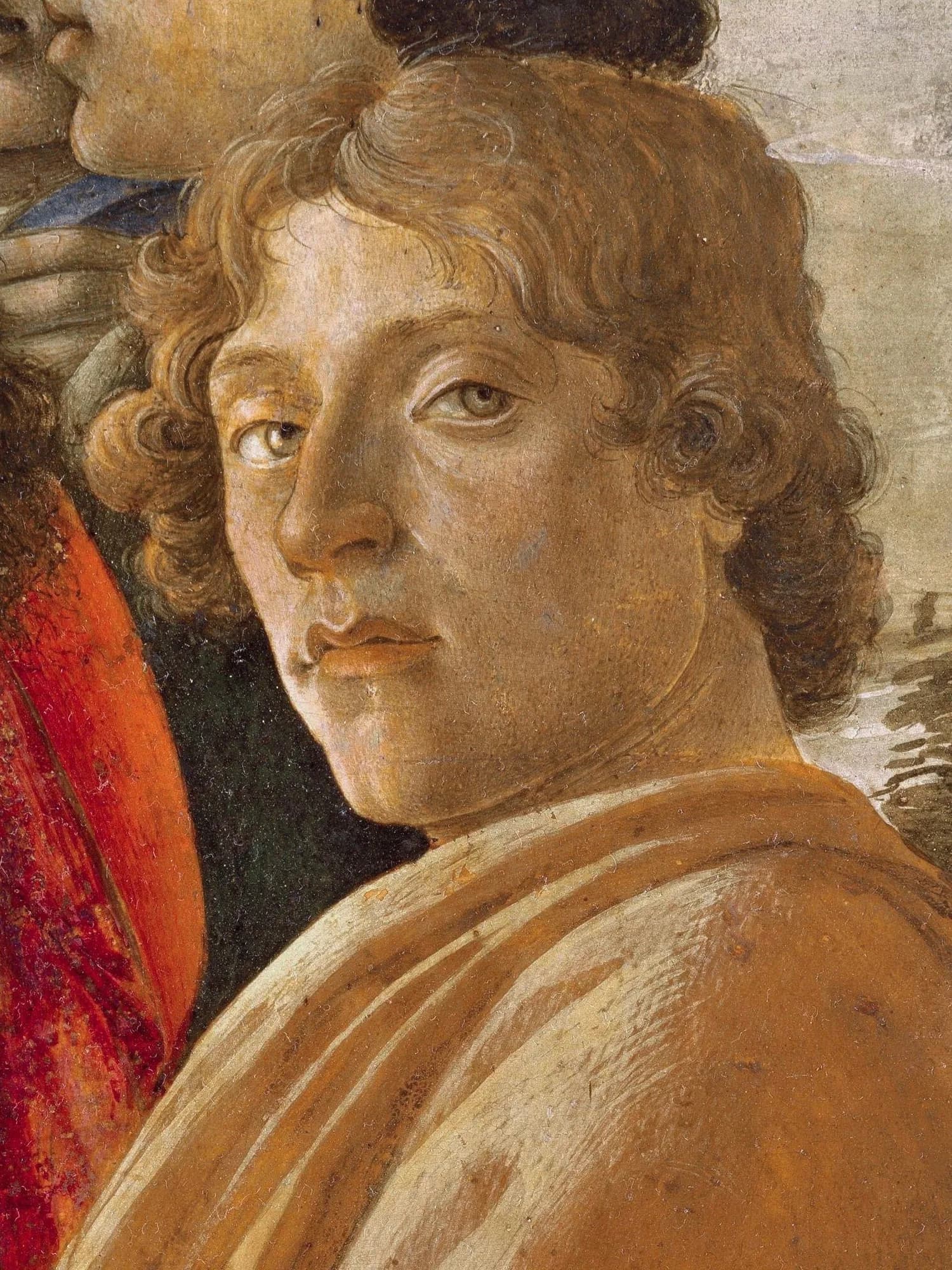
Geboren
January 1, 1282
Beyssac, France
Verstorben
September 20, 1362
Avignon, France
Bekannt für
pope of the Catholic Church from 1353 to 1362
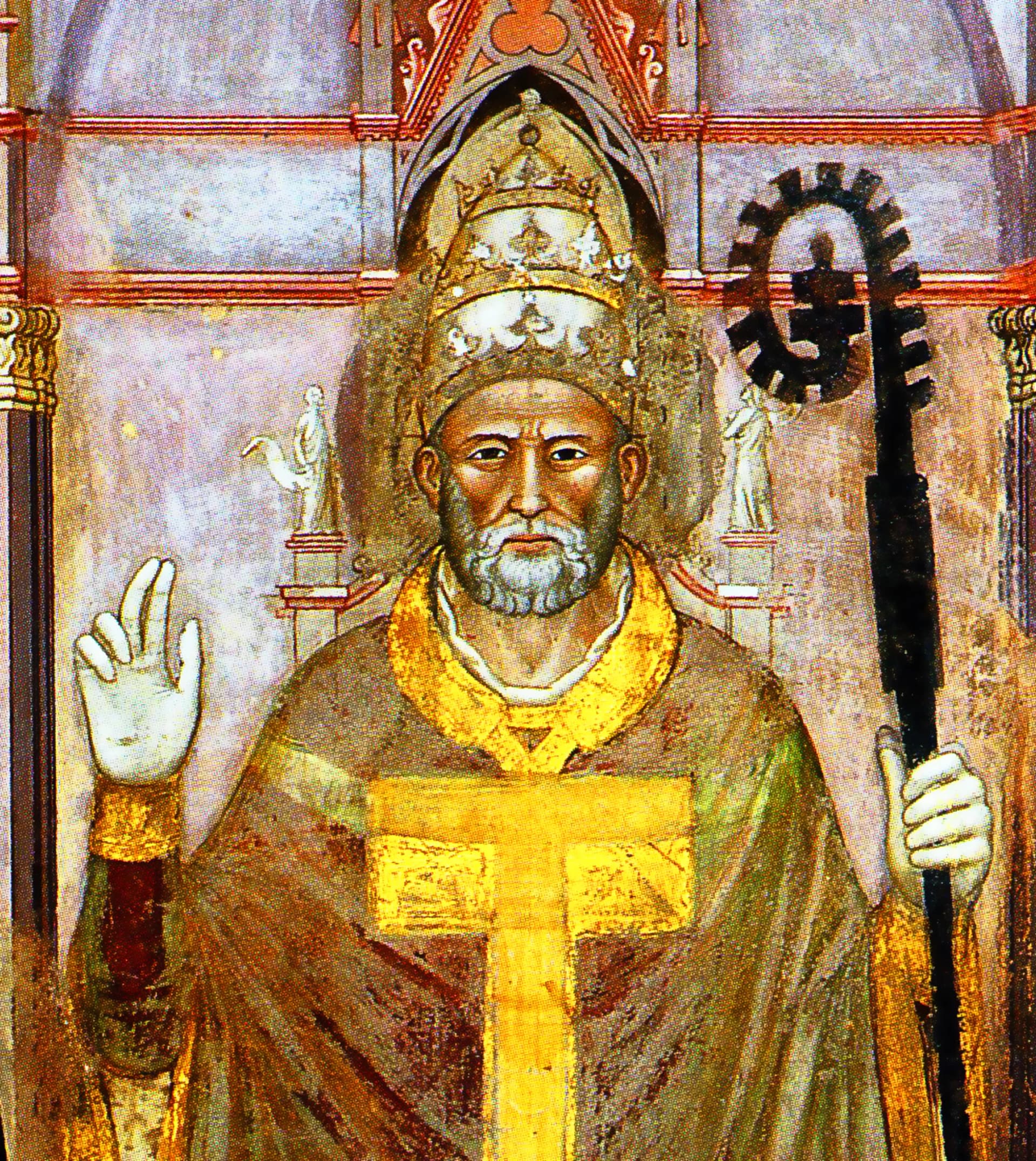
Innocent VI (1282–1362) was France best known for pope of the Catholic Church from 1353 to 1362.
Innocent VI (January 1, 1282 – September 20, 1362) was a Catholic priest, bishop, and pope from France. He served as the fifth Avignon pope and ruler of the Papal States from 1352 to 1362. His pontificate navigated complex spiritual and temporal affairs, leaving a distinct mark on medieval Church history.
Ein Leben in Momenten
Die Momente, die ein Leben prägten
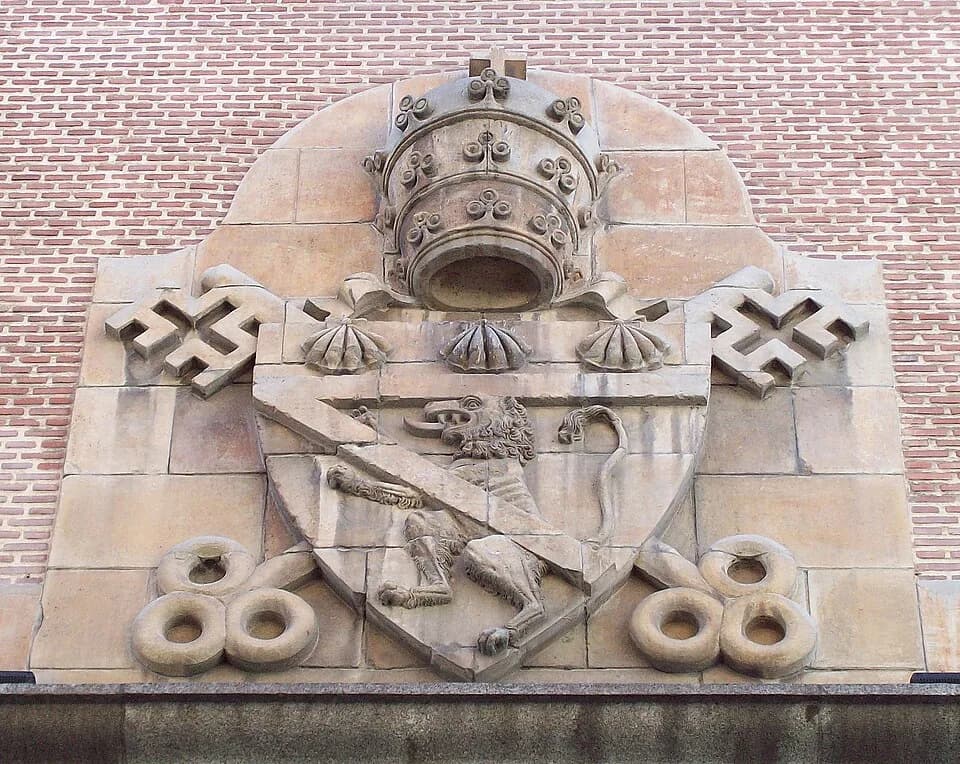
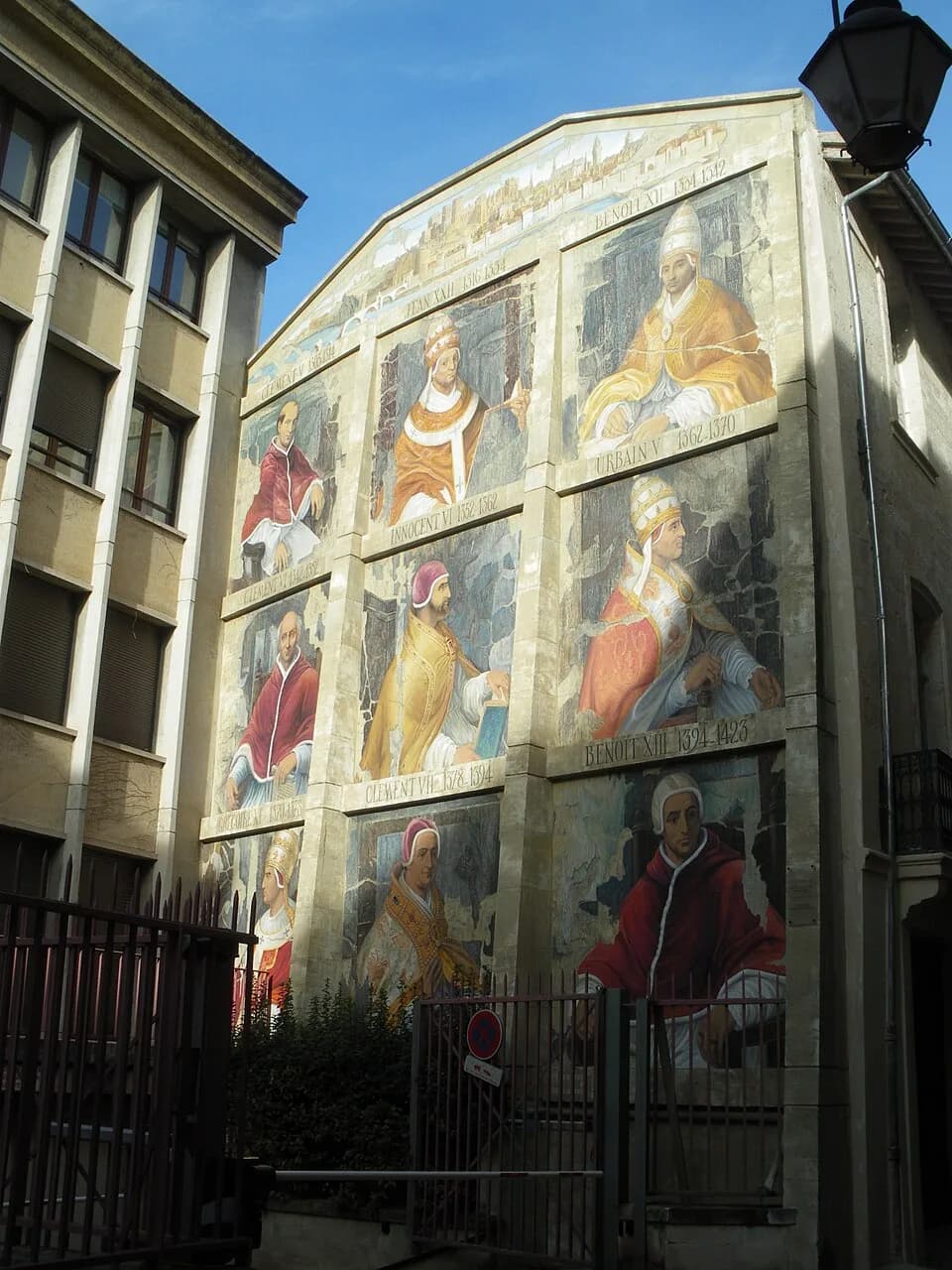
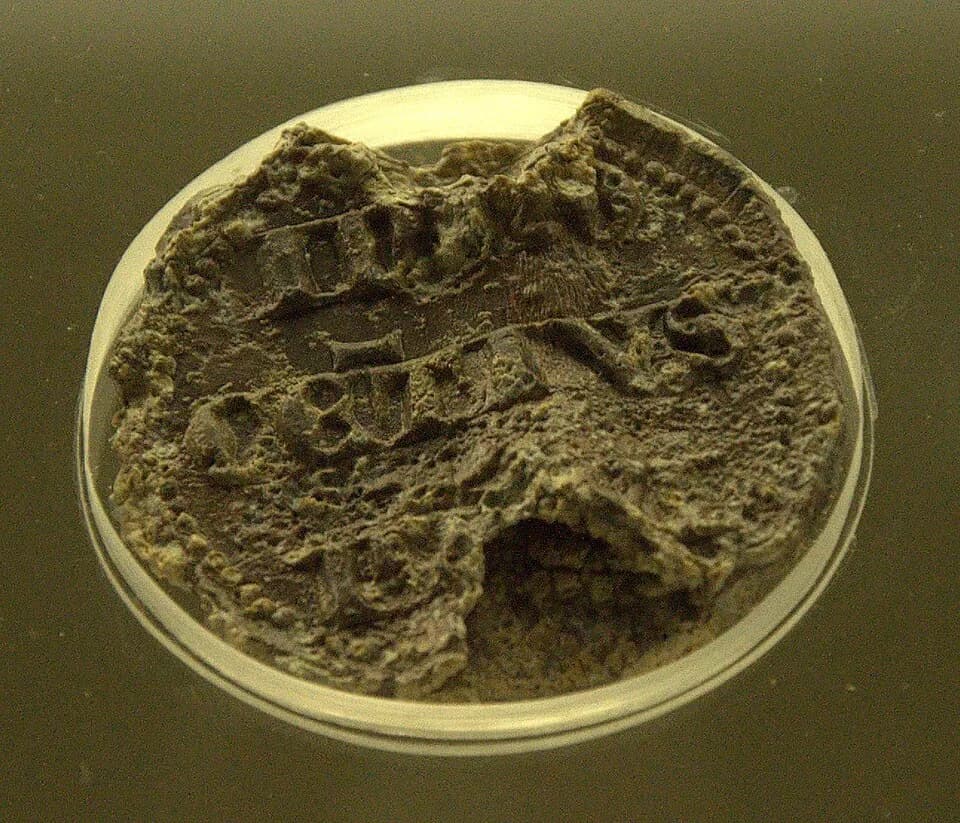
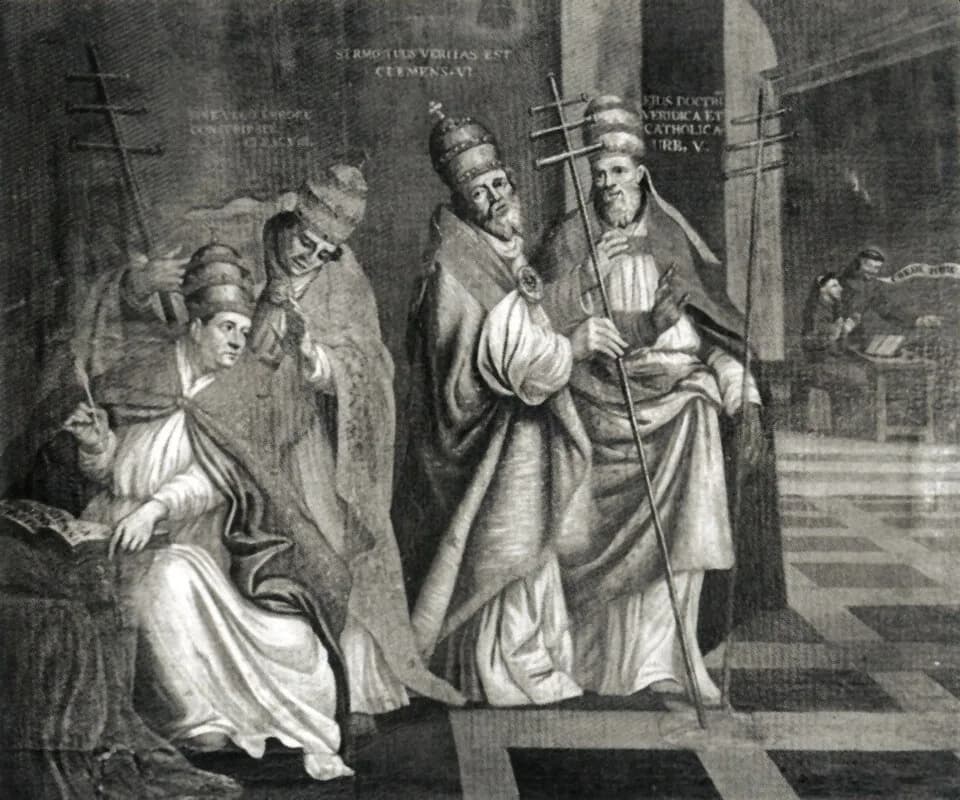
Kapitel
Lebenskapitel
Kapitel 1 · 1282· Kapitel 1 von 7
Early Life and Origins
Étienne Aubert entered the world on the first day of January in the year 1282, in the serene setting of Beyssac, a commune nestled within the historical region of France. While detailed accounts of his early family life and specific childhood experiences are not extensively documented in available records, it is evident that his formative years in France provided the bedrock for his intellectual and spiritual development. This period, spent amidst the cultural, educational, and religious currents of late medieval France, undoubtedly influenced his eventual decision to pursue an ecclesiastical career, setting him on a path of rigorous study and spiritual devotion from a relatively young age.
The specific environment of his birth country played a foundational role in shaping the individual who would ascend to such a prominent position within the global Catholic community. It was here that he would have received his initial education and observed the workings of the Church, preparing him intellectually and spiritually for the demanding roles that lay ahead. His early life, though not filled with documented events, cultivated the qualities necessary for a future leader, laying the groundwork for a career steeped in religious scholarship and, eventually, profound leadership.
Kapitel 2· Kapitel 2 von 7
Career Beginnings
Aubert's professional trajectory commenced within the academic world, where he distinguished himself as a university teacher, a profession that demanded both profound knowledge and excellent communication skills. This initial occupation strongly suggests a keen intellect and a deep dedication to scholarly pursuits, likely involving the instruction of theology, canon law, or philosophy, subjects absolutely central to the medieval university curriculum and indispensable for understanding Church doctrine and administration. His intellectual foundation, meticulously honed through years of teaching and intensive study, served as an invaluable asset as he eventually transitioned from academia into direct religious service, preparing him for the complexities of ecclesiastical governance.
The call to the priesthood marked a significant and life-altering turning point in his life, committing him to a sacred life of spiritual devotion, sacramental ministry, and pastoral care, which was a fundamental prerequisite for any further advancement within the hierarchical structure of the Church. Demonstrating continued dedication, spiritual fortitude, and administrative capability, he subsequently rose through the ecclesiastical ranks to become a respected Catholic bishop. This elevated role involved the weighty responsibilities of overseeing a specific diocese, administering vital sacraments like confirmation and ordination, and providing comprehensive spiritual guidance and pastoral leadership to a wider flock, further cementing his reputation as a capable, devout, and influential leader within the Catholic institution.
Kapitel 3 · 1352· Kapitel 3 von 7
Major Achievements and Career Highlights
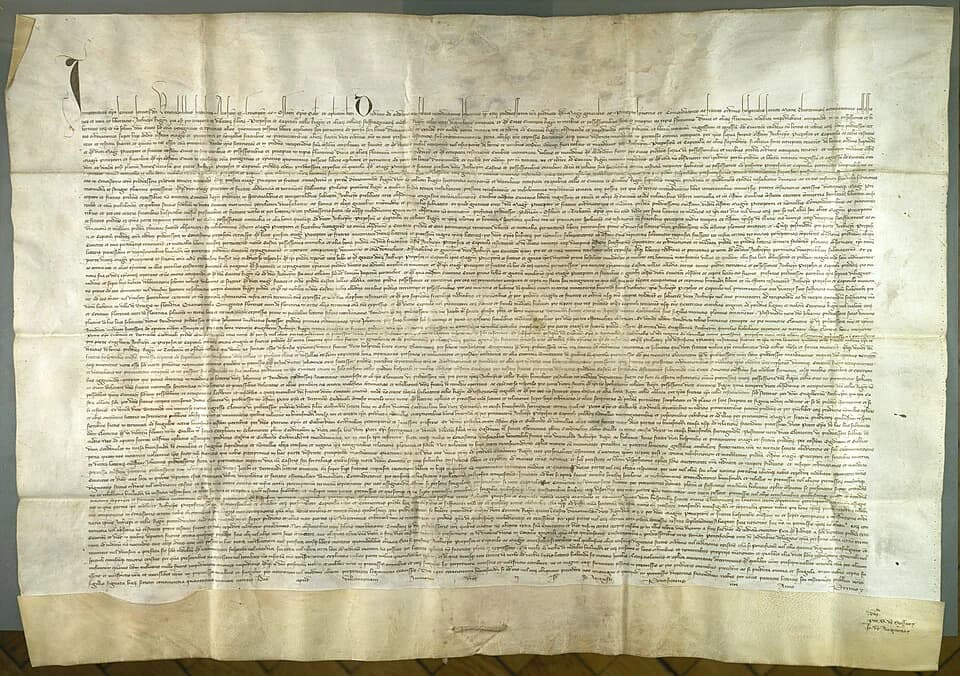
The zenith of Étienne Aubert's illustrious career was reached with his momentous election as the head of the Catholic Church, a sacred occasion that saw him assume the venerable papal name Innocent VI. He commenced his pontificate on December 18, 1352, and with unwavering resolve, he steadfastly fulfilled the profound duties of this supreme sacred office until his passing in September 1362. During this consequential tenure, Pope Innocent VI was not merely a spiritual leader guiding the souls of millions; he also functioned as the temporal ruler of the Papal States, exercising considerable political, administrative, and military power over significant territories in central Italy, alongside his overarching ecclesiastical responsibilities.
His period as pope uniquely situated him as the fifth in the distinguished line of Avignon popes, signifying a pivotal era when the papacy had relocated its primary administrative and residential seat from its traditional home in Rome to Avignon, France. This Avignon period was a defining characteristic of his papacy, presenting unique challenges and opportunities in European power dynamics. He holds the distinct historical position as the only one among these Avignon pontiffs to adopt the venerable pontifical name "Innocent," a name frequently associated with purity of intention, unblemished character, and a commitment to justice, perhaps reflecting his own aspirations for his pontificate in a turbulent age.
Kapitel 4· Kapitel 4 von 7
Personal Life
While the historical records meticulously outline Pope Innocent VI's extensive public service and profound ecclesiastical responsibilities, granular details pertaining to his private existence, including specific family relationships, intimate friendships, or personal hobbies and interests, are unfortunately not preserved in the comprehensive information provided. As a high-ranking Catholic priest and bishop, and ultimately as the Roman Pontiff, his life was inherently structured and largely defined by his solemn vows of celibacy, poverty, and obedience, as well as his profound commitment to the demanding duties of his sacred office.
His personal identity became inextricably intertwined with his public role, with his devotion to the Church and its expansive mission forming the central, unwavering pillar of his entire existence. Thus, his personal journey is primarily understood through the lens of his spiritual and administrative leadership, through the impact of his decisions on the Church and the Papal States, rather than through intimate biographical accounts or detailed personal anecdotes, which are characteristic of modern biographies but often absent for figures of his era.
Kapitel 5· Kapitel 5 von 7
Notable Works or Contributions
Pope Innocent VI's primary and most enduring contributions to the broad sweep of history and the venerable Catholic Church stemmed directly and profoundly from his nearly decade-long tenure as its supreme pontiff and the temporal ruler of the Papal States. In this exalted and singularly influential position, his daily work encompassed a broad spectrum of responsibilities, including the crucial formulation and implementation of ecclesiastical policies that affected millions of faithful across Europe. He was responsible for the issuance of papal bulls and decrees, which not only shaped theological understanding but also established canonical law, providing consistent spiritual and moral guidance to the global Catholic faithful.
While the provided details do not enumerate specific literary works authored by him or grand architectural commissions directly attributed to his patronage, his papacy itself represents a period of active, resolute governance and sustained spiritual leadership during a particularly complex and often tumultuous epoch in European history. He was instrumental in navigating the considerable ecclesiastical and political challenges inherent to the Avignon Papacy, diligently working to ensure the continuity, stability, and functional administration of the Church amidst widespread societal changes, the ravages of the Black Death, and external political pressures, thus leaving a lasting, albeit institutional and administrative, contribution to the Catholic Church.
Kapitel 6 · 1362· Kapitel 6 von 7
Later Years
The concluding chapter of Pope Innocent VI's long and dedicated life was consistently marked by his unwavering commitment to his profound duties as the venerable head of the Catholic Church, a role he continued to fulfill diligently from his established residence in Avignon, France. He maintained his steadfast leadership over both the spiritual flock of the Church, guiding their faith and morals, and the complex temporal affairs of the Papal States, overseeing governance and defense, tirelessly executing his vast responsibilities until his final moments. His long and impactful life culminated with his peaceful passing in Avignon on September 20, 1362, bringing to a close a pontificate that had spanned nearly a full decade.
This significant date brought to a definitive close a pontificate that, while not always celebrated for grand innovations, was consistently characterized by his persistent dedication to the weighty obligations of his sacred office. His final years were a continuation of a life wholly consecrated to service, marked by his persistent efforts to uphold the authority, spiritual integrity, and administrative efficiency of the Church during a time of significant spiritual and political upheaval in medieval Europe. His life's work thus ended as it had largely continued, in devoted service to his ecclesiastical calling.
Kapitel 7· Kapitel 7 von 7
Legacy and Impact
Innocent VI's legacy is intricately woven into the broader and often debated narrative of the Avignon Papacy, a significant period of relocation and transformation in Church history. As the fifth successor in a line of popes who governed from Avignon, he played a crucial and stabilizing role in maintaining the institutional continuity and perceived authority of the Catholic Church at a time when its traditional Roman seat was not its primary administrative or residential center. This period saw the papacy face unique pressures and criticisms, which Innocent VI worked to address through his leadership.
His singular choice of the pontifical name "Innocent" among the Avignon popes stands as a distinct and memorable identifier, potentially reflecting his deeply held aspirations for integrity, purity of doctrine, and an unwavering commitment to justice in his governance during a challenging era for the Church. He is remembered as a resolute and capable leader who skillfully navigated the intricate political landscapes of 14th-century Europe and meticulously managed the demanding administrative requirements of a sprawling ecclesiastical organization. His entire life trajectory, from his initial intellectual pursuits as a university teacher to his ultimate and demanding role as the supreme pontiff, serves as a powerful testament to a career wholly consecrated to the service of the Church and its enduring mission, leaving a lasting, if understated, impact on its history.
FAQ
Häufig gefragt
Wann starb Innocent VI?
Innocent VI starb am 20. September 1362 in Avignon, France im Alter von 80 Jahren.
Wo wurde Innocent VI geboren?
Innocent VI wurde in Beyssac, France am 1. Januar 1282 geboren.
Wofür ist Innocent VI am bekanntesten?
Innocent VI ist am bekanntesten für pope of the Catholic Church from 1353 to 1362.
Wie alt war Innocent VI beim Tod?
Innocent VI war zum Zeitpunkt des Todes 80 Jahre alt.
Welche Nationalität hatte Innocent VI?
Innocent VI stammte aus France.
Zeitlinie
Leben im Überblick
Fotogalerie
Ein Leben in Bildern
Klicken Sie ein Polaroid an, um es zu vergrößern · 49 Fotos
QR-Code
Diese Biografie teilen
Drucken & Teilen
Scannen Sie, um diese Biografieseite zu besuchen. Drucken Sie sie für Veranstaltungen, Ausstellungen oder Lehrmaterialien.