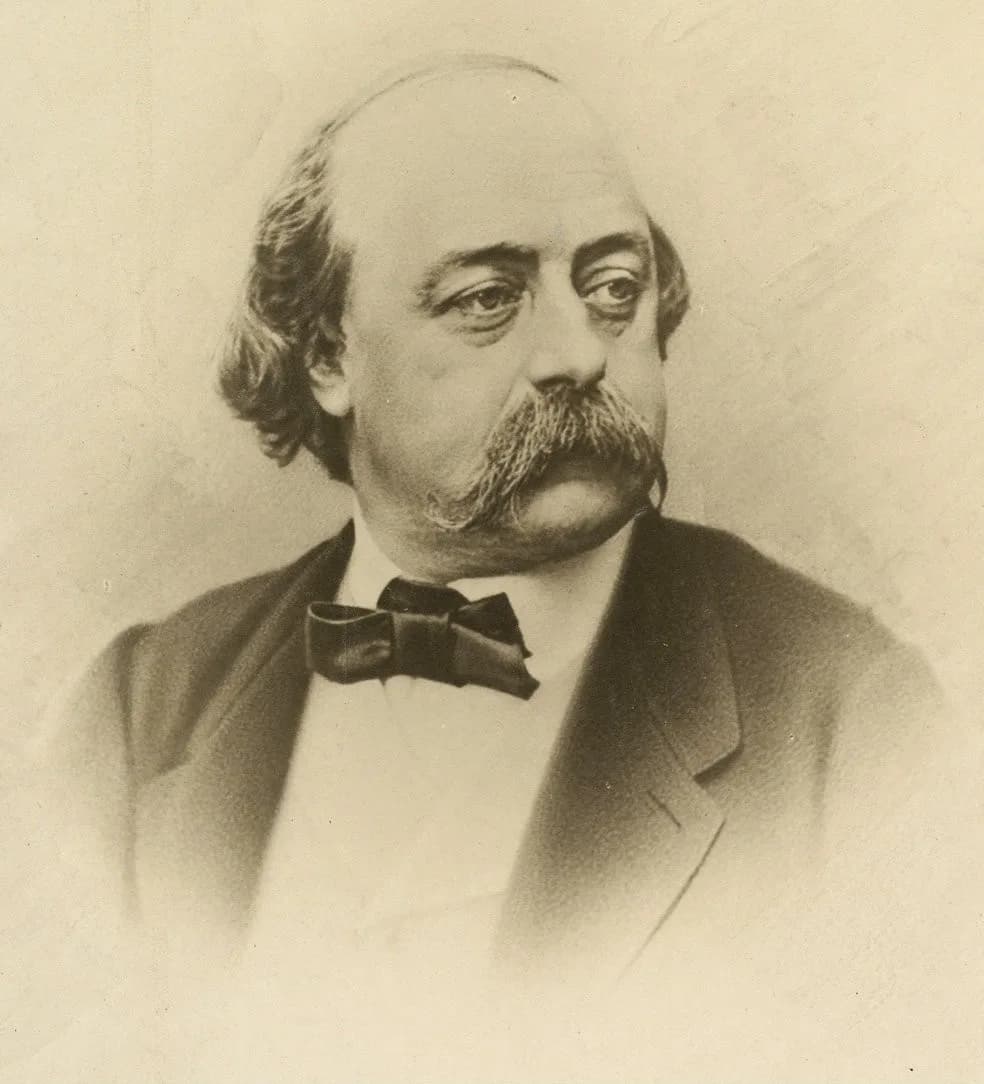
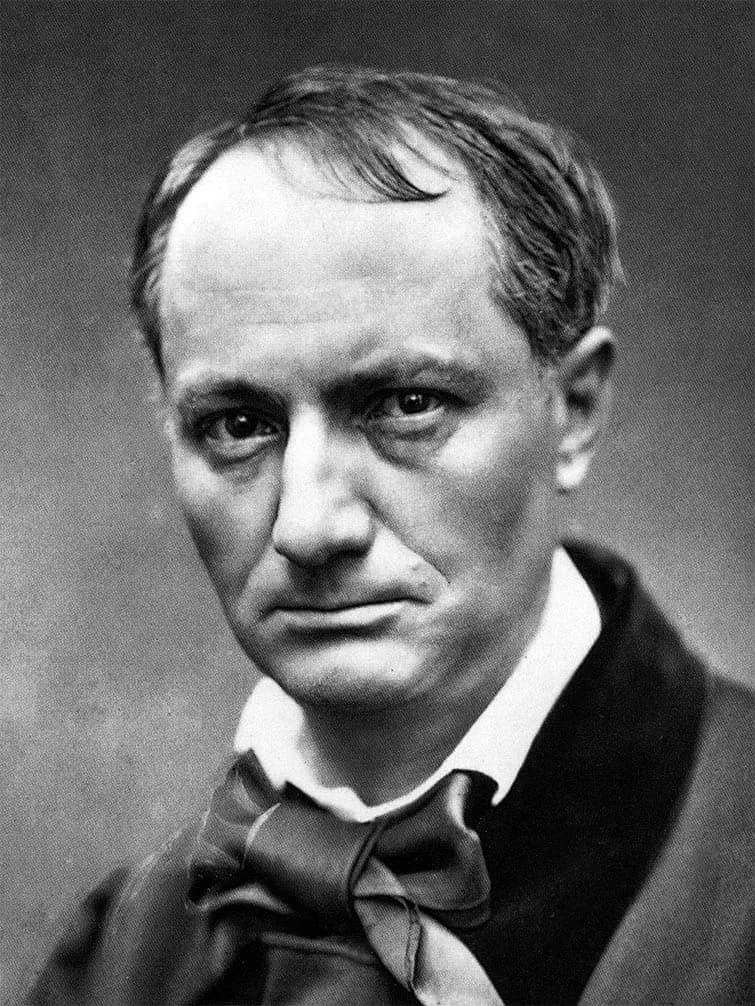
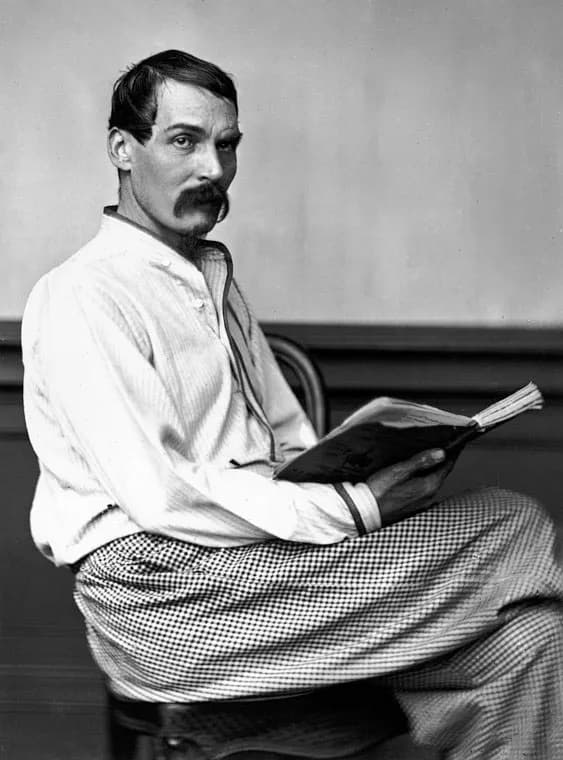
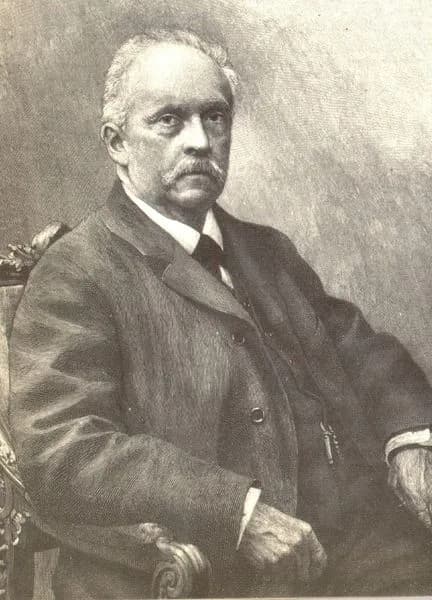
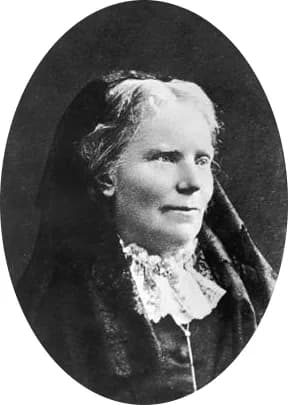
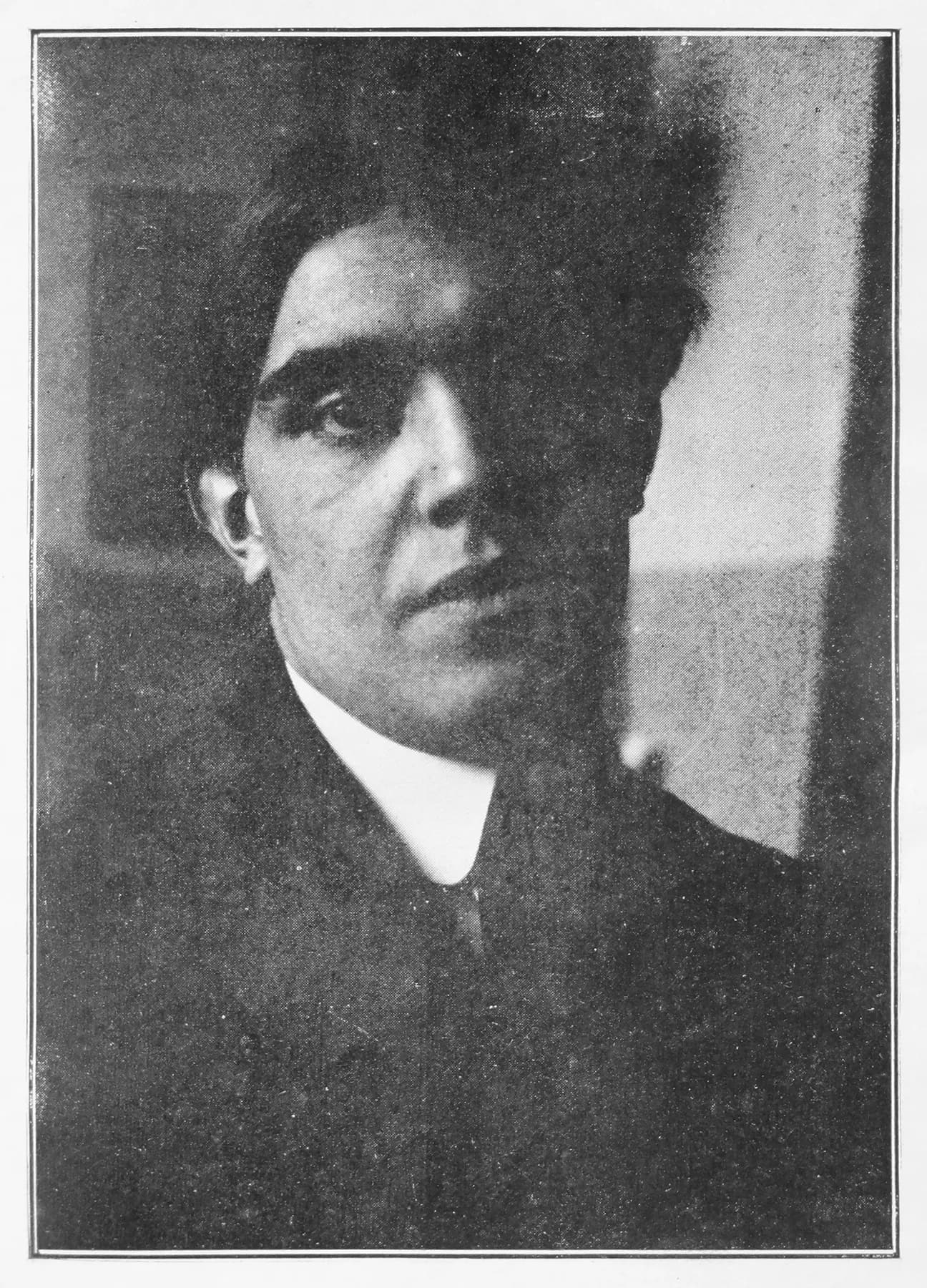
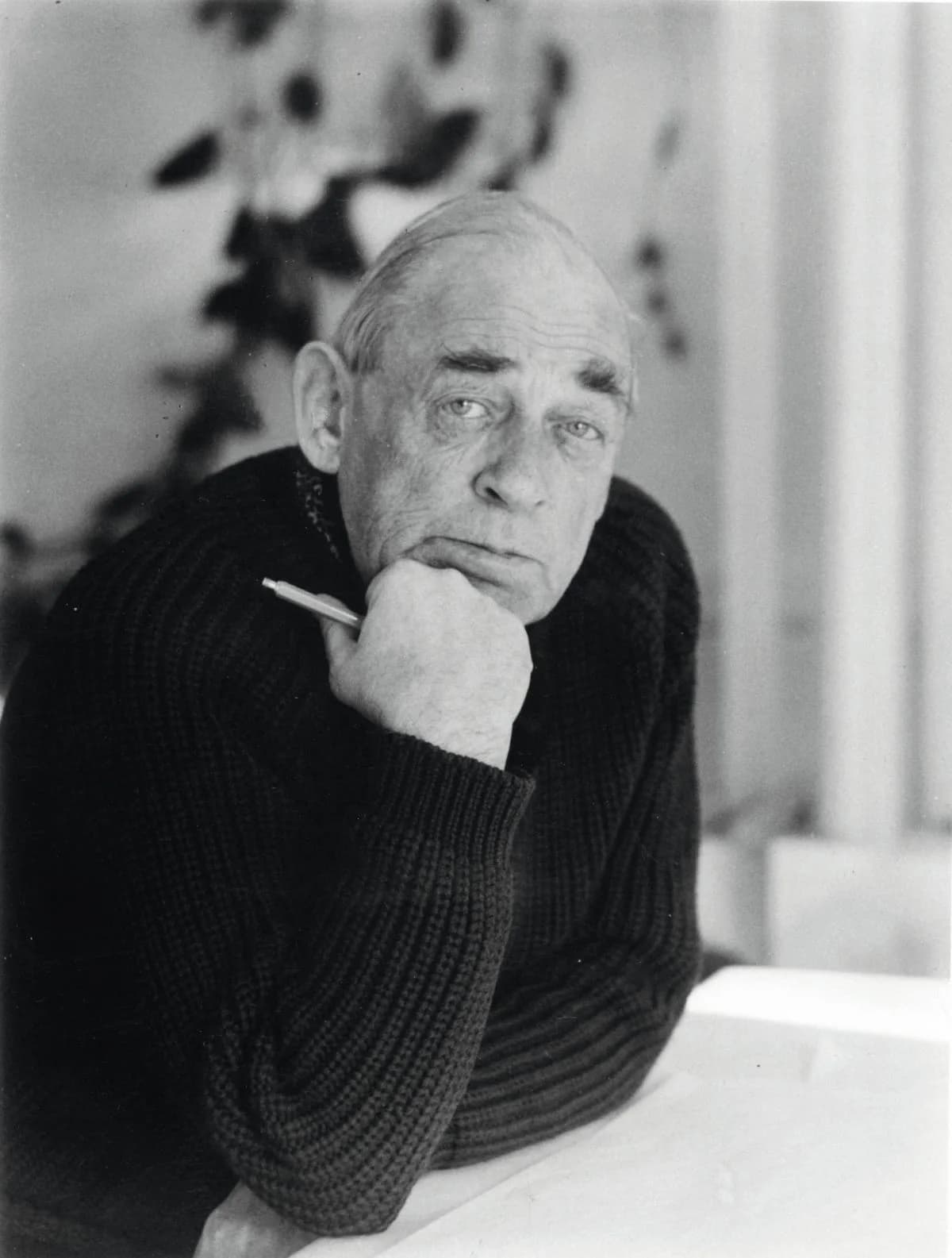
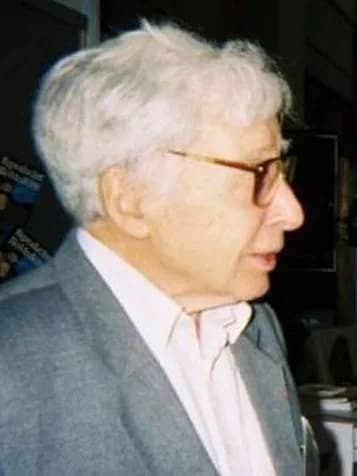
Geboren
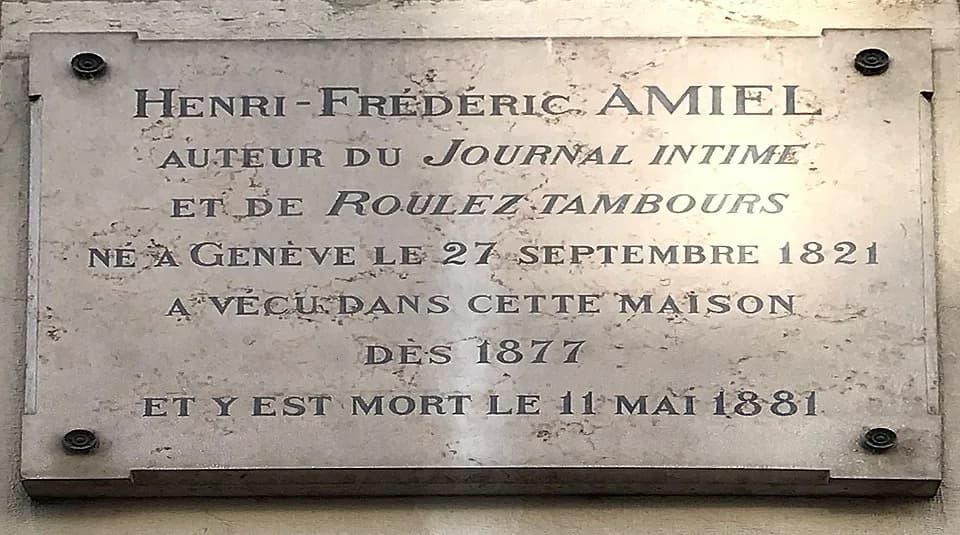
September 27, 1821
Geneva, Switzerland
Verstorben
May 11, 1881
Geneva, Switzerland
Bekannt für
Swiss philosopher and poet
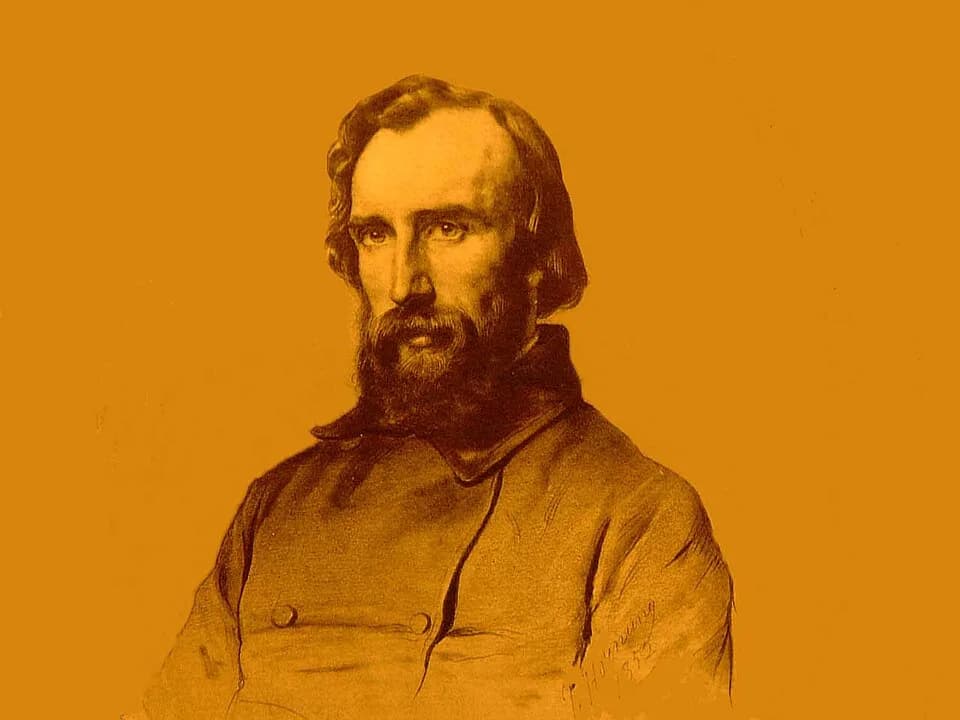
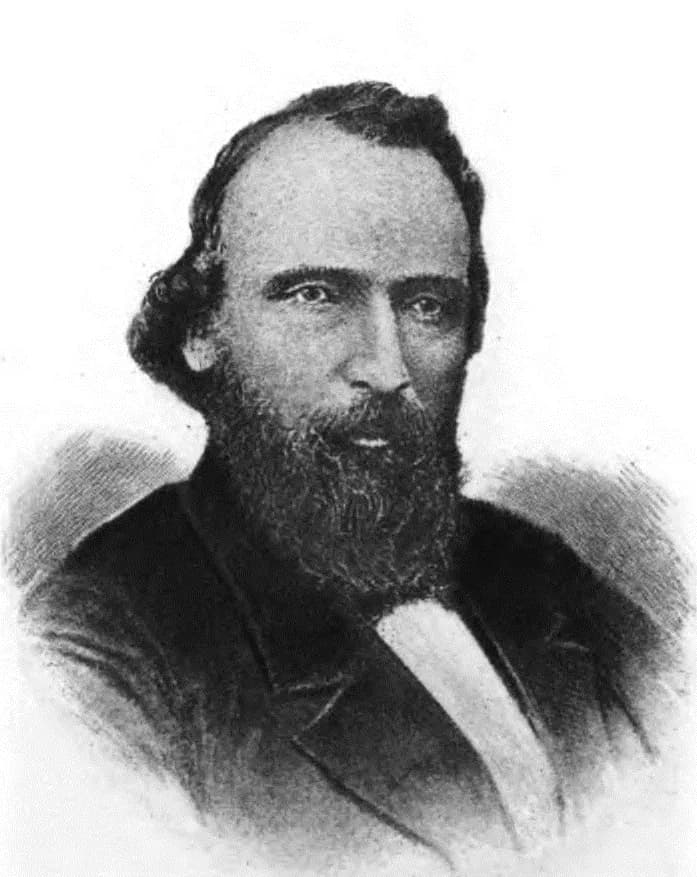
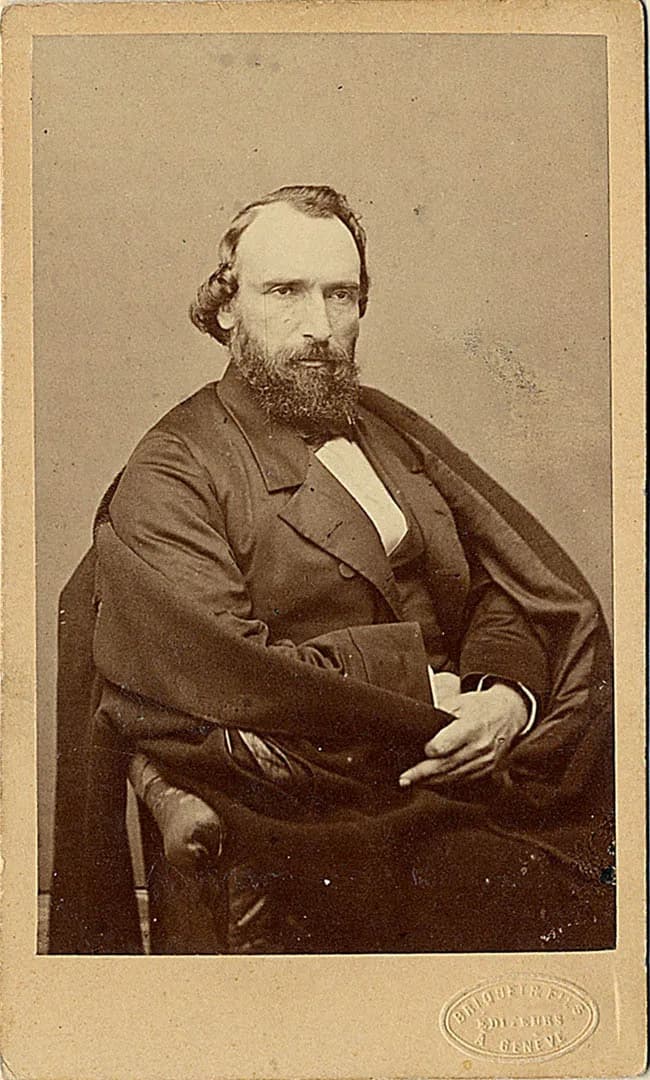
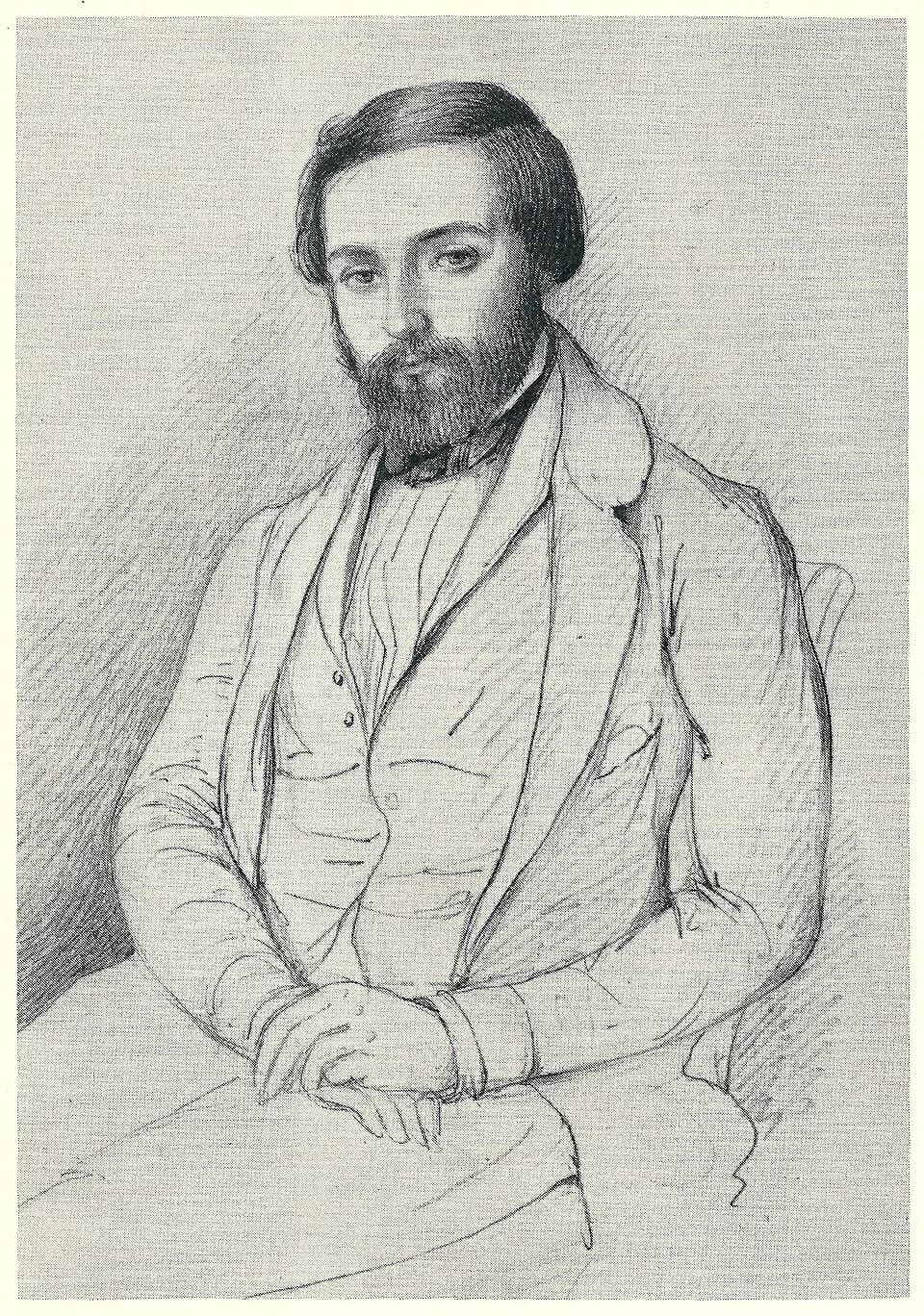
Henri-Frédéric Amiel (1821–1881) was Switzerland best known for Swiss philosopher and poet.
Henri-Frédéric Amiel (September 27, 1821 – May 11, 1881) was a Swiss philosopher, poet, and critic from Geneva. He is best known for his extensive, posthumously published private journals, which offered deep insights into his philosophical thoughts. His writings continue to influence discussions on moral philosophy and self-reflection.
Ein Leben in Momenten
Die Momente, die ein Leben prägten

Kapitel
Lebenskapitel
Kapitel 1 · 1821· Kapitel 1 von 7
Early Life and Origins
Henri-Frédéric Amiel was born in Geneva, Switzerland, on September 27, 1821, a city that would remain central to his life and work. Growing up in this vibrant intellectual hub, Amiel was exposed to a rich cultural and philosophical environment that undoubtedly shaped his early interests. His formative years in Geneva laid the groundwork for his later academic pursuits and his deep engagement with moral philosophy.
His education cultivated a keen intellect and a broad appreciation for various disciplines, positioning him for a future as a university teacher and a respected figure in Swiss academia. The serene yet stimulating atmosphere of Geneva provided the perfect backdrop for his developing philosophical mind and poetic sensibilities.
Kapitel 2· Kapitel 2 von 7
Career Beginnings
Amiel embarked on his professional journey as a writer, poet, and translator, showcasing his diverse linguistic and creative talents. These early endeavors allowed him to explore different forms of expression and refine his unique voice before solidifying his academic career. His initial forays into literature paved the way for more profound philosophical inquiries and critical analyses.
His foundational work as a literary critic also began during this period, demonstrating an acute ability to dissect and evaluate texts. This early critical practice deepened his understanding of literary structure and philosophical underpinnings, skills that would prove invaluable throughout his career as a scholar and diarist.
Kapitel 3· Kapitel 3 von 7
Major Achievements and Career Highlights
Throughout his career, Henri-Frédéric Amiel excelled as a university teacher, imparting knowledge and inspiring generations of students in his native Geneva. Beyond his formal academic role, he distinguished himself as a philosopher, delving into complex ethical and existential questions. His unique perspective earned him recognition in philosophical circles.
Amiel also gained significant acclaim as a literary critic, offering insightful analyses of contemporary and classical works. His meticulous approach to reviewing texts highlighted his deep understanding of literary artistry and philosophical principles. However, perhaps his most enduring legacy stems from his extensive work as a diarist, through which he explored the depths of his own thoughts and observations with unparalleled candor.
Kapitel 4· Kapitel 4 von 7
Personal Life
While specific details about Henri-Frédéric Amiel's family life are not extensively documented, his prolific journaling provides a candid glimpse into his inner world. As a dedicated diarist, Amiel chronicled his intellectual journey, personal struggles, and reflections on life with remarkable honesty. His journals reveal a deeply introspective individual, whose personal interests were largely centered around philosophical contemplation, literature, and the pursuit of self-understanding.
His personal life, as reflected in his writings, suggests a profound engagement with intellectual and spiritual matters. The act of journaling itself was a central component of his existence, serving as a constant companion and a repository for his most intimate thoughts. This dedication to self-reflection became the very foundation of his lasting literary contribution.
Kapitel 5· Kapitel 5 von 7
Notable Works or Contributions
Henri-Frédéric Amiel is most celebrated for his profound literary output, particularly his introspective journals. His most famous work, "Amiel's Journal," often referred to as "The Journal Intime of Henri-Frédéric Amiel" or "The Private Journal of Henri Frederic Amiel," provides a rich tapestry of his philosophical insights and daily reflections. This multi-volume work was published posthumously, gaining widespread recognition for its depth and candor.
Among his significant publications are "Fragments d'un journal intime," which garnered 12 citations in a 2008 edition, and "Amiel's Journal," which registered 7 citations in another edition. Other notable works include "Philosophic nuggets," offering concise intellectual meditations, and "Il penseroso poésies-maximes," a collection reflecting his poetic and ethical leanings. He also authored "Les étrangères," "L'escalade de 1602 ballade historique," and "Philine : fragments inédits du Journal intime," further showcasing his versatility as a writer. His academic contributions included 13 papers with an h-index of 3, underscoring his scholarly engagement beyond his more personal writings.
Kapitel 6 · 1881· Kapitel 6 von 7
Later Years
Henri-Frédéric Amiel continued his scholarly and reflective pursuits throughout his later years, culminating in his death in his beloved Geneva on May 11, 1881. His commitment to intellectual inquiry and the meticulous documentation of his thoughts in his journal remained unwavering. The latter part of his life saw him deepen his philosophical observations, enriching the vast collection that would eventually become his most cherished legacy.
Though his journals were largely private during his lifetime, they represented a lifelong commitment to self-exploration and critical thought. His final years were spent immersed in the intellectual solitude that fostered the candid and profound insights found within these pages, cementing his place as a significant voice in moral philosophy.
Kapitel 7· Kapitel 7 von 7
Legacy and Impact
Henri-Frédéric Amiel's legacy rests firmly on his unique role as a moral philosopher and his influential "Journal Intime." His posthumously published journals provided an unprecedented look into the mind of a profound thinker, offering observations on existence, ethics, and the human spirit that resonated deeply with readers. He became known for his honest self-analysis and his eloquent articulation of life's complexities.
His work continues to inspire scholars and readers alike, solidifying his position as a key figure in Swiss literature and philosophy. Amiel's unflinching introspection and the philosophical rigor displayed in his writings have ensured his lasting influence, making his "Journal Intime" an essential text for anyone exploring the depths of personal and philosophical reflection. His contributions changed how many viewed the potential of a private journal to serve as a public testament to a life of thought.
FAQ
Häufig gefragt
Wann starb Henri-Frédéric Amiel?
Henri-Frédéric Amiel starb am 11. Mai 1881 in Geneva, Switzerland im Alter von 59 Jahren.
Wo wurde Henri-Frédéric Amiel geboren?
Henri-Frédéric Amiel wurde in Geneva, Switzerland am 27. September 1821 geboren.
Wofür ist Henri-Frédéric Amiel am bekanntesten?
Henri-Frédéric Amiel ist am bekanntesten für Swiss philosopher and poet.
Wie alt war Henri-Frédéric Amiel beim Tod?
Henri-Frédéric Amiel war zum Zeitpunkt des Todes 59 Jahre alt.
Welche Nationalität hatte Henri-Frédéric Amiel?
Henri-Frédéric Amiel stammte aus Switzerland.
Zeitlinie
Leben im Überblick
Fotogalerie
Ein Leben in Bildern
Klicken Sie ein Polaroid an, um es zu vergrößern · 23 Fotos
QR-Code
Diese Biografie teilen
Drucken & Teilen
Scannen Sie, um diese Biografieseite zu besuchen. Drucken Sie sie für Veranstaltungen, Ausstellungen oder Lehrmaterialien.