Geboren
August 28, 1919
Sutton on Trent, United Kingdom
Verstorben
August 12, 2004
Kingston upon Thames, United Kingdom
Bekannt für
English electrical engineer
Godfrey Hounsfield (1919–2004) was United Kingdom best known for English electrical engineer.
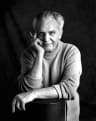
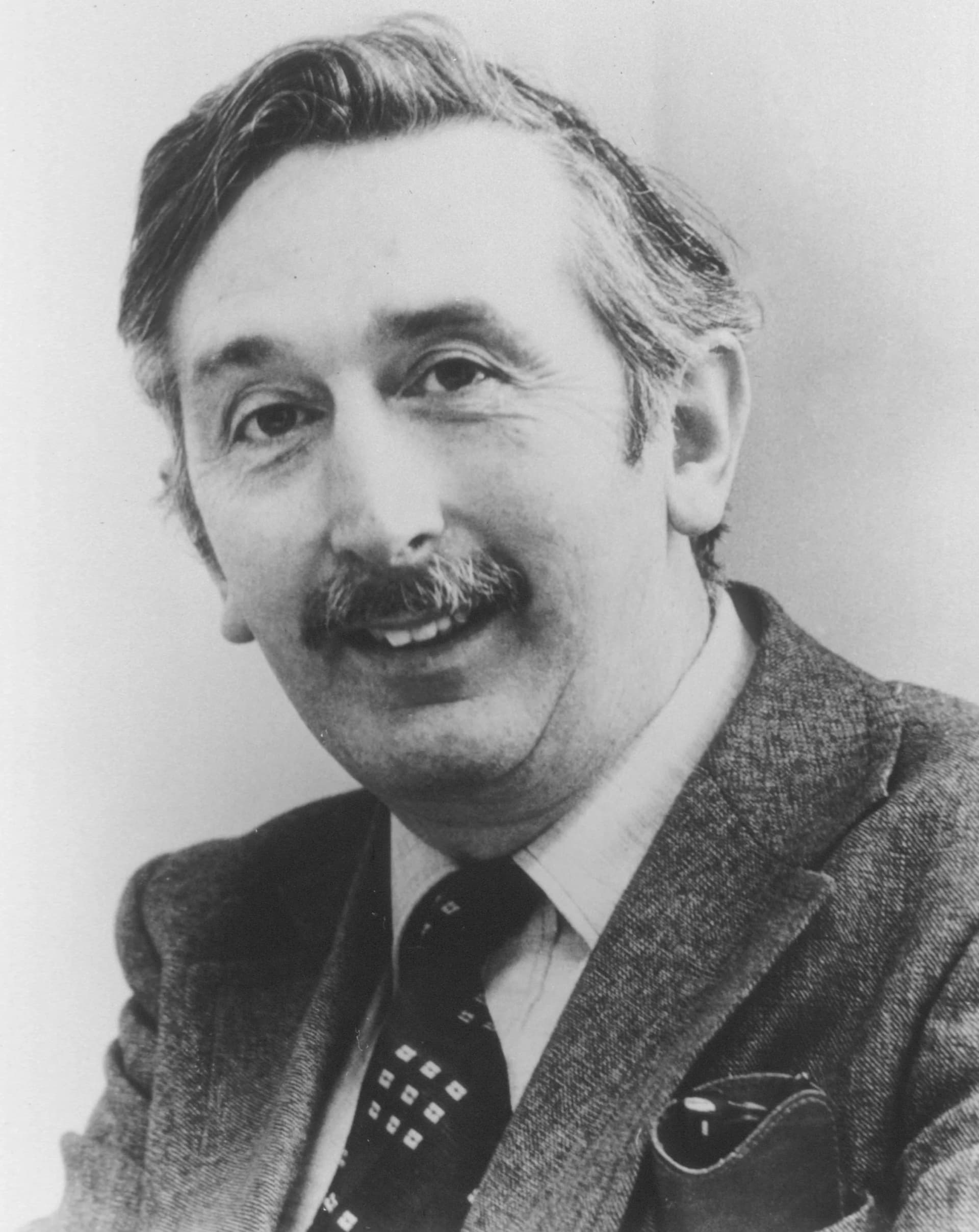
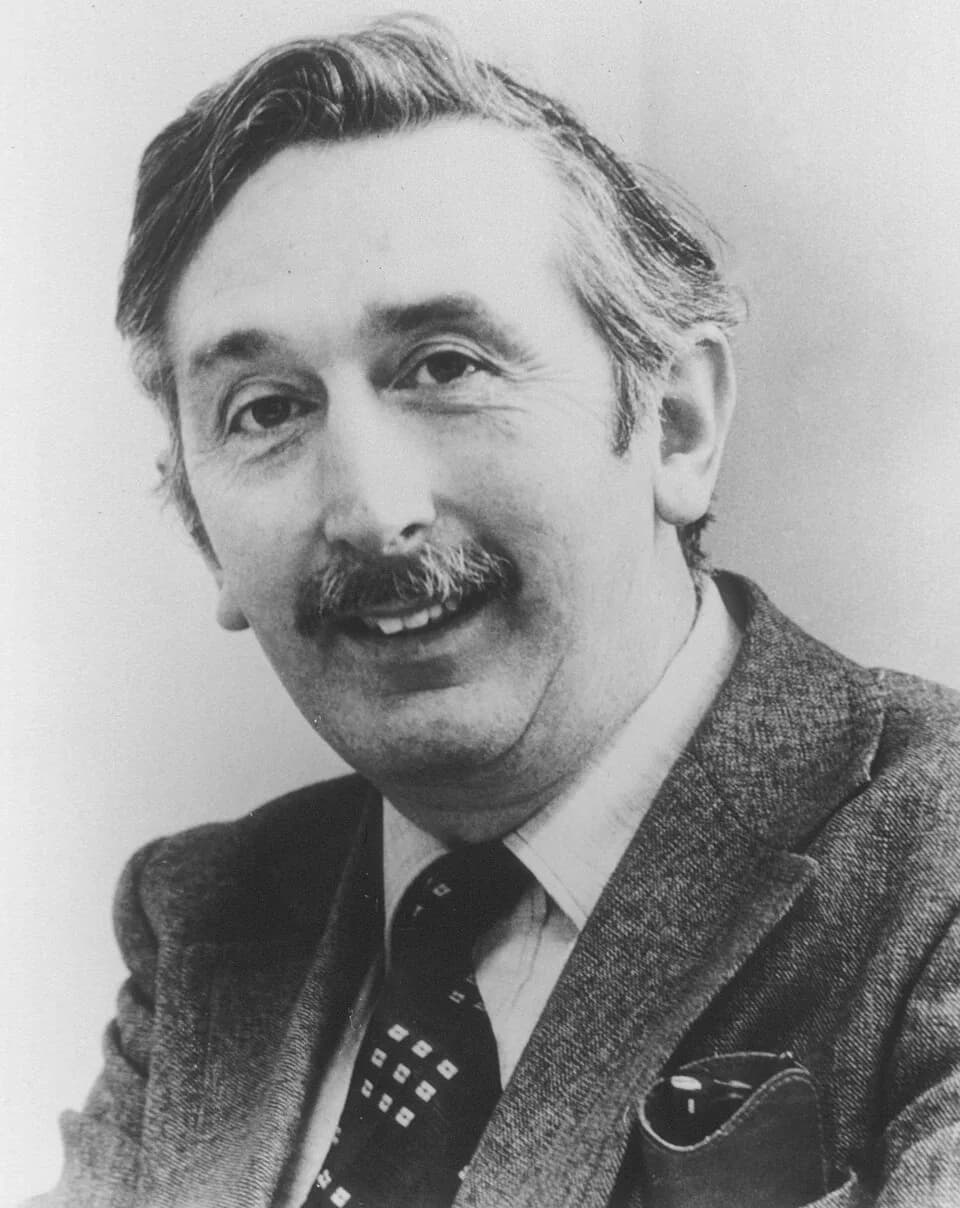
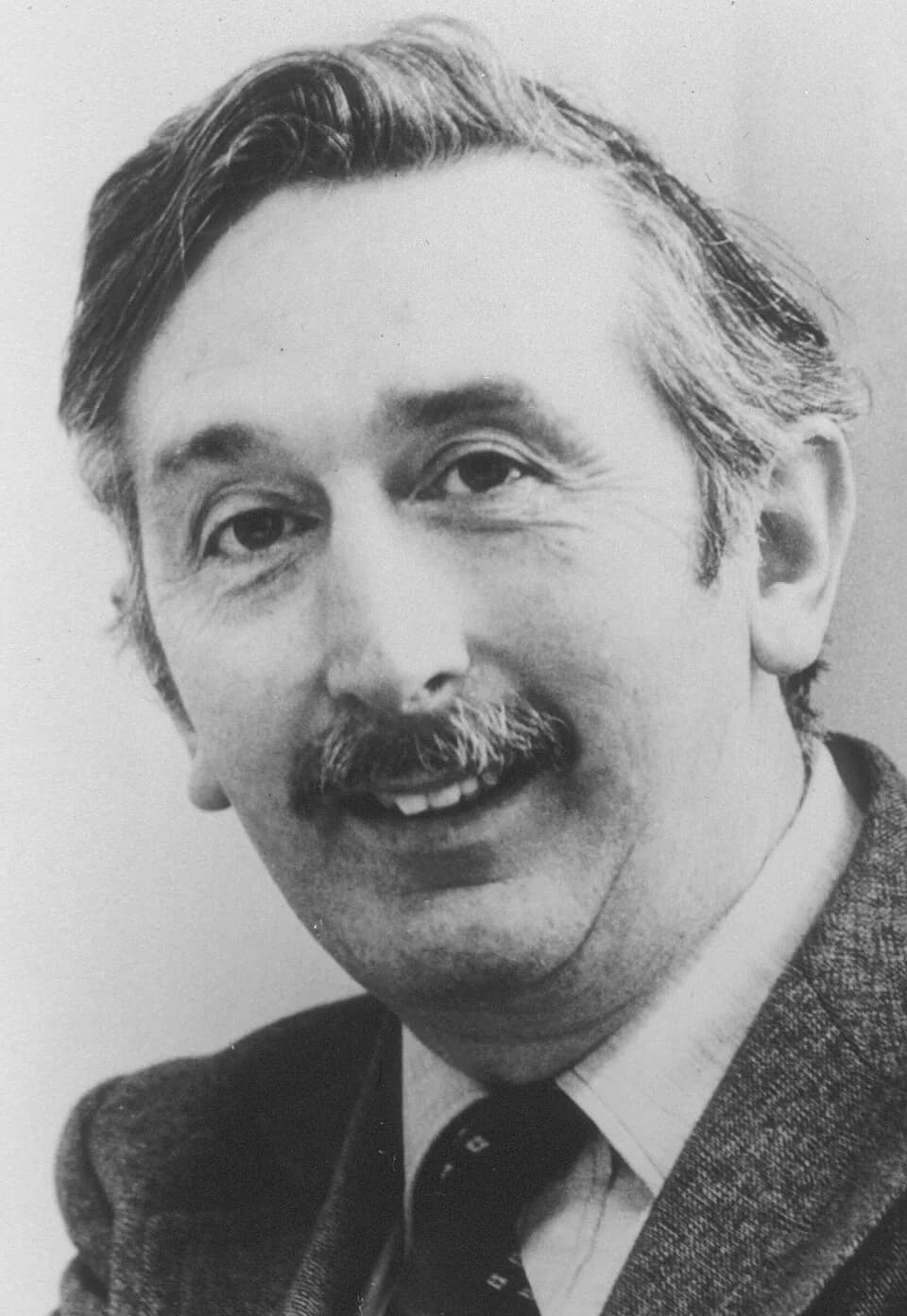
Sir Godfrey Hounsfield (August 28, 1919 – August 12, 2004) was an English electrical engineer. He shared the 1979 Nobel Prize for Physiology or Medicine for his pivotal role in developing X-ray computed tomography (CT). His invention revolutionized medical diagnostics, providing unprecedented views into the human body.
Kapitel
Lebenskapitel
Kapitel 1 · 1919· Kapitel 1 von 7
Early Life and Origins
Godfrey Hounsfield's remarkable journey began on August 28, 1919, when he was born in the quiet village of Sutton on Trent, located in the United Kingdom. His formative years in this serene setting provided the backdrop for the development of an inquisitive mind and a practical approach to problem-solving. While extensive details about his early family life and specific educational path prior to his professional career are not widely documented, it is clear that his foundational experiences contributed significantly to the inventive spirit he would later demonstrate.
Hounsfield's early environment likely fostered a curiosity for how things work, a trait essential for an engineer. The precision and analytical thinking inherent in his chosen profession were undoubtedly cultivated during these early years, preparing him for the complex scientific challenges he would later embrace. This background, though not highly detailed in public records, was the crucible in which his future brilliance was forged.
Kapitel 2· Kapitel 2 von 7
Career Beginnings
Hounsfield embarked on his professional path as an engineer, a discipline that perfectly suited his analytical abilities and practical inclinations. His inherent talent for understanding intricate systems and his dedication to applied science positioned him uniquely for significant future innovations in various technological sectors. Beyond his primary designation as an electrical engineer, Hounsfield also contributed to the scientific community as a physicist, blending these two critical fields in his pioneering work.
While the precise trajectory of his earliest career roles and initial projects are not extensively detailed, his foundational expertise in electrical engineering was undoubtedly crucial. This deep technical understanding provided the bedrock upon which he would later build the revolutionary concepts of medical imaging. His early career years were a period of skill development and practical application, laying the groundwork for the extraordinary scientific breakthroughs that were yet to come.
Kapitel 3· Kapitel 3 von 7
Major Achievements and Career Highlights
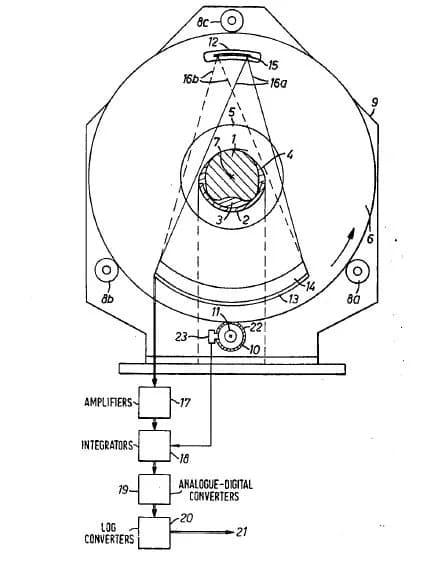
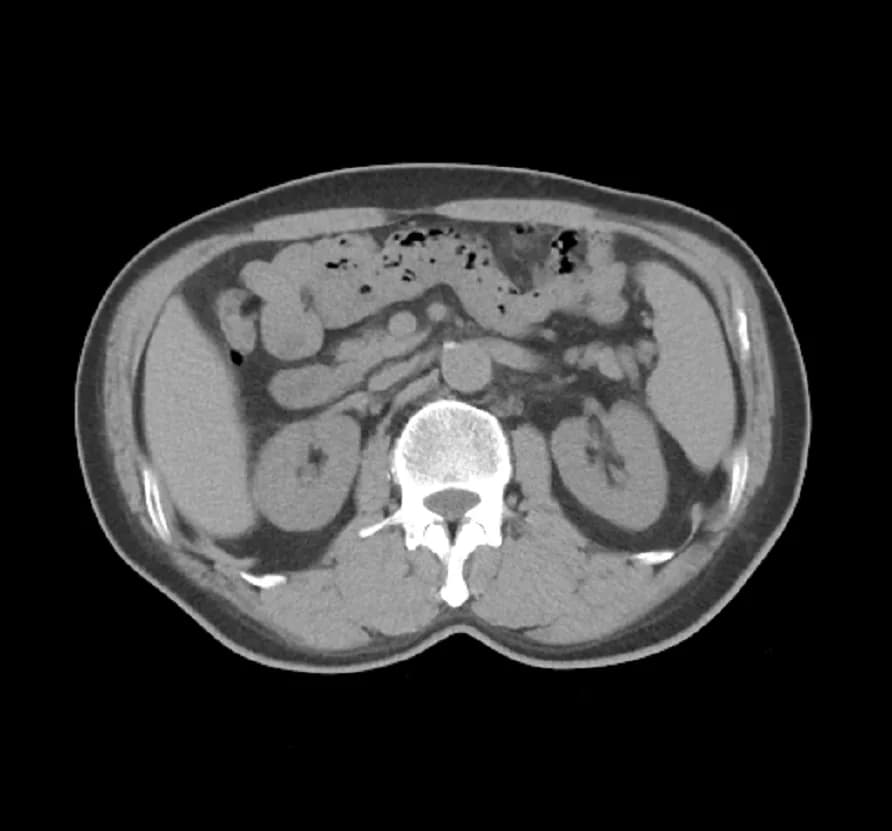
The zenith of Sir Godfrey Hounsfield's career arrived with the co-development of X-ray computed tomography (CT), an achievement that fundamentally altered the landscape of diagnostic medicine. This innovative technique allowed doctors to view cross-sectional images of the human body with unprecedented clarity, moving beyond the limitations of traditional X-rays by reconstructing detailed internal structures from multiple projections. His work in this area revolutionized the ability to diagnose a vast array of conditions, from tumors to injuries, with much greater accuracy.
For this monumental contribution, Hounsfield was honored with the 1979 Nobel Prize for Physiology or Medicine, an accolade he shared with Allan MacLeod Cormack. This prestigious award recognized the dual contributions to this transformative technology, underscoring the immense scientific and humanitarian impact of his work. The Nobel Prize cemented Hounsfield's place in the annals of medical history, acknowledging a discovery that has become a ubiquitous and indispensable tool in healthcare globally.
Kapitel 4· Kapitel 4 von 7
Personal Life
While Sir Godfrey Hounsfield's professional life was illuminated by extraordinary innovation and widespread public recognition, specific details concerning his personal life, family, and private interests are not extensively documented in public records. His unwavering dedication to his scientific work often took precedence, suggesting a profound commitment to his research and development efforts. Hounsfield maintained a degree of privacy regarding his non-professional endeavors, allowing him to channel his considerable energies into the complex engineering and physics challenges he pursued.
This focused approach to his scientific career enabled him to tackle the intricate problems that ultimately led to the development of CT scanning. Despite the public nature of his professional achievements, his personal life remained largely out of the spotlight. This quiet personal demeanor contrasts with the loud impact of his professional legacy, which continues to resonate across the globe.
Kapitel 5 · 1980· Kapitel 5 von 7
Notable Works or Contributions
Sir Godfrey Hounsfield's scholarly output significantly contributed to the understanding and application of his pioneering work in medical imaging. Among his highly cited academic publications is "Computed Medical Imaging," published in 1980, which has garnered an impressive 549 citations, demonstrating its profound influence on the scientific community. This seminal work likely detailed the technical aspects and medical implications of his revolutionary CT technology, serving as a foundational text for researchers and practitioners alike.
His contributions also included a paper titled "Dimensional accuracy of magnetic resonance in studies of the heart" from 1985, which received 283 citations, showcasing his continued involvement in advanced imaging techniques. Additionally, his Nobel Lecture, delivered on December 8, 1979, also titled "Computed medical imaging" and published in 1980, holds significant importance, with 194 citations. Further publications related to his Nobel recognition include a "Nobel Award address. Computed medical imaging" (1980, 50 citations) and another iteration of his "Nobel lecture, 8 December 1979. Computed medical imaging" (1980, 30 citations), all of which served to disseminate the scientific principles and impact of his Nobel Prize-winning invention.
Kapitel 6 · 2004· Kapitel 6 von 7
Later Years
Throughout his later years, Sir Godfrey Hounsfield continued to witness the widespread adoption and continuous evolution of CT technology, which became an integral part of global medical practice. He passed away on August 12, 2004, in Kingston upon Thames, United Kingdom, at the age of 84. His passing marked the end of an era for a true visionary whose inventive contributions had already fundamentally transformed healthcare worldwide.
Hounsfield lived to see his invention become an indispensable diagnostic tool, utilized daily in hospitals and clinics across continents. The expansion and refinement of CT scanning during his lifetime were a testament to the enduring power and flexibility of his initial concept. His later years were undoubtedly a period of reflection on the immense positive impact his work had on humanity, observing the ongoing realization of his pioneering vision.
Kapitel 7· Kapitel 7 von 7
Legacy and Impact
The legacy of Sir Godfrey Hounsfield is both profound and enduring, firmly anchored by his pioneering work in X-ray computed tomography. His invention provided medical professionals with an unparalleled ability to visualize internal structures of the human body, leading to earlier and far more accurate diagnoses of a wide array of conditions, from complex tumors to internal injuries. The CT scanner, a direct result of his ingenuity, remains a cornerstone of diagnostic imaging in hospitals globally, fundamentally altering patient care, surgical planning, and medical research.
Hounsfield's vision and perseverance not only earned him the highest scientific honor, the Nobel Prize, but also secured his place as a profound benefactor to humanity. His scientific ingenuity continues to save and improve countless lives every single day, demonstrating the lasting power of innovation in the service of human health. He left behind a world forever changed by his ability to see the unseen, making him a truly monumental figure in the history of science and medicine.
Ein Leben in Momenten
Die Momente, die ein Leben prägten
FAQ
Häufig gefragt
Wann starb Godfrey Hounsfield?
Godfrey Hounsfield starb am 12. August 2004 in Kingston upon Thames, United Kingdom im Alter von 84 Jahren.
Wo wurde Godfrey Hounsfield geboren?
Godfrey Hounsfield wurde in Sutton on Trent, United Kingdom am 28. August 1919 geboren.
Wofür ist Godfrey Hounsfield am bekanntesten?
Godfrey Hounsfield ist am bekanntesten für English electrical engineer.
Wie alt war Godfrey Hounsfield beim Tod?
Godfrey Hounsfield war zum Zeitpunkt des Todes 84 Jahre alt.
Welche Nationalität hatte Godfrey Hounsfield?
Godfrey Hounsfield stammte aus United Kingdom.
Zeitlinie
Leben im Überblick
Fotogalerie
Ein Leben in Bildern
Klicken Sie ein Polaroid an, um es zu vergrößern · 21 Fotos
QR-Code
Diese Biografie teilen
Drucken & Teilen
Scannen Sie, um diese Biografieseite zu besuchen. Drucken Sie sie für Veranstaltungen, Ausstellungen oder Lehrmaterialien.