Geboren
April 19, 1912
Ishpeming, United States
Verstorben
February 25, 1999
Lafayette, United States
Bekannt für
American chemist
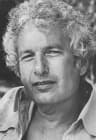
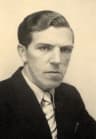
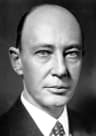
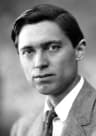
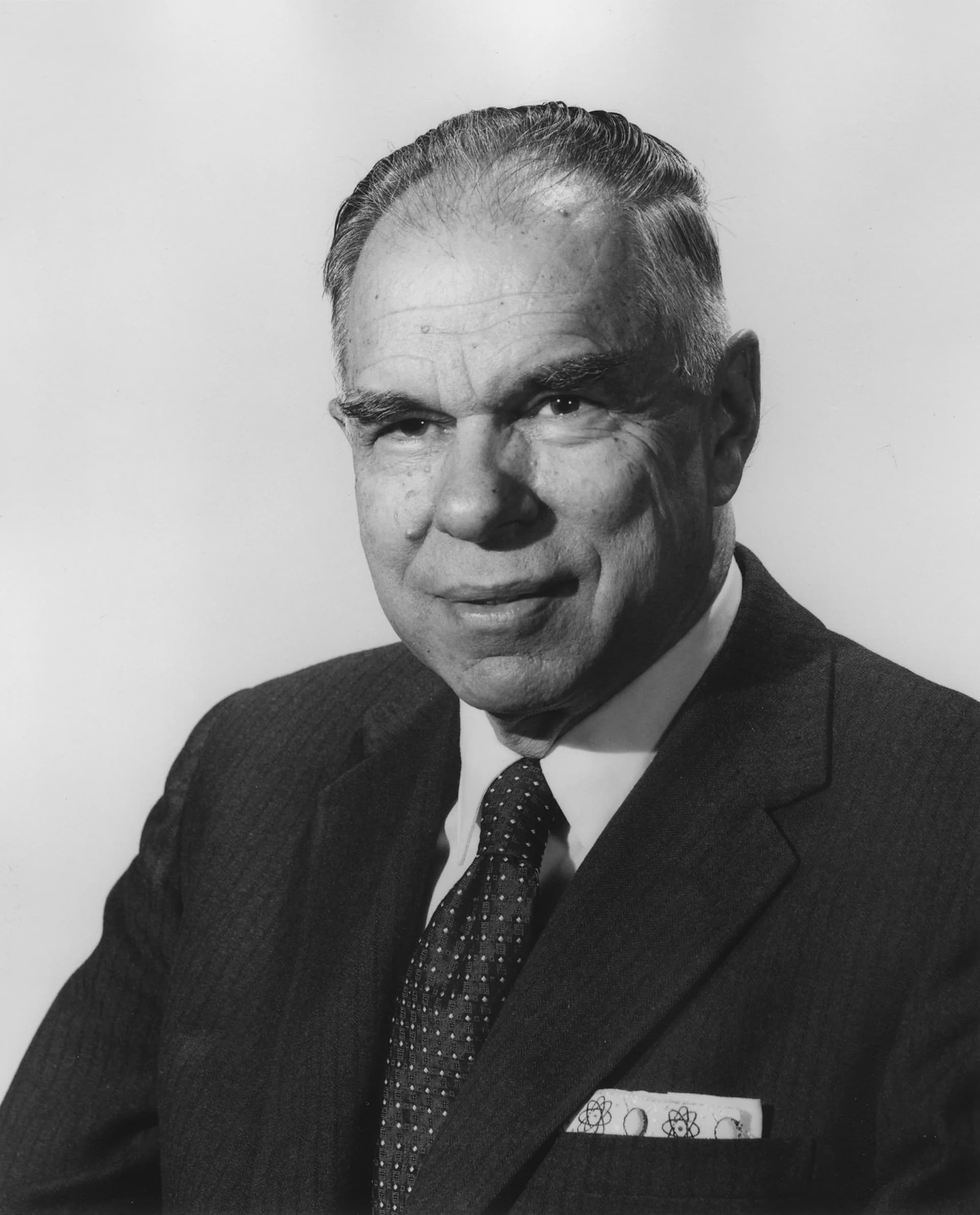
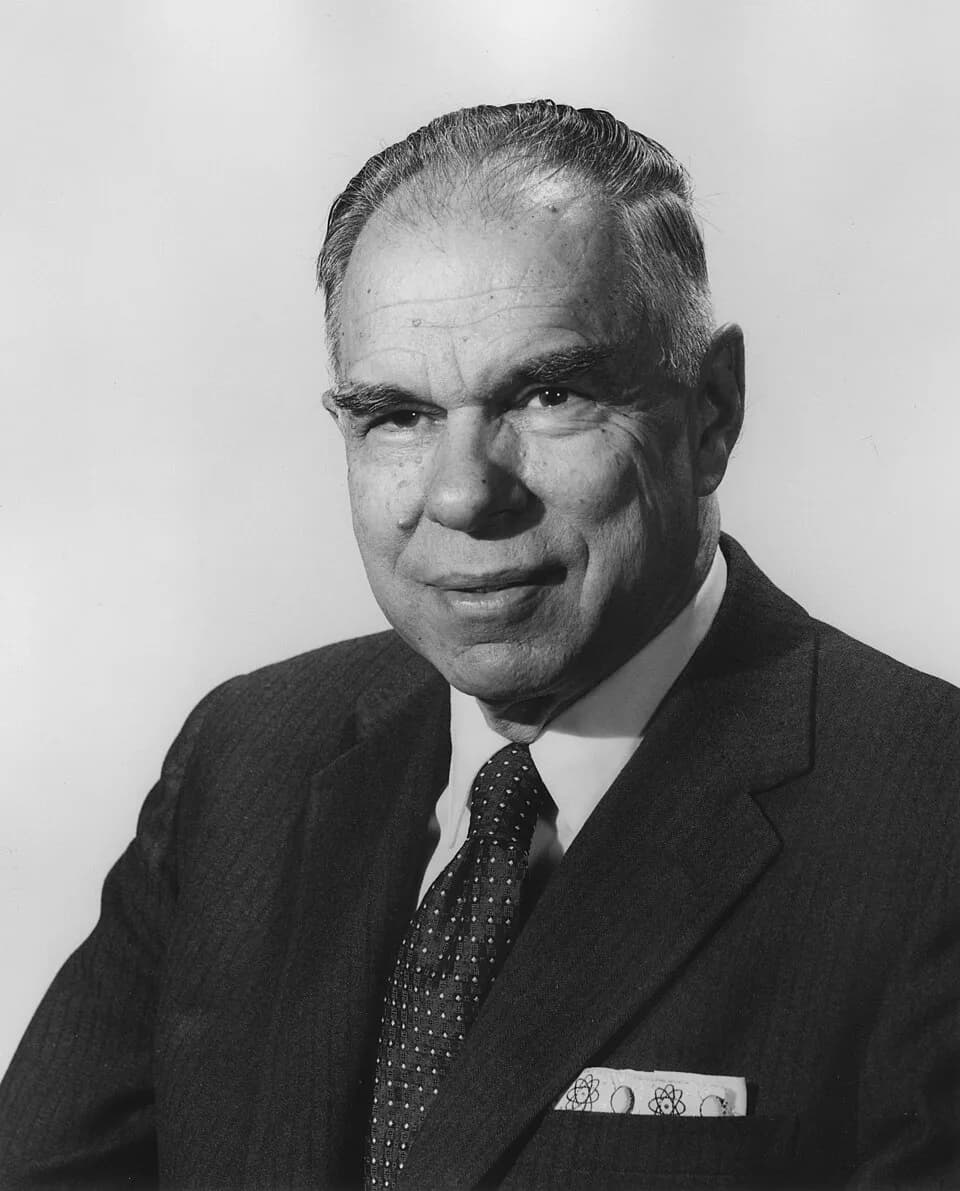
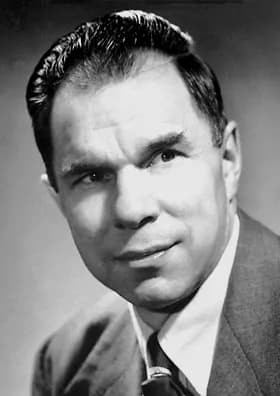
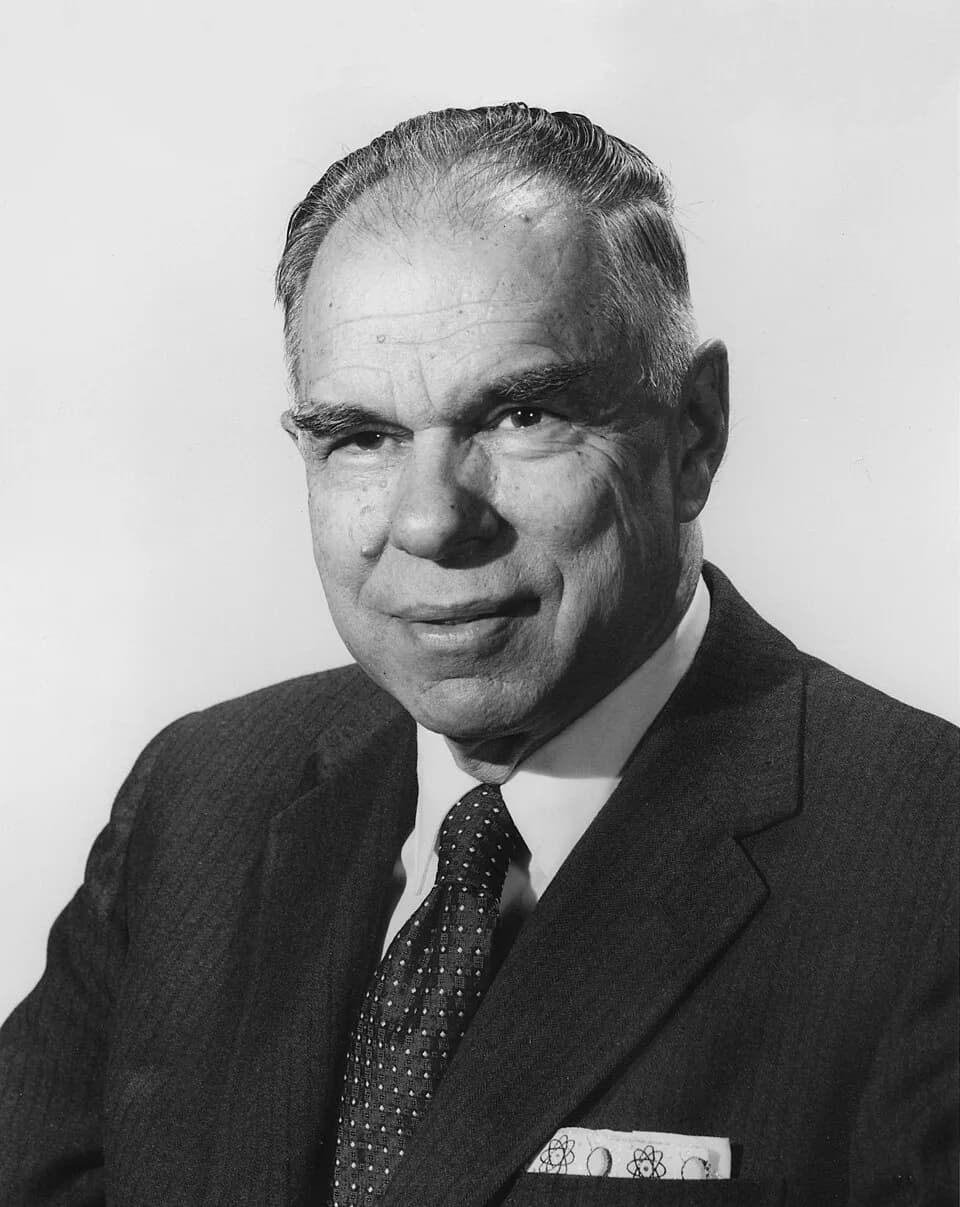
Glenn Theodore Seaborg (1912–1999) was United States best known for American chemist.
Glenn Theodore Seaborg (April 19, 1912 – February 25, 1999) was an American chemist from Ishpeming, United States. He shared the 1951 Nobel Prize in Chemistry for his work in discovering ten transuranium elements. His development of the actinide concept shaped the modern periodic table.
Kapitel
Lebenskapitel
Kapitel 1 · 1912· Kapitel 1 von 6
Early Life and Origins
Glenn Theodore Seaborg was born on April 19, 1912, in the city of Ishpeming, located in the United States. While specific details of his early family life and upbringing are not provided, his formative years in Ishpeming undoubtedly set the foundation for his future scientific endeavors. His path from this American town led him toward a distinguished career at the forefront of chemical discovery.
Kapitel 2· Kapitel 2 von 6
Career Beginnings
Seaborg's academic and professional journey began with a strong focus on chemistry, a field where he quickly demonstrated exceptional talent. He steadily expanded his expertise, transitioning into the roles of a university teacher and, significantly, a nuclear physicist. This multidisciplinary background was crucial, providing him with the unique perspective needed to tackle complex problems in nuclear science. These early career experiences were foundational, paving the way for his later groundbreaking explorations into the structure of matter.
Kapitel 3 · 1951· Kapitel 3 von 6
Major Achievements and Career Highlights
A defining period in Seaborg's career was his direct involvement in the synthesis, discovery, and meticulous investigation of ten transuranium elements. This extraordinary scientific feat was recognized with a share of the 1951 Nobel Prize in Chemistry, awarded for their collective discoveries in the chemistry of these elements. Beyond the experimental triumph of creating new elements, Seaborg also developed the critical actinide concept. This conceptual framework provided a logical and accurate arrangement for the actinide series within the periodic table of the elements, fundamentally reorganizing how scientists understood these heavy metals.
His intellectual leadership in this area not only led to the correct placement of these elements but also spurred further research into their properties and potential applications. Seaborg's ability to synthesize new matter and then conceptually organize it within the periodic table demonstrates the breadth of his scientific genius. These contributions solidified his standing as one of the preeminent chemists of the 20th century.
Kapitel 4 · 2010· Kapitel 4 von 6
Notable Works or Contributions
Glenn Seaborg was a prolific author and researcher, evidenced by an h-index of 42 and authorship of 593 papers. Among his published works, "THE PLUTONIUM STORY," released in 2010, stands out as a significant contribution to scientific literature. He also participated in the "Symposium commemorating the 25th anniversary of the discovery of mendelevium," which was also published in 2010.
Even posthumously, his influence continued with works like "3. Prematurity, Nuclear Fission, and the Transuranium Actinide Elements" in 2019, and "Eighty Years of Research on Super-Heavy Nuclei," also in 2019. His contribution, "Appendix D: Alphabetical List of the Elements," was published in 2017. These publications, spanning decades and continuing after his passing, underscore the enduring relevance and depth of his scientific thought and research.
Kapitel 5 · 1999· Kapitel 5 von 6
Later Years
Glenn Theodore Seaborg passed away on February 25, 1999, in Lafayette, United States. Throughout his later years, he maintained an active intellectual presence within the scientific community. The continued publication of works citing or directly from his research, even after his death, speaks to the lasting impact and comprehensive nature of his scientific endeavors. His final years, though not detailed in specific events, were clearly marked by a persistent commitment to advancing scientific understanding.
Kapitel 6· Kapitel 6 von 6
Legacy and Impact
Glenn Theodore Seaborg's legacy is a cornerstone of modern chemistry and nuclear physics. His direct involvement in the discovery of ten transuranium elements dramatically expanded the known boundaries of the periodic table, revealing new insights into atomic structure. The development of his actinide concept provided an elegant and accurate organization for a previously confusing group of heavy elements, making complex chemistry more accessible.
His work fundamentally changed how scientists classify and interact with superheavy elements, influencing countless researchers who followed in his footsteps. Seaborg's scientific insights and discoveries continue to inform and inspire new generations of chemists and physicists globally. He remains a towering figure in the history of science, celebrated for his enduring contributions to our understanding of matter.
Ein Leben in Momenten
Die Momente, die ein Leben prägten
FAQ
Häufig gefragt
Wann starb Glenn Theodore Seaborg?
Glenn Theodore Seaborg starb am 25. Februar 1999 in Lafayette, United States im Alter von 86 Jahren.
Wo wurde Glenn Theodore Seaborg geboren?
Glenn Theodore Seaborg wurde in Ishpeming, United States am 19. April 1912 geboren.
Wofür ist Glenn Theodore Seaborg am bekanntesten?
Glenn Theodore Seaborg ist am bekanntesten für American chemist.
Wie alt war Glenn Theodore Seaborg beim Tod?
Glenn Theodore Seaborg war zum Zeitpunkt des Todes 86 Jahre alt.
Welche Nationalität hatte Glenn Theodore Seaborg?
Glenn Theodore Seaborg stammte aus United States.
Zeitlinie
Leben im Überblick
Fotogalerie
Ein Leben in Bildern
Klicken Sie ein Polaroid an, um es zu vergrößern · 23 Fotos
QR-Code
Diese Biografie teilen
Drucken & Teilen
Scannen Sie, um diese Biografieseite zu besuchen. Drucken Sie sie für Veranstaltungen, Ausstellungen oder Lehrmaterialien.