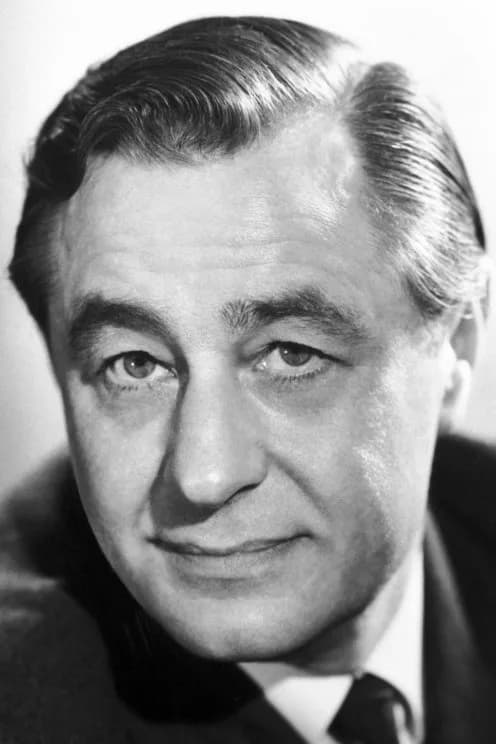
Geboren
December 6, 1920
Stainforth, United Kingdom
Verstorben
August 31, 2002
Canterbury, United Kingdom
Bekannt für
British chemist
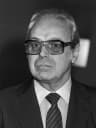
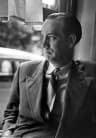
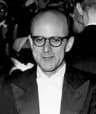
George Porter (1920–2002) was United Kingdom best known for British chemist.
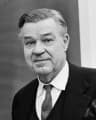
George Porter (December 6, 1920 – August 31, 2002) was a British chemist from Stainforth, United Kingdom. He received the Nobel Prize in Chemistry in 1967 for his pioneering studies of extremely fast chemical reactions using short energy pulses. His work significantly advanced the understanding of transient chemical processes.
Kapitel
Lebenskapitel
Kapitel 1 · 1920· Kapitel 1 von 7
Opening
George Porter (1920–2002) was a distinguished British chemist whose pioneering work profoundly advanced the understanding of chemical reactions at ultrafast speeds. Born in Stainforth, United Kingdom, he carved out an illustrious career as a chemist, university teacher, and even as a politician. His groundbreaking contributions were recognized globally when he was awarded the Nobel Prize in Chemistry in 1967, solidifying his place among the most influential scientists of his era. Porter's dedication to meticulous research and innovative educational approaches shaped generations of chemists and left an enduring scientific legacy.
Kapitel 2 · 1920· Kapitel 2 von 7
Early Life and Origins
George Porter was born on December 6, 1920, in the industrial town of Stainforth, located within the United Kingdom. While specific details of his early family life and upbringing remain private, this environment undoubtedly fostered an intellectual curiosity that would come to define his professional journey. His educational path led him towards higher learning, where a deep interest in the intricate complexities of chemistry began to flourish. This foundational period in Britain provided the essential groundwork for his later scientific pursuits and eventual world-renowned discoveries.
Kapitel 3· Kapitel 3 von 7
Career Beginnings
Porter embarked on a scientific career that saw him rise to prominence as both a respected chemist and an engaging university teacher. His initial work concentrated on exploring fundamental chemical processes, allowing him to develop a keen expertise in sophisticated experimental techniques. These early, foundational studies meticulously prepared the way for his subsequent, groundbreaking research into the very rapid kinetics of chemical reactions. He steadily established himself within the academic community, making significant contributions to the education and rigorous training of aspiring scientists.
Kapitel 4 · 1967· Kapitel 4 von 7
Major Achievements and Career Highlights
The undisputed pinnacle of George Porter's illustrious career arrived in 1967 when he was jointly awarded the Nobel Prize in Chemistry. This highly prestigious international honor was bestowed upon him for his pioneering studies into extremely fast chemical reactions. He ingeniously achieved these insights by disturbing the delicate equilibrium of chemical systems using incredibly short pulses of energy, a method that revolutionized the field. His exceptional scientific accomplishments also led to his ennoblement as Baron Porter of Luddenham, reflecting his esteemed standing within both the scientific and wider British society.
Kapitel 5· Kapitel 5 von 7
Notable Works or Contributions
Porter's most celebrated and impactful contribution to the realm of science was his foundational work in developing and applying flash photolysis, a method directly implied by his Nobel citation. This revolutionary technique provided chemists with an unprecedented ability to observe and analyze chemical reactions occurring within mere fractions of a second. By employing intense, brief flashes of light, he could precisely initiate reactions and then meticulously observe the transient intermediate species that were formed. This innovative experimental approach profoundly transformed the study of reaction mechanisms, yielding critical insights previously considered impossible to attain through traditional methods.
Kapitel 6 · 2002· Kapitel 6 von 7
Later Years
Following the recognition of his Nobel Prize, George Porter maintained a highly active and influential professional life. He continued his dedicated work not only as a leading chemist and revered university teacher but also extended his influence into public service as a politician. Throughout his later years, he remained a respected and impactful figure within British science and contributed significantly to various scientific and educational institutions. Porter passed away on August 31, 2002, in Canterbury, United Kingdom, leaving behind a rich and enduring history of scientific innovation and public service.
Kapitel 7· Kapitel 7 von 7
Legacy and Impact
George Porter's legacy in the field of chemistry is both profound and extensively enduring. His Nobel-winning research fundamentally reshaped how scientists approach and understand the study of rapid chemical reactions, opening entirely new avenues of inquiry. The precise techniques and foundational principles he meticulously developed continue to serve as cornerstones in modern physical chemistry and biochemistry laboratories worldwide. As a dedicated university teacher, he inspired and mentored countless students and researchers, ensuring his influence propagated through subsequent generations of scientists. Porter's indelible contributions guarantee that his name remains synonymous with innovation, discovery, and excellence in the chemical sciences for years to come.
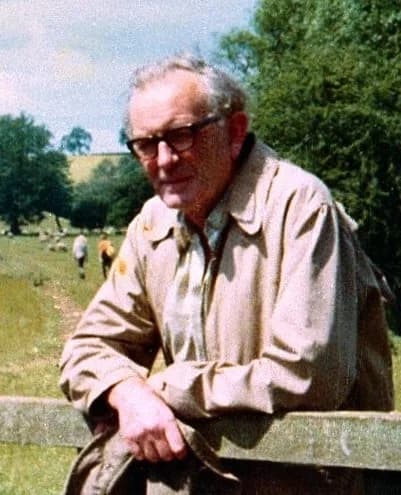
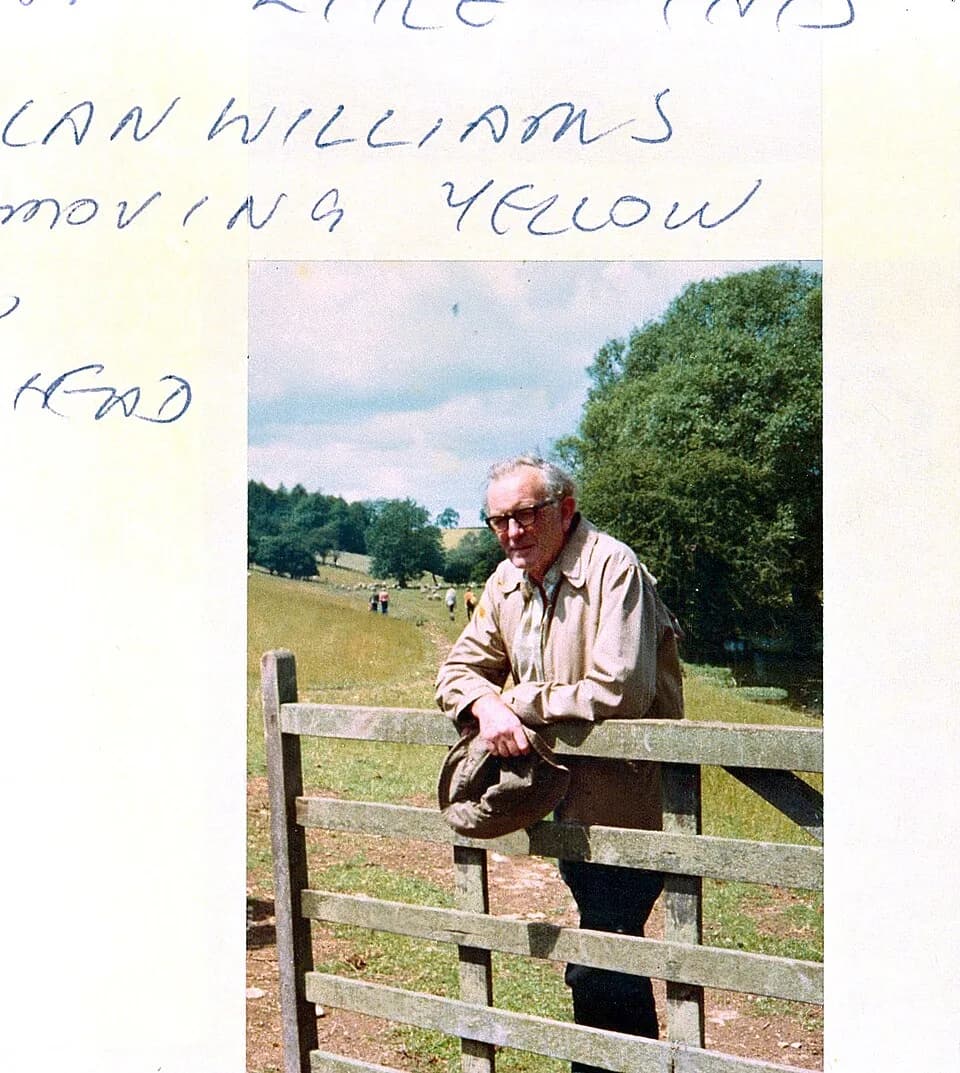
Ein Leben in Momenten
Die Momente, die ein Leben prägten

FAQ
Häufig gefragt
Wann starb George Porter?
George Porter starb am 31. August 2002 in Canterbury, United Kingdom im Alter von 81 Jahren.
Wo wurde George Porter geboren?
George Porter wurde in Stainforth, United Kingdom am 6. Dezember 1920 geboren.
Wofür ist George Porter am bekanntesten?
George Porter ist am bekanntesten für British chemist.
Wie alt war George Porter beim Tod?
George Porter war zum Zeitpunkt des Todes 81 Jahre alt.
Welche Nationalität hatte George Porter?
George Porter stammte aus United Kingdom.
Zeitlinie
Leben im Überblick
Fotogalerie
Ein Leben in Bildern
Klicken Sie ein Polaroid an, um es zu vergrößern · 24 Fotos
QR-Code
Diese Biografie teilen
Drucken & Teilen
Scannen Sie, um diese Biografieseite zu besuchen. Drucken Sie sie für Veranstaltungen, Ausstellungen oder Lehrmaterialien.