Geboren
February 20, 1945
Yukon, United States
Verstorben
September 18, 2025
7th arrondissement of Paris, France
Bekannt für
American astrophysicist and cosmologist
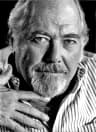
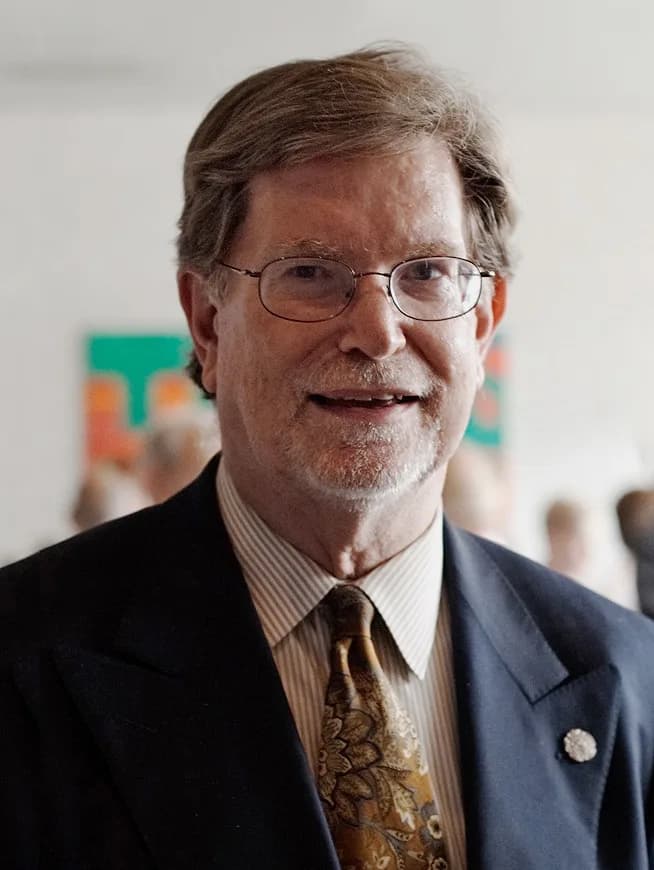
George F. Smoot (1945–2025) was United States best known for American astrophysicist and cosmologist.
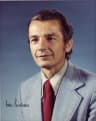
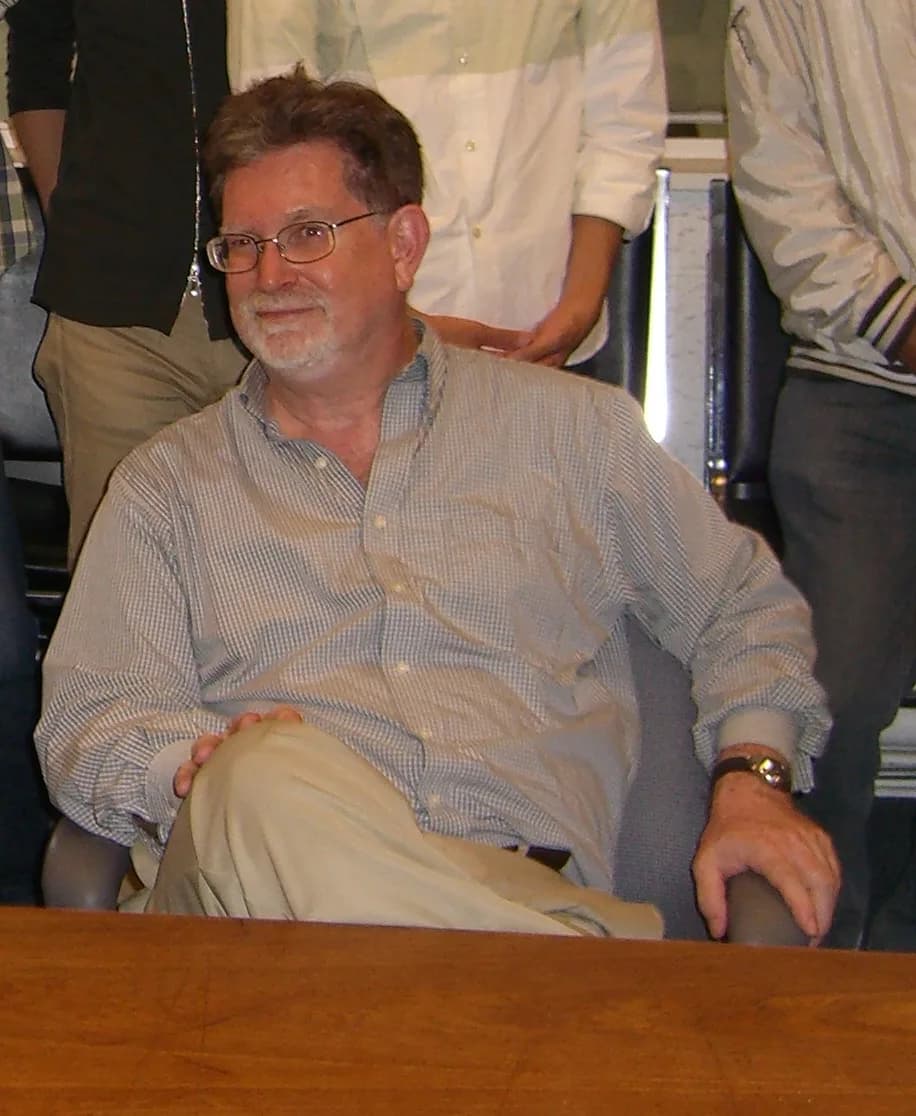
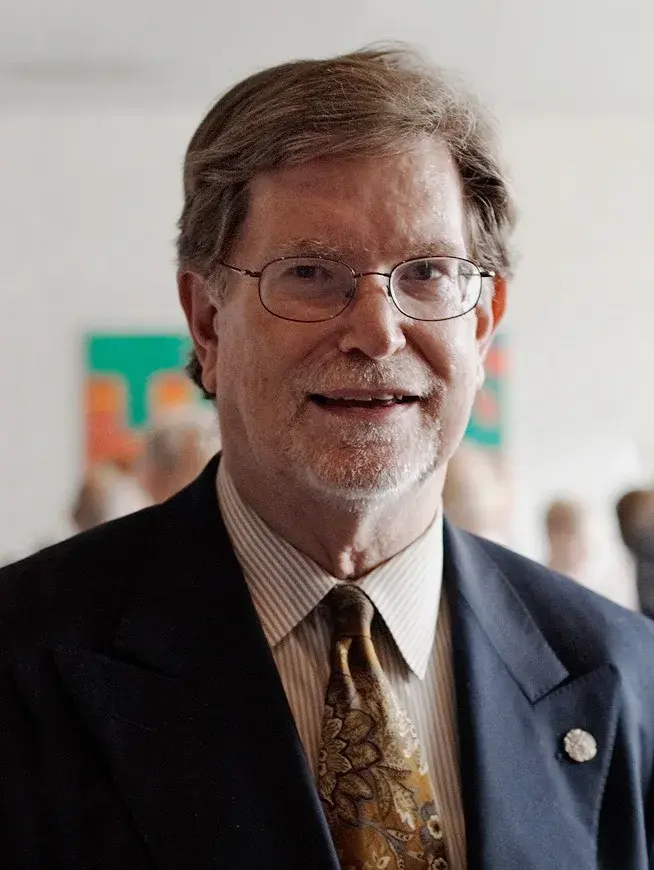
George F. Smoot (February 20, 1945 – September 18, 2025) was an American astrophysicist and cosmologist. He shared the 2006 Nobel Prize in Physics for his discovery of the cosmic microwave background radiation's anisotropy. His work advanced our understanding of the early universe.
Kapitel
Lebenskapitel
Kapitel 1 · 1945· Kapitel 1 von 7
Early Life and Origins
Born on February 20, 1945, George F. Smoot entered the world in Yukon, United States. His early life in the United States laid the foundation for a future dedicated to scientific exploration. The precise details of his upbringing are not widely documented, but it is clear his formative years fostered a keen intellect and curiosity for the cosmos.
Smoot pursued rigorous academic training, becoming proficient in various scientific disciplines. His career would later encompass roles as an astronomer, physicist, astrophysicist, and university teacher. This broad scientific base prepared him for his pioneering work in cosmology.
Kapitel 2· Kapitel 2 von 7
Career Beginnings
Smoot's professional journey began within the scientific community, where he applied his skills as a dedicated physicist and astronomer. His early research focused on intricate questions about the universe's structure and origins. He quickly established himself as a serious and dedicated scientist.
As a university teacher, Smoot also contributed to the education of future scientists. He shared his knowledge and passion for the cosmos with students, shaping the next generation of researchers. This dual role in both research and education highlights his commitment to the advancement of science.
Kapitel 3 · 2006· Kapitel 3 von 7
Major Achievements and Career Highlights
A defining moment in George F. Smoot's career came with his important research into the cosmic microwave background (CMB) radiation. In 2006, he was honored with the Nobel Prize in Physics, which he shared with John C. Mather. This prestigious award recognized their discovery of the black body form and anisotropy of the cosmic microwave background radiation.
Their findings provided crucial evidence supporting the Big Bang theory, revealing tiny temperature fluctuations in the CMB. These anisotropies were the seeds from which galaxies and galaxy clusters eventually formed, offering an unprecedented look into the universe's earliest moments. The Nobel Committee celebrated their work as a significant step in cosmology.
Kapitel 4· Kapitel 4 von 7
Personal Life
While specific details about George F. Smoot’s personal life and family are not provided, his dedication to science was evident throughout his distinguished career. His focus remained firmly on unraveling the mysteries of the universe. This commitment likely shaped his everyday existence and interactions.
His professional journey took him across scientific institutions and international collaborations. Though personal anecdotes are scarce, his professional impact speaks volumes about the individual behind the scientific discoveries.
Kapitel 5· Kapitel 5 von 7
Notable Works or Contributions
George F. Smoot's scientific output included significant academic publications. His h-index of 1 indicates his authorship on several influential papers, with a total of three listed works. These publications contributed to the academic discourse in astrophysics and cosmology.
Among his most cited works is "Анизотропия реликтового излучения: открытие и научное значение" (2007), which garnered 7 citations. Other important contributions include "Характеристики элементов позиционно-чувствительных детекторов на основе перспективных неорганических сцинтилляторов LaBr3:Ce и CeBr3" (2009) and "Нобелевские лекции по физике — 2006" (2007). These publications demonstrate his diverse research interests and commitment to sharing his Nobel insights.
Kapitel 6· Kapitel 6 von 7
Later Years
George F. Smoot continued his work and influence in the scientific community through his later years. His insights remained sought after, and his presence continued to inspire colleagues and aspiring scientists. He witnessed the evolution of the field he helped shape so profoundly.
He passed away on September 18, 2025, in the 7th arrondissement of Paris, France. His passing marked the end of a notable life dedicated to exploring the cosmos, leaving behind a legacy of discovery and intellectual curiosity.
Kapitel 7· Kapitel 7 von 7
Legacy and Impact
The legacy of George F. Smoot is intrinsically linked to his important work on the cosmic microwave background radiation. His discoveries provided direct observational evidence for the Big Bang model, fundamentally altering our understanding of the universe's origin and evolution. He helped cement cosmology as a precision science.
His contributions continue to influence astrophysicists and cosmologists globally, inspiring new generations to explore the universe's deepest secrets. Smoot's work remains a cornerstone of modern cosmology, forever impacting how we perceive our place in the cosmos. His name will always be associated with the monumental steps forward in our knowledge of the early universe.
Ein Leben in Momenten
Die Momente, die ein Leben prägten
FAQ
Häufig gefragt
Wann starb George F. Smoot?
George F. Smoot starb am 18. September 2025 in 7th arrondissement of Paris, France im Alter von 80 Jahren.
Wo wurde George F. Smoot geboren?
George F. Smoot wurde in Yukon, United States am 20. Februar 1945 geboren.
Wofür ist George F. Smoot am bekanntesten?
George F. Smoot ist am bekanntesten für American astrophysicist and cosmologist.
Wie alt war George F. Smoot beim Tod?
George F. Smoot war zum Zeitpunkt des Todes 80 Jahre alt.
Welche Nationalität hatte George F. Smoot?
George F. Smoot stammte aus United States.
Zeitlinie
Leben im Überblick
Fotogalerie
Ein Leben in Bildern
Klicken Sie ein Polaroid an, um es zu vergrößern · 18 Fotos
QR-Code
Diese Biografie teilen
Drucken & Teilen
Scannen Sie, um diese Biografieseite zu besuchen. Drucken Sie sie für Veranstaltungen, Ausstellungen oder Lehrmaterialien.