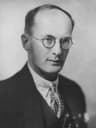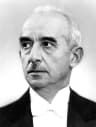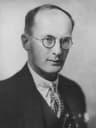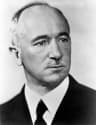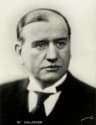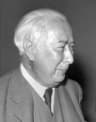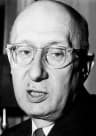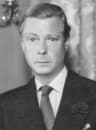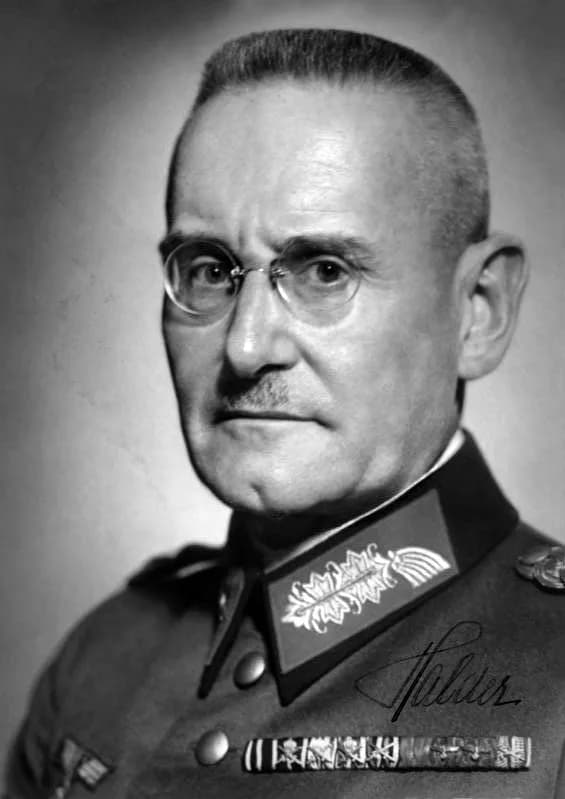
Geboren
June 30, 1884
Würzburg, Germany
Verstorben
April 2, 1972
Aschau im Chiemgau, Germany
Bekannt für
German general
Franz Halder (1884–1972) was Germany best known for German general.
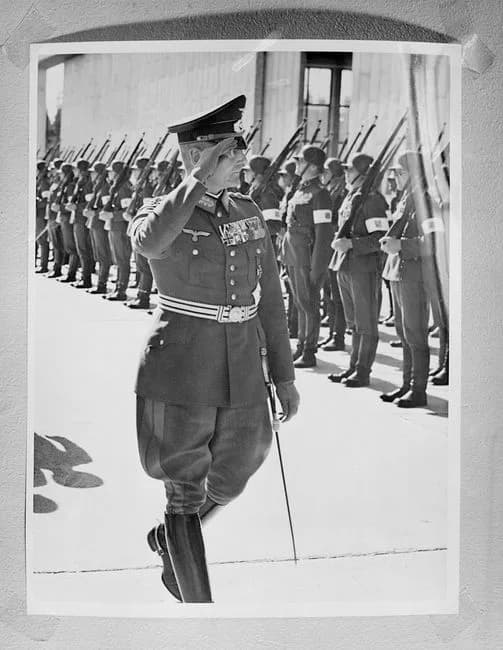
Franz Halder (June 30, 1884 – April 2, 1972) was a German general from Würzburg, Germany. He directed Operation Barbarossa and was instrumental in radicalising Eastern Front warfare, leading to numerous war crimes. After the war, he developed the myth of the clean Wehrmacht.
Kapitel
Lebenskapitel
Kapitel 1 · 1884· Kapitel 1 von 6
Introduction to Franz Halder
Franz Halder (June 30, 1884 – April 2, 1972) was a significant German general, military personnel, writer, and diarist, who served as the chief of staff of the Army High Command (OKH) in Nazi Germany. Born in Würzburg, Germany, his career spanned pivotal moments in 20th-century military history, positioning him at the center of strategic decision-making during World War II. Halder's influence was particularly felt in the planning and execution of major military campaigns on the Eastern Front.
Kapitel 2 · 1884· Kapitel 2 von 6
Early Life and Origins
Born on June 30, 1884, in Würzburg, Germany, Franz Halder entered a nation with a rich military tradition. Details of his early family life and specific upbringing are not provided in depth, but his eventual rise through the military ranks suggests a disciplined education and early entry into soldiering. His birthplace in Bavaria, a region deeply intertwined with German history, would have provided a backdrop to his initial experiences and professional development.
Kapitel 3 · 1938· Kapitel 3 von 6
Career Beginnings and Rise to Prominence
Halder embarked on a career in the German military, steadily advancing through various positions due to his strategic acumen and organizational skills. His early professional life as a soldier laid the foundation for his future leadership roles within the armed forces. By 1938, his capabilities were recognized at the highest levels, leading to his appointment as the chief of staff of the Army High Command (OKH), a critical administrative and strategic role within Nazi Germany's military structure.
Kapitel 4 · 1938· Kapitel 4 von 6
Major Responsibilities and Wartime Decisions
As chief of staff of the OKH from 1938 until September 1942, Franz Halder held immense responsibility for German military strategy. He directed the detailed planning and subsequent implementation of Operation Barbarossa, the monumental 1941 invasion of the Soviet Union. This massive undertaking represented a significant turning point in World War II, marking a period of intense and brutal warfare on the Eastern Front.
Halder became instrumental in the radicalisation of warfare tactics on the Eastern Front. He oversaw the drafting of both the Commissar Order and the Barbarossa decree by his staff, orders that explicitly allowed German soldiers to execute Soviet citizens for virtually any reason. These decrees fundamentally altered the conduct of war, removing the fear of later prosecution for German soldiers involved in such actions. Consequently, these policies contributed directly to numerous documented war crimes and atrocities committed throughout the Eastern campaign, shaping the brutal reality of the conflict.
Kapitel 5· Kapitel 5 von 6
Notable Literary Contributions
Beyond his military duties, Franz Halder was also known as a writer and diarist. His written work provided insights into the German military leadership's perspective during the war years. One of his notable works is titled Hitler als Feldherr, translated as Hitler as war lord. This publication reflects his unique position to observe and comment on the leadership dynamics and strategic decisions of the era, offering a valuable historical perspective from a key participant.
Kapitel 6 · 1942· Kapitel 6 von 6
Later Years, Post-War Influence, and Legacy
After his removal from the chief of staff position in September 1942, Halder’s direct influence on wartime operations diminished. Following World War II, Franz Halder played a decisive role in the development and propagation of the myth of the clean Wehrmacht. This narrative sought to distance the regular German armed forces from the atrocities committed during the war, particularly on the Eastern Front.
Halder passed away on April 2, 1972, in Aschau im Chiemgau, Germany, at the age of 87. His legacy remains complex, marked by his significant strategic contributions to the German war effort and his undeniable involvement in the formulation of directives that sanctioned widespread violence. His later efforts to shape post-war historical perception further contribute to the ongoing discussion of his role in 20th-century history.
Ein Leben in Momenten
Die Momente, die ein Leben prägten
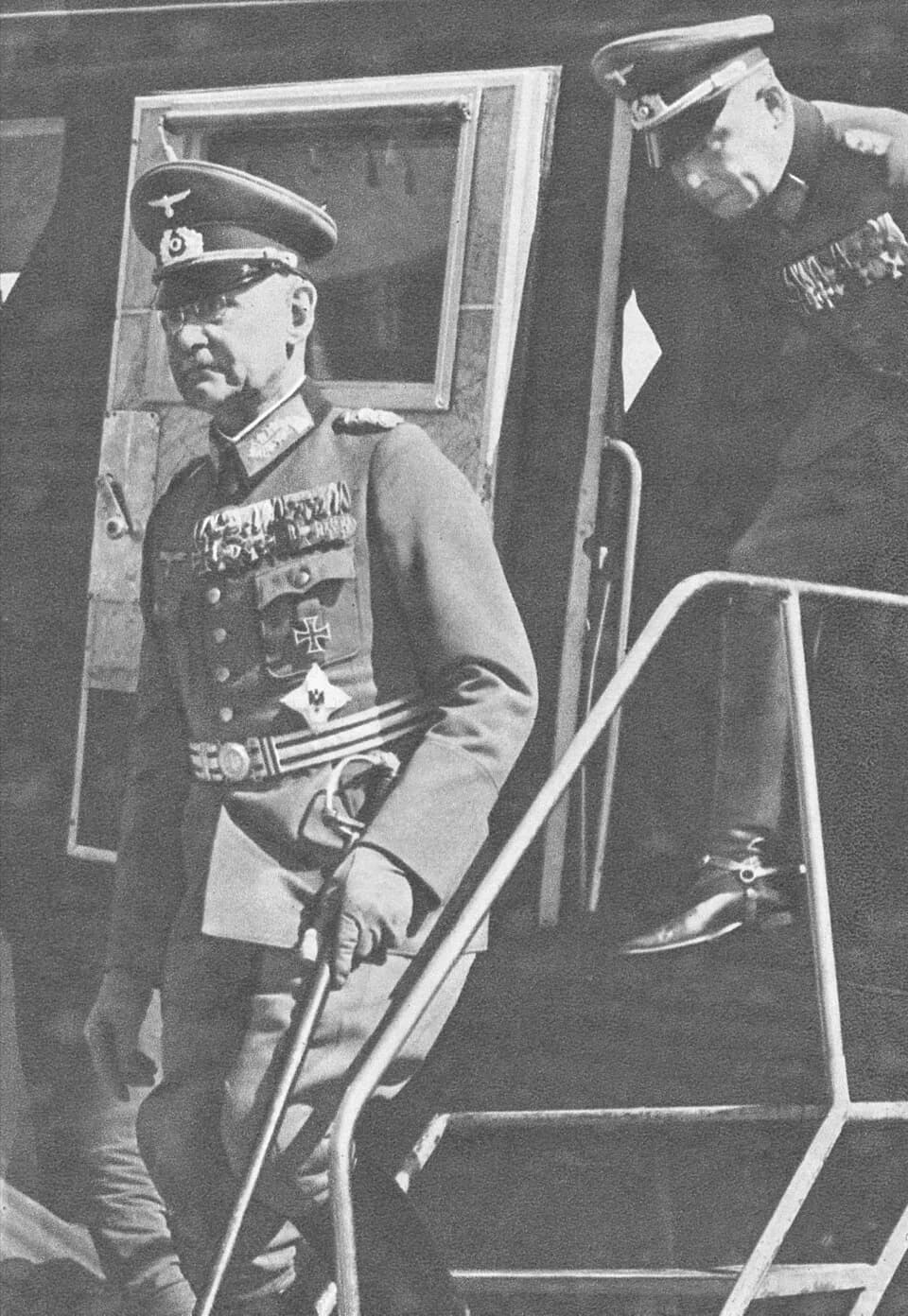
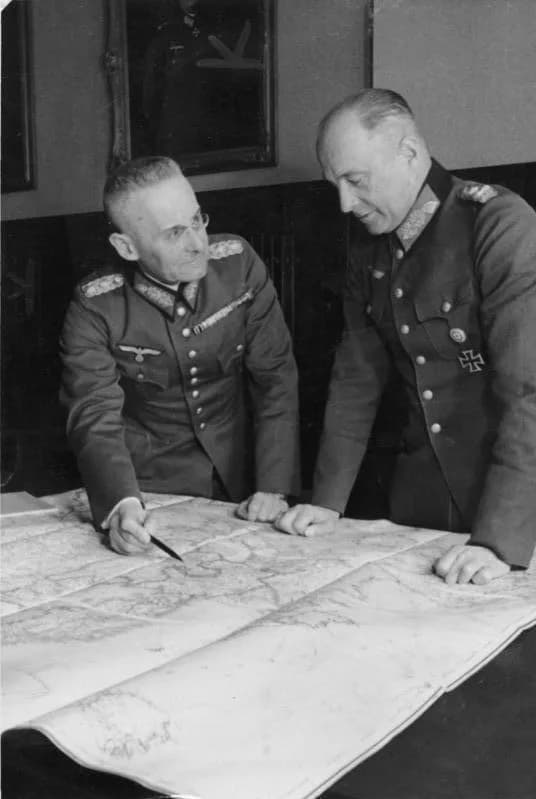
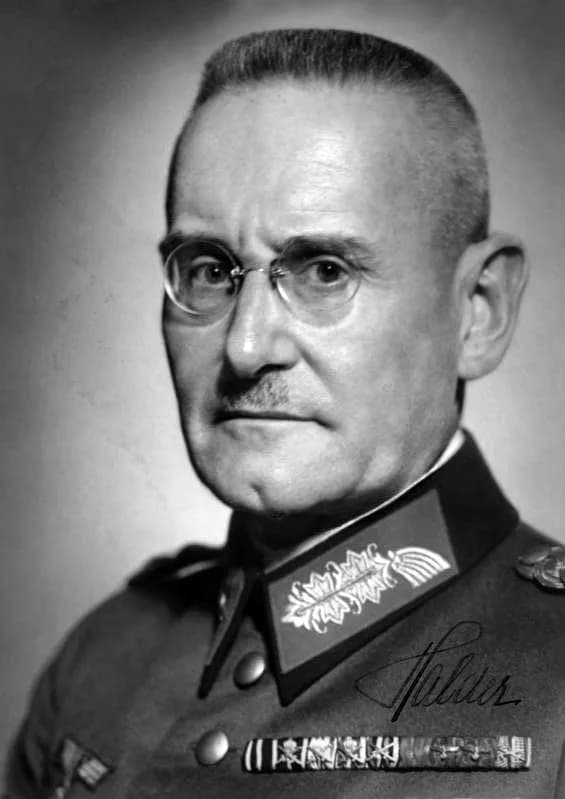
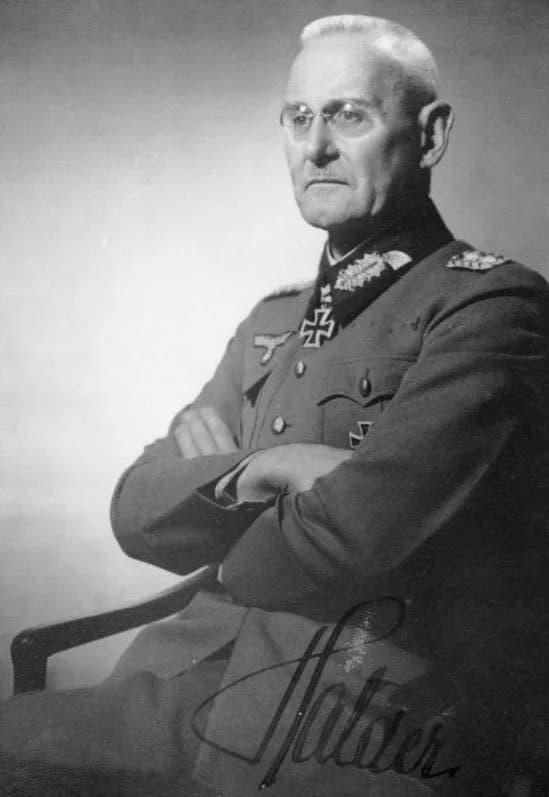
FAQ
Häufig gefragt
Wann starb Franz Halder?
Franz Halder starb am 2. April 1972 in Aschau im Chiemgau, Germany im Alter von 87 Jahren.
Wo wurde Franz Halder geboren?
Franz Halder wurde in Würzburg, Germany am 30. Juni 1884 geboren.
Wofür ist Franz Halder am bekanntesten?
Franz Halder ist am bekanntesten für German general.
Wie alt war Franz Halder beim Tod?
Franz Halder war zum Zeitpunkt des Todes 87 Jahre alt.
Welche Nationalität hatte Franz Halder?
Franz Halder stammte aus Germany.
Zeitlinie
Leben im Überblick
Fotogalerie
Ein Leben in Bildern
Klicken Sie ein Polaroid an, um es zu vergrößern · 24 Fotos
QR-Code
Diese Biografie teilen
Drucken & Teilen
Scannen Sie, um diese Biografieseite zu besuchen. Drucken Sie sie für Veranstaltungen, Ausstellungen oder Lehrmaterialien.