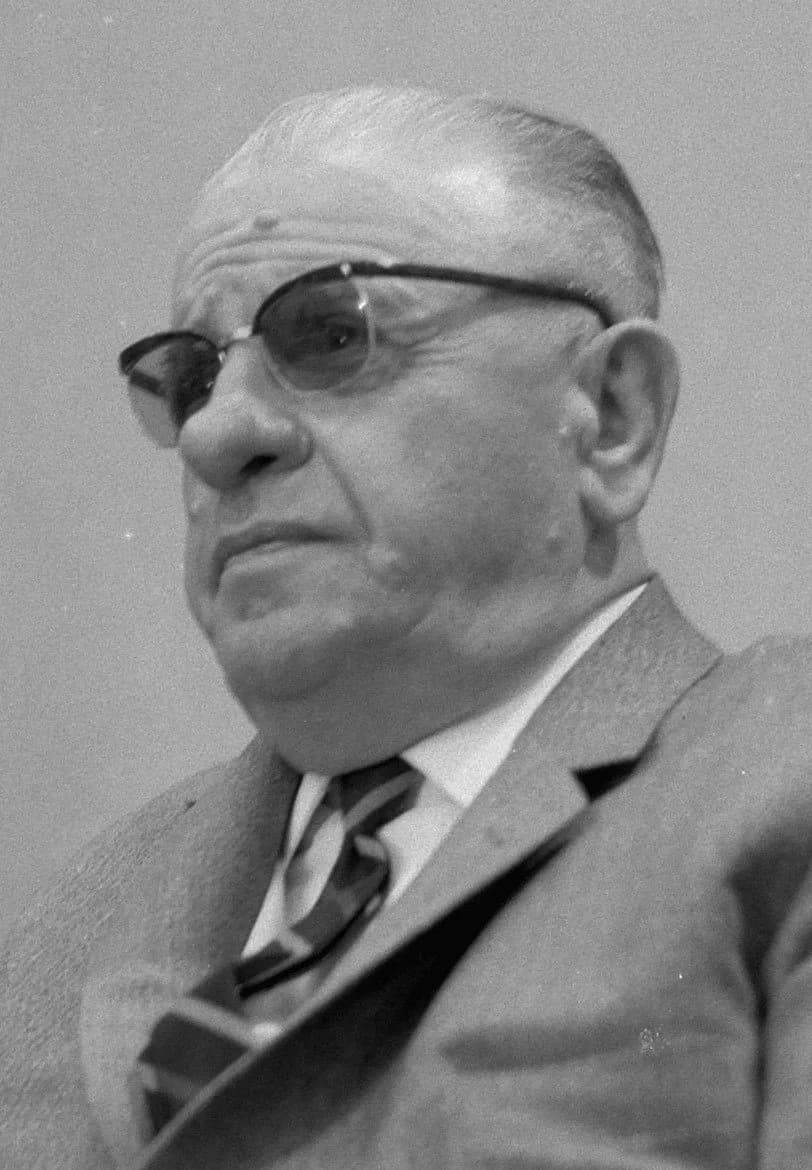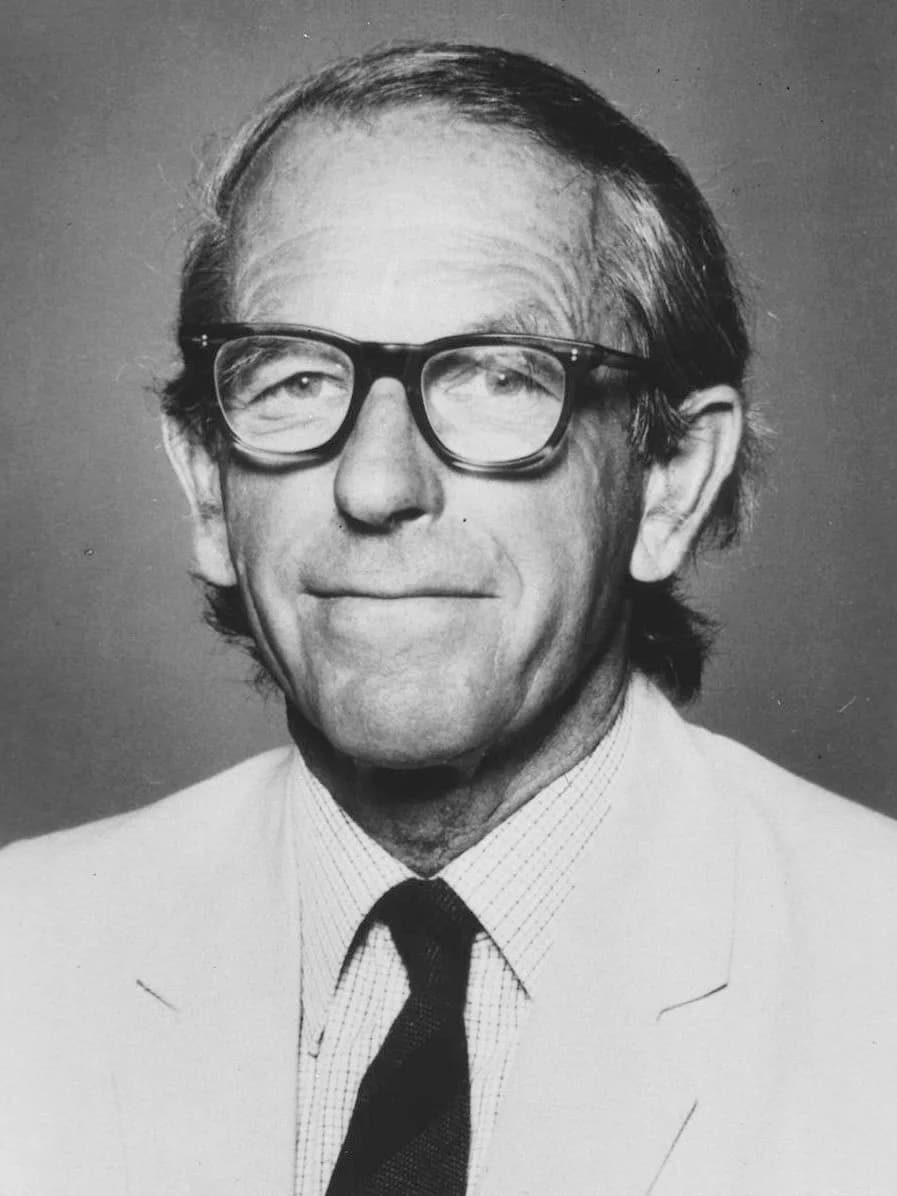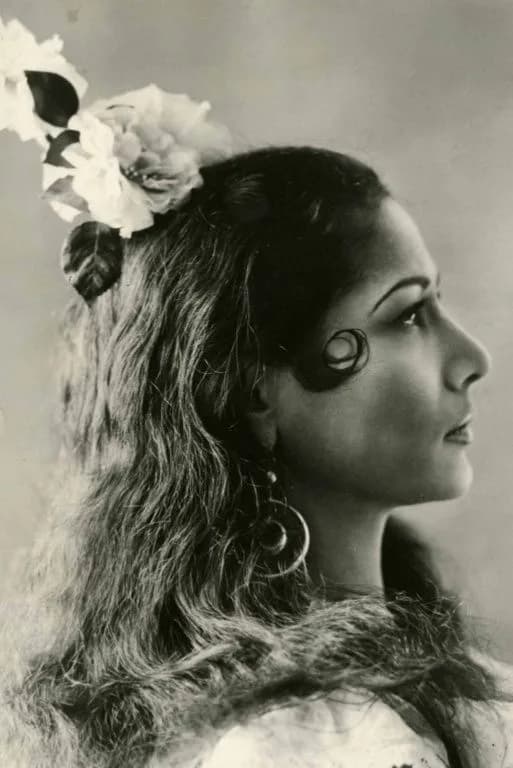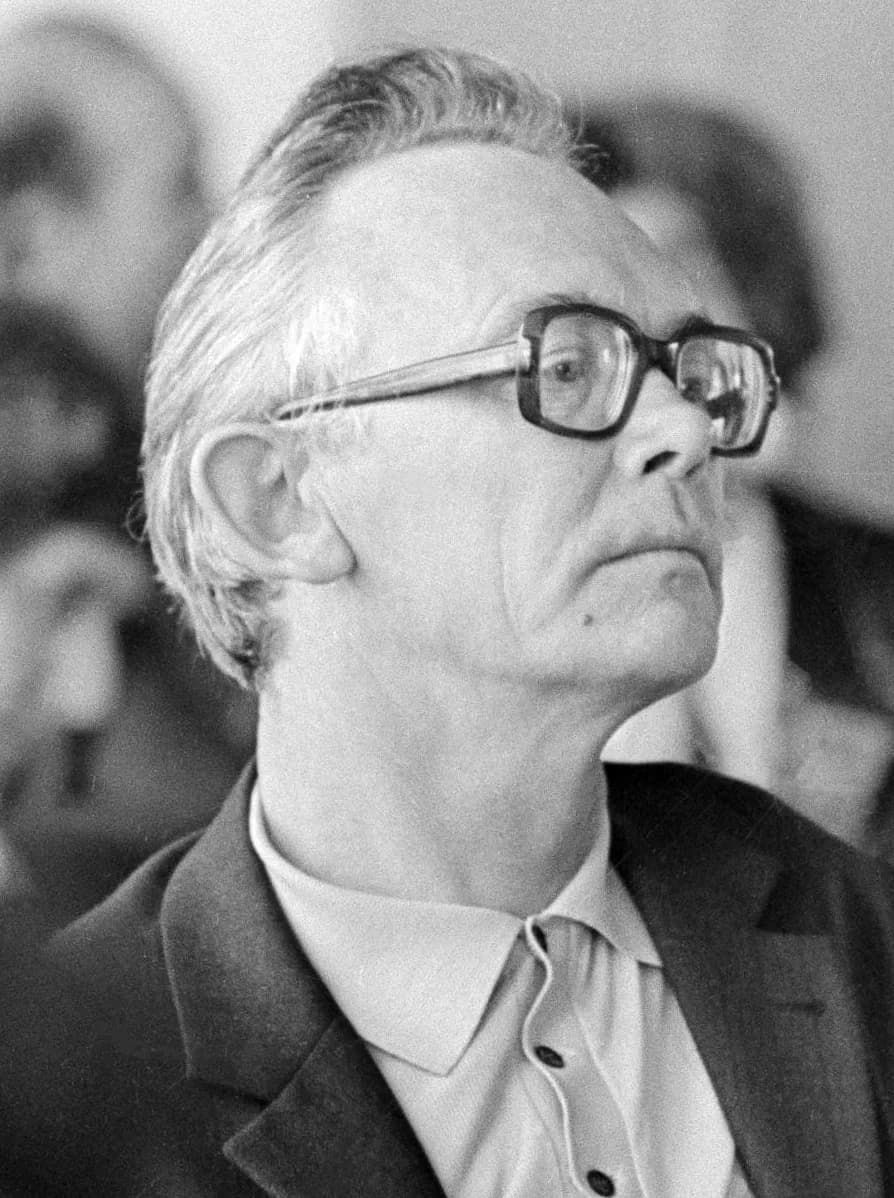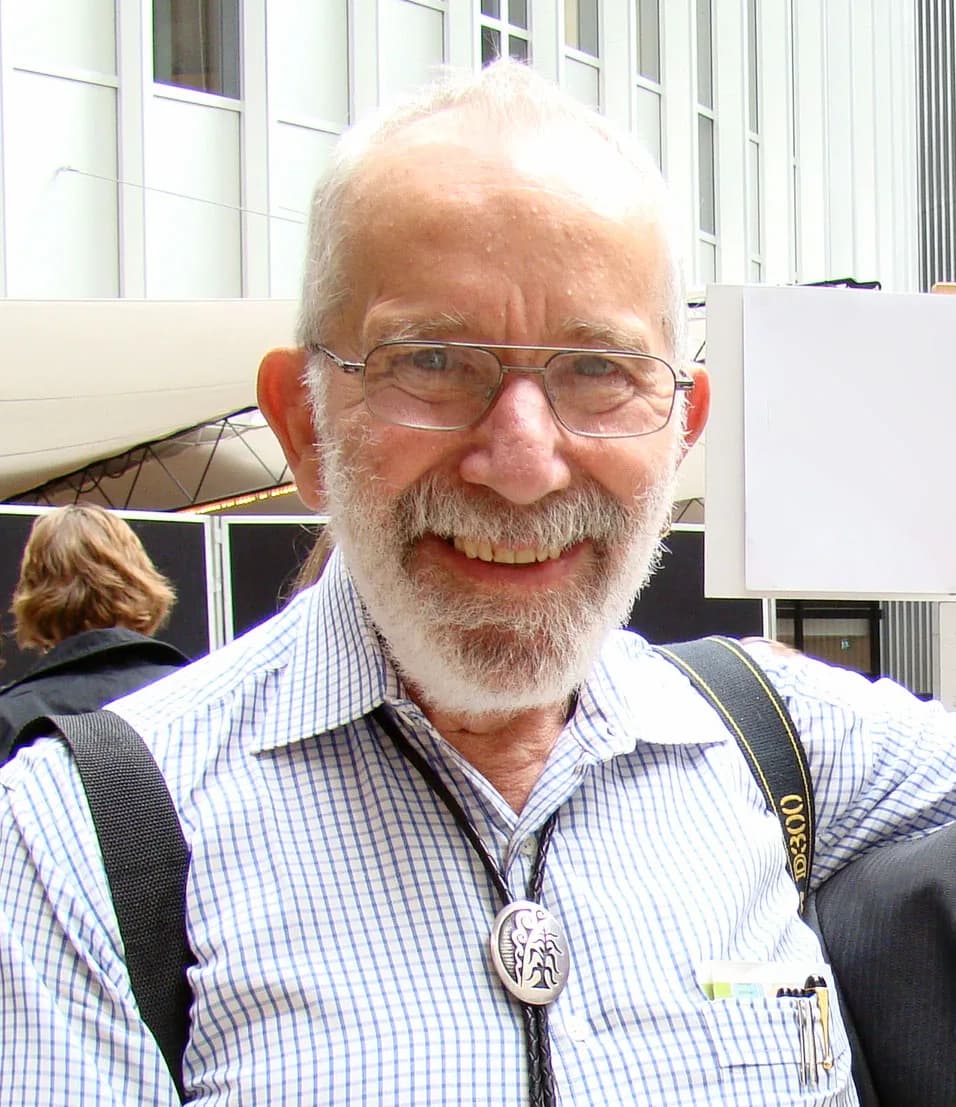
Geboren
June 11, 1922
Mannville, Canada
Verstorben
November 19, 1982
Philadelphia, United States
Bekannt für
Canadian-American sociologist
Erving Goffman (1922–1982) was Canada best known for Canadian-American sociologist.
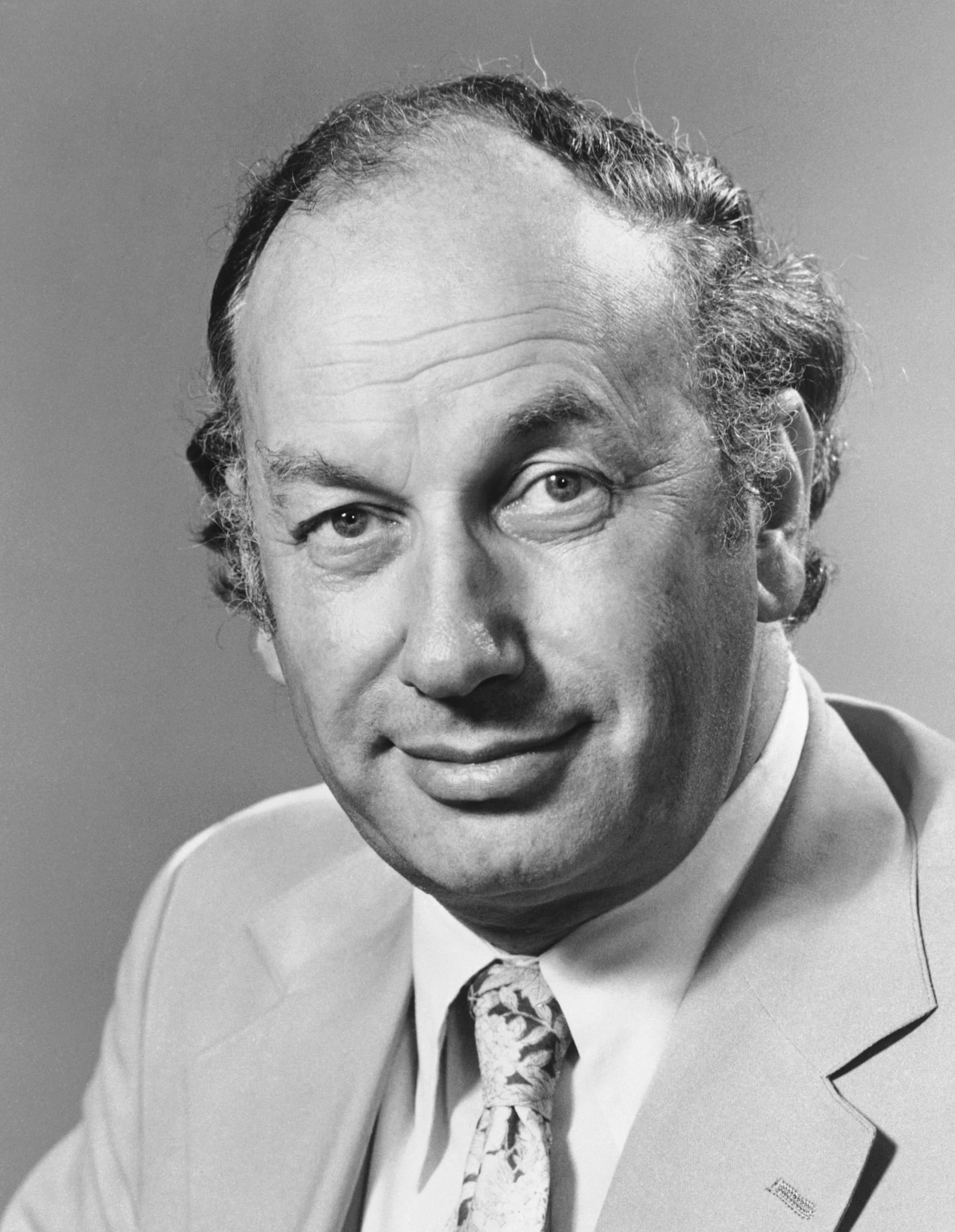
Erving Goffman (June 11, 1922 – November 19, 1982) was a Canadian-American sociologist, social psychologist, and writer from Mannville, Canada. He is widely considered one of the twentieth century's most influential sociologists, known for his seminal work on social interaction and total institutions. His theories profoundly shaped the study of human behavior.
Ein Leben in Momenten
Die Momente, die ein Leben prägten





Kapitel
Lebenskapitel
Kapitel 1 · 1922· Kapitel 1 von 6
Early Life and Origins
Erving Goffman was born on June 11, 1922, in Mannville, Canada. His formative years in Canada established the groundwork for a life dedicated to observing and analyzing societal structures and individual roles within them. These early experiences likely influenced his unique perspective on social life.
Kapitel 2· Kapitel 2 von 6
Career Beginnings
Goffman embarked on a distinguished academic and writing career that cemented his status as a leading intellectual figure. He quickly established himself within the fields of sociology and anthropology. His initial inquiries began to question conventional understandings of how individuals present themselves and interact within social settings.
Kapitel 3· Kapitel 3 von 6
Major Achievements and Career Highlights
Throughout his career, Erving Goffman earned recognition as a sociologist, anthropologist, and non-fiction writer. He became celebrated for his original contributions to social theory. His rigorous analytical approach provided fresh ways to understand everyday human interactions.
Goffman's work spanned several decades, solidifying his reputation as a scholar who consistently pushed the boundaries of sociological thought. His insights into social psychology and the subtle dynamics of human behavior distinguished him from many contemporaries. He crafted a compelling body of work that continues to resonate with researchers and students today.
Kapitel 4· Kapitel 4 von 6
Notable Works or Contributions
Among Erving Goffman's most celebrated publications is "The Presentation of Self in Everyday Life," a seminal text exploring dramaturgical analysis. This work introduced the concept of individuals performing various roles in social situations, akin to actors on a stage. It offered a detailed framework for understanding how people manage impressions during interaction.
Another significant contribution was "Asylums: Essays on the Social Situation of Mental Patients and Other Inmates," which provided an in-depth look at "total institutions." This book meticulously documented the experiences of individuals living within highly structured environments like mental hospitals and prisons. Goffman's examination revealed the profound impact such institutions have on personal identity and social conduct.
His bibliography also includes other important works such as "Strategic Interaction," which analyzed the ways individuals anticipate and respond to the actions of others, and "Frame Analysis," exploring how people define situations and make sense of their experiences. Additionally, works like "Sṭigmah" (Stigma: Notes on the Management of Spoiled Identity) examined the management of a spoiled identity. His academic output included papers like "Footing" (2021, 149 citations), demonstrating his continued relevance, and earlier works like "Všichni hrajeme divadlo :sebeprezentace v každodenním životě" (1999, 24 citations) and "Stigma :poznámky k problému zvládání narušené identity" (2003, 13 citations), contributing to an h-index of 3 across 3 papers.
Kapitel 5 · 1982· Kapitel 5 von 6
Later Years
Erving Goffman's impactful life concluded on November 19, 1982, in Philadelphia, United States. His passing marked the end of a prolific career dedicated to uncovering the intricacies of social life. Despite his death, his intellectual presence continued to shape academic discourse.
Kapitel 6· Kapitel 6 von 6
Legacy and Impact
Erving Goffman's legacy as a sociologist is enduring and far-reaching. His theories on social interaction, impression management, and institutional life continue to be foundational texts in sociology, social psychology, and communications studies. He provided invaluable tools for understanding the everyday performances that shape human experience.
His unique perspective encouraged generations of scholars to observe and analyze social phenomena with greater precision and empathy. Goffman's work remains a vital reference point for anyone seeking to comprehend the nuanced ways in which individuals construct and negotiate their social realities. His influence ensures his memory lives on through the continued study and application of his ground-breaking ideas.
FAQ
Häufig gefragt
Wann starb Erving Goffman?
Erving Goffman starb am 19. November 1982 in Philadelphia, United States im Alter von 60 Jahren.
Wo wurde Erving Goffman geboren?
Erving Goffman wurde in Mannville, Canada am 11. Juni 1922 geboren.
Wofür ist Erving Goffman am bekanntesten?
Erving Goffman ist am bekanntesten für Canadian-American sociologist.
Wie alt war Erving Goffman beim Tod?
Erving Goffman war zum Zeitpunkt des Todes 60 Jahre alt.
Welche Nationalität hatte Erving Goffman?
Erving Goffman stammte aus Canada.
Zeitlinie
Leben im Überblick
Fotogalerie
Ein Leben in Bildern
Klicken Sie ein Polaroid an, um es zu vergrößern · 5 Fotos
QR-Code
Diese Biografie teilen
Drucken & Teilen
Scannen Sie, um diese Biografieseite zu besuchen. Drucken Sie sie für Veranstaltungen, Ausstellungen oder Lehrmaterialien.