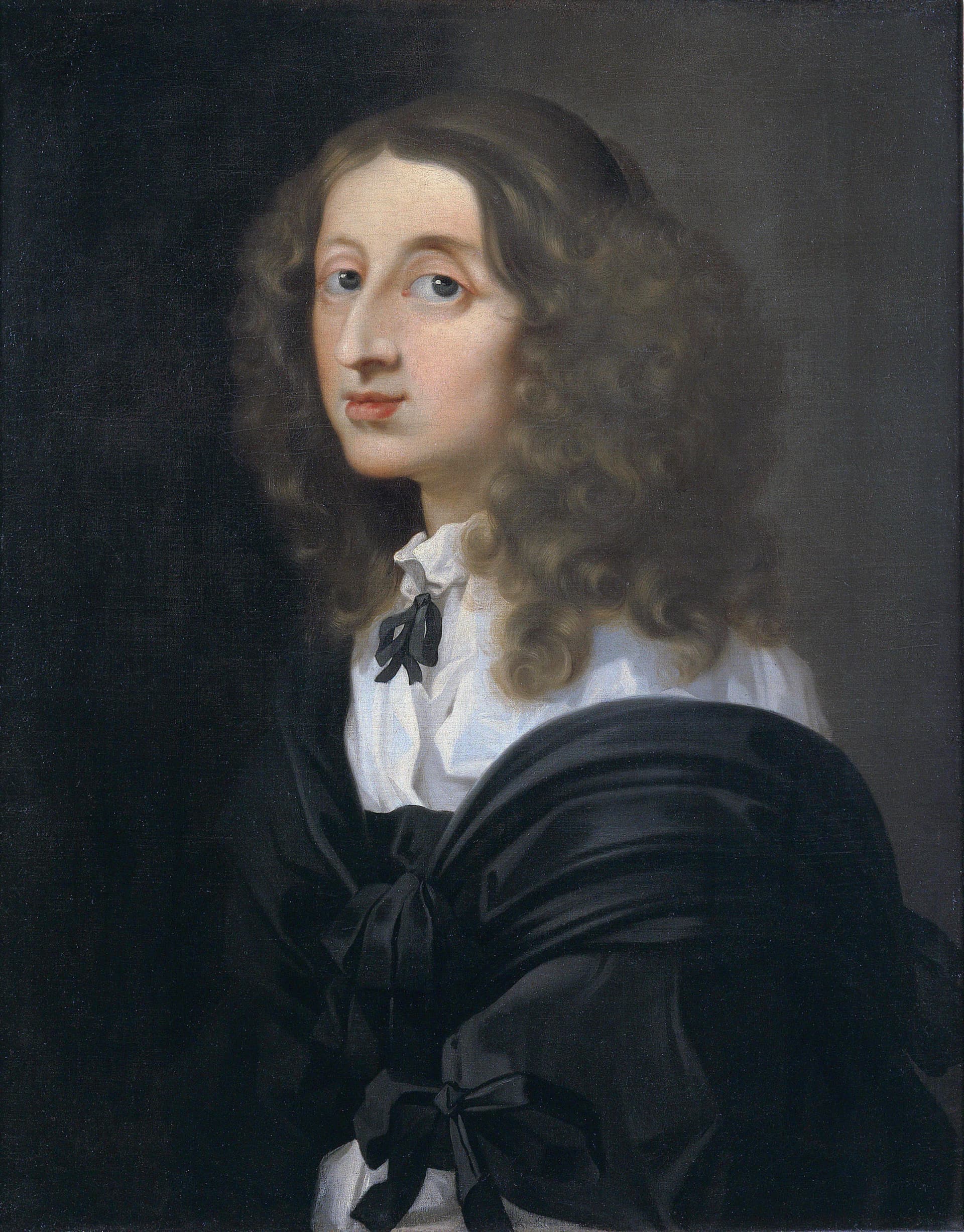
Geboren
December 7, 1626
Stockholm, Sweden
Verstorben
April 19, 1689
Rome, Italy
Bekannt für
Queen of Sweden, ruled from 1632 until abdication in 1654
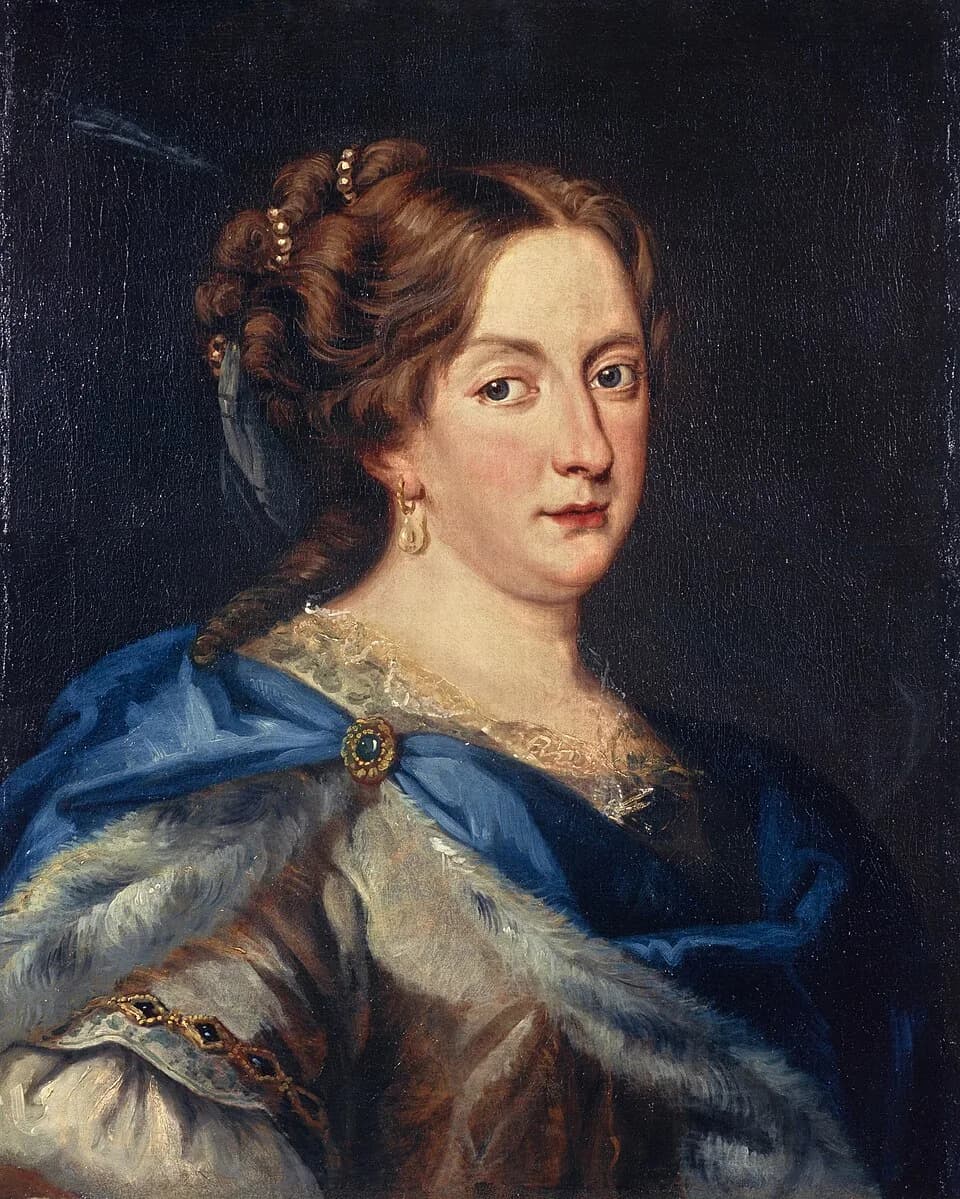
Christina of Sweden (1626–1689) was Sweden best known for Queen of Sweden, ruled from 1632 until abdication in 1654.
Christina of Sweden (December 7, 1626 – April 19, 1689) was a monarch, writer, and philosopher from Stockholm, Sweden. She reigned as Queen from 1632 until her abdication in 1654, driven by her conversion to Catholicism and refusal to marry. Her intellectual pursuits in Rome marked a unique chapter.
Kapitel
Lebenskapitel
Kapitel 1 · 1626· Kapitel 1 von 6
Early Life and Origins
Christina's journey began in the royal palace of Stockholm, Sweden, on December 7, 1626, marking her birth into the esteemed House of Vasa. This powerful dynastic family had long governed Sweden, making her destiny as a future monarch clear from her earliest days. Her upbringing was meticulously structured to cultivate a sharp intellect and a deep understanding of governance, preparing her for the significant responsibilities she would one day inherit as sovereign. The early years of Christina's life were steeped in the traditions and expectations of European royalty, even as she exhibited an independent spirit, receiving an education far exceeding that typically afforded to women of her era.
Kapitel 2 · 1632· Kapitel 2 von 6
Career Beginnings
Christina formally ascended to the Swedish throne in 1632, beginning her reign as Queen at a remarkably young age. This marked the commencement of her direct involvement in the intricate political and cultural landscape of 17th-century Sweden. Despite her youth, she quickly demonstrated a keen intellect and a determined approach to leadership, navigating the complexities of European power dynamics. From 1632 onward, her career as Queen saw her at the helm of a dynamic kingdom, fostering a vibrant court culture where intellectual and artistic endeavors found considerable support.
Kapitel 3 · 1632· Kapitel 3 von 6
Major Achievements and Career Highlights
A central period of Christina's life was her reign as Queen of Sweden, which spanned from 1632 to 1654. During these two decades, she became known for her patronage of learning and her active participation in the intellectual life of her court, attracting scholars and artists from across Europe. Her influence during this time extended far beyond political decisions, encompassing cultural and academic advancements within Sweden.
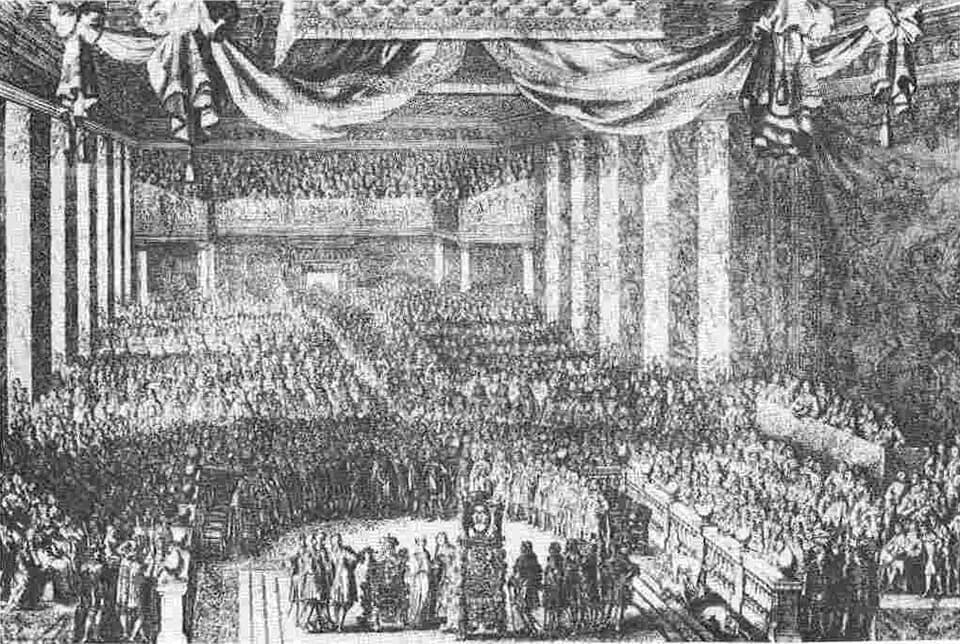
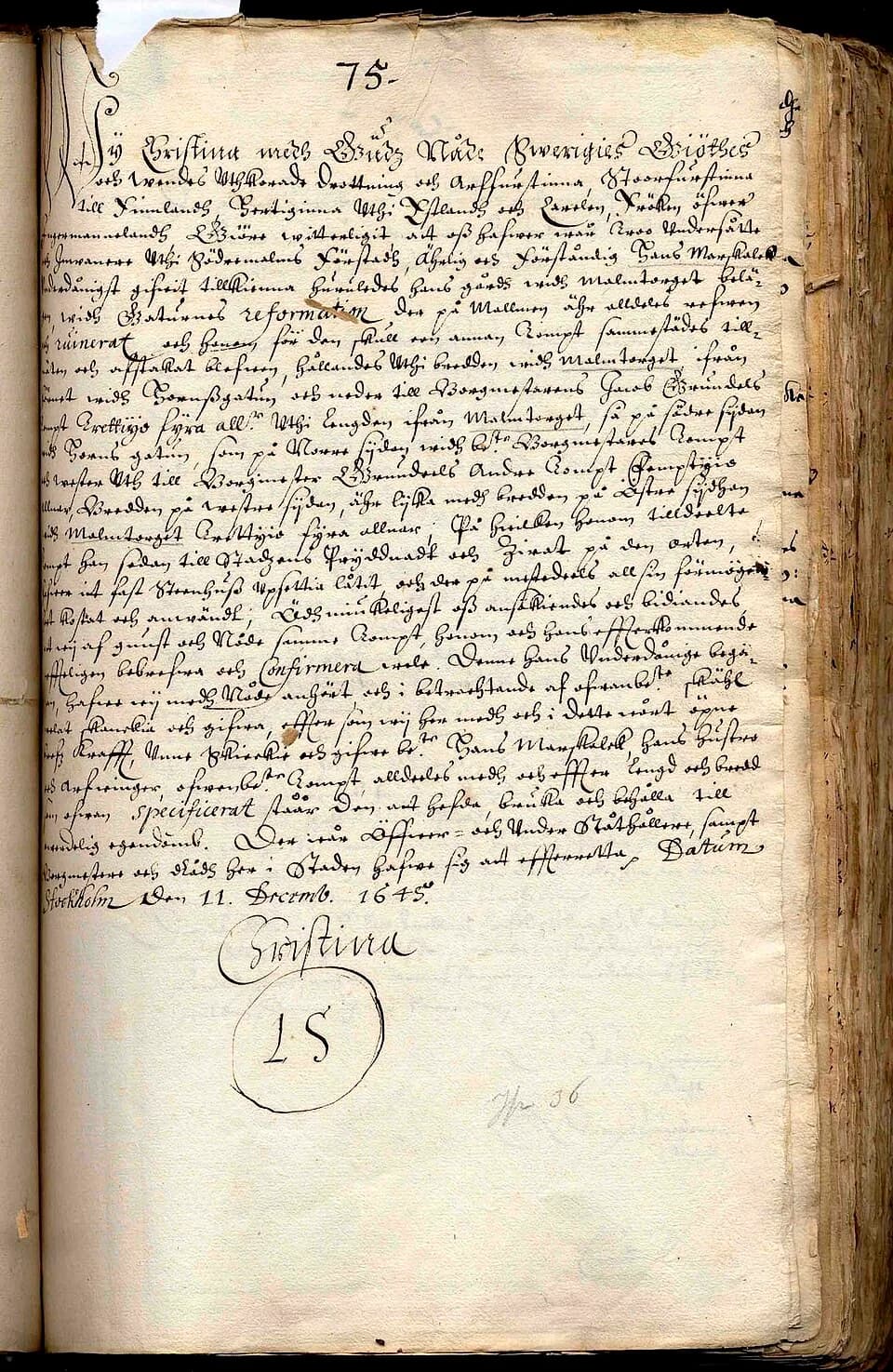
The most defining and audacious act of Christina’s career was her abdication from the Swedish throne in 1654. This decision was driven by two deeply personal and intertwined motivations: her profound conversion to Catholicism and her unwavering refusal to enter into marriage. In a predominantly Protestant Sweden, her religious conviction represented a radical departure from royal expectation, compelling her to relinquish power and forge a new, unconventional path for herself.
Kapitel 4· Kapitel 4 von 6
Personal Life and Intellectual Pursuits
Christina's personal life was largely shaped by her refusal to marry, a stance that diverged sharply from the expected role of a queen in the 17th century. This personal choice, alongside her conversion to Catholicism, ultimately led to her abdication and subsequent relocation to Rome. It allowed her the freedom to intensely pursue her diverse intellectual and artistic interests without the political or dynastic pressures of marriage, a liberation that profoundly influenced her later years.
Her dedication to learning and creative expression was a hallmark of her existence. Christina immersed herself as a writer, articulating her thoughts and observations on a wide array of subjects, engaging with the intellectual currents of her time. She also explored her artistic inclinations as a painter, demonstrating a direct engagement with the creative process that set her apart from many royal contemporaries. Furthermore, her discerning eye and passion for beauty established her as a significant art collector, enabling her to curate and influence artistic tastes by acquiring important works.
Her profound engagement with philosophy offered her another vibrant avenue for intellectual exploration, and she cultivated a reputation as a thoughtful scholar. Christina often hosted and engaged with leading philosophers of her time, fostering environments where scholarly exchange could thrive. This commitment to intellectual dialogue and inquiry defined a substantial part of her personal identity, reflecting a mind constantly seeking knowledge and understanding beyond the confines of traditional monarchical duties, cementing her reputation as a formidable intellectual.
Kapitel 5 · 1654· Kapitel 5 von 6
Later Years
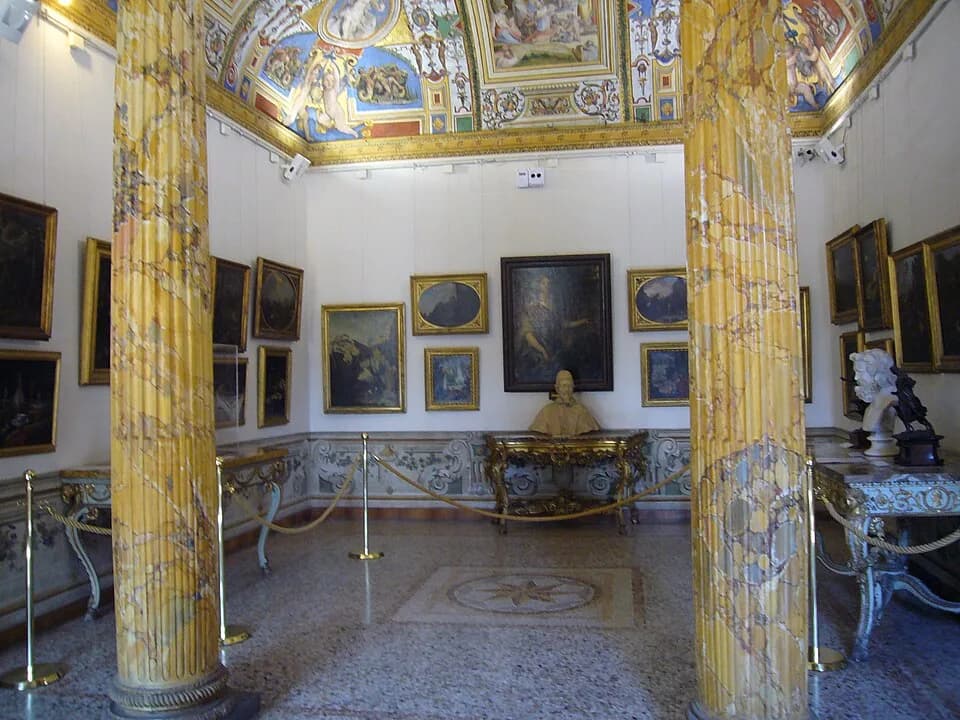
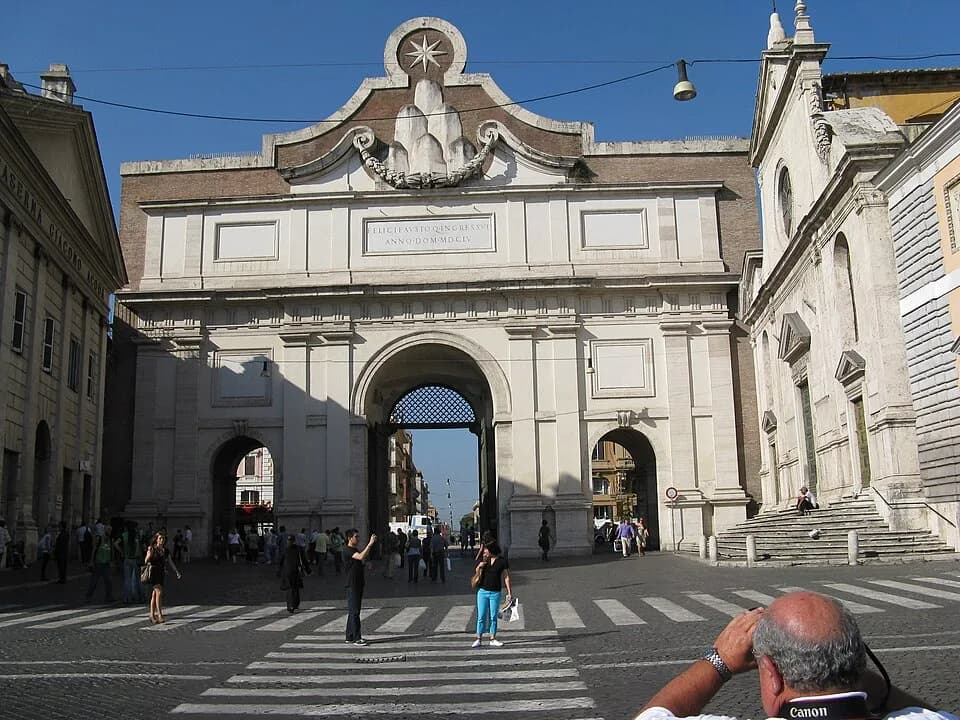
Following her monumental abdication in 1654, Christina of Sweden embarked on a new chapter of her life, making the significant relocation to Rome, Italy. This move represented a dramatic shift from her former life as a reigning queen in Protestant Sweden to a prominent cultural and intellectual figure within the heart of Catholic Europe. Her decision to reside in Rome was central to establishing her new identity, now free from the strictures of her former crown and embracing a life of independent scholarship and patronage.
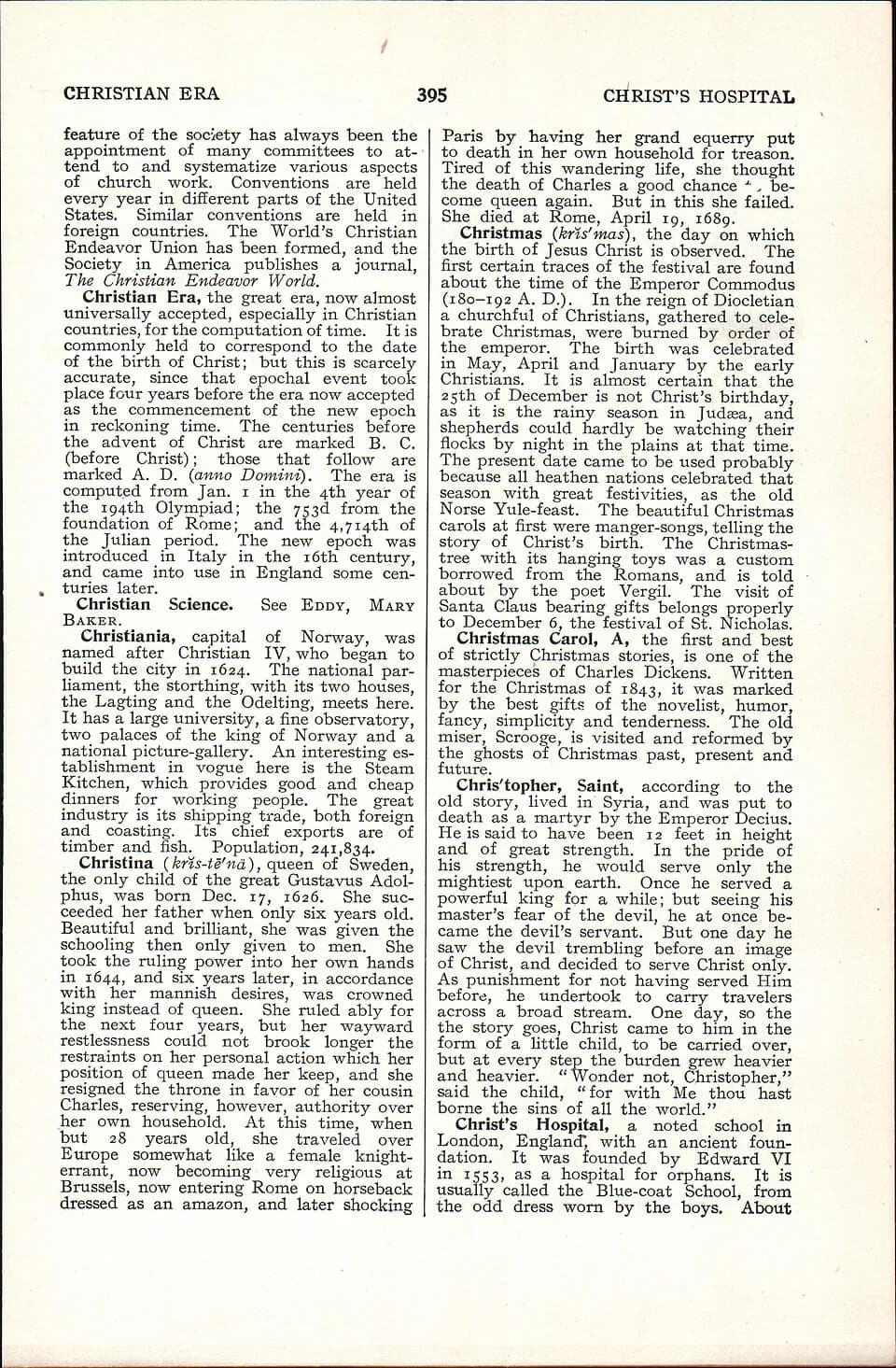
Her final decades were spent productively in Rome, where she continued to thrive as a writer, an enthusiastic art collector, and a devoted philosopher. She immersed herself in the vibrant cultural life of the city, becoming a central figure in its intellectual salons and artistic circles. Christina of Sweden passed away in Rome, Italy, on April 19, 1689, concluding a life marked by profound transformations and an unwavering commitment to personal conviction and intellectual freedom, a journey that began in Stockholm in 1626.
Kapitel 6 · 1654· Kapitel 6 von 6
Legacy and Impact
Christina of Sweden's legacy is prominently defined by her unprecedented decision to abdicate her throne in 1654, a move that showcased her profound commitment to individual conviction over monarchical duty. This act made her an enduring symbol of a ruler prioritizing personal freedom, religious belief, and intellectual pursuit over dynastic continuity. Her courageous choice continues to be studied as a unique moment in European royal history, demonstrating a radical form of self-determination that inspired subsequent generations.
Her impact also resonates through her extensive contributions as a patron and practitioner of the arts and philosophy. By embracing the roles of a writer, painter, art collector, and philosopher, Christina actively shaped and enriched the cultural and intellectual landscape of the 17th century, drawing scholars and artists to her orbit. Her establishment in Rome, Italy, as a hub for cultural exchange further solidified her international influence, transforming her into a truly global figure in the world of ideas and art.
Christina's life, stretching from her birth in Stockholm, Sweden, on December 7, 1626, to her death in Rome, Italy, on April 19, 1689, offers a compelling narrative of a queen who defied societal and royal expectations. She forged a path where intellectual curiosity and personal autonomy became paramount, leaving a lasting mark as a monarch who dared to choose a life of scholarship and art over the throne. Her story continues to inspire and challenge perceptions of leadership and individual purpose, marking her as a truly singular figure in European history.
Ein Leben in Momenten
Die Momente, die ein Leben prägten
FAQ
Häufig gefragt
Wann starb Christina of Sweden?
Christina of Sweden starb am 19. April 1689 in Rome, Italy im Alter von 62 Jahren.
Wo wurde Christina of Sweden geboren?
Christina of Sweden wurde in Stockholm, Sweden am 7. Dezember 1626 geboren.
Wofür ist Christina of Sweden am bekanntesten?
Christina of Sweden ist am bekanntesten für Queen of Sweden, ruled from 1632 until abdication in 1654.
Wie alt war Christina of Sweden beim Tod?
Christina of Sweden war zum Zeitpunkt des Todes 62 Jahre alt.
Welche Nationalität hatte Christina of Sweden?
Christina of Sweden stammte aus Sweden.
Zeitlinie
Leben im Überblick
Fotogalerie
Ein Leben in Bildern
Klicken Sie ein Polaroid an, um es zu vergrößern · 50 Fotos
QR-Code
Diese Biografie teilen
Drucken & Teilen
Scannen Sie, um diese Biografieseite zu besuchen. Drucken Sie sie für Veranstaltungen, Ausstellungen oder Lehrmaterialien.