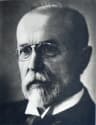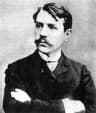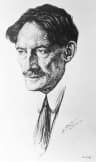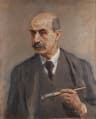
Geboren
August 26, 1850
Paris, France
Verstorben
December 4, 1935
Paris, France
Bekannt für
French physiologist and parapsychologist
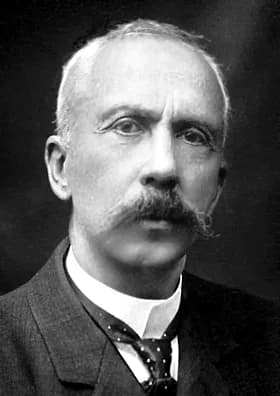
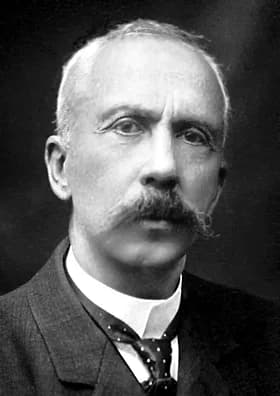
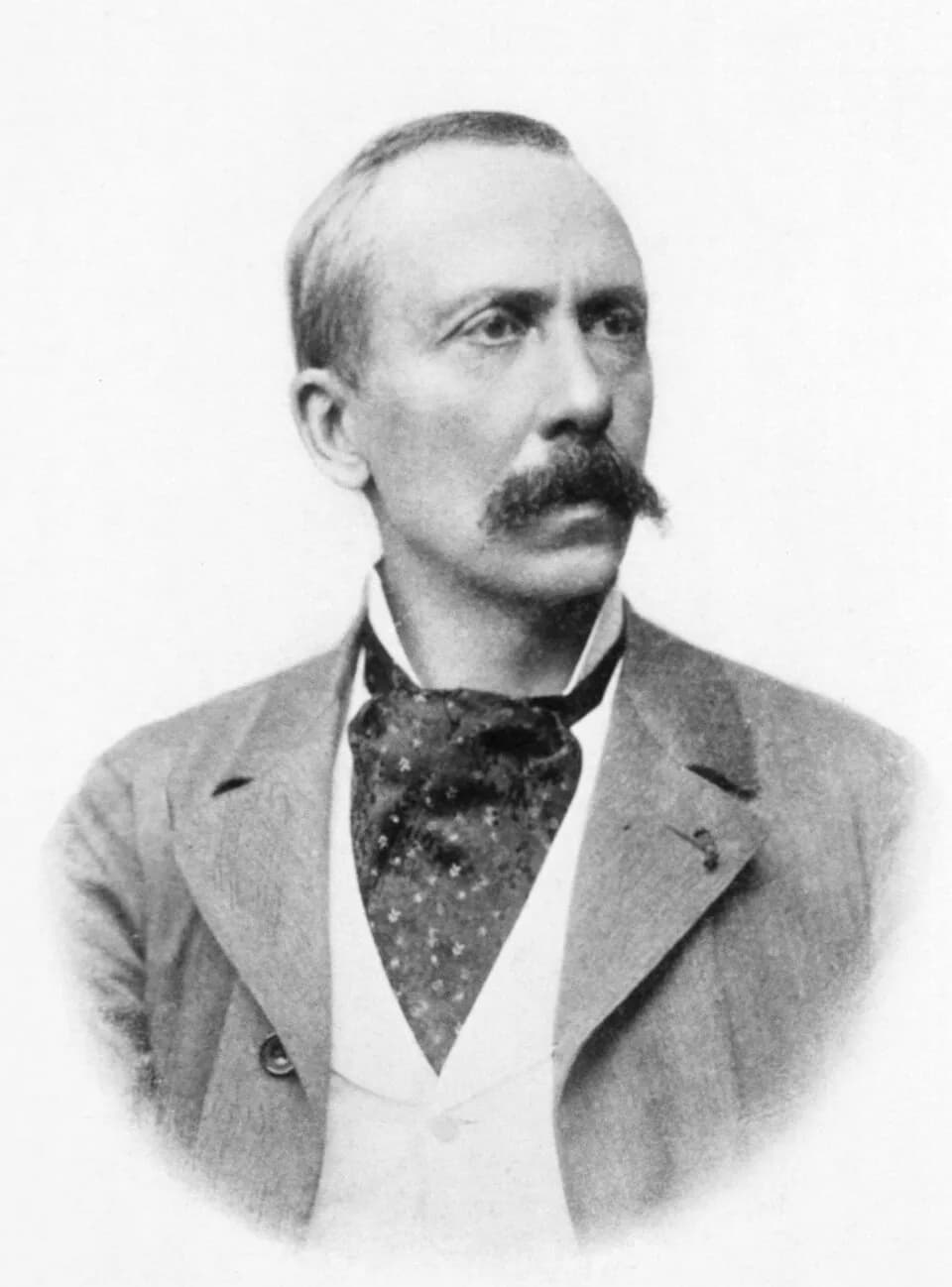
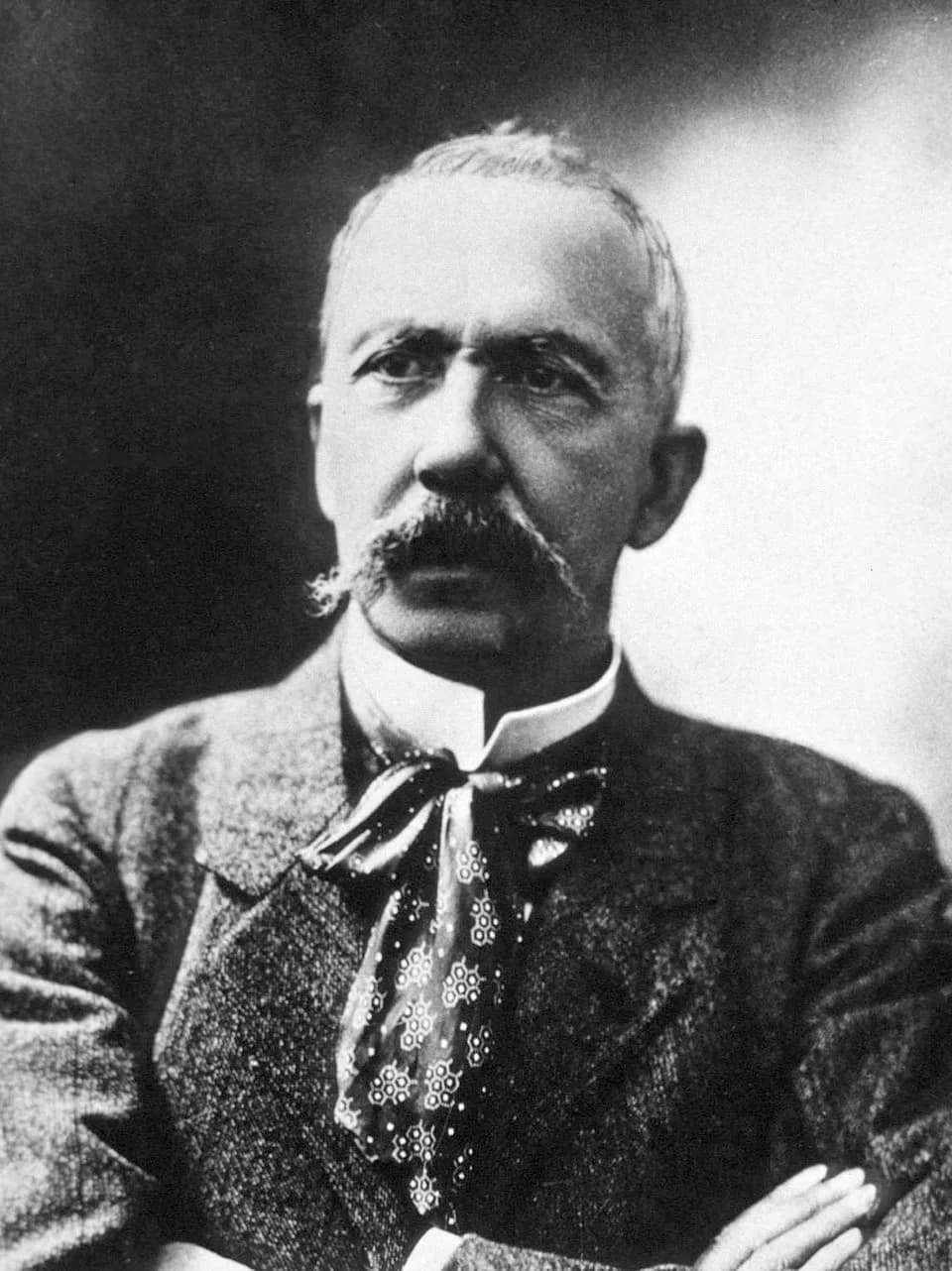
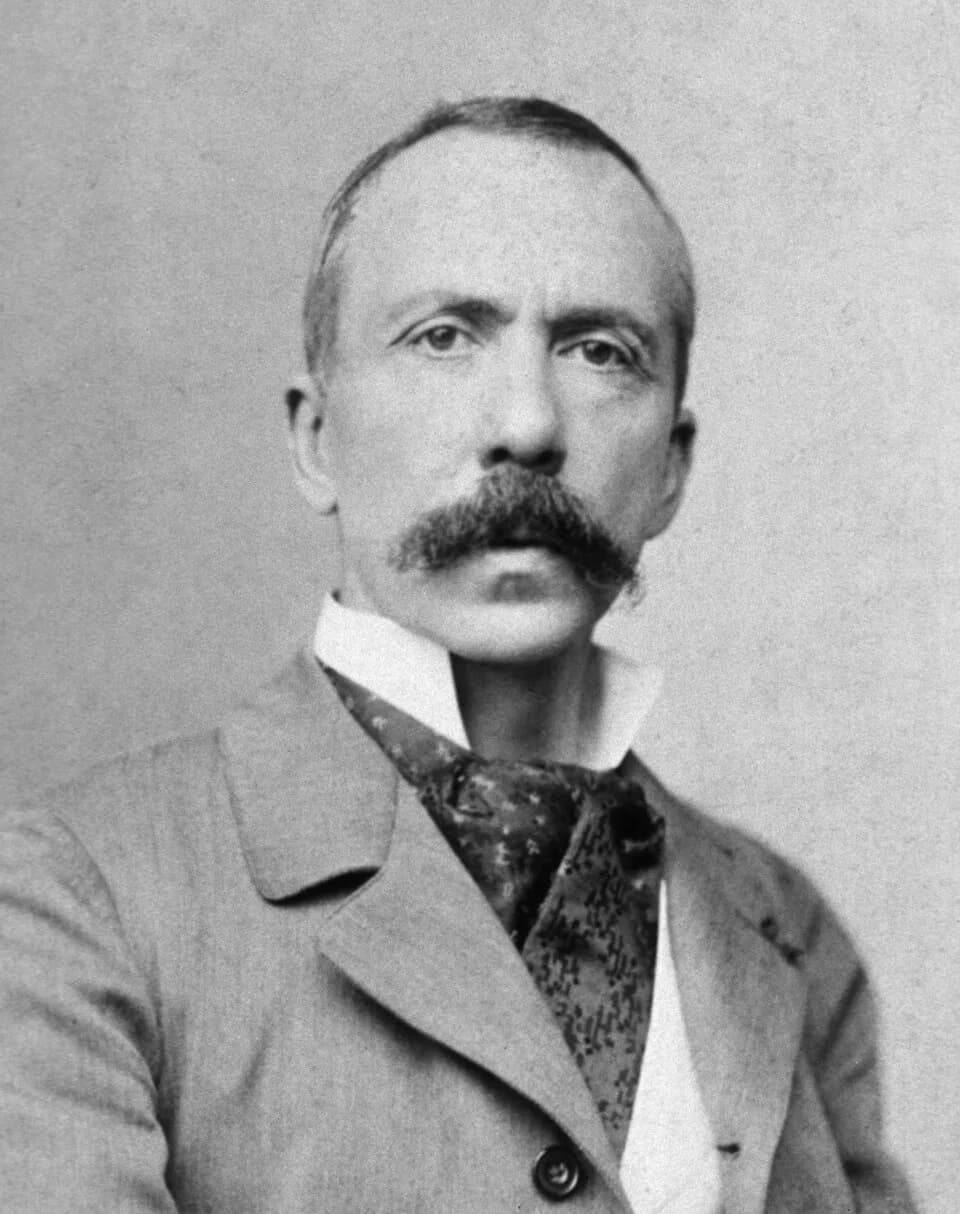
Charles Richet (1850–1935) was France best known for French physiologist and parapsychologist.
Charles Robert Richet (August 26, 1850 – December 4, 1935) was a French physiologist and immunologist. He won the 1913 Nobel Prize for his groundbreaking work on anaphylaxis and coined the term "ectoplasm." His diverse legacy includes contributions to medicine and parapsychology.
Kapitel
Lebenskapitel
Kapitel 1 · 1850· Kapitel 1 von 7
Early Life and Origins
Charles Robert Richet entered the world in Paris, France, on August 26, 1850. His birth in the heart of French academia and culture provided a stimulating environment for his intellectual development. Richet came from a family with a deep connection to medical science, establishing a lineage that would continue through future generations.
This connection to medicine likely influenced his career path from an early age. The vibrant intellectual climate of 19th-century Paris offered numerous opportunities for scientific inquiry and debate. Such an environment fostered a spirit of diverse exploration, which Richet later epitomized in his own wide-ranging studies.
He benefited from a system that encouraged both specialization and broad intellectual engagement. This foundation undoubtedly contributed to his later success in fields as varied as physiology, psychology, and even parapsychology. Richet’s upbringing instilled in him a lifelong passion for learning and discovery.
Kapitel 2· Kapitel 2 von 7
Career Beginnings
Richet began his professional journey as a physiologist at the esteemed Collège de France. Here, he quickly distinguished himself through his dedicated research and innovative thinking. He became an acknowledged pioneer in the nascent field of immunology, focusing on the intricate mechanisms of the body's defense systems.
His early investigations laid crucial groundwork for understanding how organisms react to foreign substances. These foundational studies were essential in shaping the direction of immunological research for decades to come. Richet's rigorous scientific approach characterized his initial contributions to medical science.
He was not merely a researcher but also a physician and a writer, demonstrating an early breadth of interests. This diverse engagement across professions hinted at the wide scope of his later academic and personal pursuits. His initial professional endeavors set the stage for a career marked by both focused scientific achievement and broad intellectual exploration.
Kapitel 3 · 1913· Kapitel 3 von 7
Major Achievements and Career Highlights
Charles Richet's most celebrated achievement was the discovery of anaphylaxis, for which he was awarded the Nobel Prize in Physiology or Medicine in 1913. This monumental recognition honored his detailed work on the increasing sensitivity of organisms to successive doses of poison. His research illuminated how the body could react severely to substances previously encountered, even in minute quantities.
Beyond immunology, Richet's scientific curiosity extended into the realm of parapsychology, a field to which he devoted many years of study. During this exploration, he famously coined the term "ectoplasm" to describe a substance he believed was emitted by spiritualist mediums. His investigations into paranormal phenomena reflected a lifelong commitment to understanding the limits of human experience and perception.
His academic output was significant, reflected in an h-index of 2 and 11 papers. Notable among these was "Die Beziehungen des Gehirns zur Körperwärme und zum Fieber" from 1885, which garnered 9 citations. He also published "Experimentelle Studien auf dem Gebiete der Gedankenübertragung und des sogenannten Hellsehens," further illustrating his diverse research interests. These academic contributions showcased his rigorous scientific mind, applied to both conventional and unconventional subjects.
Kapitel 4· Kapitel 4 von 7
Personal Life
While a comprehensive account of Charles Richet's private life is not extensively detailed in available records, his impact on his family's intellectual legacy is clear. The Richet line of professorships in medical science continued through his direct descendants. His son, also named Charles Richet, followed in his footsteps as a medical professional and academic.
Furthermore, his grandson, Gabriel Richet, became a prominent figure in his own right, achieving recognition as one of the pioneers of European nephrology. This generational continuity underscores the enduring influence and academic tradition established by Charles Richet. His commitment to Esperanto also reveals a personal interest in universal communication and international understanding.
Richet was known to embrace many roles, including writer, psychologist, and playwright, indicating a rich inner life beyond his scientific endeavors. This breadth of engagement suggests a personality driven by intellectual curiosity and a desire to communicate complex ideas. Such diverse pursuits highlight a life lived with extensive intellectual and creative engagement.
Kapitel 5· Kapitel 5 von 7
Notable Works or Contributions
Charles Richet's bibliography reflects his wide-ranging intellectual pursuits and scientific dedication. Among his published works are important medical texts and philosophical explorations. His inquiries into the spiritual and metaphysical are captured in "démoniaques D'aujourd'hui, démoniaques D'autrefois" and "Metapsychical Phenomena."
His reflections on human thought and societal observations appeared in "Poisons of the Intelligence" and the forward-looking "Dans cent ans." He also shared personal insights into his career in "Souvenirs d'un Physiologiste." These works demonstrate his capacity to engage both scientific rigor and broader humanistic concerns.
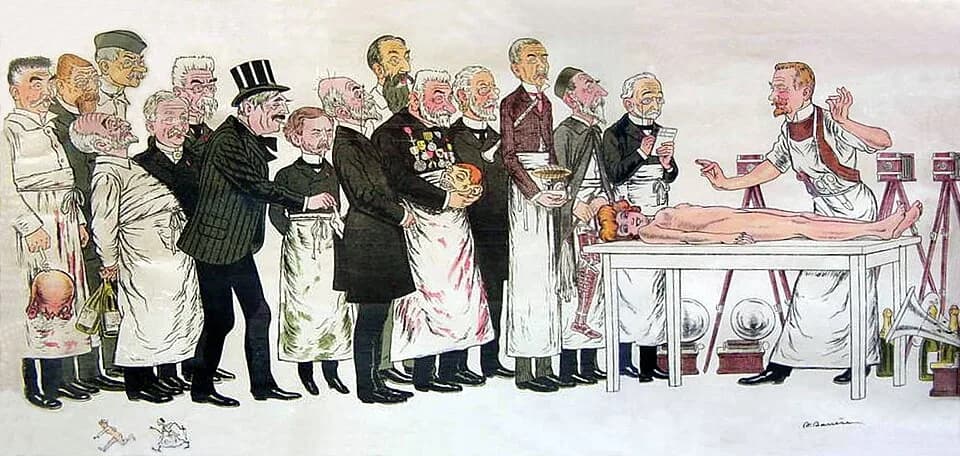
Richet's academic publications spanned diverse topics, from "Die Beziehungen des Gehirns zur Körperwärme und zum Fieber" (1885) to "Experimentelle Studien auf dem Gebiete der Gedankenübertragung und des sogenannten Hellsehens." He explored cultural history in "Allgemeine Kulturgeschichte: Versuch einer Geschichte der Menschheit von den Aeltesten Tagen bis zur Gegenwart" (1921), and even presented satirical views in "Der Mensch ist Dumm! : satirische Bilder aus der Geschichte der menschlichen Dummheiten." His dedicated work on anaphylaxis is documented in titles such as "De l'anaphylaxie ou sensibilité croissante des organismes à des doses successives de poison."
Kapitel 6· Kapitel 6 von 7
Later Years
In his later life, Charles Richet remained an active intellectual, continuing his diverse work. However, this period also saw him openly advocating for eugenics. He presided over the French Eugenics Society towards the end of his life, a role that positioned him at the forefront of this controversial movement.
During these years, Richet also articulated beliefs in the inferiority of black people. These views are a documented, factual aspect of his biographical record. His later pursuits and expressed opinions present a complex picture of a man dedicated to science but also holding views now widely condemned.
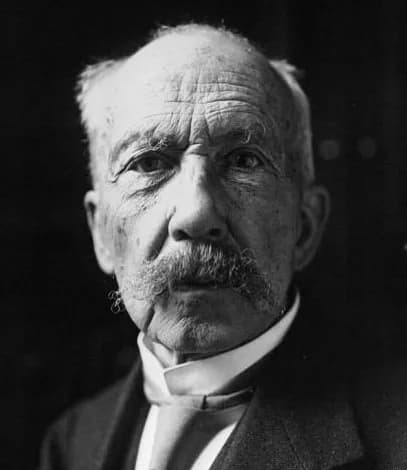
Charles Richet passed away in his beloved birth city of Paris, France, on December 4, 1935. He left behind a legacy marked by both extraordinary scientific breakthroughs and deeply problematic social perspectives, inviting ongoing historical reflection on his entire body of work and beliefs.
Kapitel 7· Kapitel 7 von 7
Legacy and Impact
Charles Richet's most enduring legacy is undoubtedly his Nobel Prize-winning elucidation of anaphylaxis, a discovery that revolutionized the understanding and treatment of allergies. This scientific achievement continues to influence medical practice and research globally. His innovative contributions fundamentally shaped the field of immunology.
Beyond conventional medicine, his coining of "ectoplasm" remains a recognized term within parapsychological discourse, highlighting his lasting influence on that field. The continuation of the Richet academic lineage through his son Charles and especially his grandson Gabriel, a pioneer in European nephrology, further solidified his family's place in medical history. Richet's extensive work as a researcher, writer, physician, and Esperantist demonstrates a life of significant intellectual engagement. His complex legacy serves as a reminder of the multifaceted nature of scientific figures throughout history.
Ein Leben in Momenten
Die Momente, die ein Leben prägten
FAQ
Häufig gefragt
Wann starb Charles Richet?
Charles Richet starb am 4. Dezember 1935 in Paris, France im Alter von 85 Jahren.
Wo wurde Charles Richet geboren?
Charles Richet wurde in Paris, France am 26. August 1850 geboren.
Wofür ist Charles Richet am bekanntesten?
Charles Richet ist am bekanntesten für French physiologist and parapsychologist.
Wie alt war Charles Richet beim Tod?
Charles Richet war zum Zeitpunkt des Todes 85 Jahre alt.
Welche Nationalität hatte Charles Richet?
Charles Richet stammte aus France.
Zeitlinie
Leben im Überblick
Fotogalerie
Ein Leben in Bildern
Klicken Sie ein Polaroid an, um es zu vergrößern · 48 Fotos
QR-Code
Diese Biografie teilen
Drucken & Teilen
Scannen Sie, um diese Biografieseite zu besuchen. Drucken Sie sie für Veranstaltungen, Ausstellungen oder Lehrmaterialien.