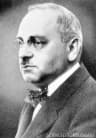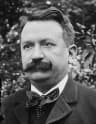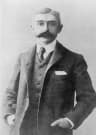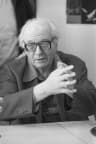
Geboren
January 22, 1891
Ales, Italy
Verstorben
April 27, 1937
Rome, Italy
Bekannt für
Italian Marxist philosopher, writer, and politician
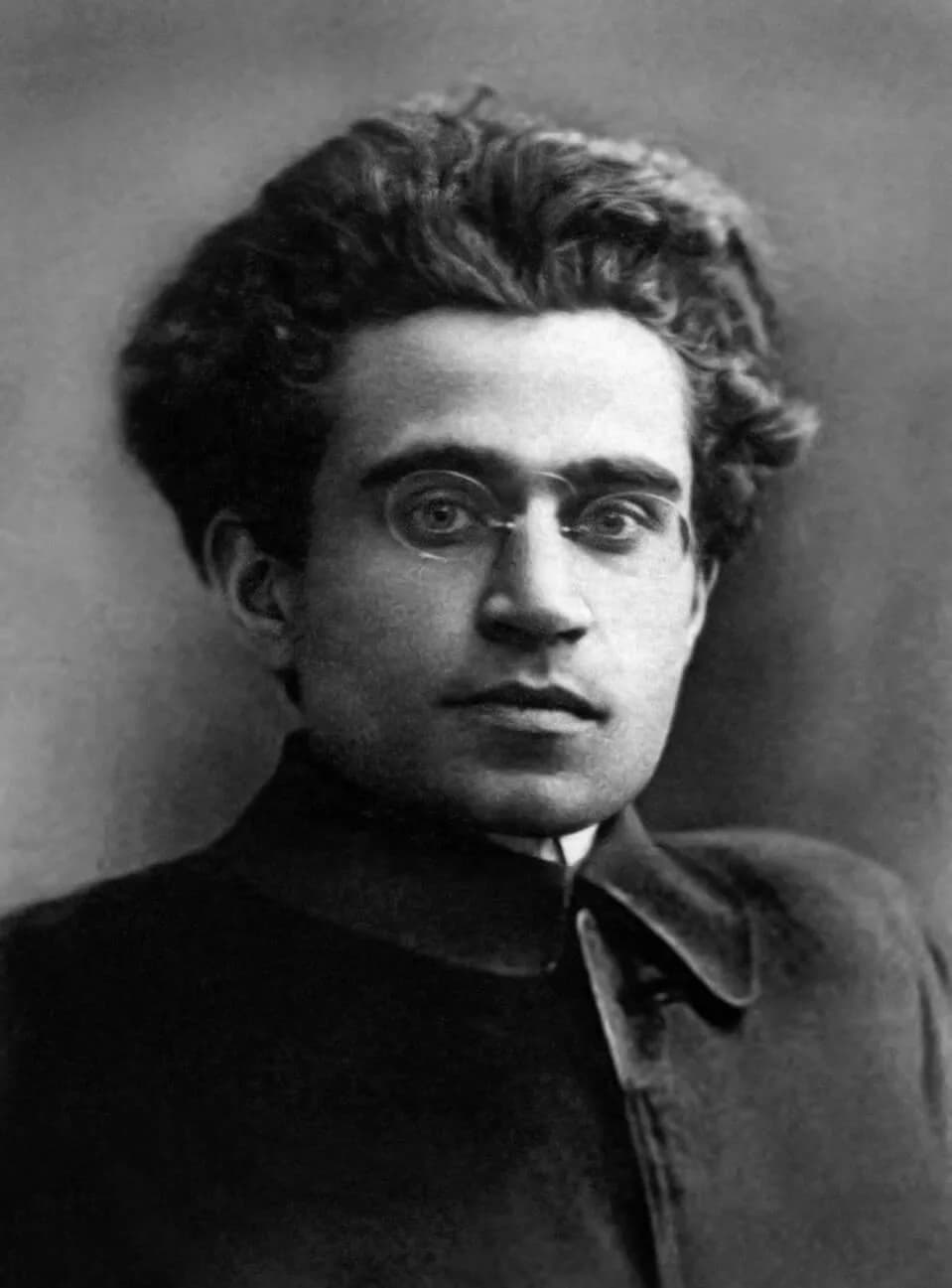
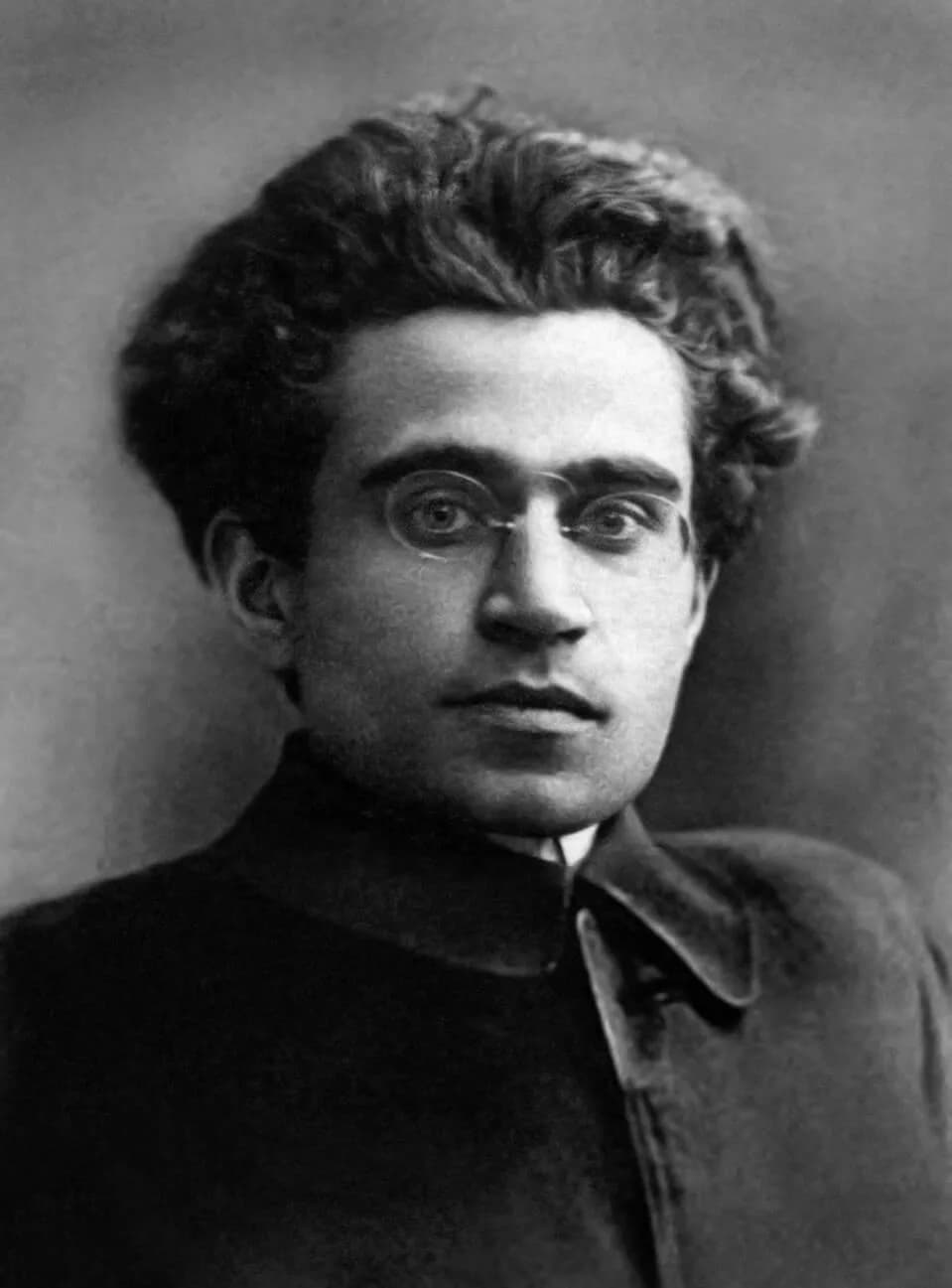
Antonio Gramsci (1891–1937) was Italy best known for Italian Marxist philosopher, writer, and politician.
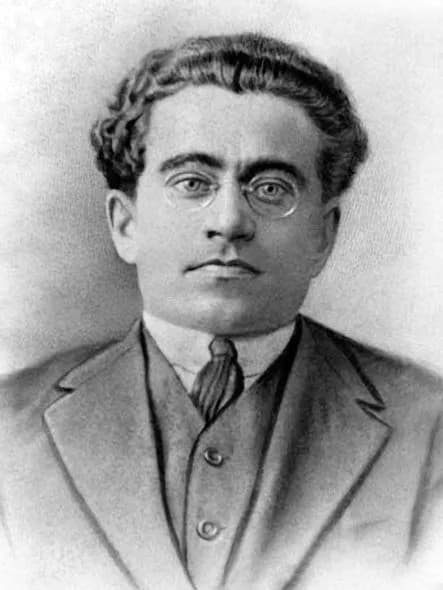
Antonio Gramsci (January 22, 1891 – April 27, 1937) was an Italian Marxist philosopher, journalist, and politician from Ales, Italy. He co-founded the Italian Communist Party and famously developed theories on cultural hegemony while imprisoned by the fascist regime. His ideas continue to influence political thought and critical theory globally.
Kapitel
Lebenskapitel
Kapitel 1 · 1891· Kapitel 1 von 7
Opening
Antonio Gramsci (January 22, 1891 – April 27, 1937) was an Italian Marxist philosopher, writer, and politician. He left an enduring legacy through his intellectual contributions and his courageous opposition to fascism in Italy. His life was marked by dedicated political activism and significant philosophical output, much of it produced under challenging conditions, from his birth in Ales to his death in Rome.
Kapitel 2 · 1891· Kapitel 2 von 7
Early Life and Origins
Antonio Gramsci was born on January 22, 1891, in Ales, Italy. His early years were shaped by the social and economic conditions of Sardinia, where his family faced financial hardship. These formative experiences likely influenced his later political and social analyses, giving him a grounded perspective on societal struggles.
Kapitel 3· Kapitel 3 von 7
Career Beginnings
Gramsci's intellectual and political journey began with his work as a journalist, where he contributed to various socialist publications. He became deeply involved in socialist movements while studying at the University of Turin, developing a sharp critical perspective. This early engagement laid the groundwork for his eventual leadership role and philosophical contributions within the Italian Left.
Kapitel 4 · 1921· Kapitel 4 von 7
Major Achievements and Career Highlights
Antonio Gramsci was a founding member of the Italian Communist Party, playing a crucial role in its establishment in 1921. He quickly rose to prominence, becoming a one-time leader of the party. His political activities were deeply intertwined with his philosophical development and critique of contemporary Italian society.
As a vocal critic of Benito Mussolini and the rise of fascism, Gramsci became a significant opposition figure. This outspoken criticism led directly to his imprisonment in 1926 under Mussolini's regime. He remained incarcerated until shortly before his death in 1937, enduring severe conditions.
Kapitel 5· Kapitel 5 von 7
Notable Works or Contributions
During his imprisonment, Antonio Gramsci produced his most influential philosophical works, which were later collected as `Lettere dal carcere` (Prison Notebooks). These writings explored complex concepts like cultural hegemony, the role of intellectuals, and state theory. The depth of his thought, developed under duress, is a testament to his intellectual resilience.
Beyond the Prison Notebooks, Gramsci's bibliography includes various important texts such as `Cultura y literatura`, `Soviets in Italy`, and `Antologia popolare degli scritti e delle lettere`. His contributions also extended to historical analysis, as seen in `Il Risorgimento` and `La «storia d'Europa» di Benedetto Croce e il fascismo`. These works demonstrate his broad intellectual interests and critical engagement with European thought.
Gramsci's theoretical frameworks are also found in works such as `Partito comunista d'Italia, 1921-1926` and `The modern prince, and other writings`, which brought his ideas to a wider audience. His academic contributions include `Appunti di glottologia` and works like `Cadernos do cárcere e outros escritos: escolma` and `Os sindicatos e a ditadura`, cited in scholarly publications. These diverse works solidify his standing across multiple disciplines.
Kapitel 6 · 1937· Kapitel 6 von 7
Later Years
Gramsci's final years were spent largely in prison, where his health severely deteriorated due to harsh conditions. He was eventually released from prison only shortly before his passing on April 27, 1937. He died in Rome, Italy, leaving behind a wealth of intellectual material forged in adversity.
Kapitel 7· Kapitel 7 von 7
Legacy and Impact
Antonio Gramsci's ideas on cultural hegemony, civil society, and the role of intellectuals continue to be studied and debated globally. His theoretical contributions reshaped Marxist thought, offering a more nuanced understanding of power beyond purely economic factors. He remains a foundational figure in political philosophy, sociology, and critical theory.
His intellectual legacy has inspired countless scholars and activists across various disciplines, providing powerful analytical tools for understanding social structures and political change. Gramsci's insights offer deep understandings of the mechanisms of power and the pathways to liberation. His enduring influence solidifies his place as a significant thinker whose work continues to inform contemporary discussions on power and culture.
Ein Leben in Momenten
Die Momente, die ein Leben prägten
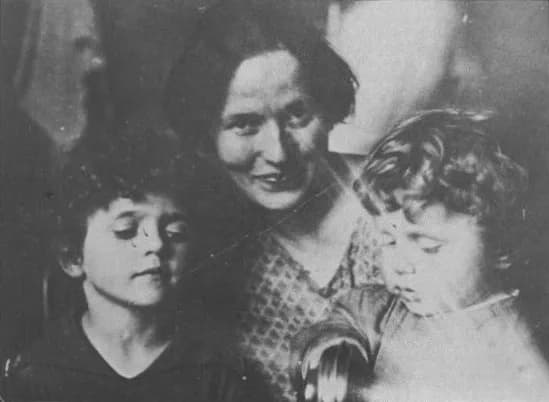
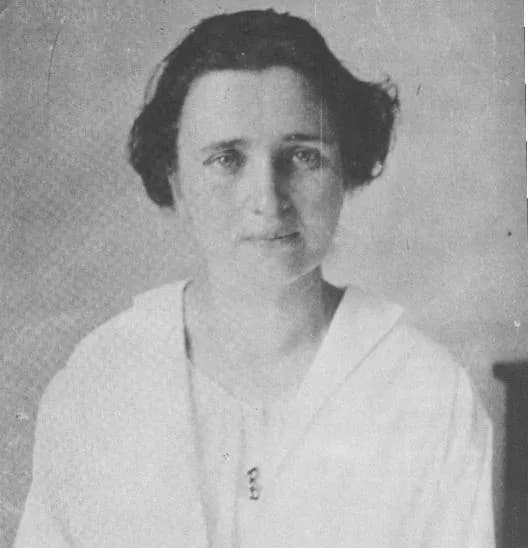
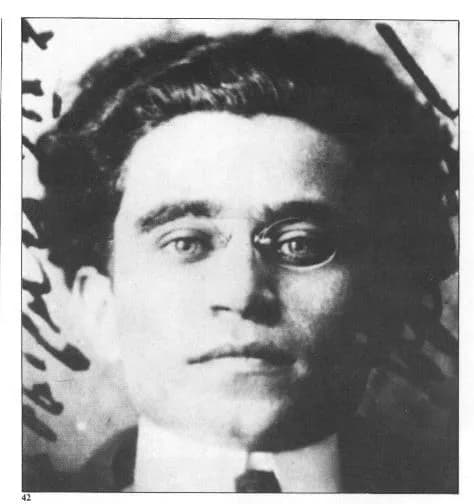
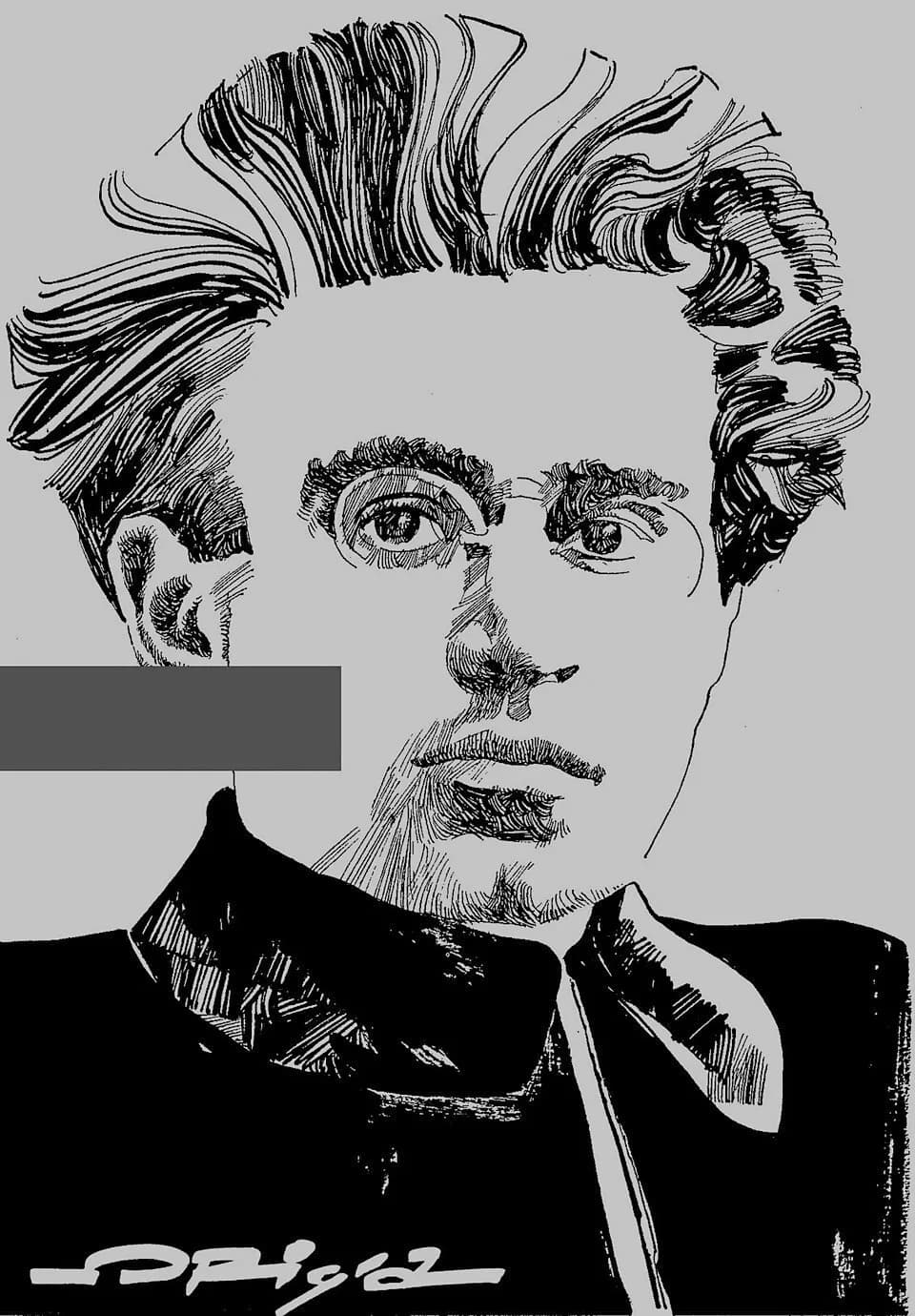
FAQ
Häufig gefragt
Wann starb Antonio Gramsci?
Antonio Gramsci starb am 27. April 1937 in Rome, Italy im Alter von 46 Jahren.
Wo wurde Antonio Gramsci geboren?
Antonio Gramsci wurde in Ales, Italy am 22. Januar 1891 geboren.
Wofür ist Antonio Gramsci am bekanntesten?
Antonio Gramsci ist am bekanntesten für Italian Marxist philosopher, writer, and politician.
Wie alt war Antonio Gramsci beim Tod?
Antonio Gramsci war zum Zeitpunkt des Todes 46 Jahre alt.
Welche Nationalität hatte Antonio Gramsci?
Antonio Gramsci stammte aus Italy.
Zeitlinie
Leben im Überblick
Fotogalerie
Ein Leben in Bildern
Klicken Sie ein Polaroid an, um es zu vergrößern · 25 Fotos
QR-Code
Diese Biografie teilen
Drucken & Teilen
Scannen Sie, um diese Biografieseite zu besuchen. Drucken Sie sie für Veranstaltungen, Ausstellungen oder Lehrmaterialien.