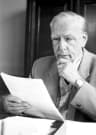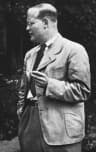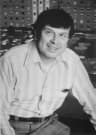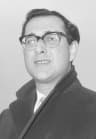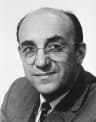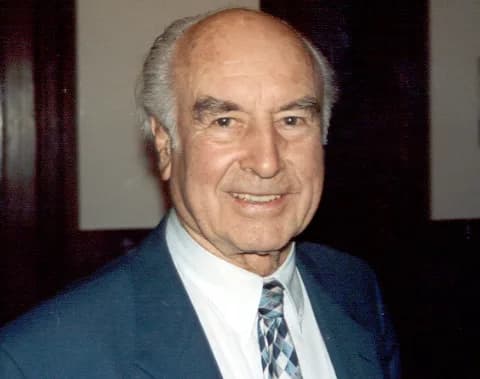
Geboren
January 11, 1906
Baden, Switzerland
Verstorben
April 29, 2008
Burg im Leimental, Switzerland
Bekannt für
Swiss chemist
Albert Hofmann (1906–2008) was Switzerland best known for Swiss chemist.
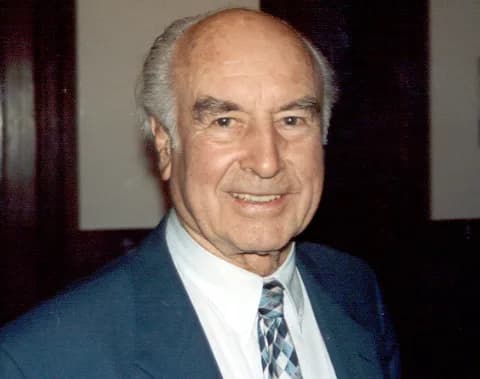
Albert Hofmann (January 11, 1906 – April 29, 2008) was a Swiss chemist. He was the first to synthesize and discover the psychedelic effects of LSD, and isolated psilocybin. His work significantly influenced pharmacology and the understanding of consciousness.
Kapitel
Lebenskapitel
Kapitel 1 · 1906· Kapitel 1 von 7
Albert Hofmann: A Life of Discovery and Chemical Exploration
Albert Hofmann (1906–2008) was a celebrated Swiss chemist whose discoveries had a lasting influence on pharmacology and psychology. Born on January 11, 1906, in Baden, Switzerland, Hofmann's career at Sandoz laboratories led to some of the most discussed chemical compounds of the 20th century. He is widely recognized for his pioneering work with lysergic acid diethylamide (LSD) and the compounds found in psychedelic mushrooms.
Kapitel 2 · 1906· Kapitel 2 von 7
Early Life and Origins
Albert Hofmann began his journey in Baden, Switzerland, where he was born on January 11, 1906. His early years in Switzerland set the foundation for a life dedicated to scientific inquiry and chemical exploration. Details of his family life and specific upbringing are not widely known, but his path clearly led him towards a distinguished career in chemistry.
Kapitel 3 · 1929· Kapitel 3 von 7
Career Beginnings
Hofmann embarked on his professional career as a chemist, demonstrating an early aptitude for molecular structures. A significant early achievement came in 1929 when he successfully discovered the structure of chitin, a complex carbohydrate found in the exoskeletons of insects and fungi. This early success established his reputation as a meticulous and gifted researcher within the scientific community, laying the groundwork for future breakthroughs.
Kapitel 4 · 1943· Kapitel 4 von 7
Major Achievements and Career Highlights
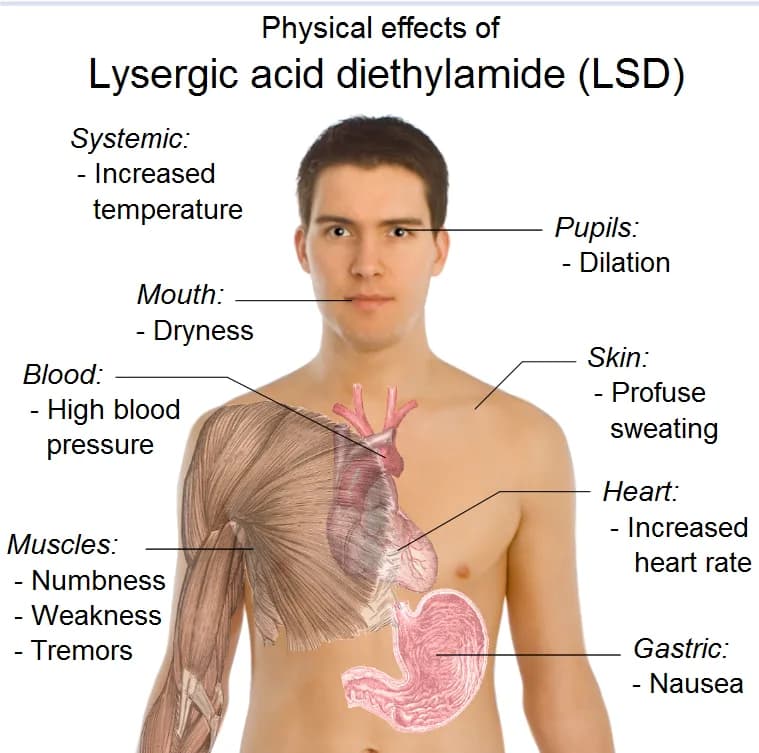
Albert Hofmann's most celebrated work involved lysergic acid diethylamide, commonly known as LSD. He was the first to synthesize this compound, initially as part of a research program to find new pharmaceuticals. His accidental ingestion of LSD in 1943 led him to be the first to experience and subsequently document its psychedelic effects, forever changing the scientific understanding of consciousness.
Beyond LSD, Hofmann's team at Sandoz also successfully isolated, named, and synthesized psilocybin and psilocin, the active psychedelic compounds found in certain mushrooms. These discoveries solidified his place as a central figure in the field of psychoactive research and significantly broadened the scope of chemical and pharmacological study.
Kapitel 5· Kapitel 5 von 7
Notable Works or Contributions
Throughout his career, Albert Hofmann was a prolific writer, authoring more than 100 scientific articles that detailed his findings and theories. His published works extended beyond academic papers to include several influential books that reached a wider audience. Among these, 'LSD: Mein Sorgenkind' (LSD: My Problem Child) stands out as a personal account of his famous discovery and its implications.
Another significant book, 'Plants of the Gods,' explored the history and cultural significance of psychoactive plants across different societies. His academic publications include 17 papers, with top works like 'Pflanzen der Götter : die magischen Kräfte der Rausch- und Giftgewächse' from 1980, which garnered 13 citations, and 'Die posttraumatische Kyphose der Rumpfwirbelsäule' from 2001, cited 8 times. These diverse contributions showcased his commitment to both scientific rigor and broader public education.
Kapitel 6 · 2008· Kapitel 6 von 7
Later Years
Even in his later years, Albert Hofmann maintained an active engagement with the scientific community and continued to share his insights. He lived a long and intellectually vibrant life, witnessing the extensive global impact of his early discoveries. Hofmann passed away peacefully on April 29, 2008, in Burg im Leimental, Switzerland, at the remarkable age of 102. His passing marked the end of an era for a chemist who reshaped our understanding of the human mind.
Kapitel 7· Kapitel 7 von 7
Legacy and Impact
Albert Hofmann's work fundamentally reshaped the fields of chemistry, pharmacology, and neuroscience. His pioneering synthesis and self-experimentation with LSD not only led to a new class of compounds but also sparked decades of research into the therapeutic potential of psychedelics. The isolation of psilocybin and psilocin further contributed to understanding natural psychoactive substances.
His legacy extends beyond the laboratory, influencing discussions on consciousness, mental health, and the ethical considerations of scientific discovery. Hofmann’s detailed documentation and thoughtful reflections continue to guide researchers and thinkers exploring the complex relationship between chemistry and the human experience.
Ein Leben in Momenten
Die Momente, die ein Leben prägten
FAQ
Häufig gefragt
Wann starb Albert Hofmann?
Albert Hofmann starb am 29. April 2008 in Burg im Leimental, Switzerland im Alter von 102 Jahren.
Wo wurde Albert Hofmann geboren?
Albert Hofmann wurde in Baden, Switzerland am 11. Januar 1906 geboren.
Wofür ist Albert Hofmann am bekanntesten?
Albert Hofmann ist am bekanntesten für Swiss chemist.
Wie alt war Albert Hofmann beim Tod?
Albert Hofmann war zum Zeitpunkt des Todes 102 Jahre alt.
Welche Nationalität hatte Albert Hofmann?
Albert Hofmann stammte aus Switzerland.
Zeitlinie
Leben im Überblick
Fotogalerie
Ein Leben in Bildern
Klicken Sie ein Polaroid an, um es zu vergrößern · 48 Fotos
QR-Code
Diese Biografie teilen
Drucken & Teilen
Scannen Sie, um diese Biografieseite zu besuchen. Drucken Sie sie für Veranstaltungen, Ausstellungen oder Lehrmaterialien.