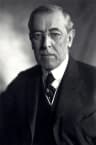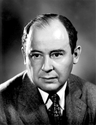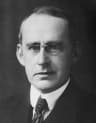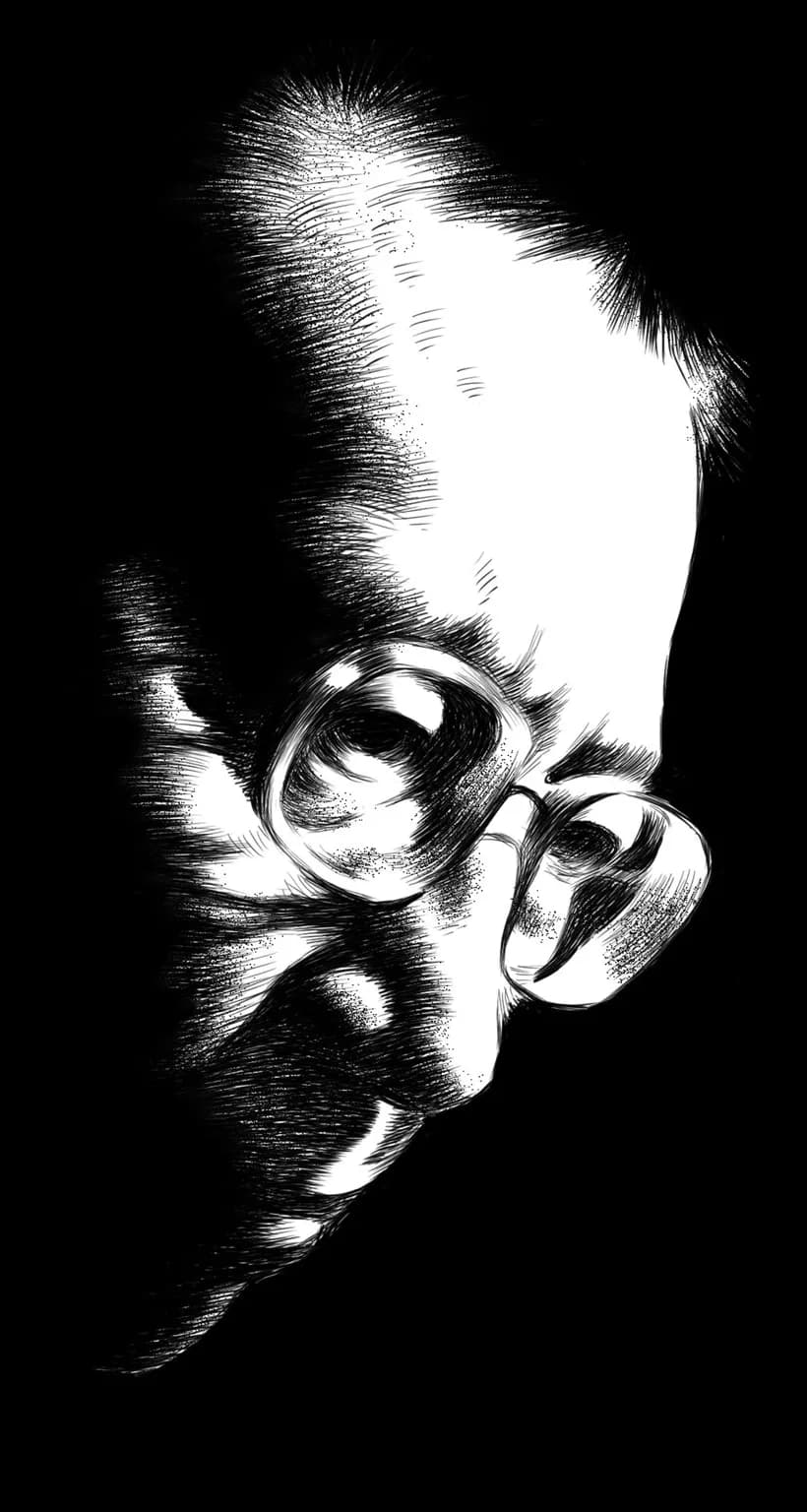
Født
December 28, 1955
Changchun, People's Republic of China
Død
July 13, 2017
First Affiliated Hospital, China Medical University, People's Republic of China
Kendt for
Chinese literary critic, writer, professor, and human rights activist
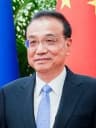
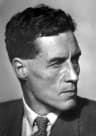
Liu Xiaobo (1955–2017) was People's Republic of China best known for Chinese literary critic, writer, professor, and human rights activist.
Liu Xiaobo (December 28, 1955 – July 13, 2017) was a Chinese literary critic, writer, and human rights activist. He was awarded the Nobel Peace Prize in 2010 for his long and non-violent struggle for fundamental human rights in China. Recognized as China's most prominent dissident, his legacy continues to inspire.
Kapitel
Livskapitler
Kapitel 1 · 1955· Kapitel 1 af 7
Early Life and Origins
Liu Xiaobo was born in Changchun, located in the People's Republic of China, on December 28, 1955. His upbringing in China occurred during a period of significant societal and political shifts. These early experiences likely shaped his critical perspective and his deep-seated desire for societal betterment.
Kapitel 2· Kapitel 2 af 7
Career Beginnings
Liu Xiaobo initially established himself as a respected literary critic, writer, and professor. His academic pursuits and intellectual contributions gained him recognition in Chinese literary circles. This foundational work provided him with a platform to articulate his views and engage with broader societal questions.
He gradually evolved from an academic to a prominent philosopher and human rights activist. This transition was marked by his increasing involvement in public discourse and his steadfast calling for political reforms. His early writings and critiques subtly laid the groundwork for his later, more direct advocacy against one-party rule.
Kapitel 3· Kapitel 3 af 7
Major Achievements and Career Highlights
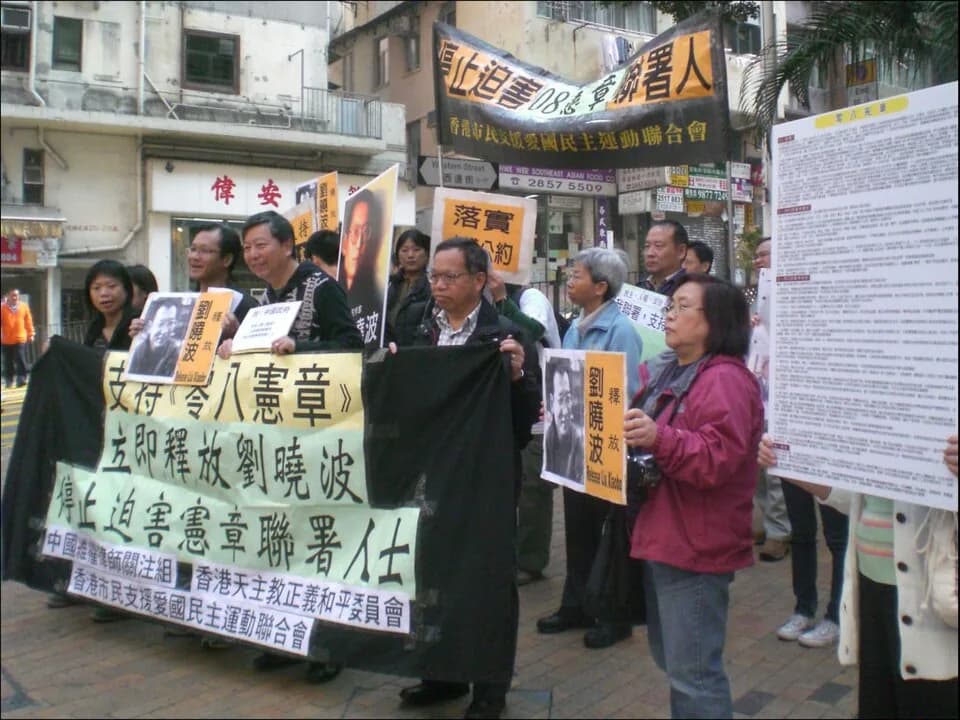
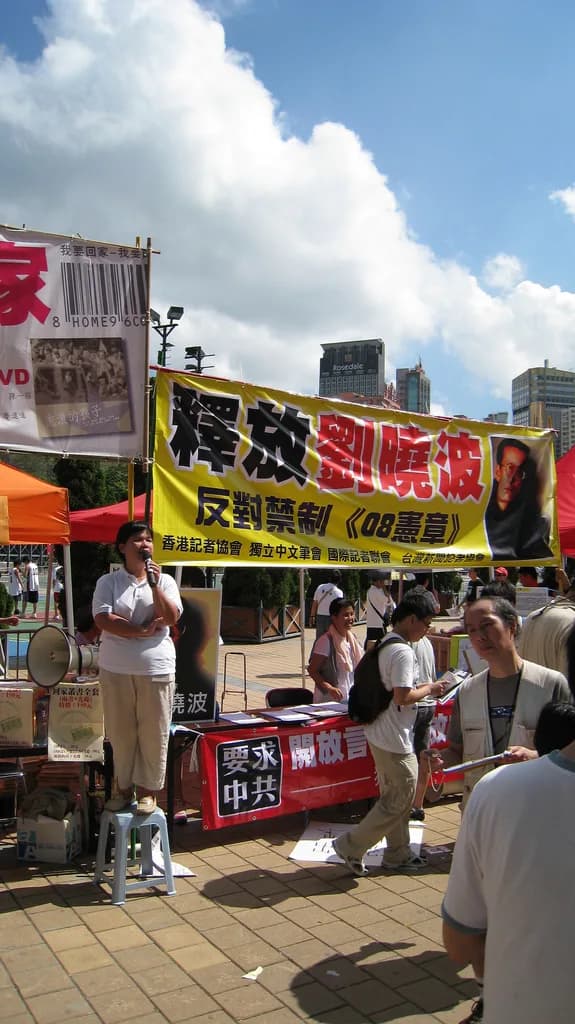
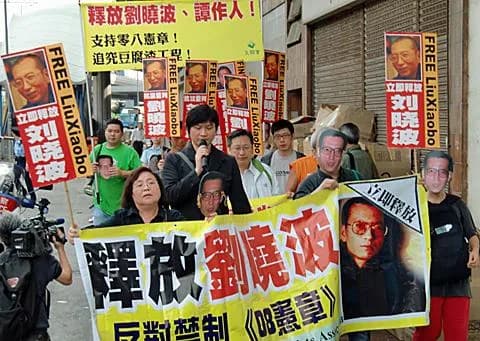
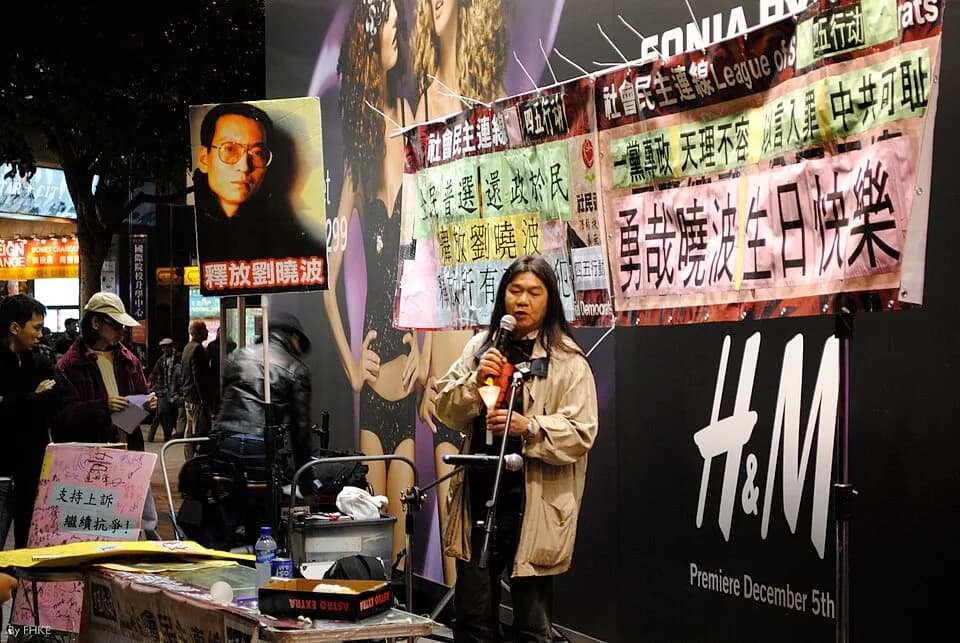
Liu Xiaobo became widely known for his courageous activism, particularly his involvement in campaigns to end Chinese Communist Party one-party rule in China. He consistently called for democratic political reforms, articulating a vision of a more open and rights-respecting society. His advocacy was characterized by a steadfast commitment to non-violent methods, even in the face of severe repression.
His unwavering stance led to numerous arrests and periods of imprisonment by the Chinese authorities. Throughout these trials, he was widely described as China's most prominent dissident and the country's most famous political prisoner. His resilience in the face of adversity became a symbol of hope for many seeking change.
In recognition of his long and non-violent struggle for fundamental human rights in China, Liu Xiaobo was awarded the Nobel Peace Prize in 2010. This prestigious international honor brought global attention to his cause and underscored the significance of his contributions. The award highlighted the international community's concern for human rights in China.
Kapitel 4· Kapitel 4 af 7
Personal Life
While extensive details of Liu Xiaobo's private life remain largely unpublicized, his public persona was inextricably linked to his profound commitment to non-violence and fundamental human rights. His personal convictions deeply informed his public actions, making his advocacy a central and defining aspect of his existence. This dedication shaped his relationships and his approach to life's challenges.
Kapitel 5· Kapitel 5 af 7
Notable Works or Contributions
Liu Xiaobo's intellectual prowess was evident in his diverse body of written works, many of which are celebrated for their critical insight. Among his notable publications is "No enemies, no hatred," a powerful articulation of his philosophy. He also contributed to "June Fourth Elegies," reflecting on significant historical events and their impact.
His bibliography also includes significant philosophical and critical essays such as "La philosophie du porc et autres essais" and scholarly works like "Zhongguo dang dai zheng zhi yu Zhongguo zhi shi fen zi." Collections such as "Bao Zunxin ji nian wen ji" and "Liu Xiaobo wen ji =" further showcase the breadth and depth of his literary and critical thought. These works serve as enduring records of his intellectual contributions.
Kapitel 6· Kapitel 6 af 7
Later Years
The final chapter of Liu Xiaobo's life was marked by continued political imprisonment, even as his health began to decline. Despite his international recognition, he remained incarcerated for his advocacy. This period highlighted the challenging circumstances under which he pursued his vision for China.
On June 26, 2017, Liu Xiaobo was granted medical parole after being diagnosed with an aggressive form of liver cancer. This decision allowed him to leave prison, albeit under closely monitored conditions, for urgent medical treatment. The news of his release for health reasons drew immediate international concern and calls for his full freedom.
Tragically, just weeks after his medical parole, Liu Xiaobo passed away on July 13, 2017. He died at the First Affiliated Hospital, China Medical University, in the People's Republic of China. His death in custody, following years of activism and imprisonment, left a significant void in the global human rights movement.
Kapitel 7· Kapitel 7 af 7
Legacy and Impact
Liu Xiaobo's legacy continues to resonate as a powerful symbol of the peaceful pursuit of human rights and political freedom. His calls for political reforms and an end to one-party rule have left an enduring mark on the discourse surrounding civil liberties in China and beyond. He remains an inspiration to human rights defenders globally, embodying courage and conviction.
The Nobel Peace Prize he received stands as a profound recognition of his non-violent struggle and his lasting impact on the global stage. He is remembered not only as a brilliant literary critic and writer but also as a fearless human rights defender whose ideals continue to inspire advocacy for a more just and open society. His influence extends far beyond his lifetime.
Et liv i øjeblikke
De øjeblikke, der formede et liv
Ofte stillede spørgsmål
Ofte spurgt
Hvornår døde Liu Xiaobo?
Liu Xiaobo døde den 13. juli 2017 i First Affiliated Hospital, China Medical University, People's Republic of China i en alder af 61 år.
Hvor blev Liu Xiaobo født?
Liu Xiaobo blev født i Changchun, People's Republic of China den 28. december 1955.
Hvad er Liu Xiaobo mest kendt for?
Liu Xiaobo er mest kendt for Chinese literary critic, writer, professor, and human rights activist.
Hvor gammel var Liu Xiaobo ved dødsfaldet?
Liu Xiaobo var 61 år gammel ved dødsfaldet.
Hvilken nationalitet havde Liu Xiaobo?
Liu Xiaobo kom fra People's Republic of China.
Tidslinje
Et liv ved et hurtigt blik
Billedgalleri
Et liv i billeder
Klik på en polaroid for at forstørre · 46 billeder
QR-kode
Del denne biografi
Udskriv og del
Scan for at besøge denne biografiside. Udskriv til arrangementer, udstillinger eller undervisningsmateriale.