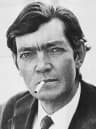
Born
February 5, 1914
St. Louis, United States
Died
August 2, 1997
Lawrence, United States
Known for
American novelist, short story writer, essayist, painter, and spoken word performer
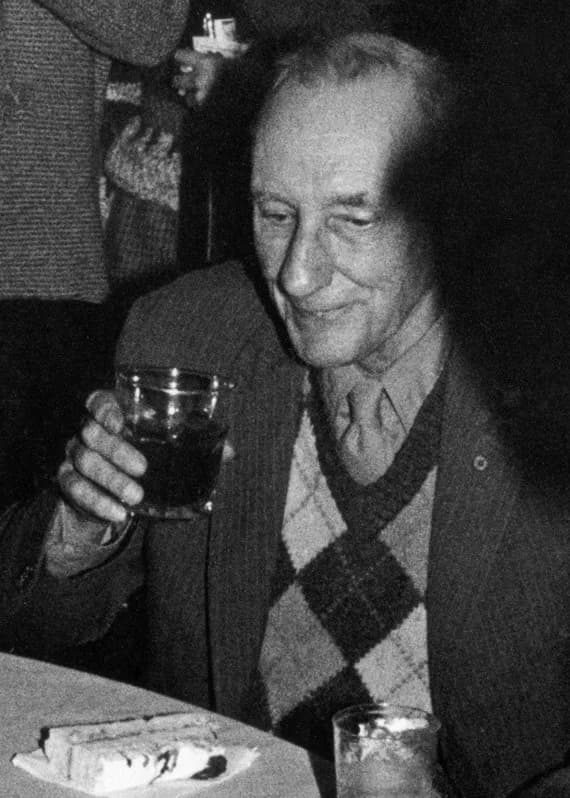
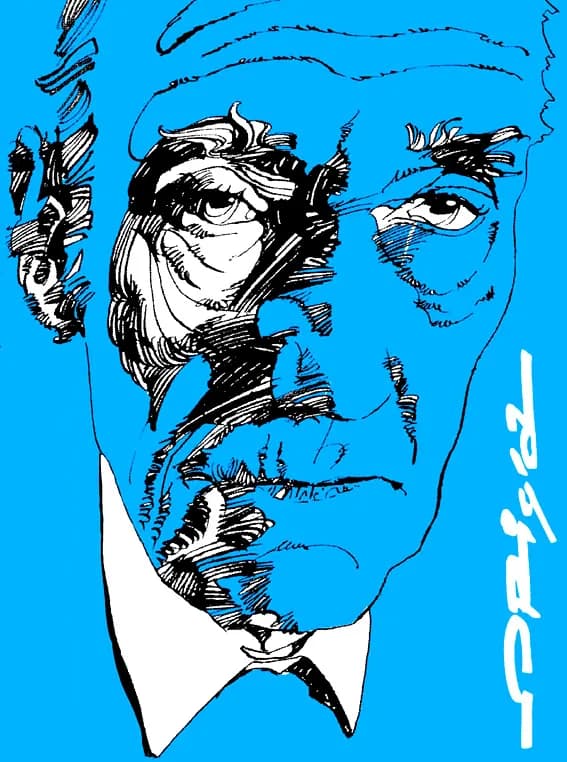
William S. Burroughs (1914 – 1997) was an American novelist, short story writer, essayist, painter, and spoken word performer. He was a primary figure of the Beat Generation and a postmodern author who influenced underground and popular culture. His work, often experimental and semi-autobiographical, explored drug addiction and mystical themes, cementing his legacy in literature.
Chapter
Life chapters
Chapter 1 · 1914· Chapter 1 of 8
Introduction to a Literary Icon
William S. Burroughs (1914 – 1997) was an American novelist, short story writer, essayist, painter, and spoken word performer whose unique vision reshaped the literary landscape. He is widely recognized as a primary figure of the Beat Generation and a postmodern author. Burroughs's influence extends far beyond literature, permeating underground and popular culture with his distinctive artistic approach.
His professional life was rich and varied, encompassing roles such as a photographer, screenwriter, writer, poet, singer, musician, artist, painter, novelist, librettist, prose writer, essayist, and science fiction writer. Through these diverse avenues, Burroughs consistently challenged conventions, leaving an undeniable mark on the artistic world. His body of work remains a subject of study and admiration for its daring experimentation and raw honesty.
Chapter 2 · 1914· Chapter 2 of 8
Early Life and Origins
William Seward Burroughs II was born on February 5, 1914, in St. Louis, United States. His birth in America's heartland provided the initial backdrop for a life that would eventually span continents and delve into complex human experiences. This Midwestern upbringing subtly contrasts with the often gritty, urban, and international settings that would later define much of his written work.
His early years were spent in a period of significant change, with both World Wars and vast societal shifts shaping the global environment. While specific details of his early family life are not provided, his origins in St. Louis grounded him in American culture before he became a nomadic figure. The formative experiences from this era undoubtedly contributed to the unique perspective he brought to his art.
Chapter 3· Chapter 3 of 8
Career Beginnings and Diverse Professions
Burroughs's career path was not confined to a single discipline; he was a polymath who explored numerous artistic and literary forms. Initially, his interests led him to professions like photography and screenwriting, indicating an early engagement with visual and narrative media. These varied pursuits laid the groundwork for his later experimental endeavors across different art forms.
His broad professional scope also included roles as a writer, poet, singer, musician, artist, and painter. He further extended his reach as a novelist, librettist, prose writer, essayist, and science fiction writer, demonstrating a restless creative spirit. This multifaceted engagement with the arts allowed him to develop a distinctive voice that transcended traditional genre boundaries and influenced a generation of creators.
Chapter 4· Chapter 4 of 8
Major Achievements and Career Highlights
William S. Burroughs is widely considered a primary figure of the Beat Generation, a literary movement that challenged the conformist culture of the 1950s. His writings captured the countercultural spirit, earning him recognition as a postmodern author whose influence extended throughout underground and popular culture. Burroughs continually pushed boundaries, both in his themes and narrative techniques.
Much of Burroughs's work is celebrated for its experimental nature and features unreliable narrators, which created disorienting and thought-provoking experiences for readers. His semi-autobiographical narratives frequently drew from his personal experiences with drug addiction, offering stark, unflinching portrayals of this struggle. These works often utilized his various places of residence as vivid settings, embedding his lived experiences directly into his fiction.
Alongside Brion Gysin, Burroughs popularized the cut-up technique, an aleatory literary method involving cutting up texts and rearranging them to create new meaning. This innovative approach became a hallmark of his experimental style, allowing him to explore language and narrative in radically new ways. Furthermore, his writing engaged frequently with mystical, occult, or otherwise magical themes, which were constant preoccupations in both his fiction and his real life, adding layers of symbolic depth to his narratives.
Chapter 5· Chapter 5 of 8
Notable Works and Contributions
Burroughs's bibliography is extensive and diverse, featuring works that have become cornerstones of modern literature. Among his notable works are *Lettres*, *Le festin nu*, and the highly influential *Naked Lunch*. The novel *Naked Lunch* is particularly renowned for its controversial content and groundbreaking narrative structure, solidifying Burroughs's reputation as a daring and visionary writer.
His contributions also include *Narkotyki*, *The Moroccan; James Brown*, *Tape recorder mutations*, *Les terres occidentales*, and a self-titled work, *William S. Burroughs*. Additionally, his Japanese-titled work, *ジャンキー*, showcases the global reach and diverse impact of his writing. These texts collectively demonstrate his relentless pursuit of new literary forms and thematic explorations.
Beyond his literary output, Burroughs was also a visual artist. Two of his notable artworks include *Birthday Party* from 1957 and *Family* from 1963, both held by the Art Institute of Chicago (AIC). These pieces highlight his versatility and his continuous exploration of creative expression across different mediums, extending his artistic legacy into the visual arts.
Chapter 6 · 2016· Chapter 6 of 8
Beyond the Page: Film and Sound
William S. Burroughs's artistic presence extended beyond written words to encompass film and spoken word performances. He was featured in numerous films, reflecting his cultural significance and his direct engagement with cinema. His filmography includes appearances in documentaries about his circle, such as *Uncle Howard* (2016), *Corso: The Last Beat* (2009), *Chelsea on the Rocks* (2008), and *Words of Advice: William S. Burroughs on the Road* (2007).
He also appeared in narrative films like *Even Cowgirls Get the Blues* (1994), *Wax or the Discovery of Television Among the Bees* (1991), *Bloodhounds of Broadway* (1989), *Twister* (1989), *Home of the Brave* (1986), and *Ornette: Made in America* (1984). These roles showcased his distinctive persona and voice, bringing his unique presence to a wider audience. His involvement in these diverse productions underscored his multifaceted artistic identity.
His distinctive voice and poetic style were also captured in a notable discography, solidifying his reputation as a master of spoken word. His albums, often categorized under beat poetry, include *Dead City Radio* (1990), *Spare Ass Annie and Other Tales* (1993), *Last Words: Qui Vivre Verra* (2001), *Let Me Hang You* (2016), and *The Acid Lands* (2020). Collaborations like *William S. Burroughs & Brion Gysin* (2021) and earlier works such as *The Best of William Burroughs* (1998) and *Nothing Here Now but the Recordings* (1981) further exemplify his significant contributions to auditory art. His seminal album *Call Me Burroughs* (1965) and *Häxan: Witchcraft Through the Ages* (2014) showcase his enduring impact on audio recordings.
Chapter 7· Chapter 7 of 8
Later Years
In his later years, William S. Burroughs continued to engage with his art and maintained his unique perspective. He remained a figure of fascination and influence, engaging in various projects and continuing to inspire new generations of artists and writers. His life's journey, filled with intense experiences and profound insights, informed his work until his final days.
William S. Burroughs passed away on August 2, 1997, in Lawrence, United States. His death marked the end of an era for experimental literature and the Beat Generation. He left behind a substantial body of work that continues to provoke thought and inspire creativity, cementing his place in literary history.
Chapter 8· Chapter 8 of 8
Legacy and Impact
The legacy of William S. Burroughs is profound and far-reaching, establishing him as a writer and visual artist whose work continues to resonate. As a primary figure of the Beat Generation and a pioneering postmodern author, he redefined the boundaries of narrative and language. His experimental literary techniques, such as the cut-up method developed with Brion Gysin, opened new avenues for artistic expression.
Burroughs's unflinching exploration of drug addiction, sexuality, and the occult, coupled with his semi-autobiographical approach, provided a raw and authentic voice in literature. His influence on underground and popular culture remains evident in contemporary art, music, and film. William S. Burroughs created a body of work that challenged, disturbed, and ultimately expanded the horizons of what literature and art could achieve.
A life in moments
The moments that shaped a life
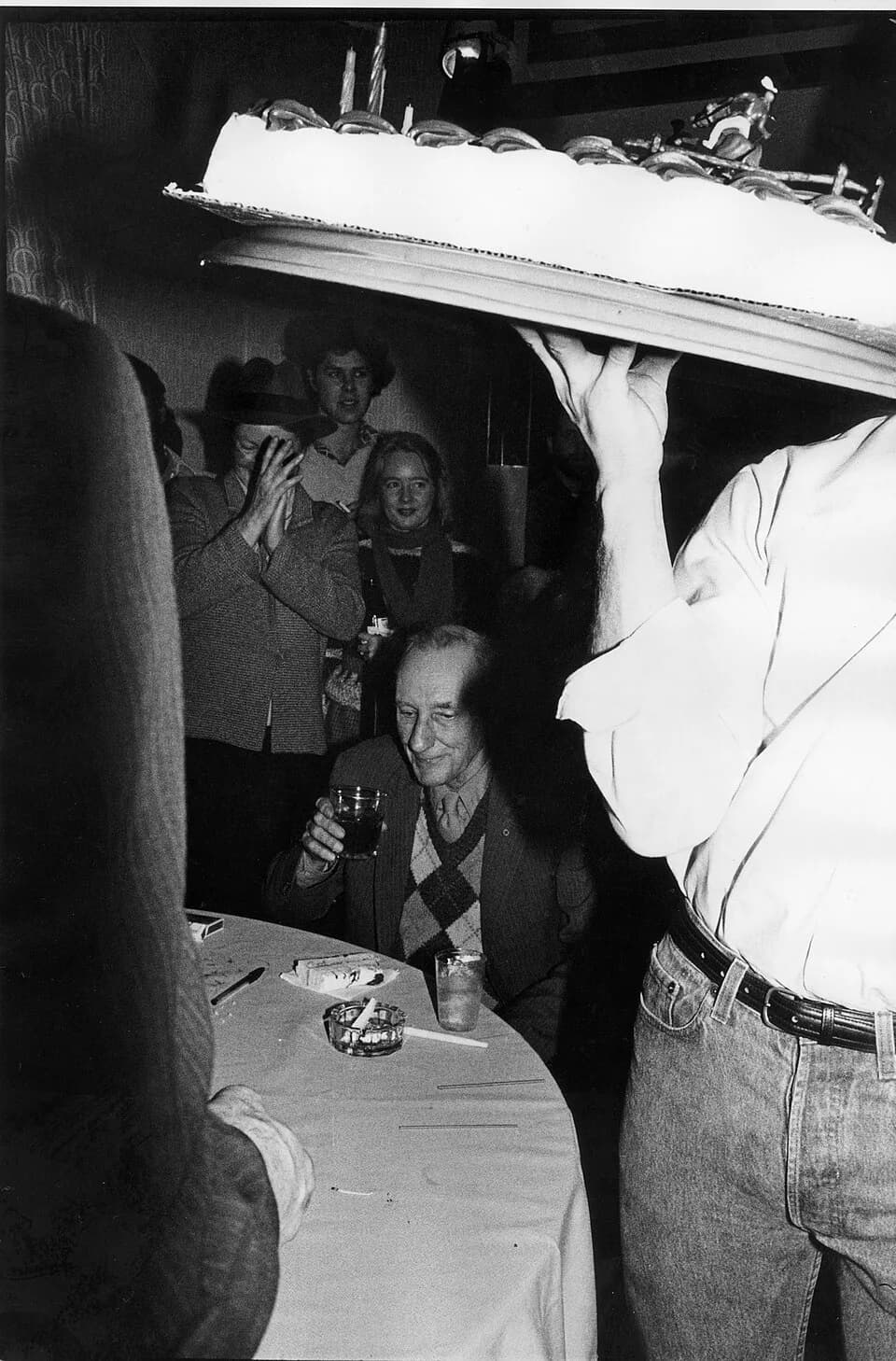
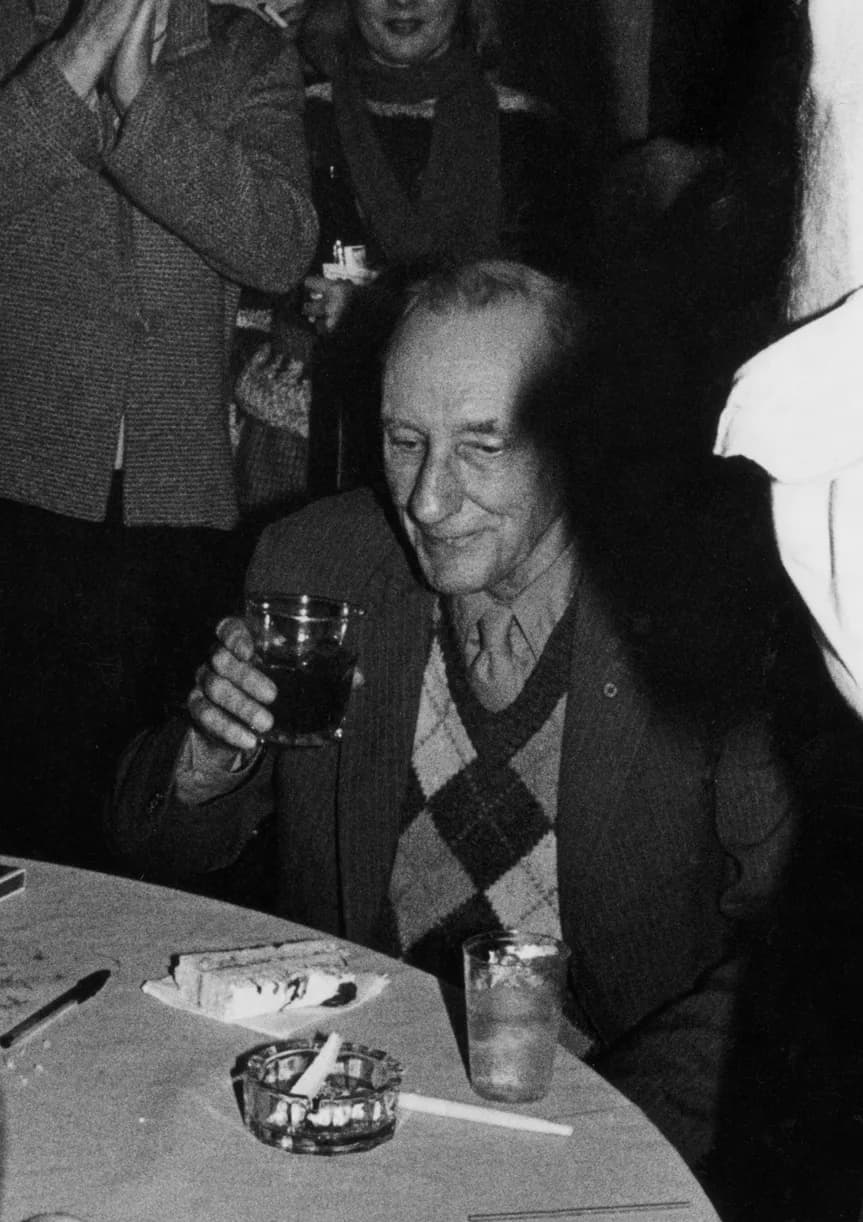
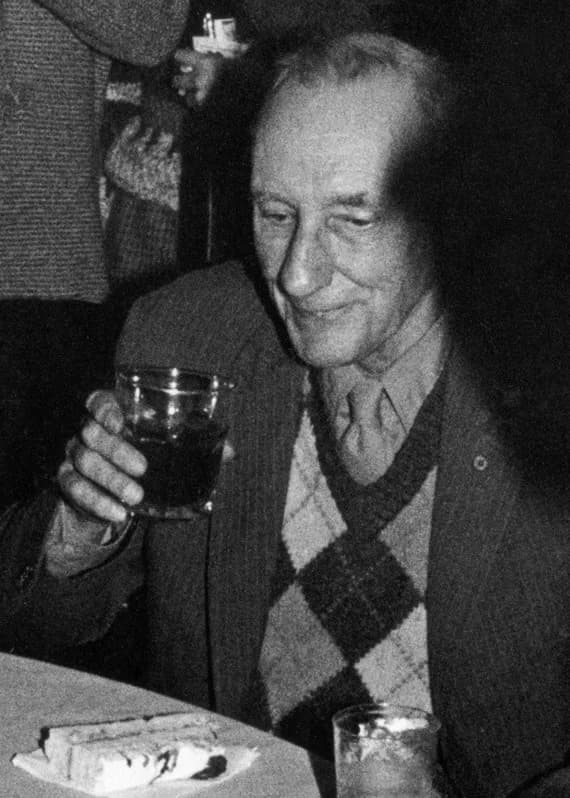
FAQ
Frequently asked
When did William S. Burroughs die?
William S. Burroughs died on August 2, 1997 in Lawrence, United States, at the age of 83.
Where was William S. Burroughs born?
William S. Burroughs was born in St. Louis, United States on February 5, 1914.
What is William S. Burroughs best known for?
William S. Burroughs is best known for American novelist, short story writer, essayist, painter, and spoken word performer.
How old was William S. Burroughs when they died?
William S. Burroughs was 83 years old at the time of death.
What nationality was William S. Burroughs?
William S. Burroughs was from United States.
Timeline
Life at a glance
Photo gallery
A life in pictures
Click any polaroid to expand · 23 photos
QR Code
Share This Biography
Print & Share
Scan to visit this biography page. Print for events, exhibitions, or educational materials.