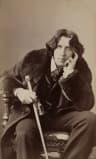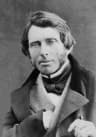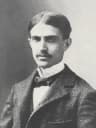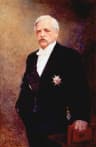
Born
May 14, 1836
Prague, Czech Republic
Died
August 12, 1900
New York City, United States
Known for
Austrian-American chess player
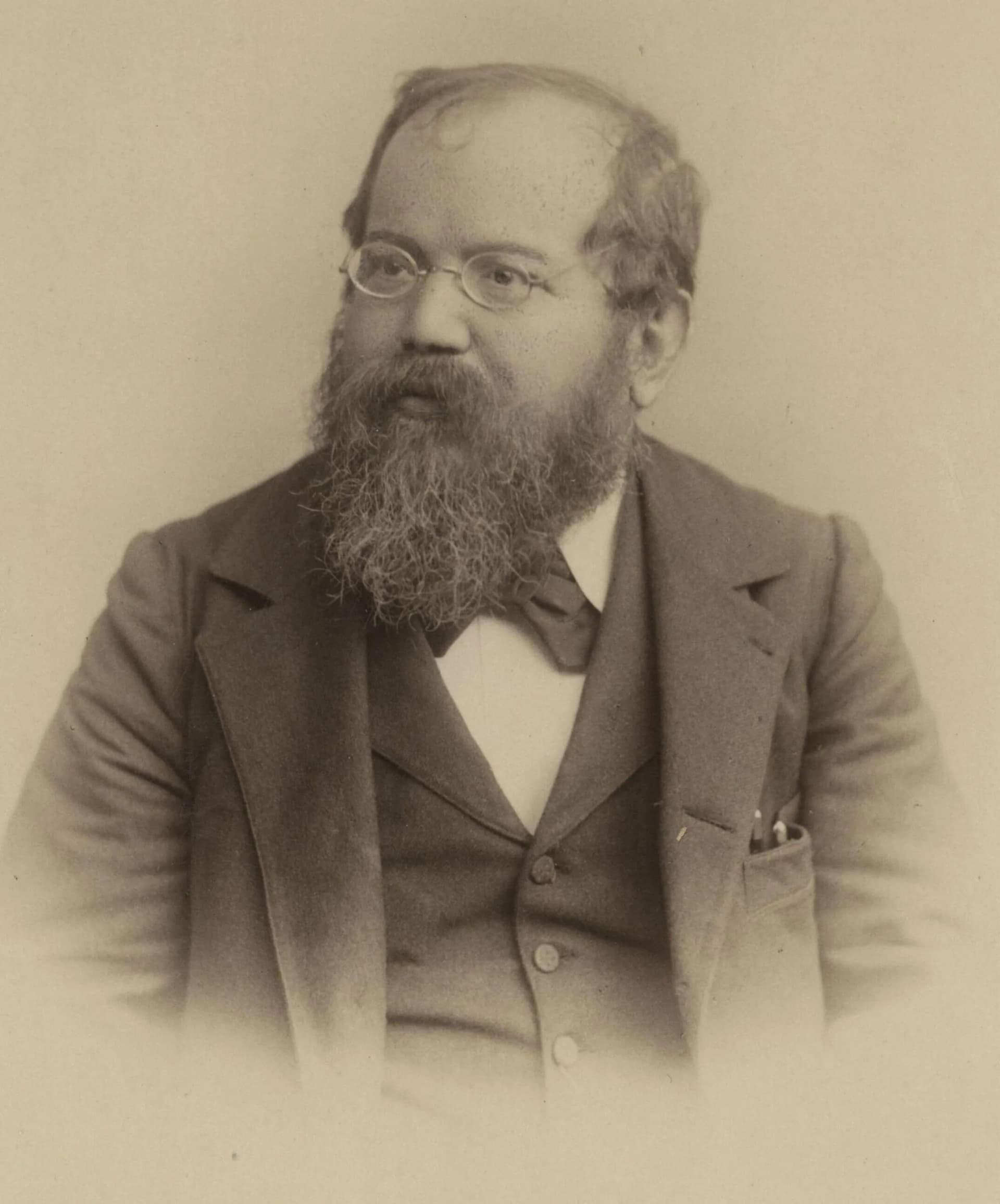
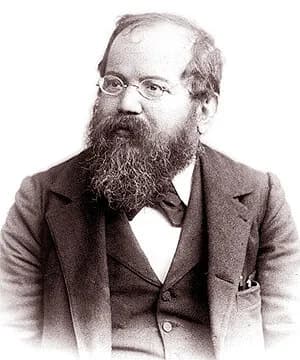
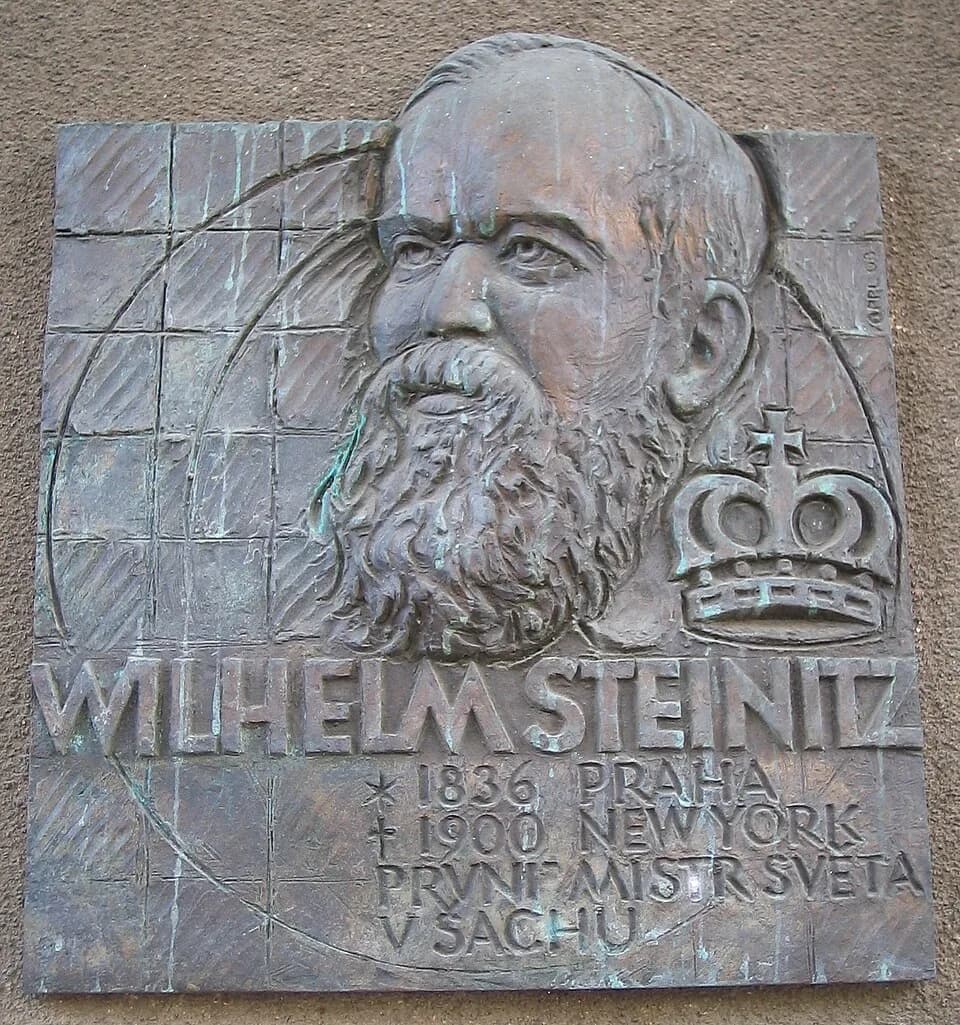
Wilhelm Steinitz (1836–1900) was Czech Republic best known for Austrian-American chess player.
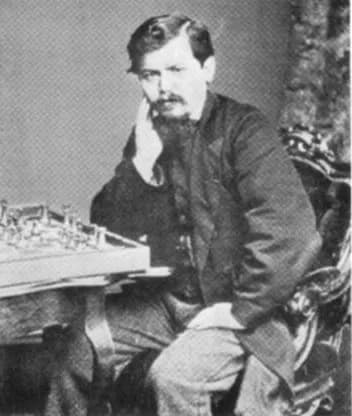
Wilhelm Steinitz (May 14, 1836 – August 12, 1900) was an Austrian-American chess player, composer, and theoretician from Prague, Czech Republic. He served as the first World Chess Champion from 1886 to 1894. Steinitz's writings greatly influenced the understanding and strategy of chess.
Chapter
Life chapters
Chapter 1 · 1836· Chapter 1 of 7
Early Life and Origins
Wilhelm Steinitz was born on May 14, 1836, in Prague, which was then a significant cultural and intellectual center within the Austrian Empire, now known as the Czech Republic. His upbringing in this vibrant city provided the initial environment for his intellectual growth and burgeoning interest in strategic games. The historical context of Prague likely fostered a rigorous analytical mind, essential for his future in chess.
Growing up in a period of great intellectual ferment in Central Europe, Steinitz developed a keen strategic intellect early on. This formative period in his native Prague laid the essential groundwork for his later revolutionary contributions to chess theory. His origins as a Bohemian-Austrian citizen are an important part of his initial identity before his later relocation and naturalization.
Chapter 2· Chapter 2 of 7
Career Beginnings
Steinitz's journey into the world of professional chess began with earnest dedication, quickly establishing himself as a formidable presence in competitive circuits. He demonstrated exceptional talent not only as a player but also as a chess composer, crafting intricate problems that showcased his deep understanding of positional play. These early ventures into composition refined his analytical capabilities, proving invaluable for his later theoretical advancements.
His early career was characterized by an intense focus on dissecting the game's mechanics, moving beyond mere tactical brilliance to explore deeper strategic concepts. This foundational period as a player and composer set the stage for his emergence as a prominent figure. He began to challenge conventional wisdom, laying the intellectual groundwork for his future role as a leading chess theoretician.
Chapter 3 · 1886· Chapter 3 of 7
Major Achievements and Career Highlights
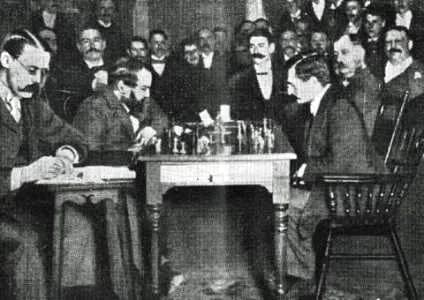
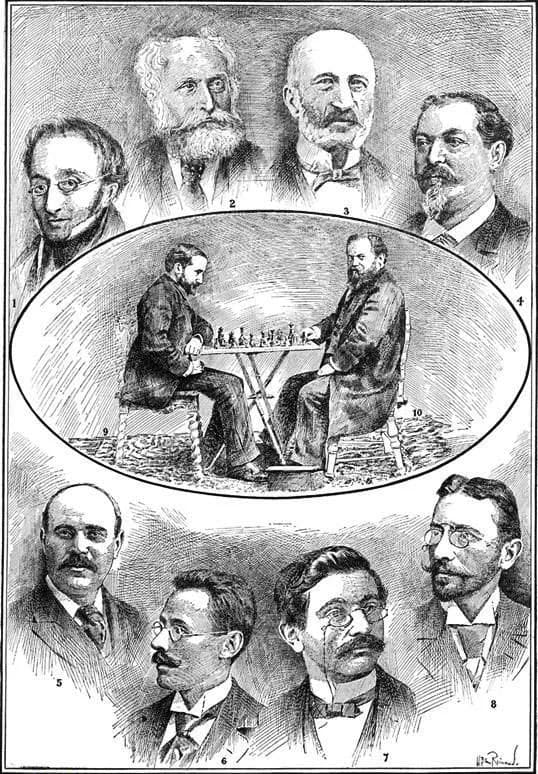
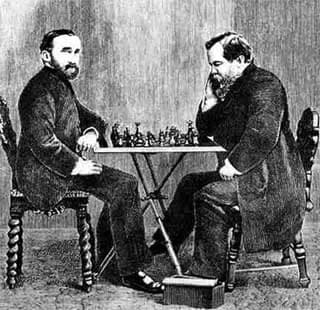
The crowning achievement of Wilhelm Steinitz's illustrious career was his ascension to the title of the first official World Chess Champion in 1886. This historic victory established a clear standard for global chess supremacy and cemented his status as a legendary figure. He successfully defended his world title for an impressive eight years, maintaining his dominance until 1894.
During his reign, Steinitz not only won games but also refined the understanding of chess, demonstrating new strategic approaches that were ahead of their time. His matches were often intensely contested, showcasing his strategic depth and unwavering resolve under pressure. As an Austrian-American chess player, his career bridged continents, making him a truly international icon in the sport.
His championship era revolutionized professional chess, providing a formalized structure for determining the world's best player. Steinitz’s consistent high-level performance over nearly a decade underscores his unparalleled skill and strategic foresight. This period of sustained success remains a benchmark for future chess champions.
Chapter 4 · 1900· Chapter 4 of 7
Personal Life
Wilhelm Steinitz began his life as a Bohemian-Austrian, embodying the intellectual traditions of Central Europe, before making a significant personal and professional transition to become an American citizen. This change in nationality reflects a period of evolving personal circumstances and professional opportunities. He eventually passed away on August 12, 1900, in New York City, United States.
While known primarily for his public chess endeavors, his journey from Prague to New York City represents a substantial biographical arc. The choice to embrace American citizenship further highlights his international career and personal adaptability. His passing in New York marked the end of a life fully dedicated to the game he loved.
Chapter 5· Chapter 5 of 7
Notable Works or Contributions
Wilhelm Steinitz was not merely a champion player; he was also a highly influential writer and chess theoretician whose ideas transformed the game. He meticulously documented his strategic principles, providing deep insights into positional play, pawn structures, and king safety. These analytical writings fundamentally altered how chess was understood and studied, advocating for a more scientific and rational approach.
His contributions as a chess composer further illustrate his comprehensive engagement with the game, allowing him to explore and create intricate strategic puzzles. It is also notable that a work titled "Vier Dialoge" was released in 1996, listed as a discography item. While this entry is distinct from his primary chess publications, it highlights a potential broader sphere of influence or recognition that extended beyond his lifetime.
Chapter 6· Chapter 6 of 7
Later Years
Even in his later years, Wilhelm Steinitz remained an active and important voice in the chess community, continuing to share his insights through writing and analysis. He contributed to the ongoing development of chess theory, solidifying the intellectual framework he had established earlier in his career. His dedication persisted, even as the game continued to evolve.
Steinitz spent his final years in New York City, where he passed away on August 12, 1900. Despite the physical and mental toll of a demanding professional life, his intellectual engagement with chess remained unwavering. His continued presence and commentary in the chess world during this period reinforced his standing as a revered elder statesman of the game.
Chapter 7· Chapter 7 of 7
Legacy and Impact
Wilhelm Steinitz’s legacy is monumental, rooted in his historic achievement as the first World Chess Champion, which established the format and prestige for all future title holders. He engineered a fundamental shift in chess theory, moving the game's focus from purely tactical skirmishes towards a deeper, more positional and strategic understanding. His analytical method championed the accumulation of small advantages and the scientific evaluation of positions.
His influence as a writer and theoretician continues to resonate powerfully, with his foundational principles being taught to aspiring players across the globe. Steinitz's innovative ideas, including the critical importance of robust pawn structures and proactive king safety, transformed chess from an intuitive art into a precise, logical science. He is rightfully remembered as a titan whose intellectual contributions laid the essential groundwork for modern chess strategy and methodology.
A life in moments
The moments that shaped a life
FAQ
Frequently asked
When did Wilhelm Steinitz die?
Wilhelm Steinitz died on August 12, 1900 in New York City, United States, at the age of 64.
Where was Wilhelm Steinitz born?
Wilhelm Steinitz was born in Prague, Czech Republic on May 14, 1836.
What is Wilhelm Steinitz best known for?
Wilhelm Steinitz is best known for Austrian-American chess player.
How old was Wilhelm Steinitz when they died?
Wilhelm Steinitz was 64 years old at the time of death.
What nationality was Wilhelm Steinitz?
Wilhelm Steinitz was from Czech Republic.
Timeline
Life at a glance
Photo gallery
A life in pictures
Click any polaroid to expand · 25 photos
QR Code
Share This Biography
Print & Share
Scan to visit this biography page. Print for events, exhibitions, or educational materials.