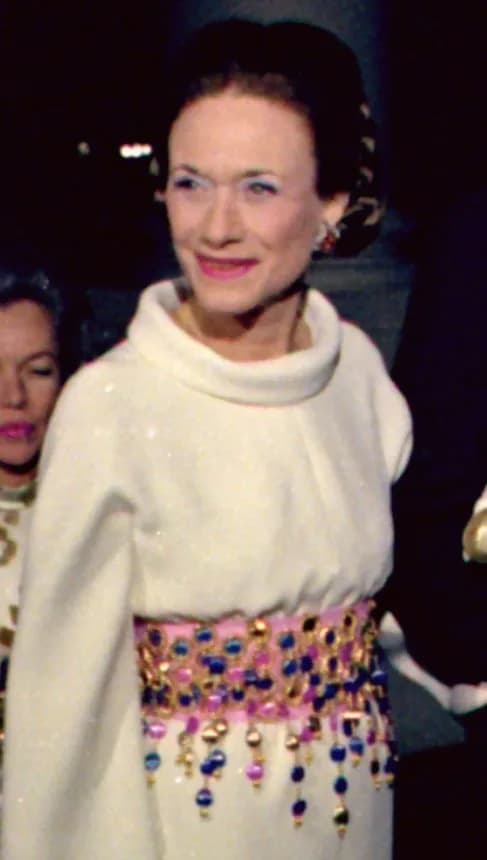
Born
June 19, 1896
Blue Ridge Summit, United States
Died
April 24, 1986
Villa Windsor, France
Known for
American socialite and wife of the Duke of Windsor
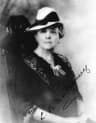
Wallis Simpson (1896–1986) was United States best known for American socialite and wife of the Duke of Windsor.
Wallis Simpson (June 19, 1896 – April 24, 1986) was an American socialite, aristocrat, and collector from the United States. Her intended marriage to Prince Edward, Duke of Windsor, caused a constitutional crisis, leading to his abdication. Her life forever altered the course of British royal history.
Chapter
Life chapters
Chapter 1· Chapter 1 of 7
Early Life and Origins
Wallis Simpson began her life in Blue Ridge Summit, United States, a resort town in Pennsylvania. She was born into an affluent family, with her father, Teackle Wallis Warfield, dying shortly after her birth. This early loss shaped her childhood, as she and her mother, Alice Montague, were often dependent on the generosity of relatives, particularly her wealthy uncle, Solomon Davies Warfield. Her upbringing, while not consistently opulent, provided her with exposure to the social expectations and etiquette of upper-class American society.
Growing up in Baltimore, Maryland, Wallis received an education befitting a young woman of her social standing. She attended the Oldfields School, a prestigious all-girls boarding school, where she developed the poise and social graces that would later define her public persona. These formative years instilled in her an acute awareness of social dynamics and the importance of presentation. This background equipped her with the skills necessary to navigate the intricate world of high society, a skill that would prove crucial in her later life and relationships.
Chapter 2· Chapter 2 of 7
Career Beginnings
Wallis Simpson’s 'career' as a socialite was not a profession in the traditional sense but rather a cultivated role within elite circles. Her early marriages played a significant part in her social ascent. Her first marriage was to Earl Winfield Spencer Jr., a U.S. Navy pilot, which exposed her to various social environments both domestically and internationally. This period allowed her to refine her social skills and expand her network, becoming adept at entertaining and conversating with diverse personalities.
Her subsequent marriage to Ernest Aldrich Simpson, a prominent Anglo-American shipping executive, further solidified her position within transatlantic high society. It was during this marriage that she began to frequent aristocratic gatherings and gain introductions to influential figures in London. These connections laid the groundwork for her eventual introduction to Prince Edward, then the Prince of Wales, and marked the true beginning of her trajectory into the highest echelons of British aristocracy. Her acumen for social engagement was a defining characteristic.
Chapter 3 · 1936· Chapter 3 of 7
Major Achievements and Career Highlights
Wallis Simpson’s most significant impact on history stemmed directly from her relationship with Prince Edward. Their intention to marry became the catalyst for a profound constitutional crisis in 1936. At the heart of the crisis was her status as a divorcée, which rendered her unsuitable as a consort for a reigning British monarch according to the Church of England and societal norms of the time. Edward, then King Edward VIII, was faced with an untenable choice between his love for Wallis and his duties as sovereign.
The unprecedented decision Edward made, influenced by his unwavering commitment to marry Wallis, was to abdicate the throne. This act, which occurred on December 11, 1936, marked a seismic shift in the British monarchy and solidified Wallis Simpson's place in history. She became the woman for whom a king gave up his crown, an event that reshaped the line of succession and redefined the expectations placed upon the British royal family. This singular event, driven by personal affection, remains her most notable 'achievement' in terms of historical consequence.
Chapter 4· Chapter 4 of 7
Personal Life
Wallis Simpson’s personal life was largely defined by her three marriages, culminating in her union with Prince Edward. Her relationship with Edward began while she was still married to Ernest Simpson, creating considerable social friction and scandal in certain circles. Despite the public scrutiny and private objections from the British establishment, their bond grew stronger. Edward’s determination to marry Wallis, irrespective of the constitutional implications, showcased the intensity of their connection. She was a woman who inspired such devotion from a king.
After Edward’s abdication, the couple married on June 3, 1937, and Wallis became the Duchess of Windsor. They spent the remainder of their lives together, primarily in France, living as expatriates. Their life together was one of constant companionship and a shared existence largely outside the direct ceremonial duties of the British royal family. Their union, born out of crisis, settled into a private existence marked by their shared interests and social engagements. Her life with Edward was a testament to their enduring personal commitment amidst extraordinary circumstances.
Chapter 5· Chapter 5 of 7
Notable Works or Contributions
While not a professional artist or scholar, Wallis Simpson was recognized as a discerning collector. Throughout her life, and particularly during her years as the Duchess of Windsor, she amassed a notable collection of fine art, furniture, and particularly exquisite jewelry. Her aristocratic lifestyle afforded her the opportunity to pursue these passions, and her keen eye for quality and aesthetics was evident in the pieces she acquired. This aspect of her life reflected a cultivated taste and an engagement with the world of luxury and design.
Her collection became, in a sense, a reflection of her personal style and her position within elite society. The objects she collected, many of which were later auctioned, demonstrated a sophisticated understanding of craftsmanship and value. This dedication to collecting was a significant part of her identity as an aristocrat and socialite, showcasing her appreciation for beauty and her ability to curate a refined personal environment. Her contributions were in shaping and reflecting high society tastes rather than creating works herself.
Chapter 6· Chapter 6 of 7
Later Years
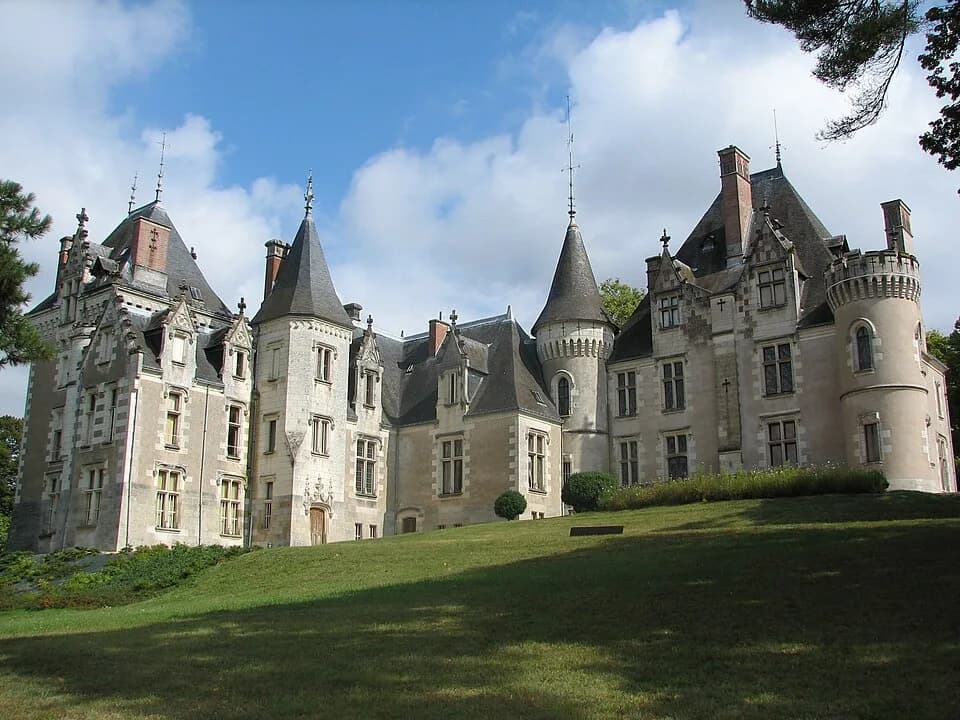
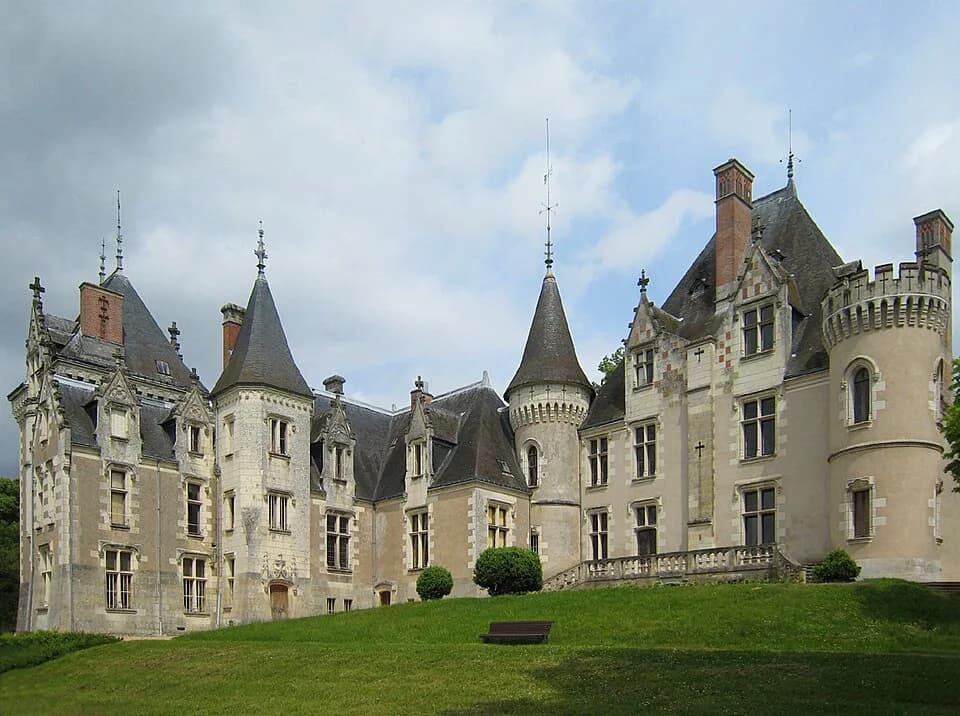
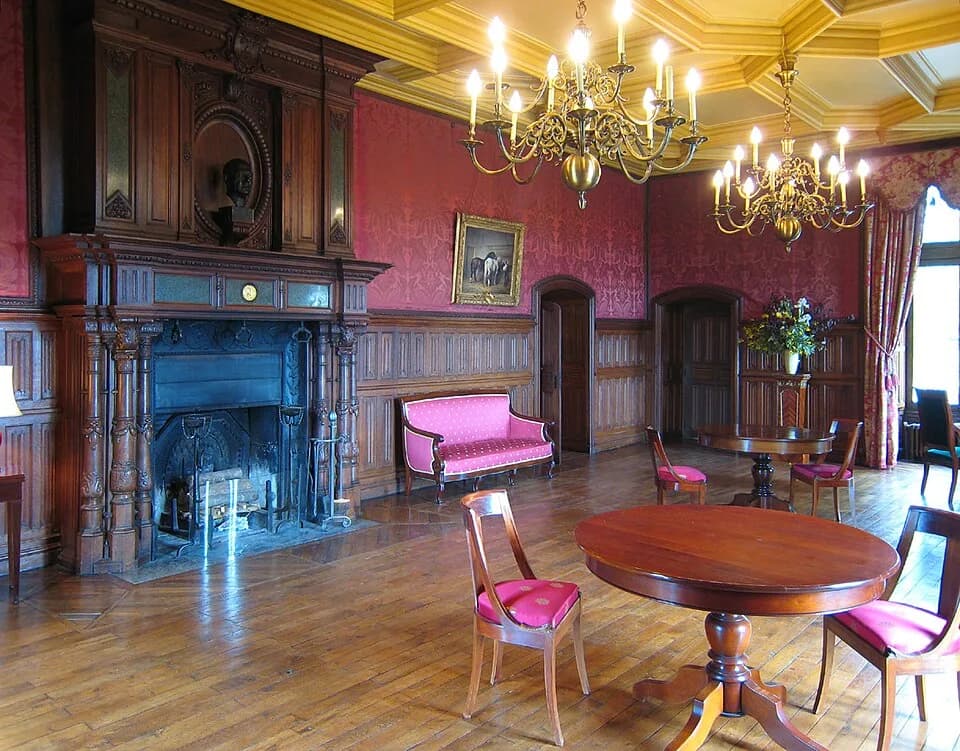
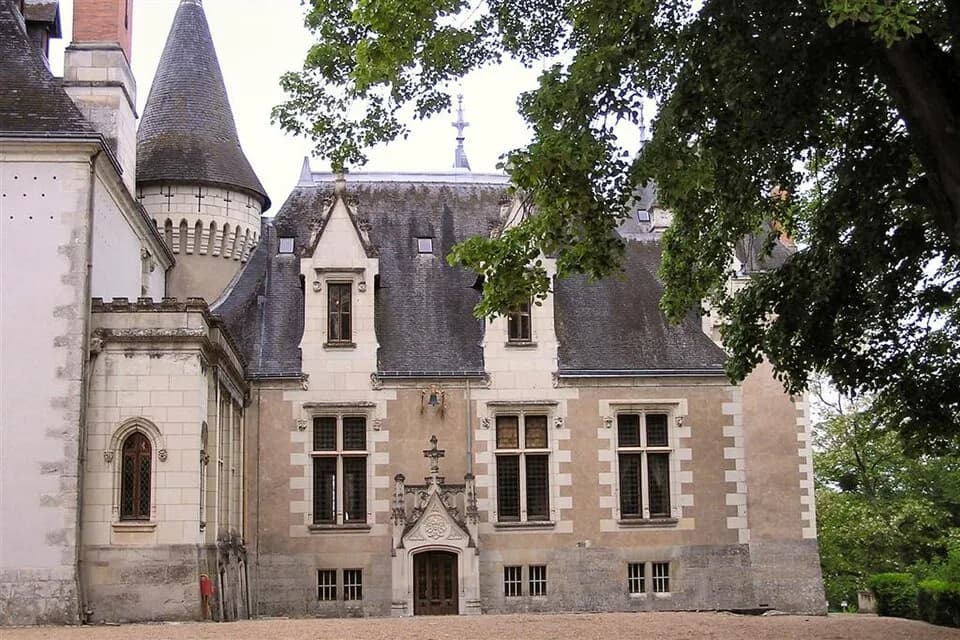
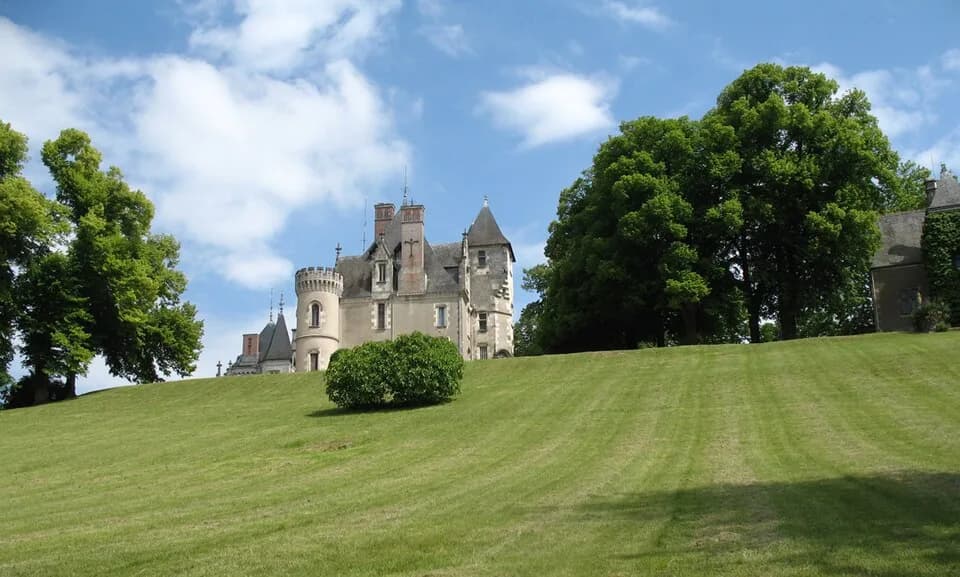
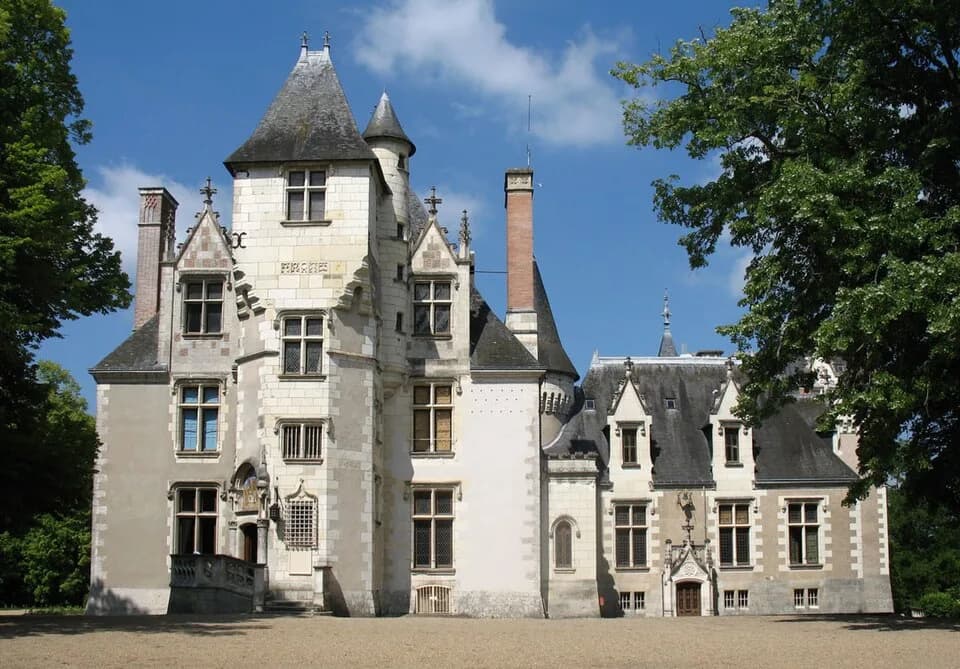
Following Edward’s abdication and their marriage, Wallis, Duchess of Windsor, and her husband settled predominantly in France. They resided in various locations, with their final significant home being the Villa Windsor in Paris. Their later years were spent cultivating their social life, traveling, and maintaining a dignified, albeit unofficial, presence in European high society. Despite the controversy that had surrounded their early relationship, they built a life together that spanned several decades, away from the direct pressures of the British crown.
Wallis outlived Edward, who passed away in 1972. Her final years were spent in the Villa Windsor, a period often marked by ill health and increasing reclusiveness. She passed away in her beloved home on April 24, 1986, at the age of 89. Her long life, lived under the shadow of extraordinary historical events, concluded peacefully in the country that had become her primary residence. Her passing marked the end of an era, closing the chapter on one of the 20th century's most discussed royal romances and its far-reaching consequences.
Chapter 7 · 1936· Chapter 7 of 7
Legacy and Impact
Wallis Simpson’s legacy is undeniably intertwined with the fate of the British monarchy. Her role in the constitutional crisis of 1936 created a precedent for how the institution would manage future conflicts between personal choice and duty. Edward's abdication, triggered by his desire to marry her, demonstrated the immense power of individual will even within the rigid framework of hereditary rule. This event served as a stark reminder of the human element at the heart of even the most ancient traditions. The public discourse surrounding their union forever changed perceptions of royal marriage and succession.
Her enduring impact also lies in her status as an American woman who married into the British royal family, albeit unofficially. She challenged the traditional image of a royal consort and brought a decidedly modern, independent spirit to the conversation. Wallis Simpson’s story continues to be analyzed for its insights into class, gender, and power dynamics in the 20th century. Her life profoundly influenced British history and remains a captivating subject of historical and biographical interest. Her name evokes a tale of love, sacrifice, and an enduring shift in royal protocol, ensuring her place in the annals of time.
A life in moments
The moments that shaped a life
FAQ
Frequently asked
When did Wallis Simpson die?
Wallis Simpson died on April 24, 1986 in Villa Windsor, France, at the age of 89.
Where was Wallis Simpson born?
Wallis Simpson was born in Blue Ridge Summit, United States on June 19, 1896.
What is Wallis Simpson best known for?
Wallis Simpson is best known for American socialite and wife of the Duke of Windsor.
How old was Wallis Simpson when they died?
Wallis Simpson was 89 years old at the time of death.
What nationality was Wallis Simpson?
Wallis Simpson was from United States.
Timeline
Life at a glance
Photo gallery
A life in pictures
Click any polaroid to expand · 24 photos
QR Code
Share This Biography
Print & Share
Scan to visit this biography page. Print for events, exhibitions, or educational materials.