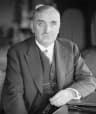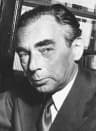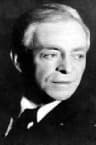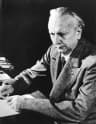
Born
February 23, 1868
Great Barrington, United States
Died
August 27, 1963
Accra, Ghana
Known for
American sociologist and activist
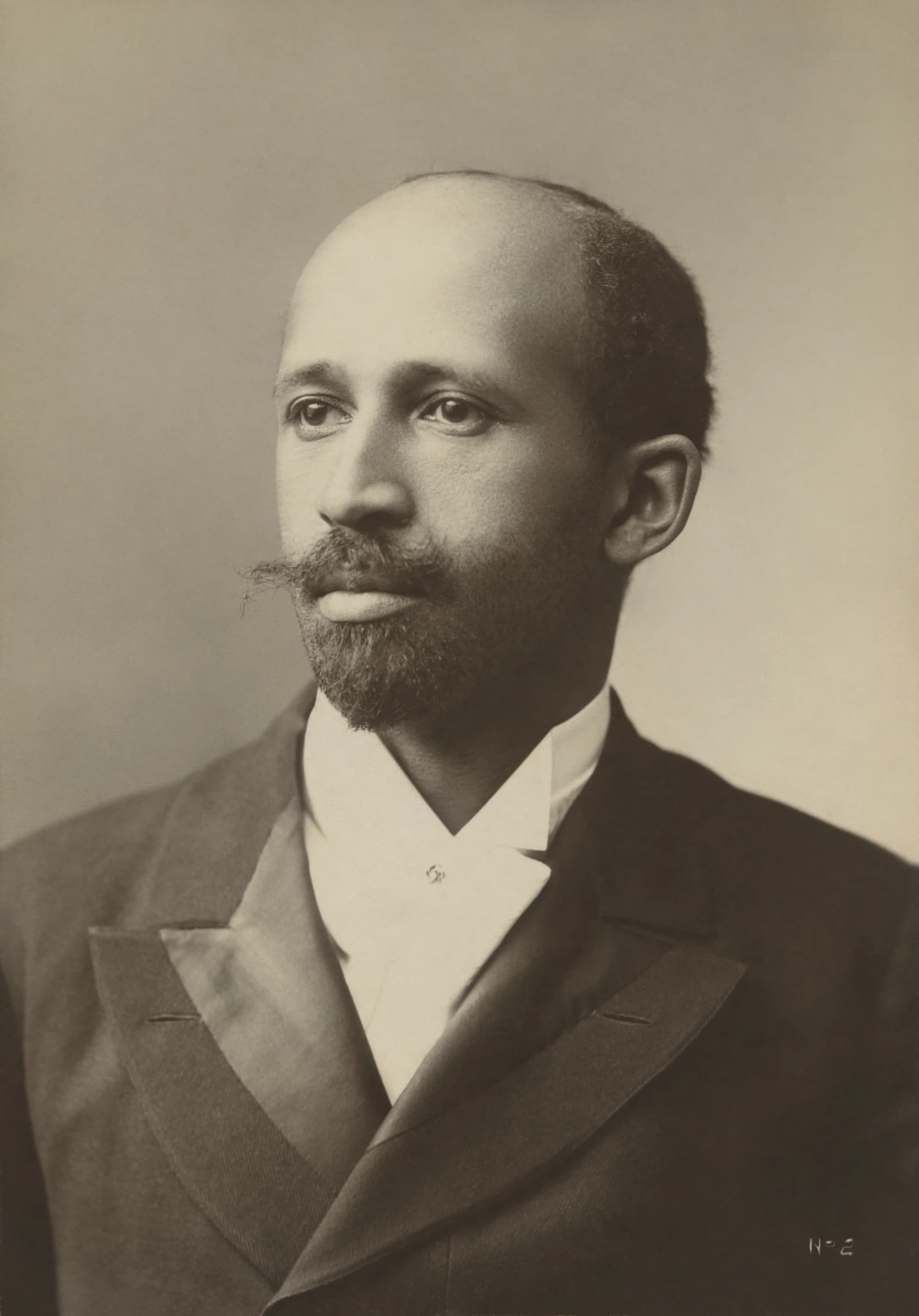
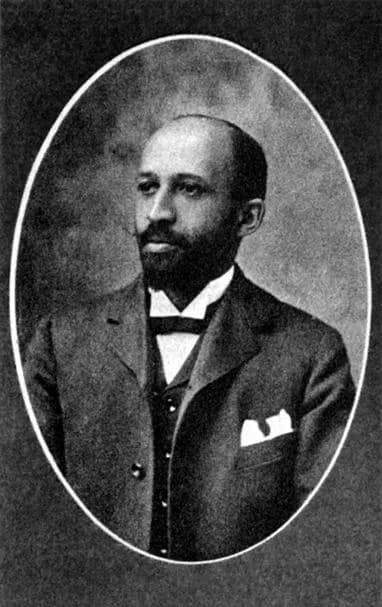
W. E. B. Du Bois (1868–1963) was United States best known for American sociologist and activist.
William Edward Burghardt Du Bois (February 23, 1868 – August 27, 1963) was an American sociologist and civil rights activist from Great Barrington, United States. He was the first African American to earn a doctorate from Harvard University, becoming a prominent voice for racial equality and Pan-Africanism. His extensive writings and advocacy profoundly shaped the civil rights movement.
Chapter
Life chapters
Chapter 1 · 1868· Chapter 1 of 8
Opening Tribute
William Edward Burghardt Du Bois (February 23, 1868 – August 27, 1963) stands as a monumental figure in American history, celebrated as a pioneering sociologist, prolific writer, and unwavering civil rights activist. A Pan-Africanist at heart, his life's work was dedicated to championing the rights and dignity of Black people across the globe. From his academic achievements as the first African American to earn a doctorate from Harvard to his tireless advocacy, Du Bois shaped the intellectual and political discourse of the 20th century. His legacy continues to inspire generations in the ongoing pursuit of justice and equality.
Chapter 2 · 1868· Chapter 2 of 8
Early Life and Origins
Born on February 23, 1868, in Great Barrington, Massachusetts, William Edward Burghardt Du Bois experienced a childhood in a community that was notably more tolerant and integrated than many others of his era. This early environment likely influenced his later commitment to racial equality and understanding. His educational journey culminated at Harvard University, where he pursued graduate studies with remarkable dedication, becoming the first African American to earn a doctorate from the esteemed institution. This achievement marked a significant milestone in both his personal life and the broader academic world.
Chapter 3· Chapter 3 of 8
Career Beginnings
Following his significant academic achievement, W. E. B. Du Bois embarked on a distinguished career that would see him become a formidable intellectual and activist. He accepted a professorship at Atlanta University, where he began to apply his sociological insights to the pressing issues facing African Americans. His early work involved deep empirical research into the conditions of Black communities, laying the foundation for his later influential publications. Through his teaching and scholarly endeavors, Du Bois quickly established himself as a leading voice articulating the systemic challenges of racial inequality.
Chapter 4· Chapter 4 of 8
Major Achievements and Career Highlights
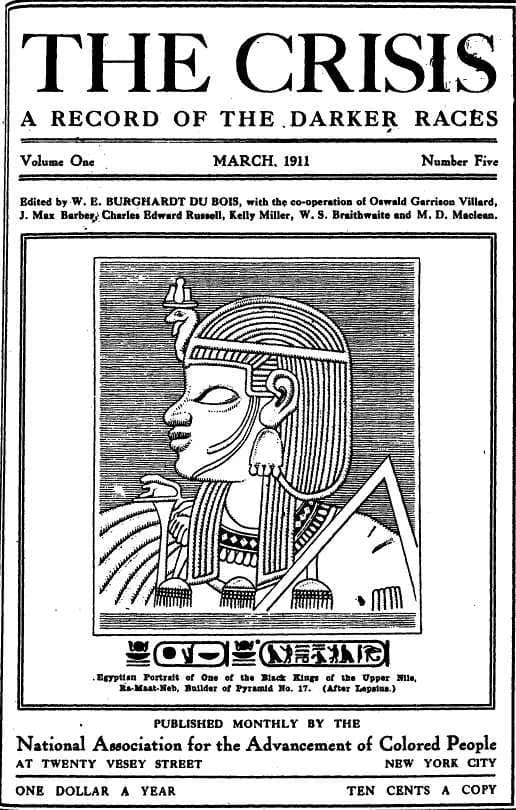
Throughout his extensive career, W. E. B. Du Bois distinguished himself across numerous professions, including that of a sociologist, historian, and civil rights advocate. His role as a human rights defender and Pan-Africanist activist solidified his stature as a global icon for racial justice. He was not only a prolific writer and teacher but also a photographer, poet, economist, journalist, art historian, and novelist.
Du Bois’s unique blend of academic rigor and fervent activism made him an unparalleled force in the struggle for equality, constantly challenging prevailing racial norms. His relentless advocacy for civil rights and human dignity spanned decades, making him a central figure in the early 20th-century movements. His contributions as a philosopher, opinion journalist, social worker, novelist, autobiographer, and pacifist underscore the breadth of his commitment to societal improvement.
Chapter 5· Chapter 5 of 8
Personal Life
While W. E. B. Du Bois's personal life details are not extensively chronicled in the provided information, his immense dedication to his professional and activist callings speaks volumes about his character. His commitment as a pacifist, teacher, and philosopher informed his daily existence and interactions. The pursuit of justice and intellectual inquiry appears to have been a driving force, shaping his choices and life's path, as reflected in his extensive body of work.
Chapter 6 · 1746· Chapter 6 of 8
Notable Works and Contributions
W. E. B. Du Bois was an exceptionally prolific author, contributing a vast array of works across various genres and disciplines. His notable bibliography includes significant titles such as The Negro Problem, The college-bred Negro, and From Servitude to Service: Being the Old South Lectures on the History and Work of Southern.... He also authored An ABC of color, Behold the land, and The poetry of the Negro, 1746-1970, showcasing his diverse literary output.
Beyond his writings, Du Bois was also recognized for his artistic contributions, notably producing "Restaurant No. 1" in 1924, which is held by the AIC. His academic contributions include top works such as Federal Theatre Plays (1973), which garnered 5 citations, and The American threat to British culture (1952), also with 5 citations. Other significant academic works include Moton of Hampton and Tuskegee (1940) and The Passing of Alain Leroy Locke (1954).
Chapter 7 · 1963· Chapter 7 of 8
Later Years
In the twilight of his remarkable life, W. E. B. Du Bois made the significant decision to relocate to Ghana, embracing the Pan-Africanist ideals he had long championed. He spent his final years living in the vibrant West African nation, continuing his work and advocacy on a global stage. It was in Accra, Ghana, that he passed away peacefully on August 27, 1963, at the age of 95, exactly one day before the March on Washington for Jobs and Freedom.
Chapter 8· Chapter 8 of 8
Legacy and Impact
W. E. B. Du Bois's legacy is immense and enduring, deeply affecting the fields of sociology, history, and civil rights activism for generations to come. As a pioneering Pan-Africanist, he provided intellectual frameworks and fervent leadership that propelled movements for racial equality and decolonization globally. His extensive body of work, comprising numerous books, articles, and essays, continues to be studied and debated for its profound insights into race, class, and colonialism. Du Bois's tireless pursuit of human rights and his insistence on the full humanity of Black people ensured his lasting influence as one of the most significant intellectual figures of the 20th century.
A life in moments
The moments that shaped a life
FAQ
Frequently asked
When did W. E. B. Du Bois die?
W. E. B. Du Bois died on August 27, 1963 in Accra, Ghana, at the age of 95.
Where was W. E. B. Du Bois born?
W. E. B. Du Bois was born in Great Barrington, United States on February 23, 1868.
What is W. E. B. Du Bois best known for?
W. E. B. Du Bois is best known for American sociologist and activist.
How old was W. E. B. Du Bois when they died?
W. E. B. Du Bois was 95 years old at the time of death.
What nationality was W. E. B. Du Bois?
W. E. B. Du Bois was from United States.
Timeline
Life at a glance
Photo gallery
A life in pictures
Click any polaroid to expand · 24 photos
QR Code
Share This Biography
Print & Share
Scan to visit this biography page. Print for events, exhibitions, or educational materials.