Born
January 1, 1897
Vạn Khánh, Vietnam
Died
June 11, 1963
Saigon, France
Known for
Vietnamese monk who self-immolated in 1963
Thích Quảng Đức (1897–1963) was Vietnam best known for Vietnamese monk who self-immolated in 1963.
Thích Quảng Đức (January 1, 1897 – June 11, 1963) was a Buddhist monk from Vạn Khánh, Vietnam. He gained global recognition for his self-immolation in Saigon in 1963, protesting the persecution of Buddhists by the South Vietnamese government. His act profoundly influenced international opinion, highlighting religious injustice.
A life in moments
The moments that shaped a life
Chapter
Life chapters
Chapter 1 · 1897· Chapter 1 of 6
Early Life and Origins
Born on January 1, 1897, in Vạn Khánh, Vietnam, Thích Quảng Đức's spiritual journey began in his homeland. His upbringing within a cultural context deeply rooted in Buddhist traditions naturally guided him towards a monastic life. From a young age, he committed himself to the rigorous discipline and spiritual development required to become a Buddhist monk.
Chapter 2· Chapter 2 of 6
Career Beginnings
Having dedicated his early life to spiritual study and practice, Thích Quảng Đức embarked on his professional path as a Buddhist monk. His work involved serving his community, engaging in religious ceremonies, and spreading the teachings of Mahayana Buddhism. He quietly contributed to the spiritual well-being of the Vietnamese people, establishing himself as a respected figure within his religious order.
Chapter 3 · 1963· Chapter 3 of 6
Major Achievements and Career Highlights
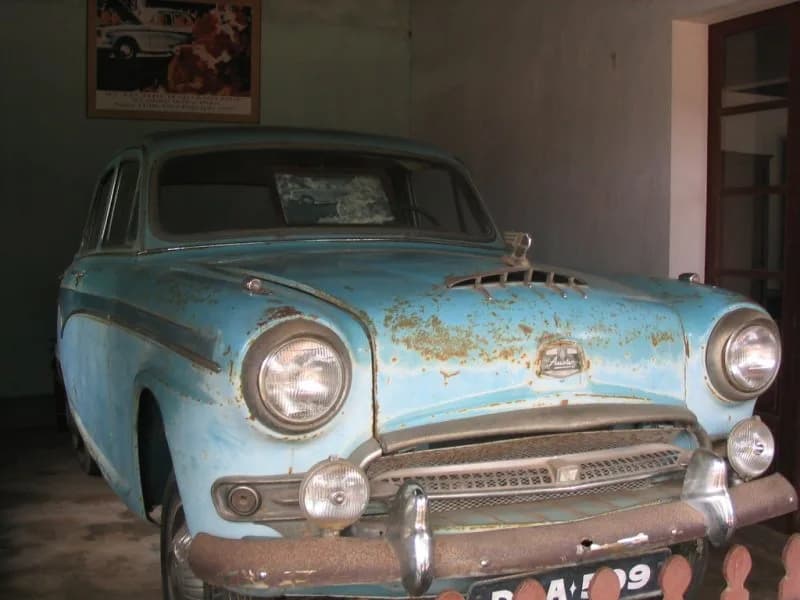
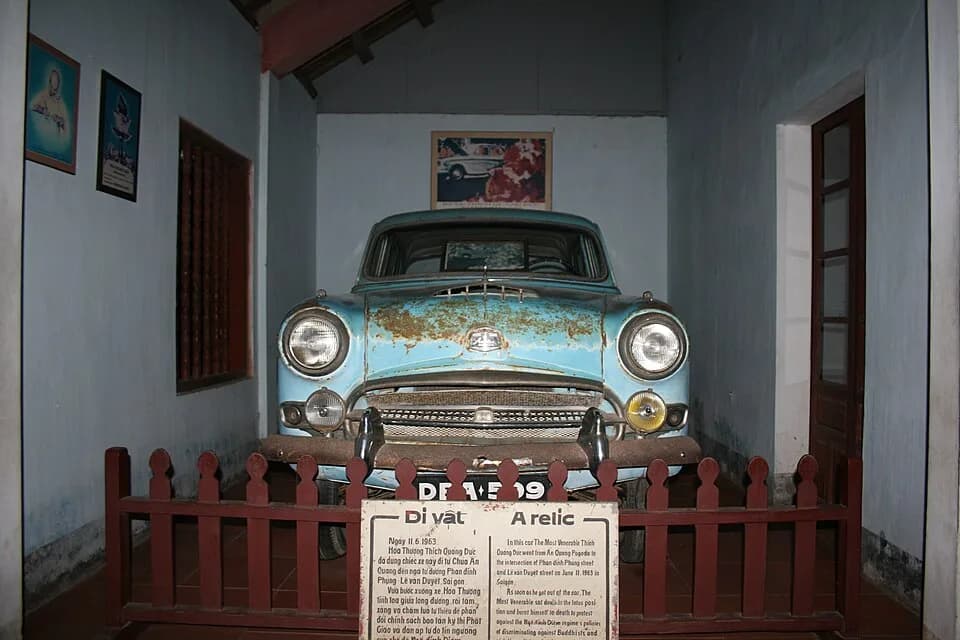
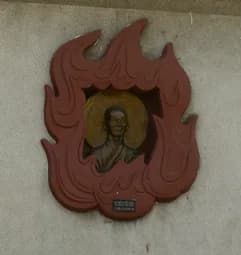
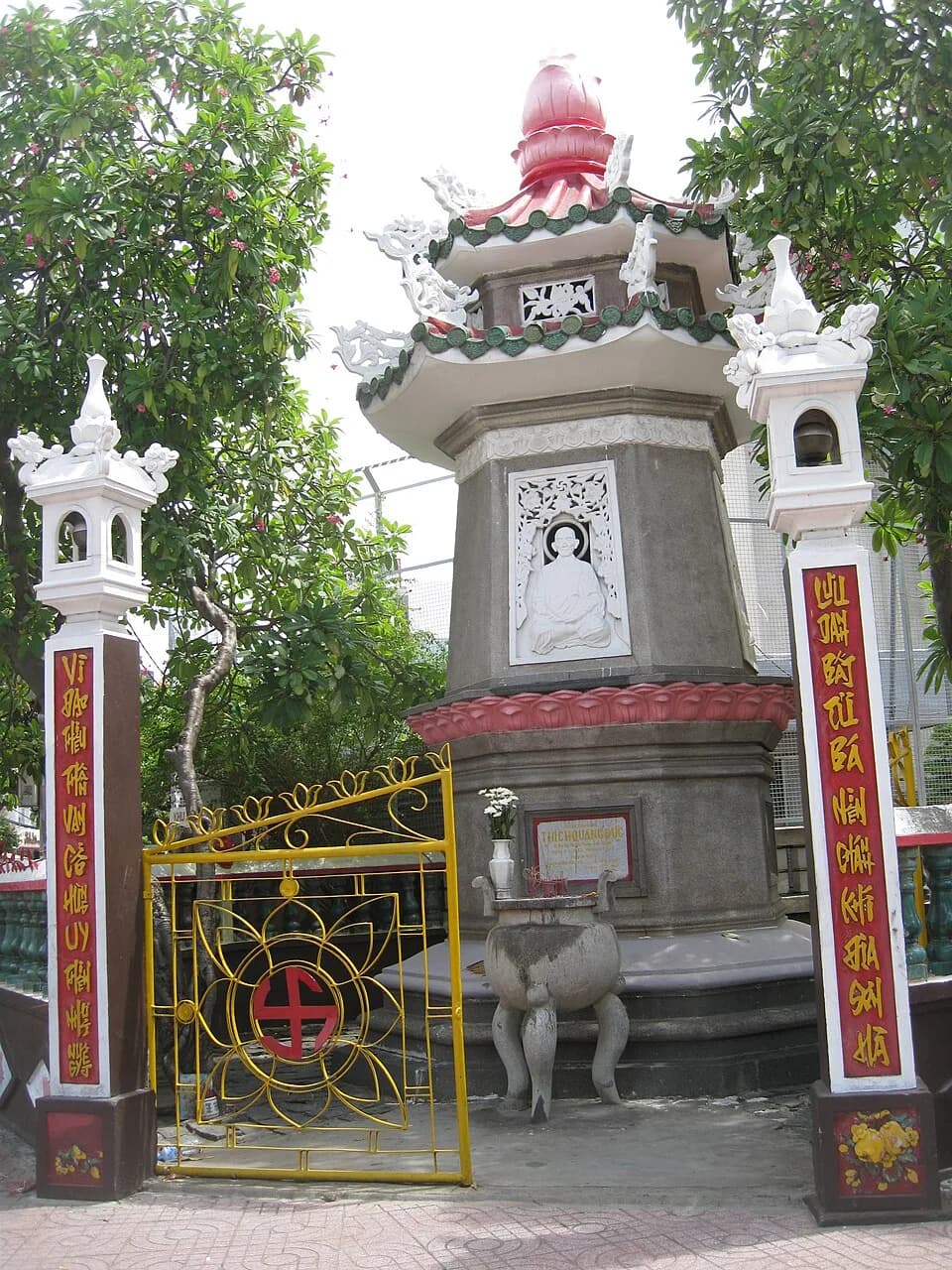
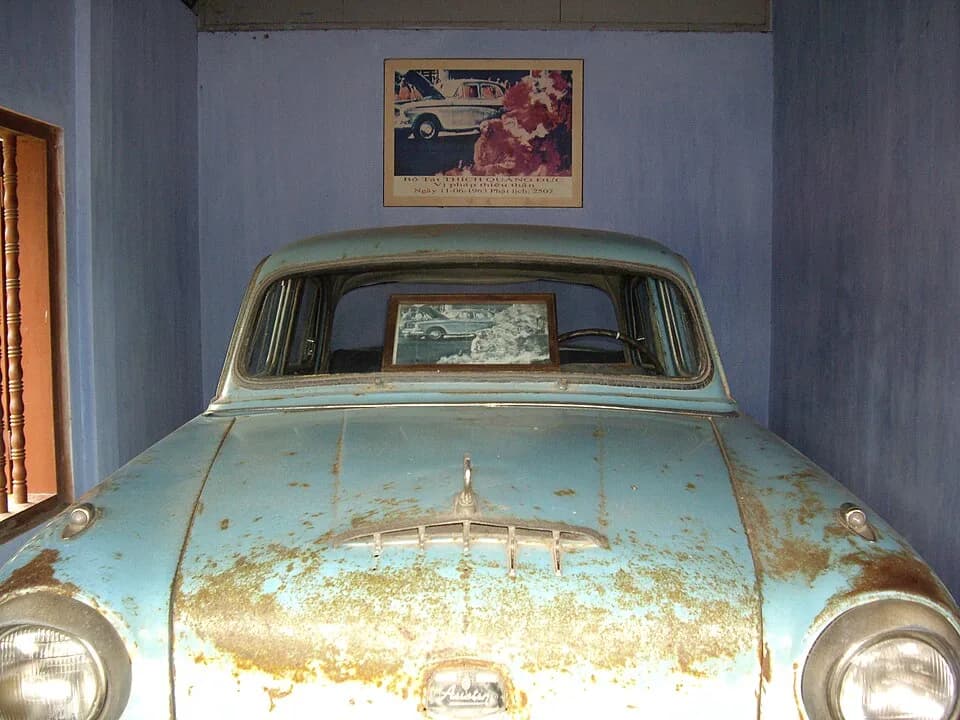
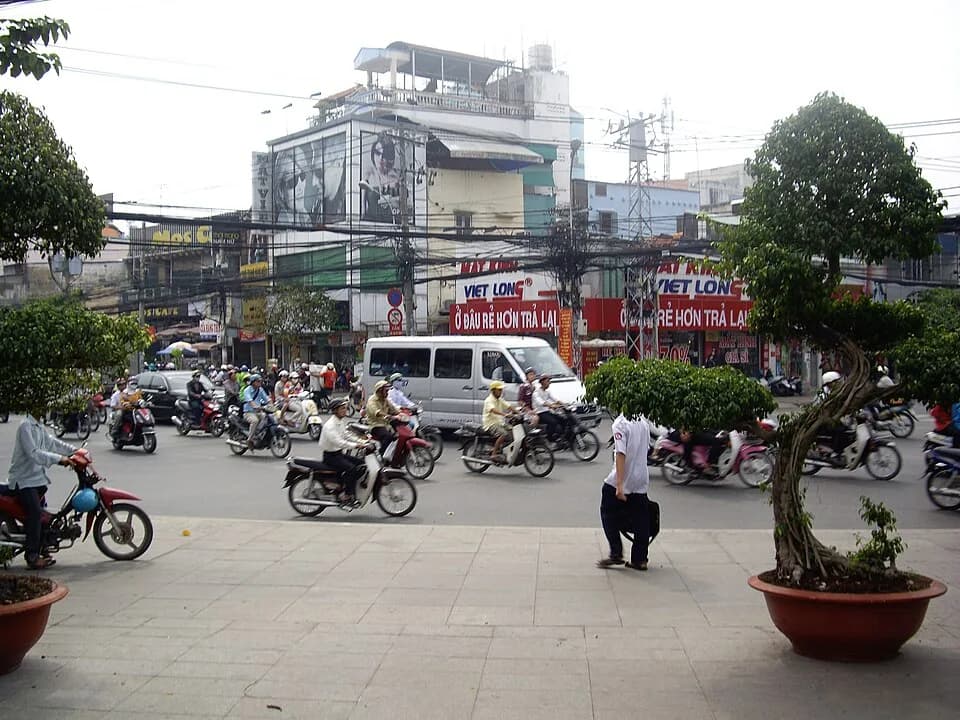
Thích Quảng Đức's most significant achievement was his self-immolation on June 11, 1963, which became a globally recognized act of protest. This brave demonstration occurred at a busy intersection in Saigon and was a direct challenge to the South Vietnamese government. He aimed to highlight the persecution of Buddhists by the government of Ngô Đình Diệm, whose administration was heavily influenced by Roman Catholicism.
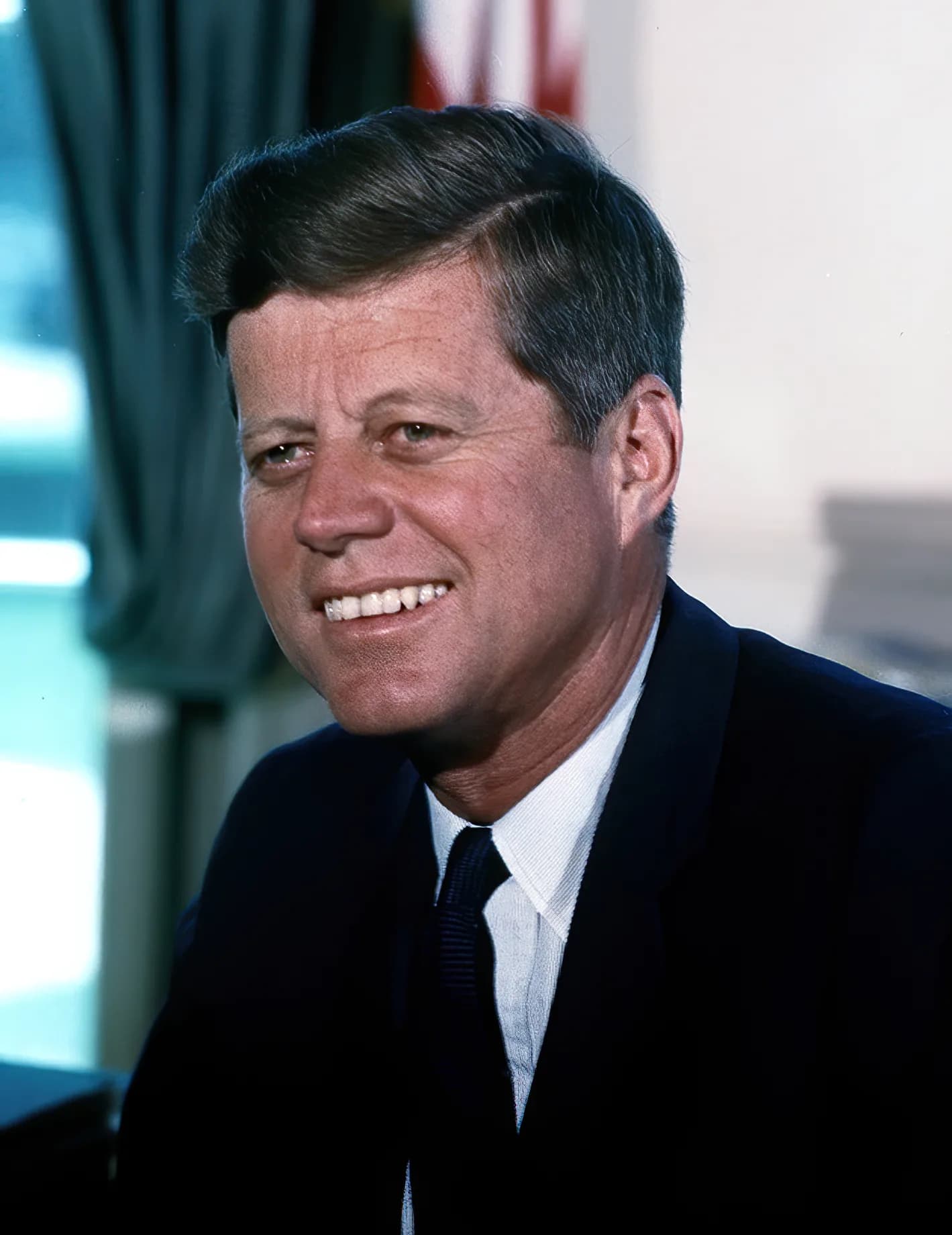
The photographs of his serene self-immolation circulated worldwide, generating widespread empathy and outrage. These images brought unprecedented attention to the political and religious turmoil in Vietnam. John F. Kennedy famously noted the profound emotional response these pictures evoked, stating, "No news picture in history has generated so much emotion around the world as that one."
Chapter 4· Chapter 4 of 6
Notable Works or Contributions
Thích Quảng Đức's primary contribution was his ultimate act of protest, which transcended traditional forms of activism. His self-immolation served as a potent, undeniable visual statement against state-sponsored religious oppression. This single act became a powerful symbol of the struggle for religious freedom and human rights, galvanizing international opinion.
The iconic image of his sacrifice, captured by photographer Malcolm Browne, earned Browne the World Press Photo of the Year award. This recognition further cemented the historical importance and global reach of Quảng Đức's protest. His self-sacrifice ensured that the world could no longer ignore the plight of the Vietnamese Buddhist community.
Chapter 5· Chapter 5 of 6
Later Years
In the final years of his life, Thích Quảng Đức witnessed and opposed the escalating persecution of Buddhists in South Vietnam. His decision to self-immolate was a meticulously planned and deeply spiritual act, not one of despair. He sought to create an unignorable moment that would force the Diệm government to reconsider its harsh policies against the Buddhist population.
Chapter 6· Chapter 6 of 6
Legacy and Impact
The legacy of Thích Quảng Đức is profoundly shaped by the global impact of his self-immolation. His act not only drew immediate and intense attention to the persecution of Buddhists but also led to widespread condemnation of the Diệm government's actions. This event played a significant role in eroding international support for the Diệm regime, influencing subsequent political developments in Vietnam.
Thích Quảng Đức remains an enduring symbol of spiritual conviction and peaceful resistance against injustice. His name is forever associated with courage in the face of tyranny and the universal struggle for human and religious freedoms. His sacrifice continues to inspire discussions on civil disobedience and the power of individual acts of protest.
FAQ
Frequently asked
When did Thích Quảng Đức die?
Thích Quảng Đức died on June 11, 1963 in Saigon, France, at the age of 66.
Where was Thích Quảng Đức born?
Thích Quảng Đức was born in Vạn Khánh, Vietnam on January 1, 1897.
What is Thích Quảng Đức best known for?
Thích Quảng Đức is best known for Vietnamese monk who self-immolated in 1963.
How old was Thích Quảng Đức when they died?
Thích Quảng Đức was 66 years old at the time of death.
What nationality was Thích Quảng Đức?
Thích Quảng Đức was from Vietnam.
Timeline
Life at a glance
Photo gallery
A life in pictures
Click any polaroid to expand · 22 photos
QR Code
Share This Biography
Print & Share
Scan to visit this biography page. Print for events, exhibitions, or educational materials.