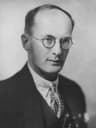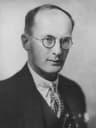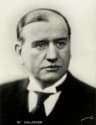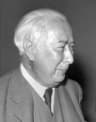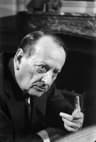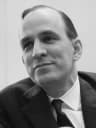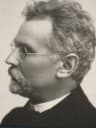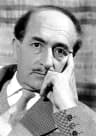
Born
August 20, 1884
Wiefelstede, Germany
Died
July 30, 1976
Marburg, Germany
Known for
German theologian
Rudolf Bultmann (1884–1976) was Germany best known for German theologian.
Rudolf Bultmann (August 20, 1884 – July 30, 1976) was a German theologian from Wiefelstede, Germany. He was known for his existentialist interpretation of the New Testament and his role in early 20th-century biblical studies. Bultmann's critical approach to theology left a lasting mark on Christian thought and hermeneutics.
Chapter
Life chapters
Chapter 1 · 1884· Chapter 1 of 7
Early Life and Origins
Rudolf Bultmann began his life in Wiefelstede, Germany, the place of his birth on August 20, 1884. Growing up in Germany, his early experiences undoubtedly shaped his intellectual curiosity and spiritual formation. While specific details of his family life or upbringing are not extensively provided, his origins in Wiefelstede marked the beginning of a life dedicated to profound academic and theological inquiry.
Chapter 2· Chapter 2 of 7
Career Beginnings
Bultmann embarked on an academic path that saw him rise to prominence as a university teacher and philosopher. His initial work laid the groundwork for his eventual specialization in New Testament studies. He devoted himself to rigorous scholarship, which prepared him for a distinguished career in theological education and research.
His dedication culminated in his appointment as a professor of the New Testament at the University of Marburg. This position provided him with a significant platform to develop and disseminate his unique hermeneutical approaches, solidifying his role in the intellectual life of the early 20th century.
Chapter 3· Chapter 3 of 7
Major Achievements and Career Highlights
As a professor at the University of Marburg, Rudolf Bultmann emerged as a central figure in biblical scholarship. He became widely known for his critical stance against liberal theology, offering robust arguments for alternative interpretive frameworks. His intellectual rigor and willingness to challenge established paradigms defined his academic contributions.
A key aspect of Bultmann's work was his advocacy for an existentialist interpretation of the New Testament. This approach marked a significant shift in how many scholars understood and engaged with biblical texts. His ideas were central to the development of dialectical theology, further showcasing his influence on modern theological thought.
Chapter 4· Chapter 4 of 7
Personal Life
The available information primarily focuses on Rudolf Bultmann's professional and academic achievements. Details regarding his personal life, family, specific relationships, or private interests beyond his scholarly pursuits are not extensively documented. His public identity was largely intertwined with his profound contributions to theology and philosophy.
Chapter 5· Chapter 5 of 7
Notable Works or Contributions
Rudolf Bultmann was a prolific scholar, producing a substantial body of work that included 62 academic papers, resulting in an h-index of 17. His publications reflected his deep engagement with New Testament studies, philosophy, and hermeneutics. These works continue to be studied and debated in theological and philosophical circles.
Among his most cited works is "Faith and understanding," published in 2012, which received 39 citations, underscoring its enduring relevance. Another significant contribution was "THE CONCEPT OF ANXIETY AND ITS REFLECTION IN AUDEN ’ S WORK ‘ THE AGE OF ANXIETY," cited 13 times in 2016, demonstrating his interdisciplinary reach. His writings often explored complex theological and philosophical themes, inviting deeper reflection.
Further contributions include "History and Eschatology: The Presence of Eternity" from 2019, with 4 citations, and "Exchange on Hans Jonas’ Essay on Immortality," also from 2019, with 1 citation. He also posed thought-provoking questions, such as in "Is there a God-shaped hole in contemporary art?" from 2012, which received 1 citation. These works exemplify his wide-ranging intellectual curiosity and his consistent effort to connect theology with broader human experience.
Chapter 6 · 1976· Chapter 6 of 7
Later Years
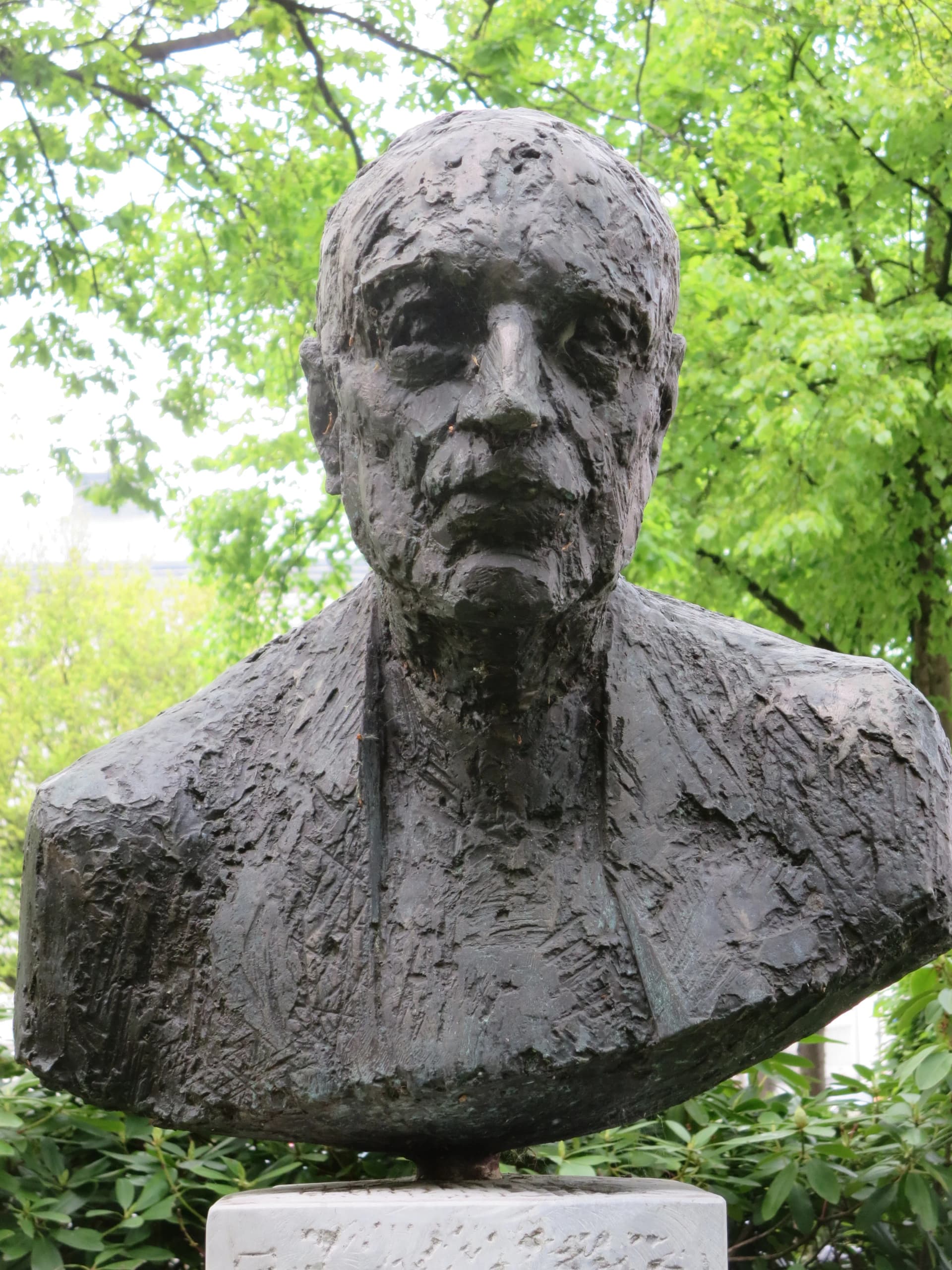
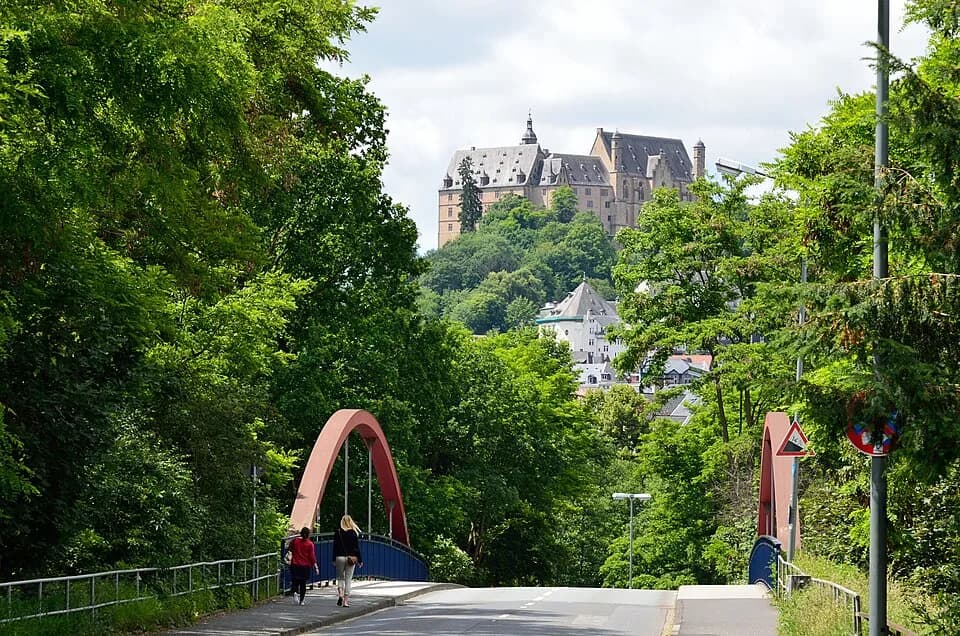
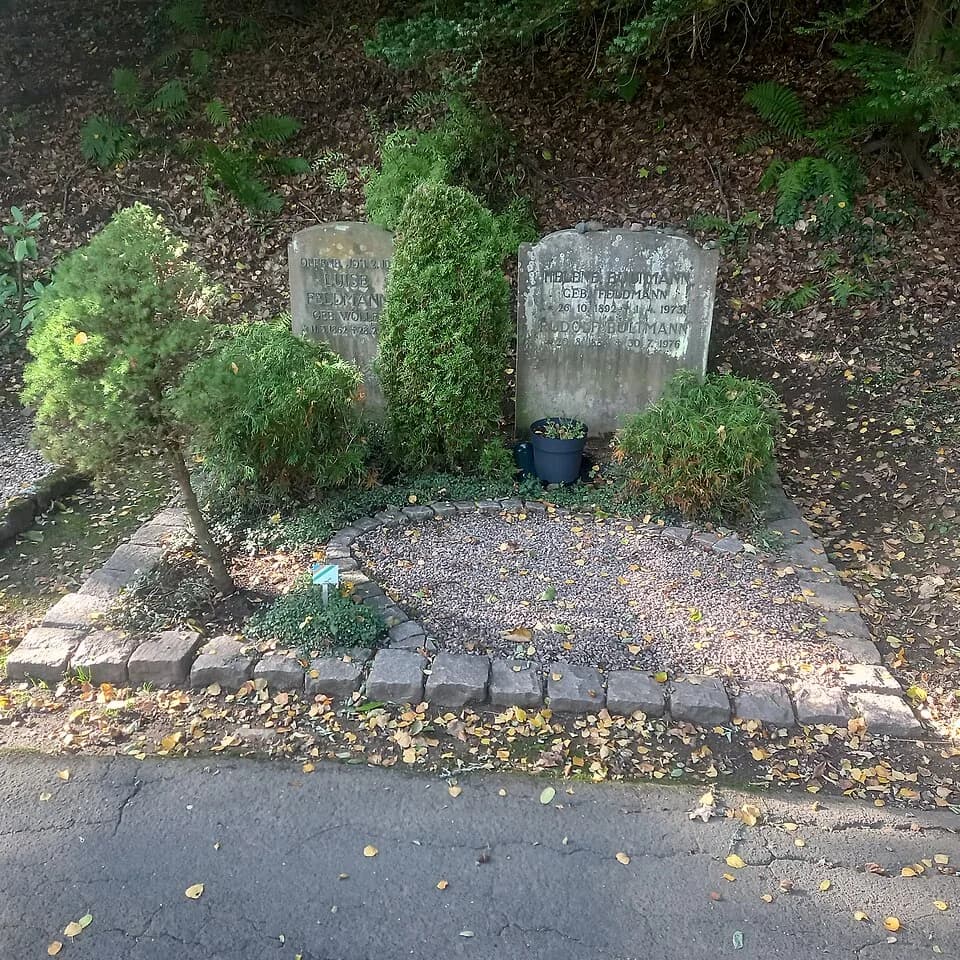
Rudolf Bultmann continued his work and influence until his passing on July 30, 1976, in Marburg, Germany. His later years were spent reflecting on his extensive scholarly career and the continuing evolution of theological thought. He remained a respected and consulted authority in his field, even as new generations of scholars emerged.
His final years in Marburg, the city where he had spent so much of his professional life, served as a quiet conclusion to a career filled with intellectual dynamism. He left behind a rich tapestry of writings and ideas that ensured his ongoing presence in academic discourse.
Chapter 7· Chapter 7 of 7
Legacy and Impact
Rudolf Bultmann's legacy is primarily defined by his innovative hermeneutical approach to the New Testament and his proponent role in dialectical theology. His critical analysis of existing theological frameworks provided new avenues for understanding Christian doctrines. He challenged his contemporaries to engage with scripture in ways that resonated with modern philosophical thought.
His influence on biblical studies remains profound, having spurred decades of discussion and research into existentialist interpretations and demythologization. The questions he raised about the nature of faith, understanding, and the historical Jesus continue to shape theological education and scholarship. Bultmann's work encourages ongoing critical engagement with religious texts, fostering a dynamic and evolving theological tradition.
A life in moments
The moments that shaped a life



FAQ
Frequently asked
When did Rudolf Bultmann die?
Rudolf Bultmann died on July 30, 1976 in Marburg, Germany, at the age of 91.
Where was Rudolf Bultmann born?
Rudolf Bultmann was born in Wiefelstede, Germany on August 20, 1884.
What is Rudolf Bultmann best known for?
Rudolf Bultmann is best known for German theologian.
How old was Rudolf Bultmann when they died?
Rudolf Bultmann was 91 years old at the time of death.
What nationality was Rudolf Bultmann?
Rudolf Bultmann was from Germany.
Timeline
Life at a glance
Photo gallery
A life in pictures
Click any polaroid to expand · 16 photos
QR Code
Share This Biography
Print & Share
Scan to visit this biography page. Print for events, exhibitions, or educational materials.