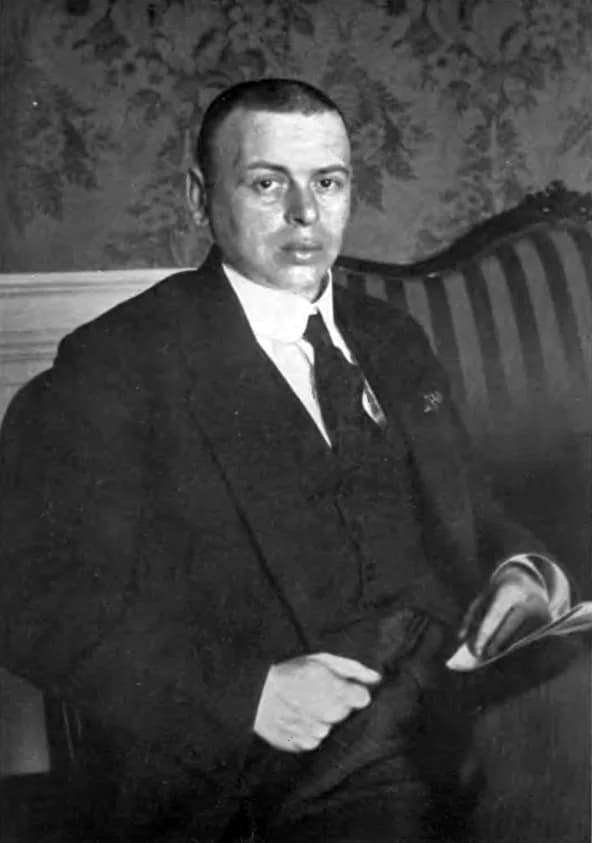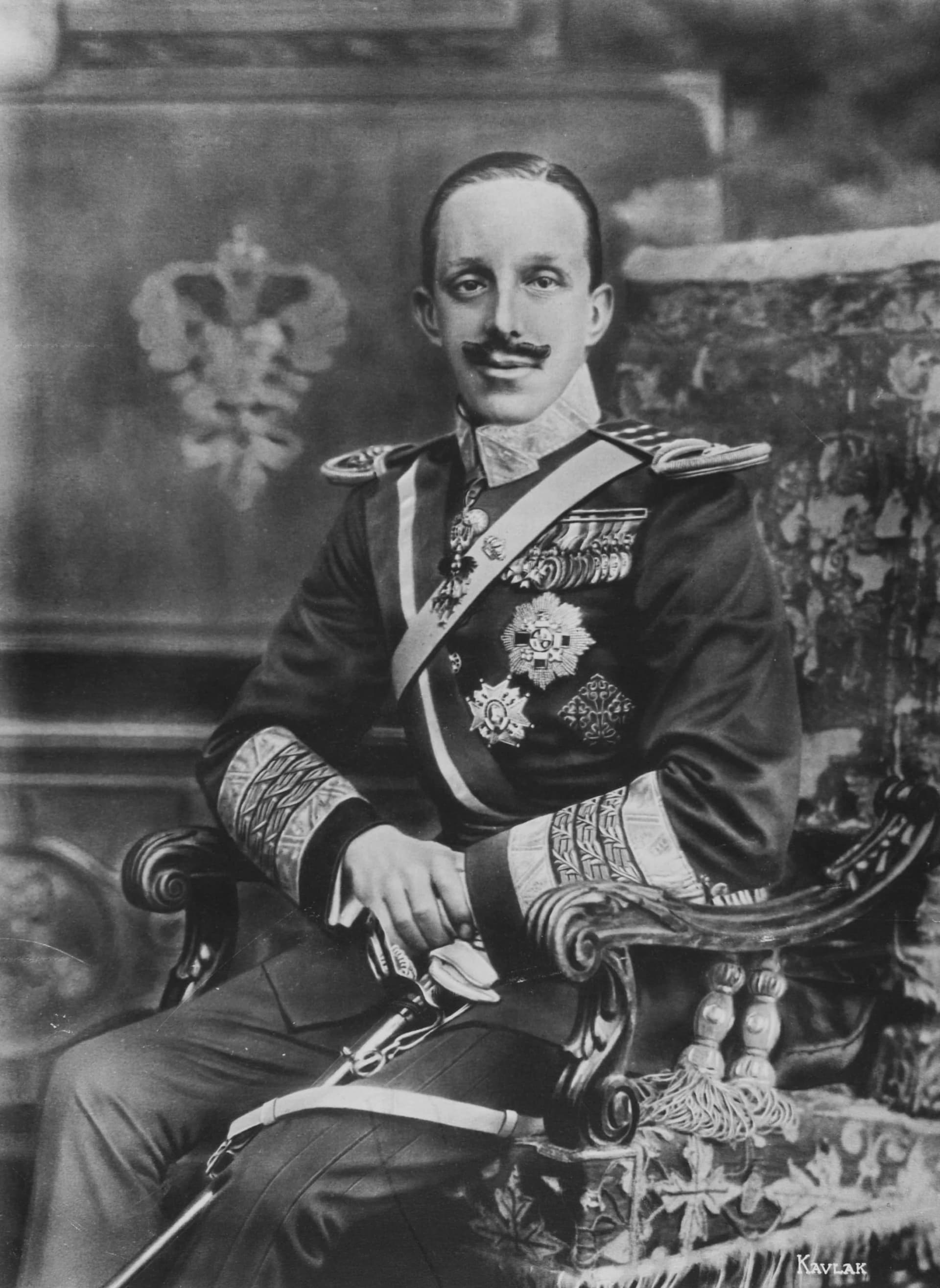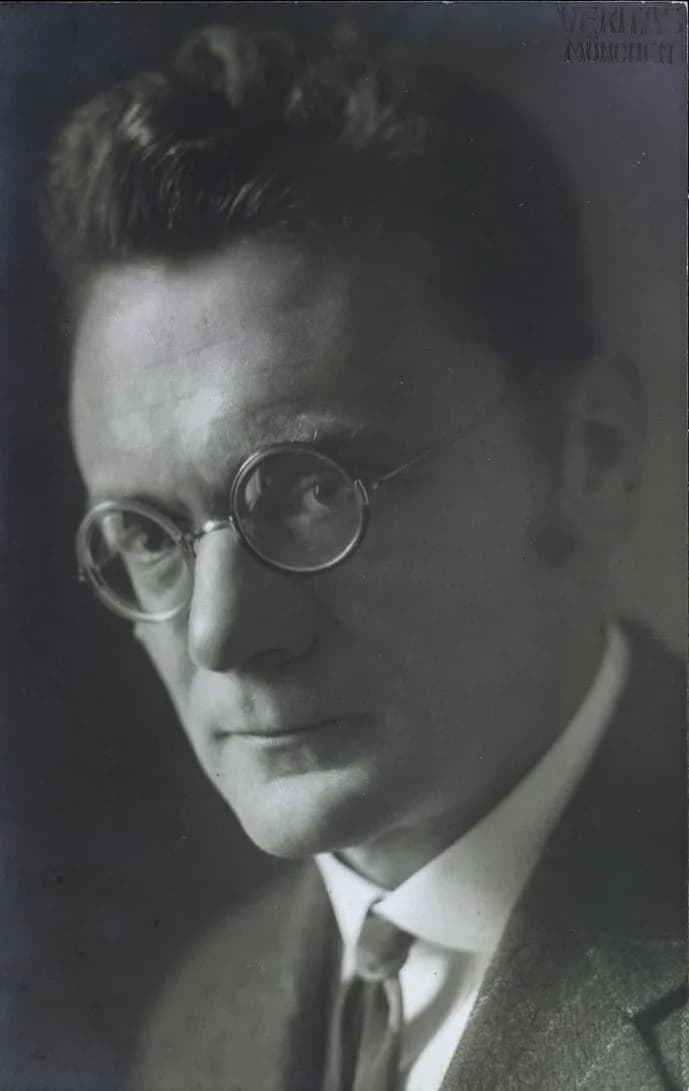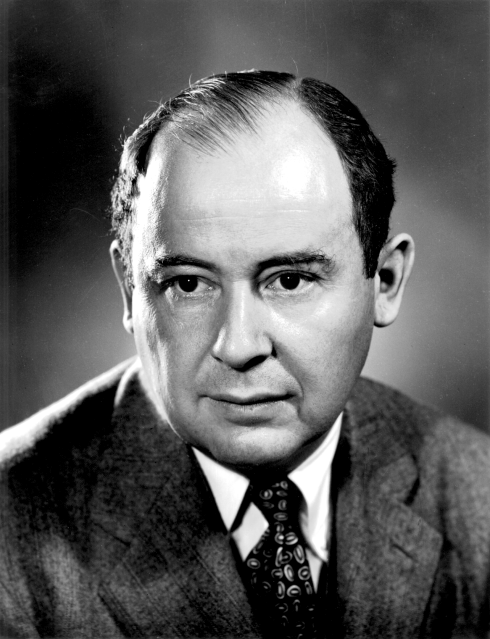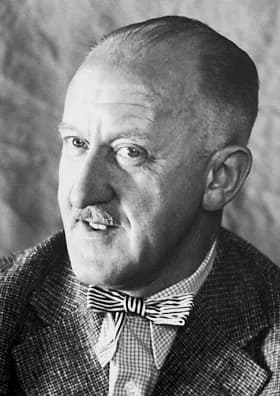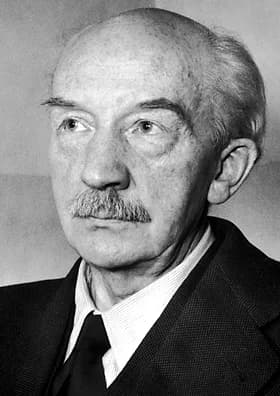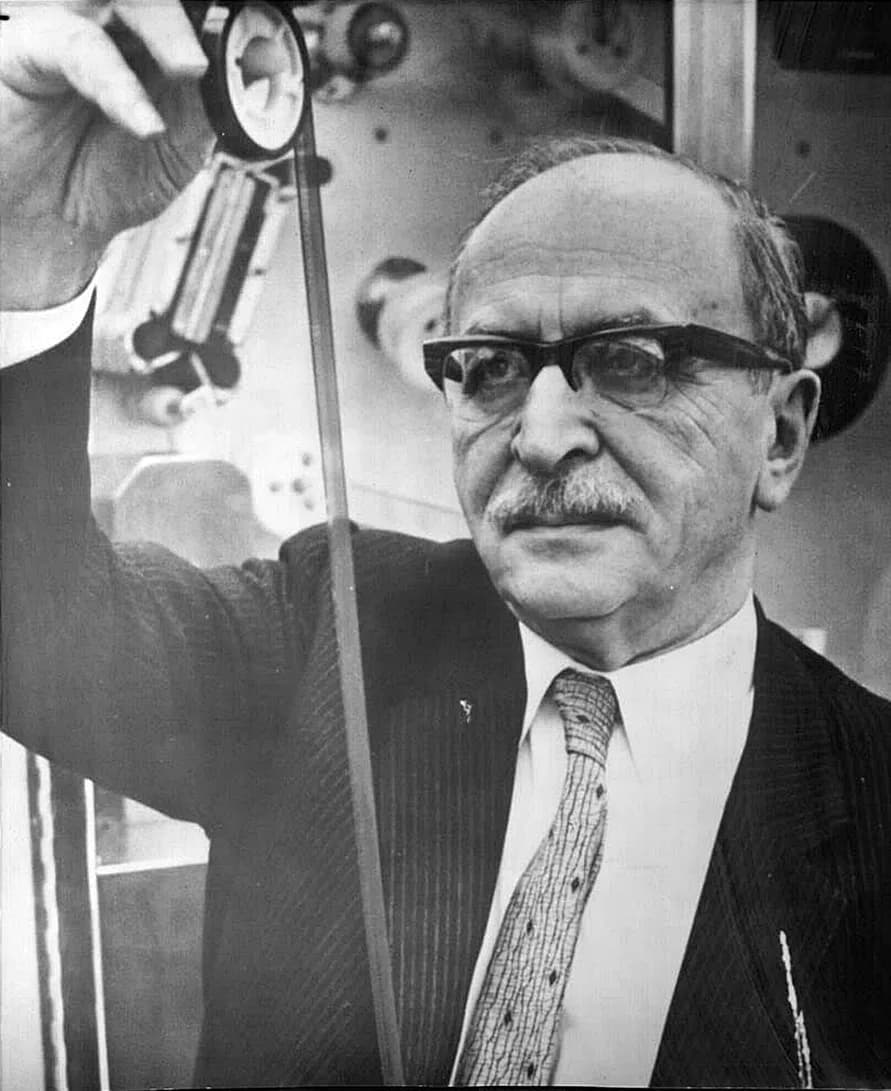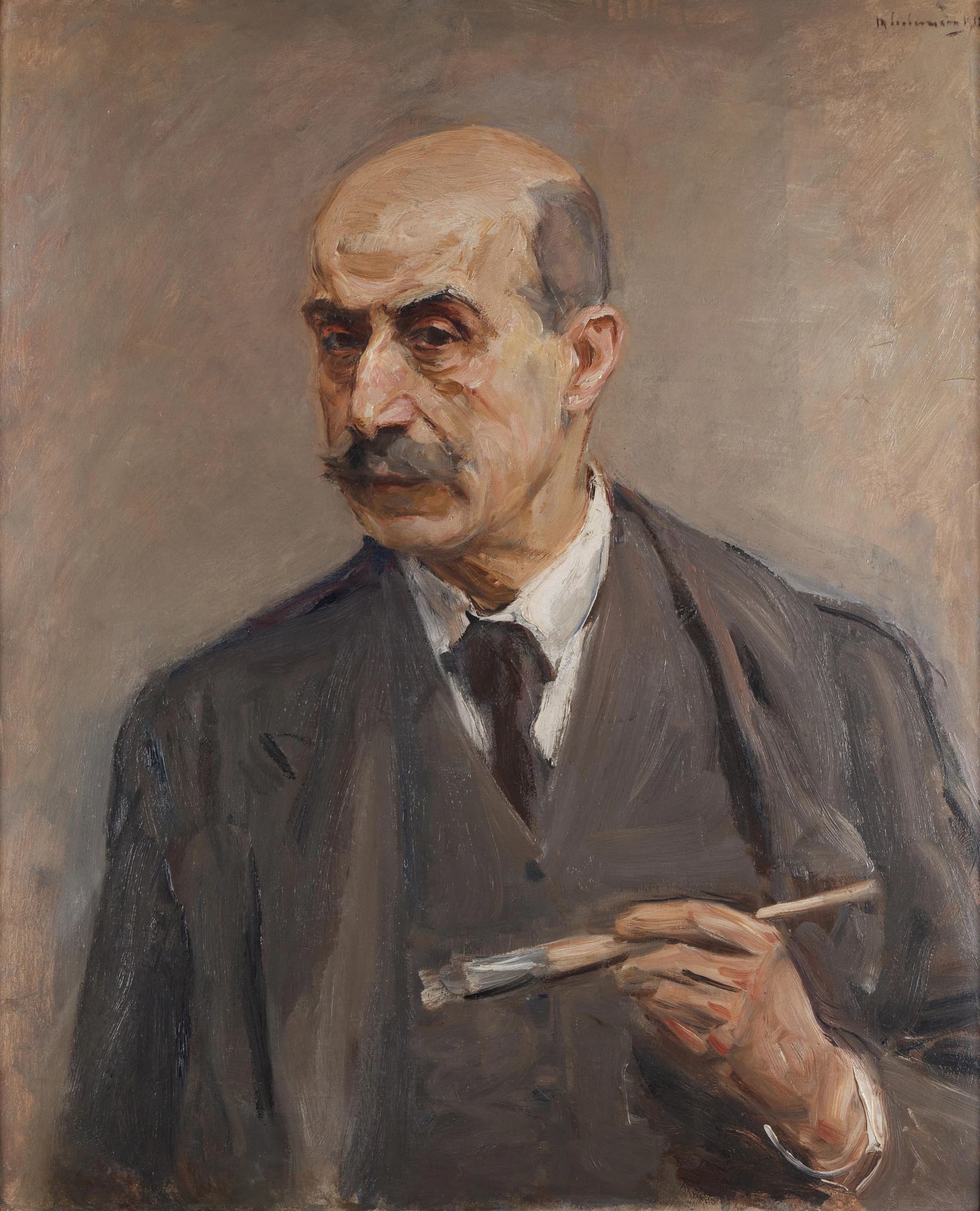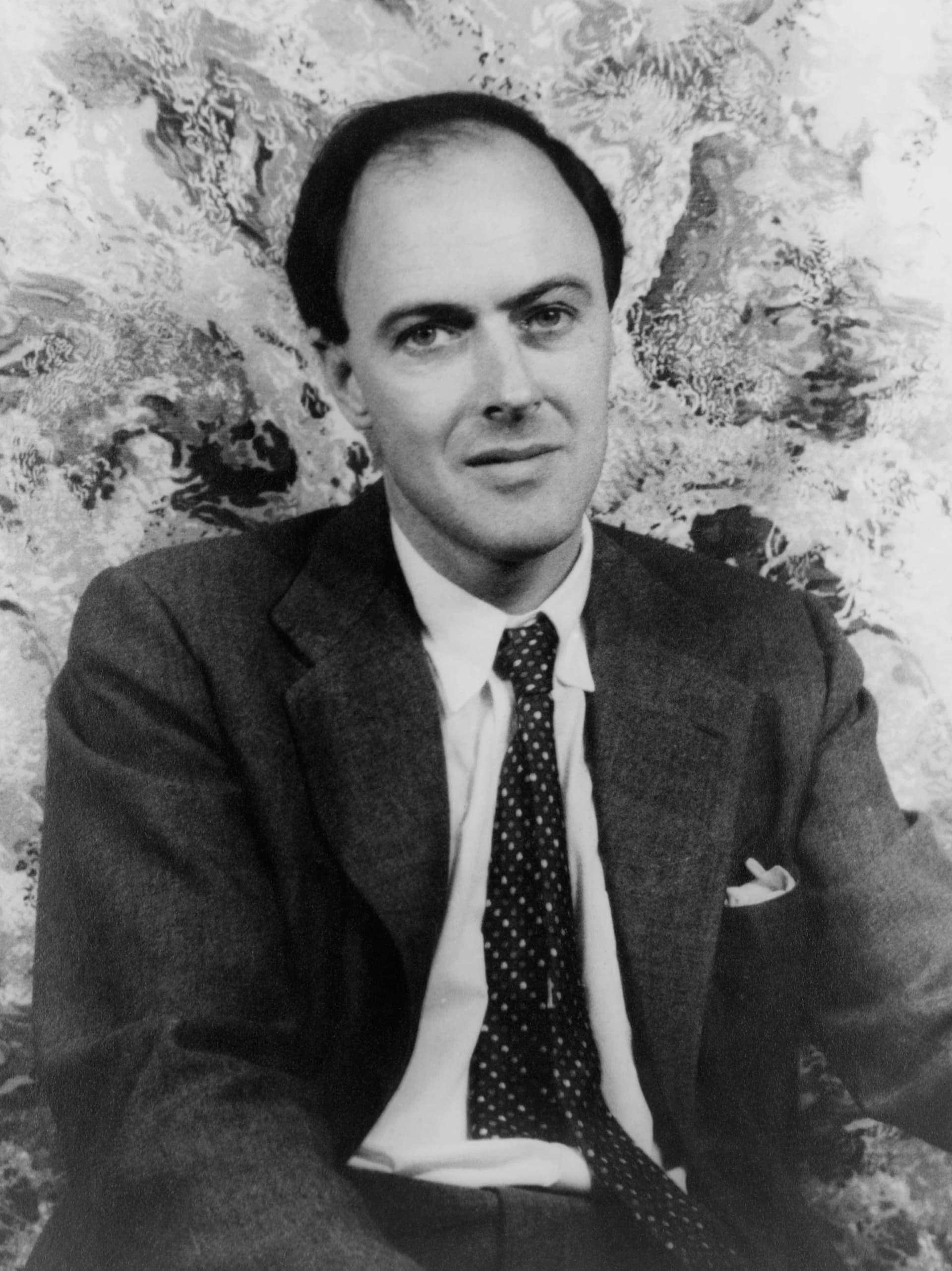
Born
September 13, 1886
Chesterfield, United Kingdom
Died
February 8, 1975
Great Missenden, United Kingdom
Known for
English chemist
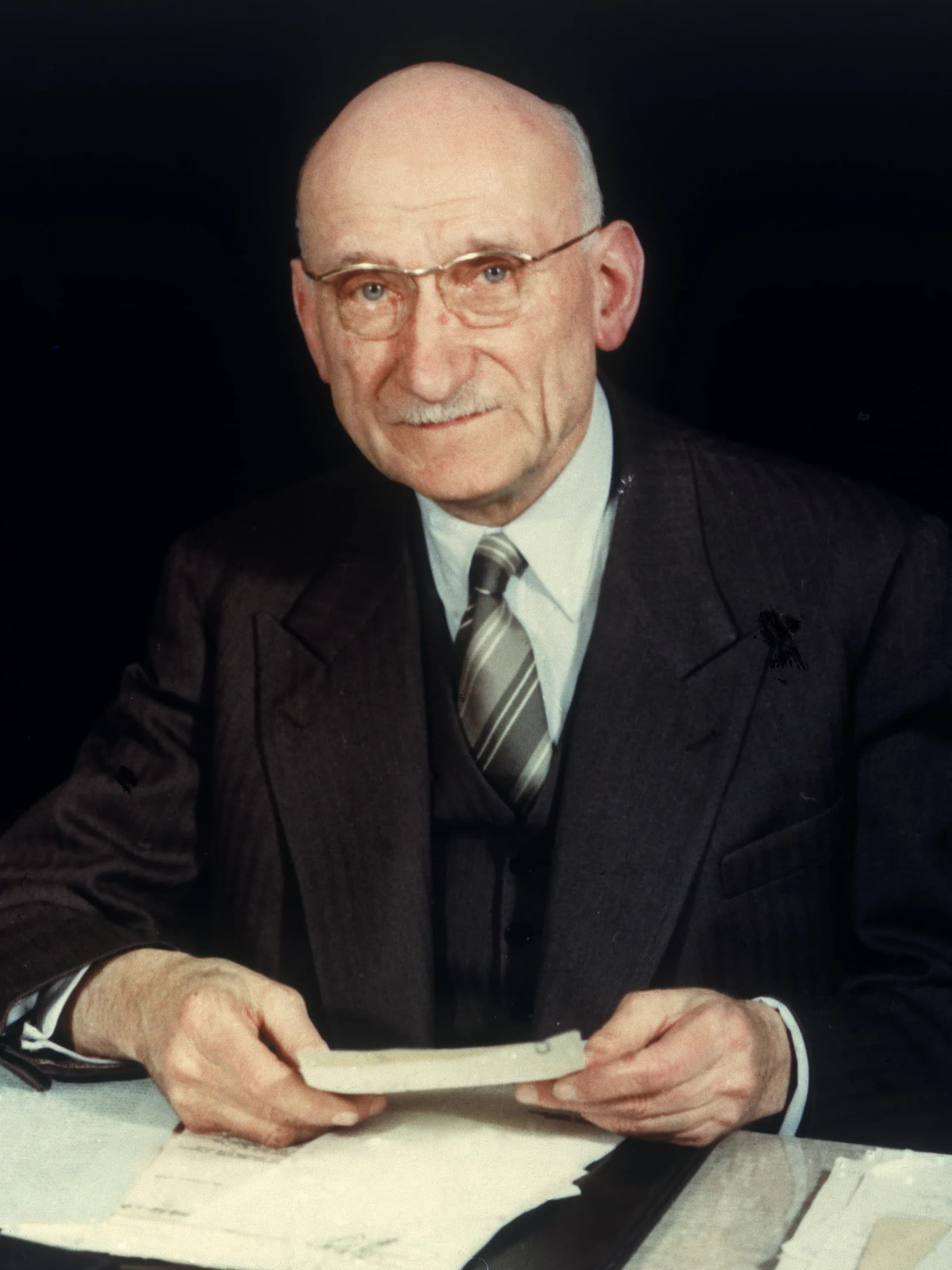
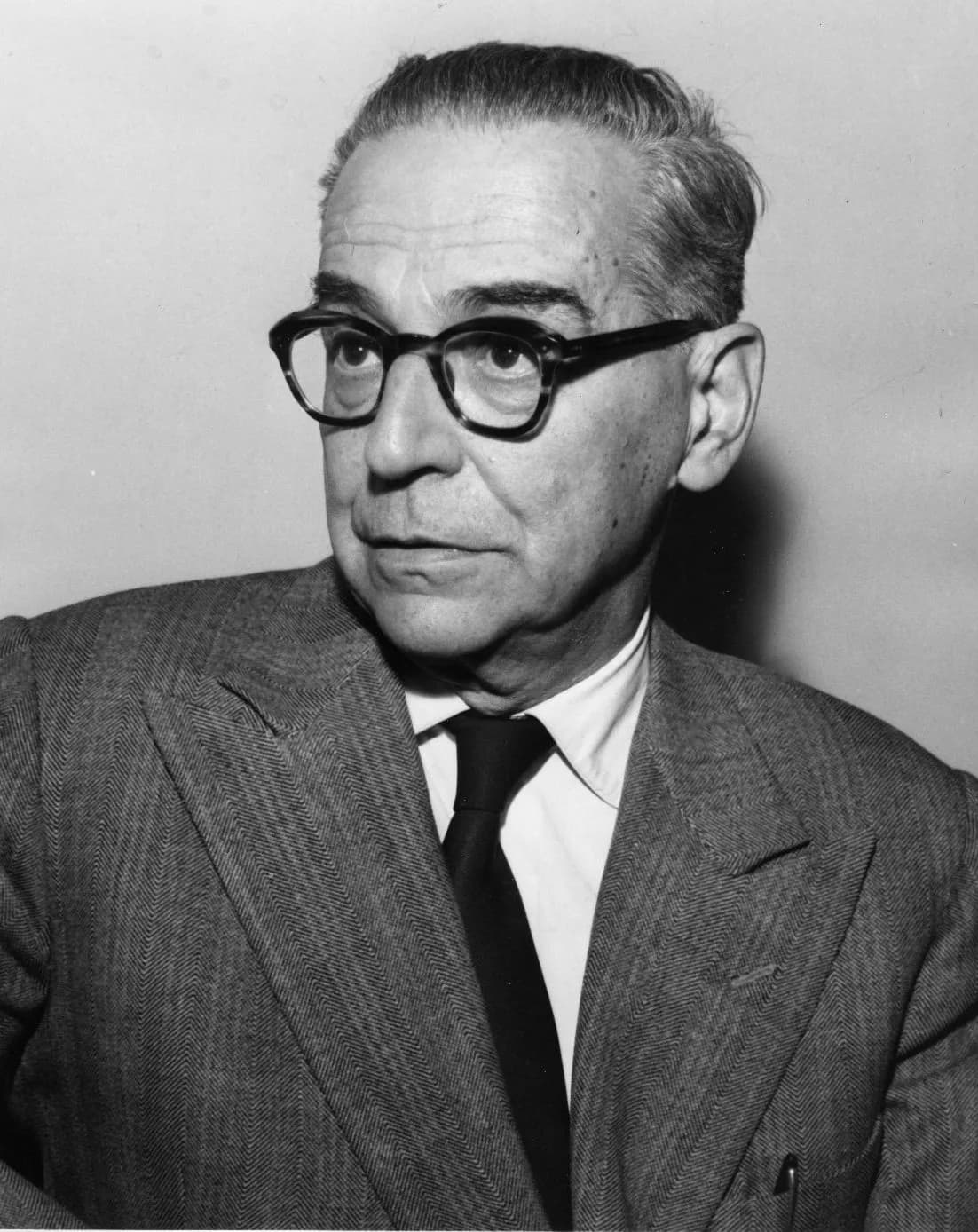
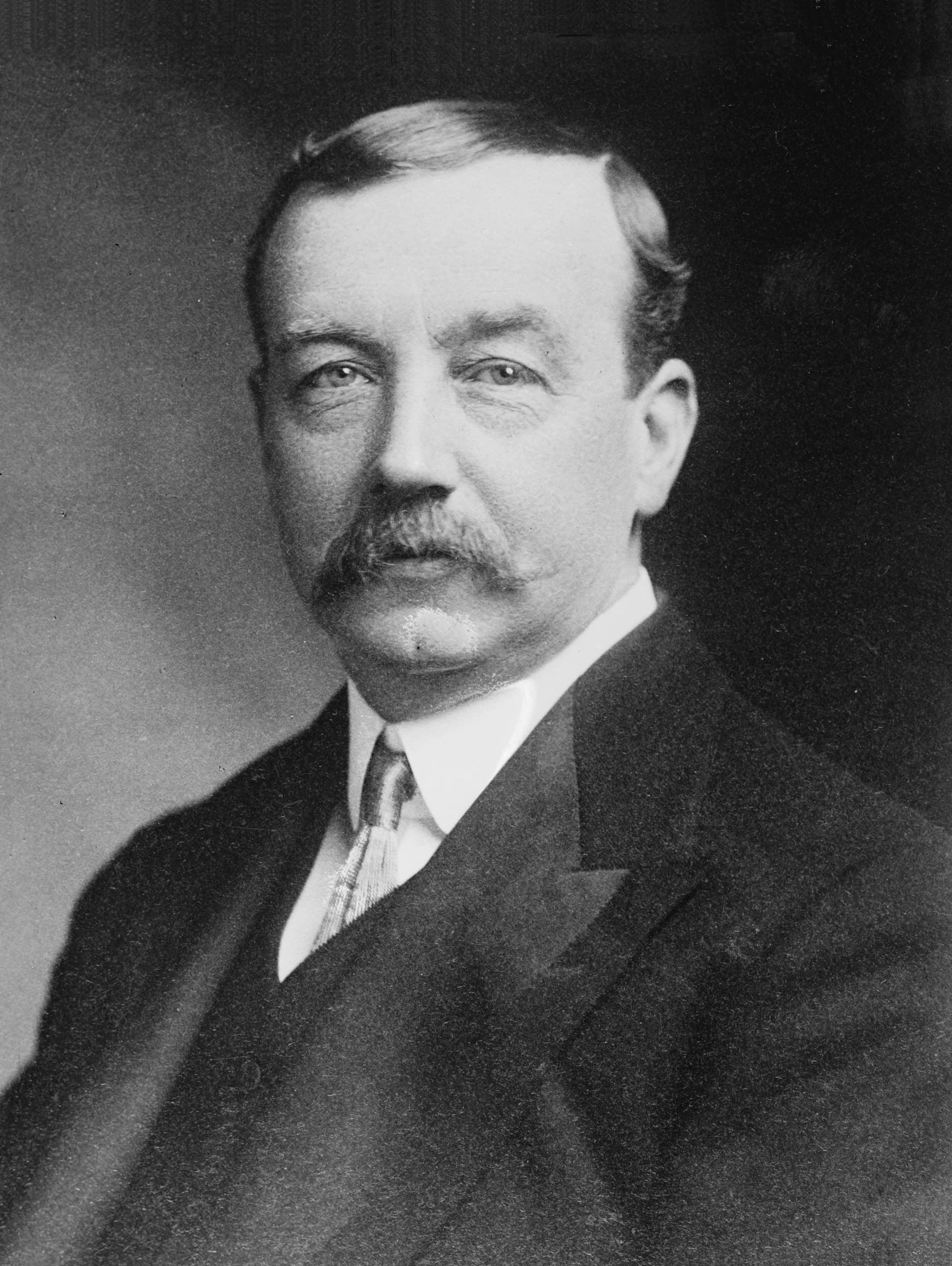
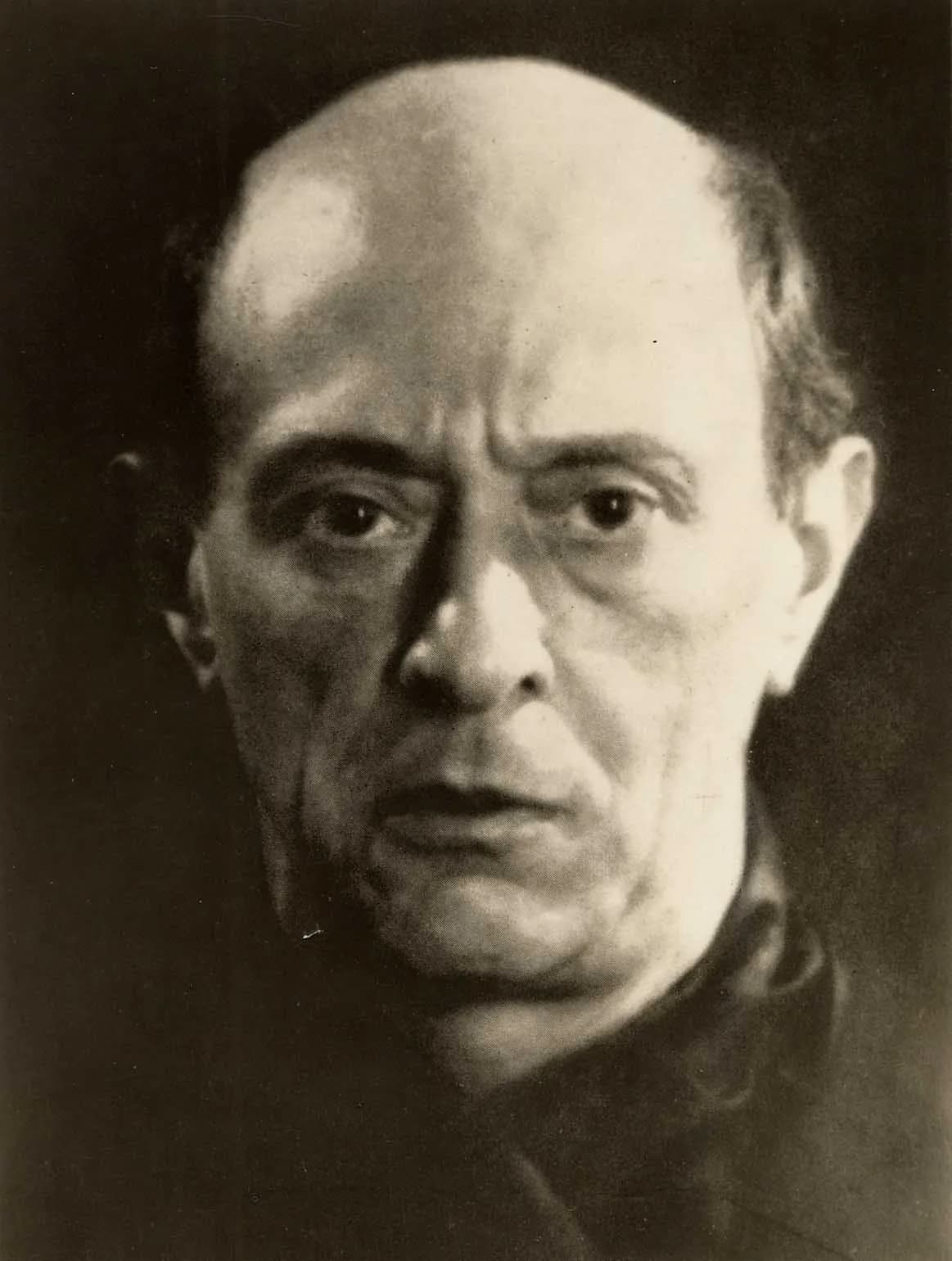
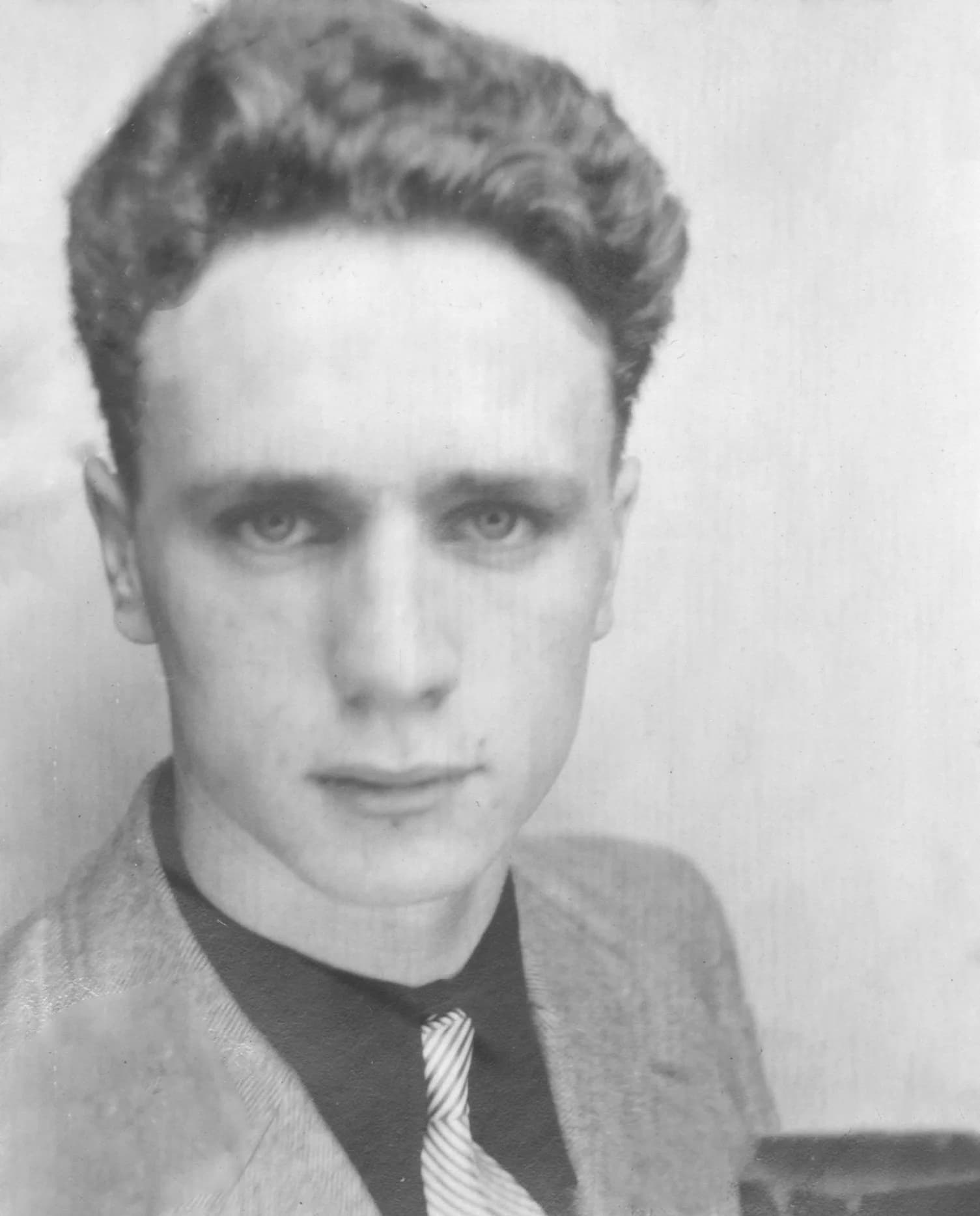
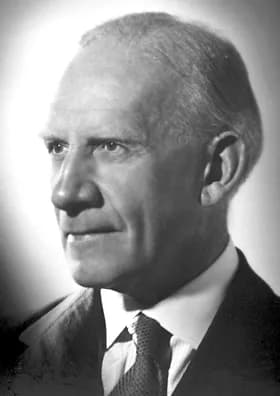
Robert Robinson (1886–1975) was United Kingdom best known for English chemist.
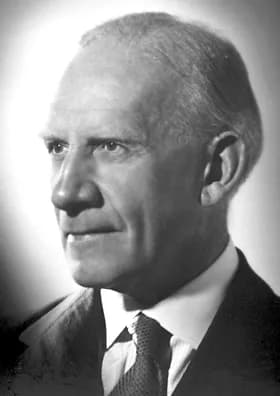
Sir Robert Robinson (September 13, 1886 – February 8, 1975) was an English chemist from Chesterfield, United Kingdom. He was a Nobel laureate recognized for his pioneering research on plant dyestuffs and alkaloids. His investigations significantly advanced the understanding of complex organic molecules.
A life in moments
The moments that shaped a life
Chapter
Life chapters
Chapter 1 · 1886· Chapter 1 of 8
Opening Tribute
Sir Robert Robinson (September 13, 1886 – February 8, 1975) was an eminent English chemist whose profound contributions to organic chemistry earned him global recognition. A Nobel laureate, he was celebrated for his meticulous investigations into the intricate structures of plant products. His work significantly advanced the understanding of complex natural compounds, solidifying his place in scientific history.
Chapter 2 · 1886· Chapter 2 of 8
Early Life and Origins
Robert Robinson was born on September 13, 1886, in Chesterfield, which is located in the United Kingdom. His formative years took place in this British town, laying the foundation for his future scientific pursuits. Details about his family and specific upbringing are not widely known, but his early environment in the United Kingdom certainly played a role in his path.
Chapter 3· Chapter 3 of 8
Career Beginnings
Robinson pursued a career in chemistry, a field where his analytical mind would later shine. While the specific trajectory of his early professional life is not detailed, his dedication quickly led him towards significant research. His initial work focused on laying the groundwork for the complex investigations he would undertake later in his distinguished career.
Chapter 4 · 1947· Chapter 4 of 8
Major Achievements and Career Highlights
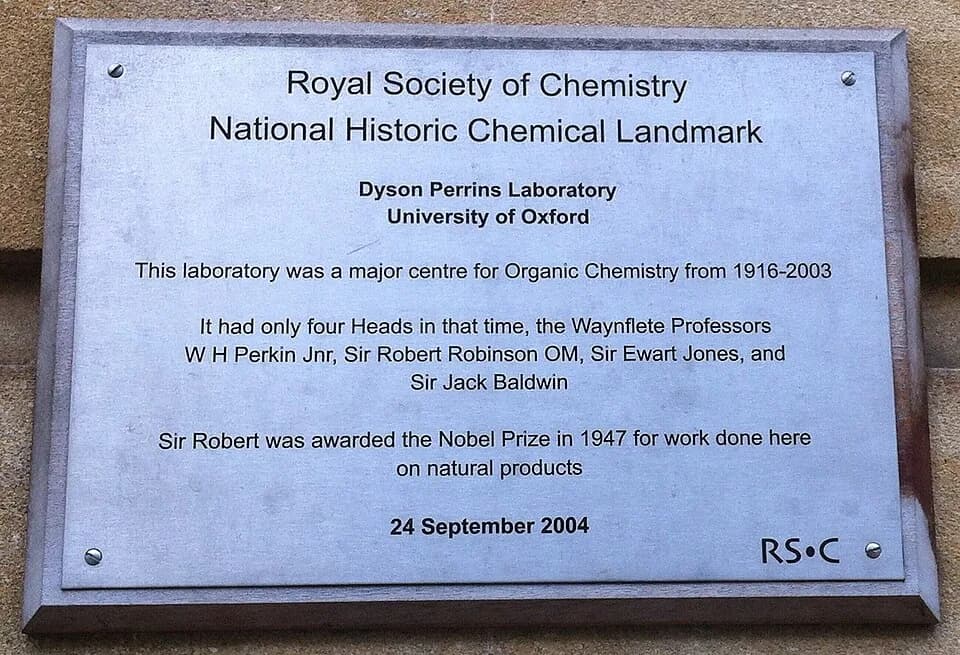
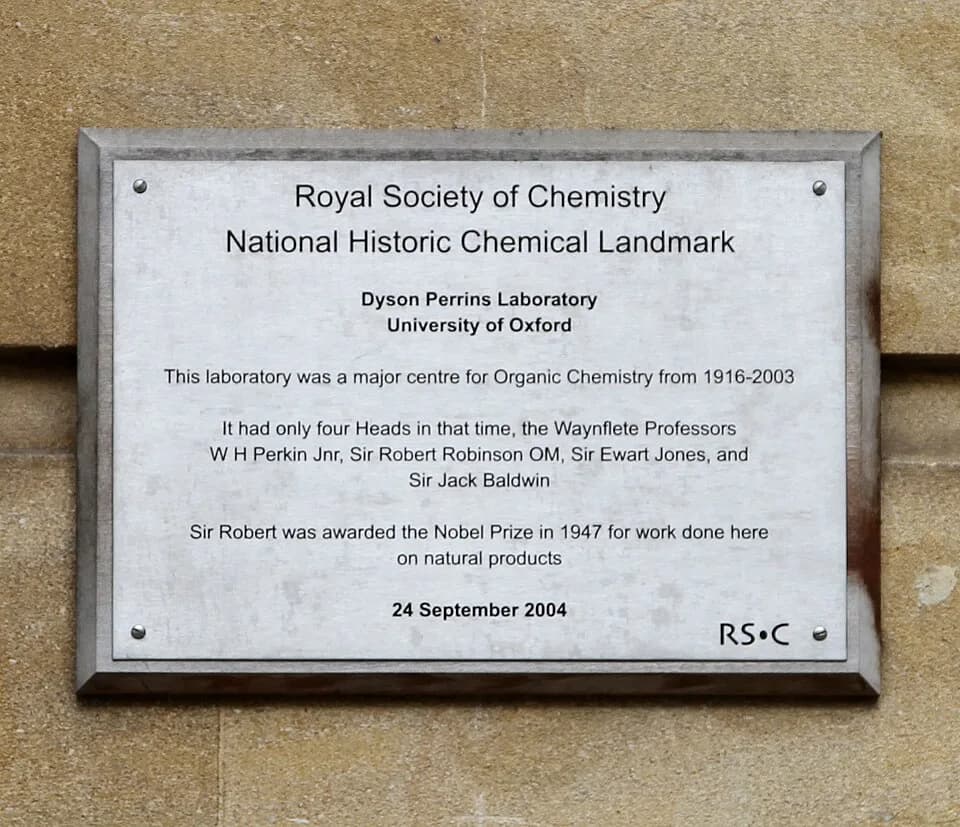
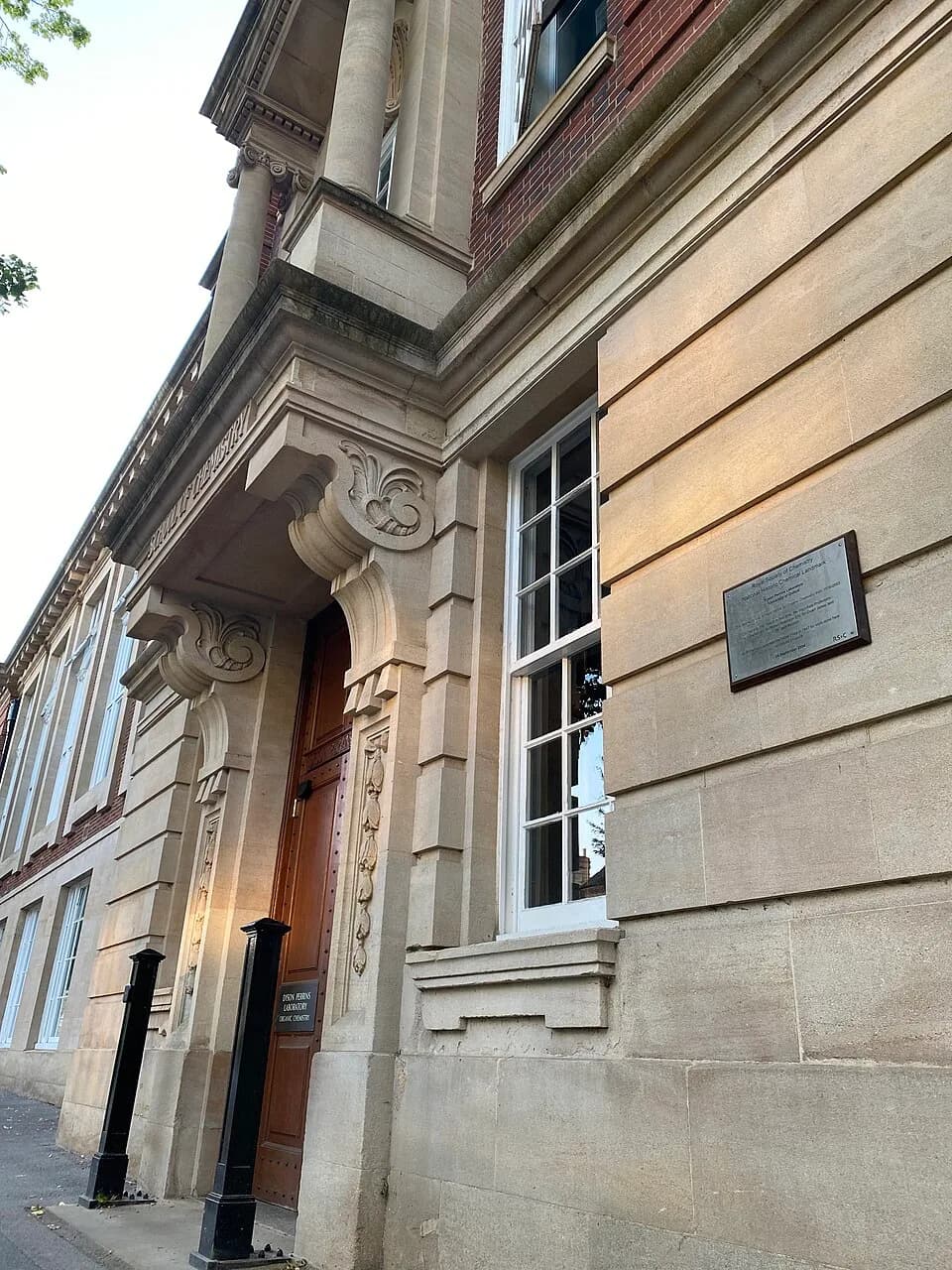
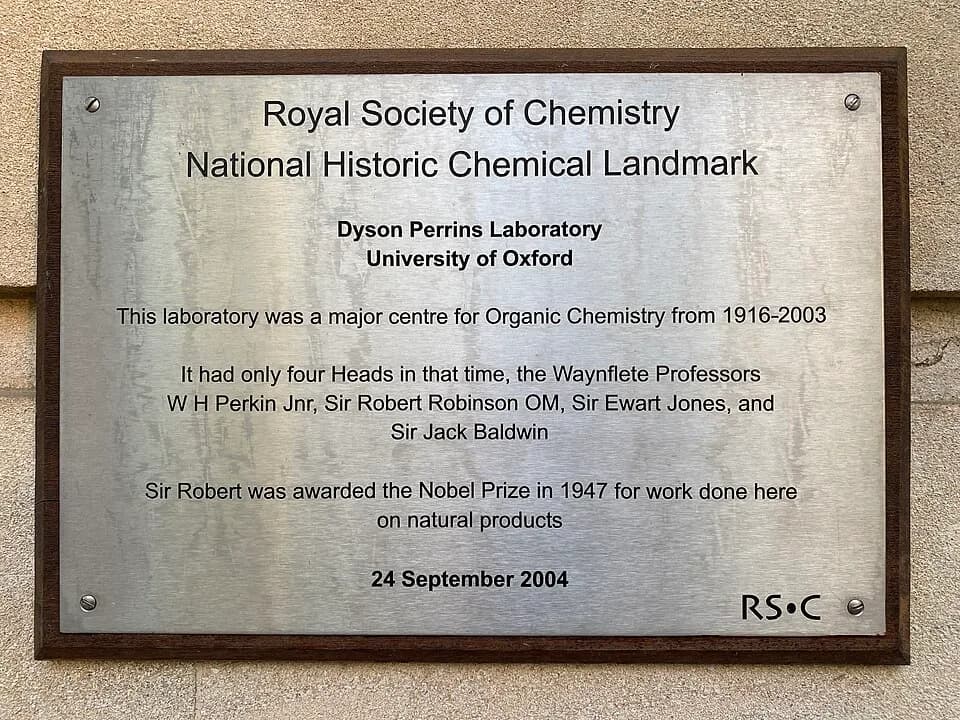
A defining moment in Sir Robert Robinson's career came in 1947 when he was awarded the Nobel Prize in Chemistry. This prestigious honor acknowledged his pioneering investigations into plant products of biological importance, particularly alkaloids. His detailed research on these compounds and plant dyestuffs, such as anthocyanins, marked a substantial leap in organic chemistry.
In the same momentous year, 1947, Robinson also received the Medal of Freedom with Silver Palm. This additional recognition further underscored the international significance of his scientific contributions. These accolades highlight his status as a leading figure in the scientific community during the mid-20th century.
Chapter 5· Chapter 5 of 8
Personal Life
While Sir Robert Robinson's professional achievements are well-documented, details regarding his personal life, family, and private interests are not extensively shared in public records. He maintained a focused approach to his scientific endeavors, allowing his research to speak for itself. His primary legacy is rooted in his impactful contributions to the field of chemistry.
Chapter 6· Chapter 6 of 8
Notable Works or Contributions
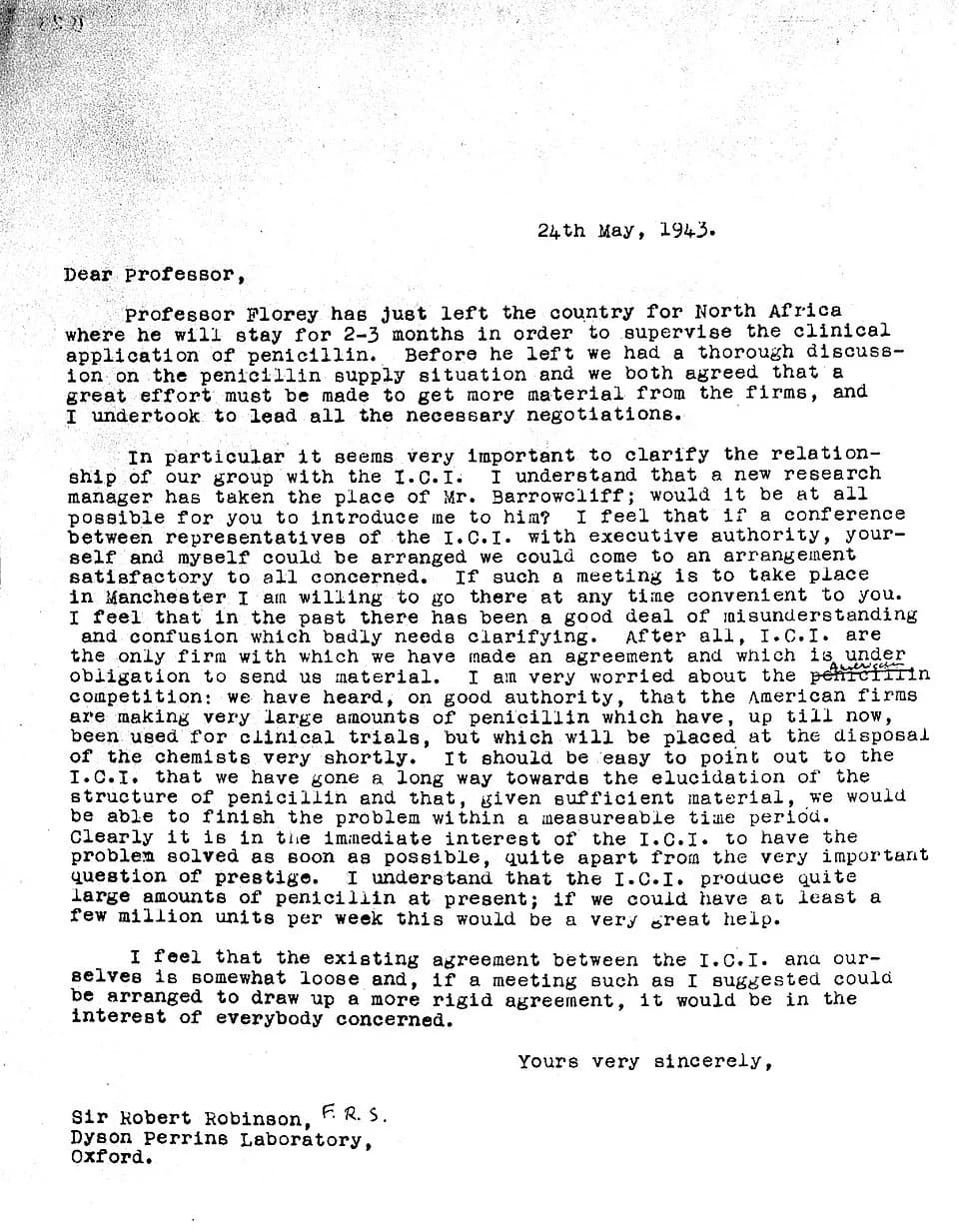
Sir Robert Robinson's most celebrated contributions centered on his investigations into the structure and synthesis of natural products. He dedicated considerable effort to understanding plant dyestuffs, particularly anthocyanins, which are responsible for many plant colors. Furthermore, his work on alkaloids, a diverse group of nitrogen-containing organic compounds, was particularly important.
His research illuminated the complex chemical pathways and structures of these biologically important plant compounds. These investigations not only provided fundamental knowledge about natural product chemistry but also spurred further advancements in synthetic organic chemistry. The insights gained from his studies were crucial for scientific progress in various related fields.
Chapter 7 · 1975· Chapter 7 of 8
Later Years
Sir Robert Robinson passed away on February 8, 1975, in Great Missenden, United Kingdom. His long and productive life saw him contribute immensely to the scientific community for decades. While specific details about his retirement or final research projects are not outlined, his influence remained strong until his passing.
Chapter 8· Chapter 8 of 8
Legacy and Impact
Sir Robert Robinson left an enduring legacy that continues to shape the field of organic chemistry. His meticulous work on plant dyestuffs and alkaloids established critical methodologies for structural elucidation of complex molecules. These foundational studies paved the way for countless future discoveries in natural product chemistry.
As a Nobel laureate, his name remains synonymous with excellence and innovation in chemical research. His dedicated pursuit of knowledge inspired subsequent generations of chemists, fostering deeper inquiries into the biological importance and synthetic possibilities of organic compounds. His impact on science is celebrated worldwide.
FAQ
Frequently asked
When did Robert Robinson die?
Robert Robinson died on February 8, 1975 in Great Missenden, United Kingdom, at the age of 88.
Where was Robert Robinson born?
Robert Robinson was born in Chesterfield, United Kingdom on September 13, 1886.
What is Robert Robinson best known for?
Robert Robinson is best known for English chemist.
How old was Robert Robinson when they died?
Robert Robinson was 88 years old at the time of death.
What nationality was Robert Robinson?
Robert Robinson was from United Kingdom.
Timeline
Life at a glance
Photo gallery
A life in pictures
Click any polaroid to expand · 23 photos
QR Code
Share This Biography
Print & Share
Scan to visit this biography page. Print for events, exhibitions, or educational materials.