Born
February 25, 1885
Windsor Castle, United Kingdom
Died
December 5, 1969
Buckingham Palace, United Kingdom
Known for
Member of the House of Battenberg
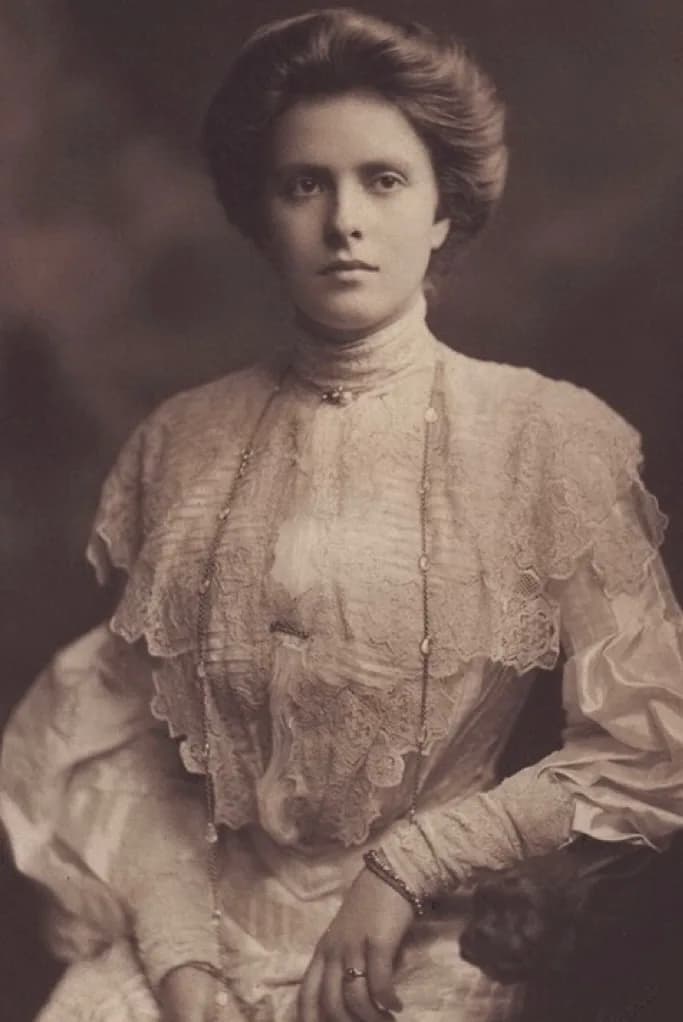
Princess Alice of Battenberg (1885–1969) was United Kingdom best known for Member of the House of Battenberg.
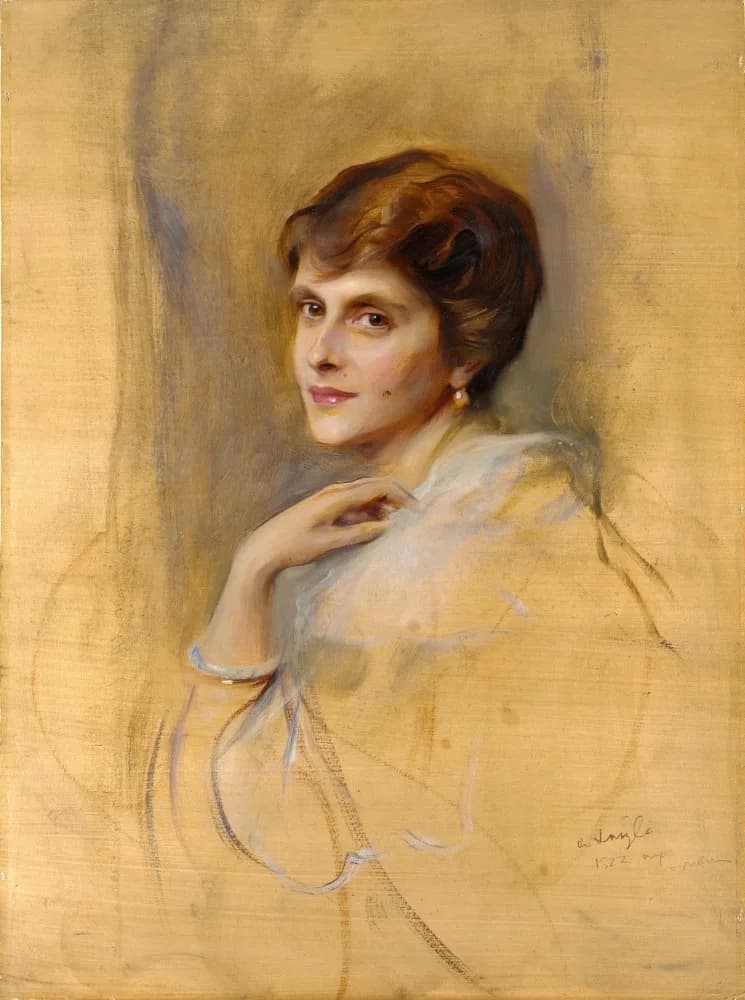
Princess Alice of Battenberg (February 25, 1885 – December 5, 1969) was an aristocrat, nurse, nun, and charity worker from the United Kingdom. She was the mother of Prince Philip, Duke of Edinburgh, and devoted much of her life to service. Her legacy continues through her royal descendants and her example of deep compassion.
Chapter
Life chapters
Chapter 1 · 1885· Chapter 1 of 8
Remembering Princess Alice of Battenberg: A Life of Service and Compassion
Princess Alice of Battenberg, who lived from February 25, 1885, to December 5, 1969, dedicated her life to various callings, serving as an aristocrat, nurse, nun, and charity worker. Her existence spanned significant historical periods, and she became known for her deep commitment to helping others and her unique spiritual journey. Her story is one of unwavering service, familial connection to the British monarchy, and a profound personal transformation.
Born into royal lineage, Princess Alice’s life began as a member of the esteemed House of Battenberg. She was born on February 25, 1885, within the historic walls of Windsor Castle in the United Kingdom, a setting befitting her distinguished birth. Her early life was shaped by the expectations and traditions of her aristocratic background, providing her with a foundation rooted in duty and public responsibility.
Chapter 2 · 1885· Chapter 2 of 8
Early Life and Origins
Princess Alice’s birth at Windsor Castle in the United Kingdom on February 25, 1885, placed her directly within the heart of European royalty. As a member of the House of Battenberg, she belonged to a prominent European princely family with significant ties across the continent. This lineage naturally positioned her within the highest echelons of society and tradition from her earliest days.
Her upbringing as an aristocrat instilled in her a sense of purpose and an understanding of the responsibilities that came with her station. She was prepared for a life that would involve public duties and engagement, often associated with charitable endeavors. This early exposure to royal life and its inherent demands laid the groundwork for her future roles in nursing, charity, and religious service.
Chapter 3 · 1903· Chapter 3 of 8
Career Beginnings
A significant turning point in Princess Alice’s life occurred in 1903 when she married Prince Andrew of Greece and Denmark. This union led her to adopt a new identity, becoming known as Princess Andrew of Greece and Denmark, a style she would carry throughout much of her life. Her marriage connected her to another European royal house and broadened her sphere of influence.
Following her marriage, Princess Alice began to channel her energies into meaningful work. Her natural inclination towards compassion and service soon manifested in her dedication to nursing. This early commitment to caring for others laid the foundation for her later, more extensive involvement in charitable activities and her eventual spiritual calling.
Chapter 4· Chapter 4 of 8
Major Achievements and Career Highlights
Princess Alice distinguished herself through her profound commitment to nursing, a profession she embraced with dedication, particularly during times of great need. Her work as a nurse showcased her practical compassion and willingness to provide hands-on care. This direct involvement in humanitarian efforts defined a significant portion of her active life.
Beyond nursing, her role as a charity worker saw her tirelessly supporting various causes, often without public fanfare. Her aristocratic background provided her with resources and influence, which she leveraged to benefit those less fortunate. Later in life, her spiritual journey led her to become a nun, where she continued her dedication to service through a life of faith and contemplation, establishing a unique legacy of spiritual devotion.
Chapter 5· Chapter 5 of 8
Personal Life
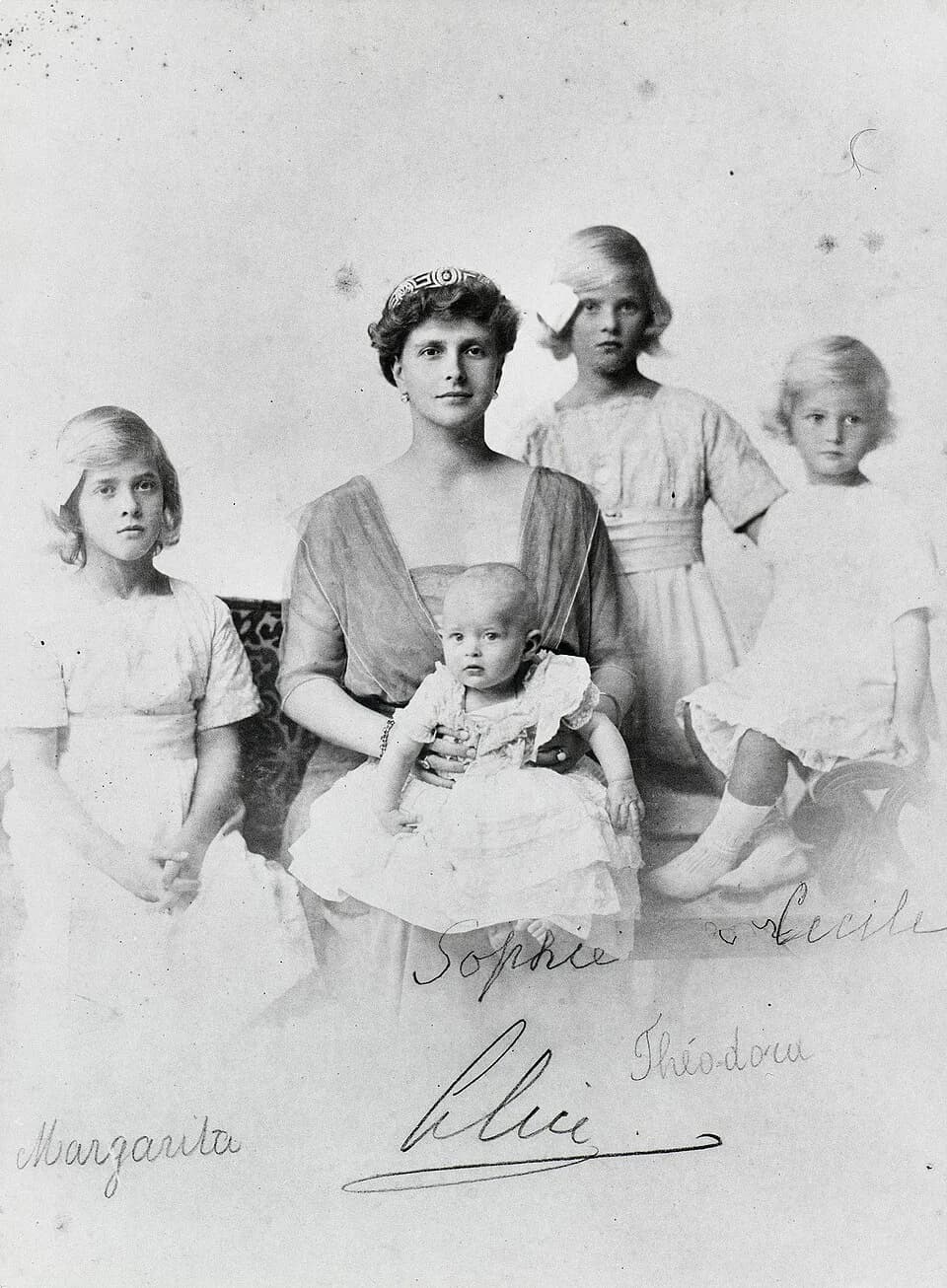
Princess Alice’s personal life was deeply intertwined with European royalty, most notably through her immediate family. She was the mother of Prince Philip, Duke of Edinburgh, a relationship that would bring her into close connection with the British Royal Family. Her son's marriage solidified her place as a significant figure within modern British history.
Through Prince Philip, she became the respected mother-in-law of Queen Elizabeth II, a bond that connected her directly to the heart of the British monarchy. Furthermore, Princess Alice was the paternal grandmother of King Charles III, extending her familial legacy into future generations of the royal line. Her marriage to Prince Andrew of Greece and Denmark in 1903 shaped her identity, leading her to be known as Princess Andrew of Greece and Denmark.
Chapter 6· Chapter 6 of 8
Notable Works or Contributions
As a devoted nurse, Princess Alice dedicated herself to caring for others, embodying a spirit of selflessness. Her involvement in various charitable endeavors highlighted her compassionate nature and her proactive approach to addressing societal needs. She utilized her position as an aristocrat to support and elevate humanitarian causes, providing aid and comfort to many.
A distinctive aspect of her contributions was her later decision to become a nun. This profound spiritual commitment led her to found a religious order, demonstrating a singular dedication to faith and service. Through this endeavor, she created a lasting framework for charitable work rooted in spiritual principles, further cementing her legacy of active compassion.
Chapter 7· Chapter 7 of 8
Later Years
Princess Alice’s later years saw her maintain her dedication to service and her spiritual path. Her journey from an aristocratic background to a life as a nun reflected a deep commitment to her convictions. She continued to inspire those around her with her unwavering faith and her quiet determination to help others.
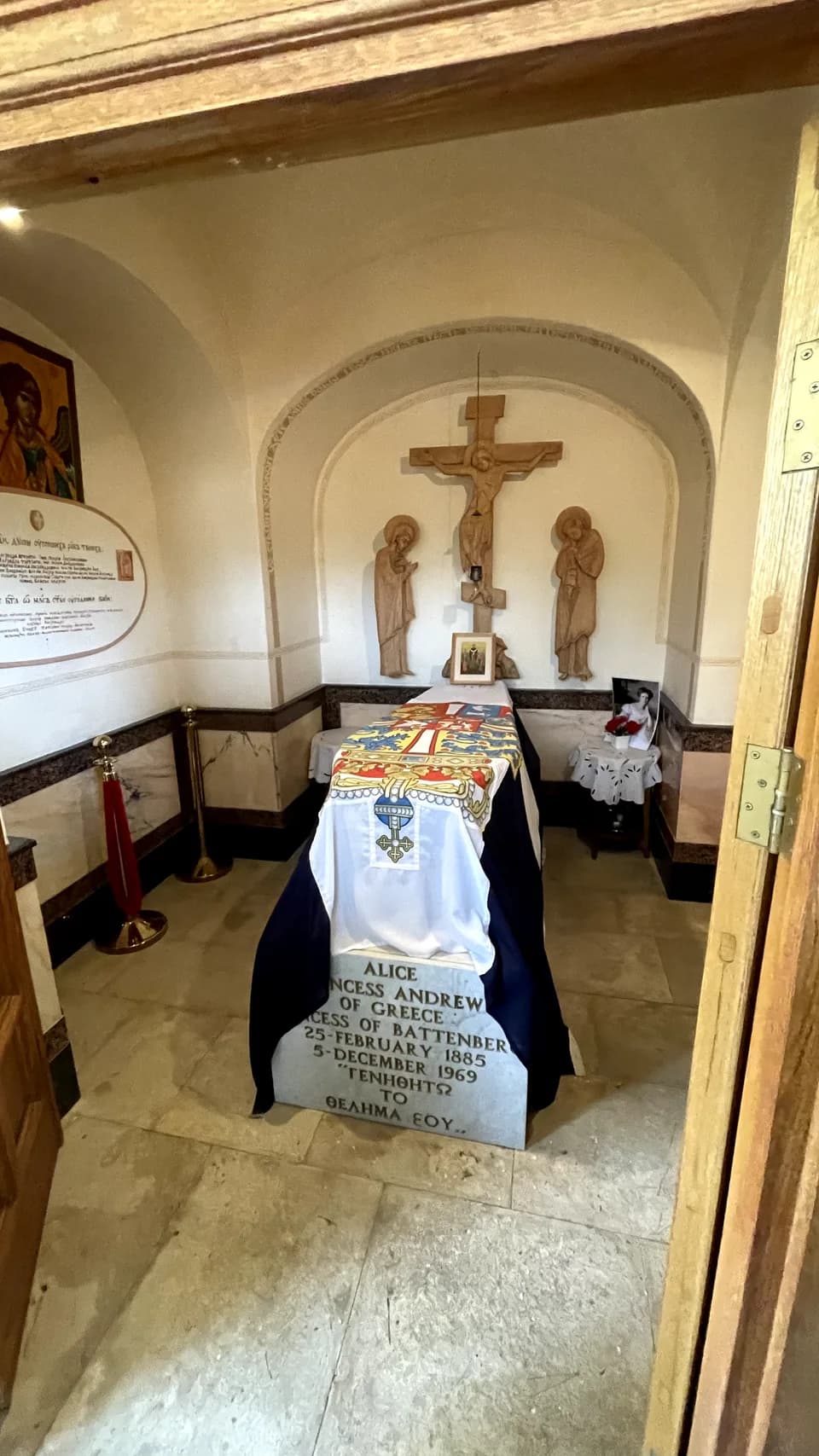
Her life concluded on December 5, 1969, when she passed away at Buckingham Palace in the United Kingdom. Her final resting place within the royal residence underscored her enduring connection to the monarchy, even as her life was characterized by a diverse range of roles, from a dedicated nurse to a devoted nun. She lived a life of purpose until her final days, surrounded by the echoes of her impactful journey.
Chapter 8· Chapter 8 of 8
Legacy and Impact
Princess Alice of Battenberg leaves a profound and multifaceted legacy, primarily through her descendants and her example of selfless service. As the mother of Prince Philip, Duke of Edinburgh, the mother-in-law of Queen Elizabeth II, and the paternal grandmother of King Charles III, her impact on the British monarchy is undeniable. Her lineage continues to shape the royal family, connecting generations through her direct line.
Beyond her royal connections, Princess Alice is remembered for her unique personal journey and her varied professions. Her life as a nurse, nun, aristocrat, and charity worker provides an inspiring example of dedication and compassion. Her commitment to helping others, often in challenging circumstances, demonstrates a resilient spirit and a deep sense of humanitarian duty that continues to resonate.
A life in moments
The moments that shaped a life
FAQ
Frequently asked
When did Princess Alice of Battenberg die?
Princess Alice of Battenberg died on December 5, 1969 in Buckingham Palace, United Kingdom, at the age of 84.
Where was Princess Alice of Battenberg born?
Princess Alice of Battenberg was born in Windsor Castle, United Kingdom on February 25, 1885.
What is Princess Alice of Battenberg best known for?
Princess Alice of Battenberg is best known for Member of the House of Battenberg.
How old was Princess Alice of Battenberg when they died?
Princess Alice of Battenberg was 84 years old at the time of death.
What nationality was Princess Alice of Battenberg?
Princess Alice of Battenberg was from United Kingdom.
Timeline
Life at a glance
Photo gallery
A life in pictures
Click any polaroid to expand · 24 photos
QR Code
Share This Biography
Print & Share
Scan to visit this biography page. Print for events, exhibitions, or educational materials.