Born
May 31, 1527
Palacio de Pimentel, Spain
Died
September 13, 1598
Royal Monastery of San Lorenzo de El Escorial, Spain
Known for
King of Spain, Portugal, Naples and Sicily; King consort of England, lived 1527-1598
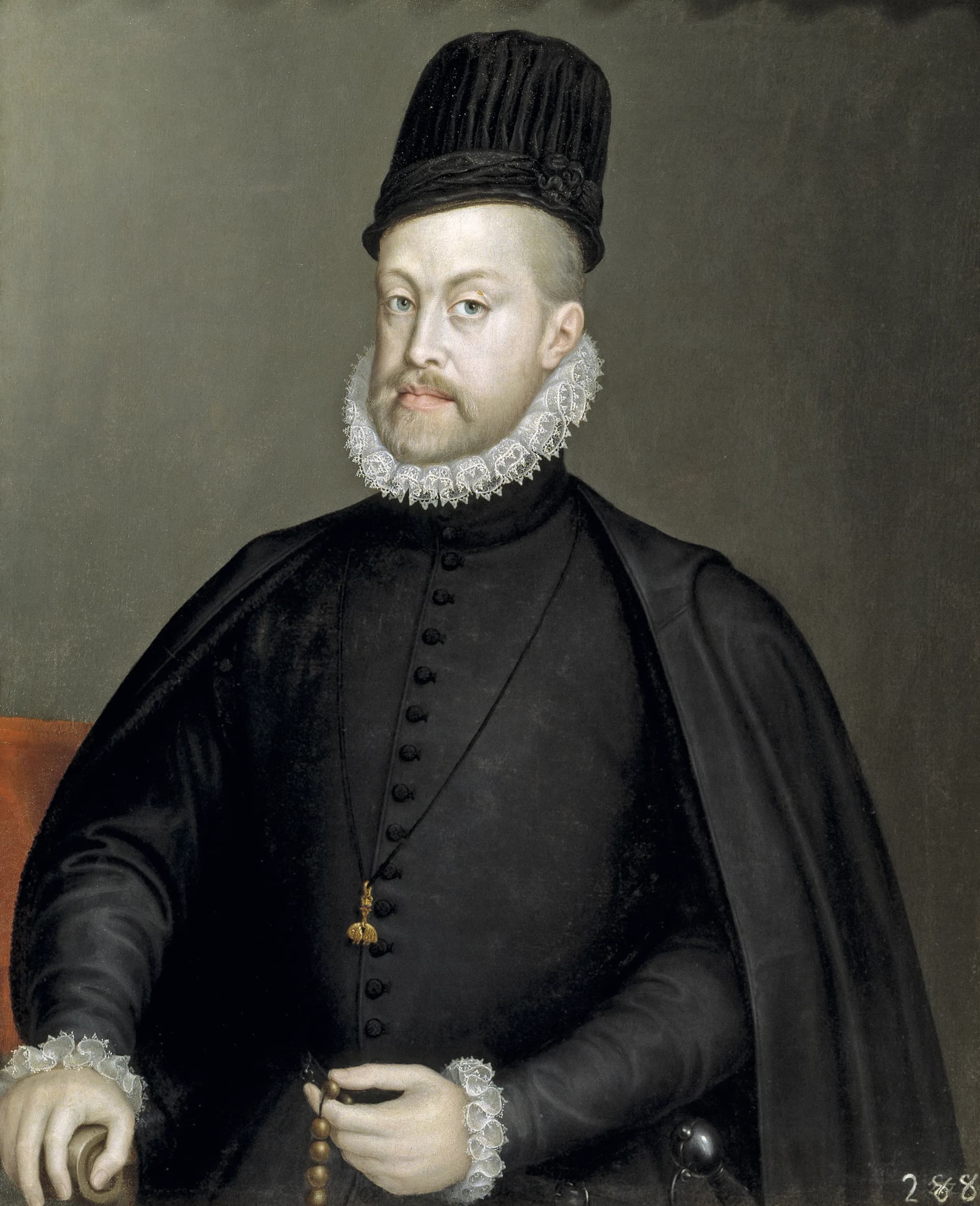
Philip II of Spain (1527–1598) was Spain best known for King of Spain, Portugal, Naples and Sicily; King consort of England, lived 1527-1598.
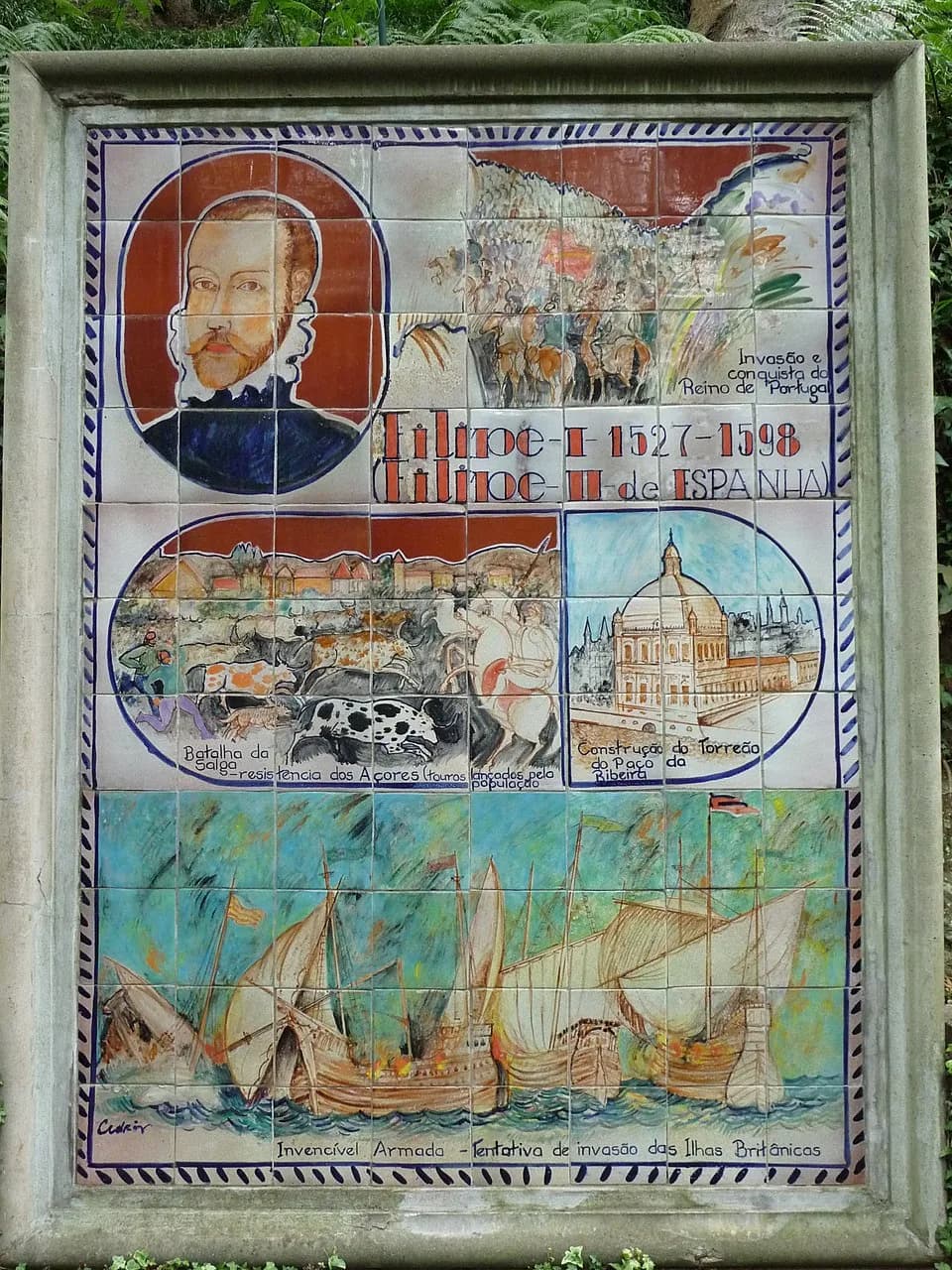
Philip II of Spain (May 31, 1527 – September 13, 1598) was a ruler known for holding multiple European crowns. He served as King of Spain, Portugal, Naples, Sicily, and King consort of England. His extensive reign shaped a vast empire.
Chapter
Life chapters
Chapter 1 · 1527· Chapter 1 of 7
Early Life and Origins
Philip II was born on May 31, 1527, in the historic Palacio de Pimentel, located in Spain. His birth in this significant Spanish locale set the stage for a life destined for leadership within the Iberian peninsula and beyond. From his earliest days, Philip was immersed in the royal traditions and expectations that would shape his eventual ascendancy to various European thrones.
His upbringing instilled in him the qualities expected of a future sovereign. The year of his birth, 1527, marked the beginning of a life that would see him become one of the most powerful rulers in European history. His Spanish origins provided a strong foundation for the numerous responsibilities he would later undertake as king of diverse territories.
Chapter 2 · 1540· Chapter 2 of 7
Career Beginnings
Philip's journey into royal administration began relatively early, long before he assumed the Spanish crown. In 1540, he was formally recognized as the Duke of Milan, marking his initial foray into governing significant European territories. This early appointment provided him with valuable experience in leading an important duchy within the broader European political structure.
His influence further expanded in 1554 when he became the King of Naples and Sicily. This new position solidified his control over key Mediterranean kingdoms, adding considerably to his growing portfolio of titles and responsibilities. The strategic importance of Naples and Sicily underscored Philip's increasing power and reach across the continent.
That same year, 1554, Philip also assumed the title of jure uxoris King of England and Ireland, following his marriage to Queen Mary I. This union elevated him to the status of King consort, a position he held until Queen Mary I's death in 1558. Furthermore, from 1555, Philip was acknowledged as the Lord of the Seventeen Provinces of the Netherlands, demonstrating his pervasive authority over crucial economic and cultural regions in Europe.
Chapter 3 · 1556· Chapter 3 of 7
Major Achievements and Career Highlights
Philip II's most significant achievement was his ascension to the Spanish throne in 1556, where he reigned as King of Spain until his death in 1598. This lengthy period of leadership established him as a dominant figure in European politics for over four decades. His reign saw the consolidation of immense power under the Spanish crown.
In 1580, Philip II further expanded his vast dominion by becoming the King of Portugal, uniting the entire Iberian Peninsula under his rule. This union was a monumental event, bringing together two significant maritime powers and dramatically increasing the scope of his already extensive empire. He held the Portuguese crown until his passing.
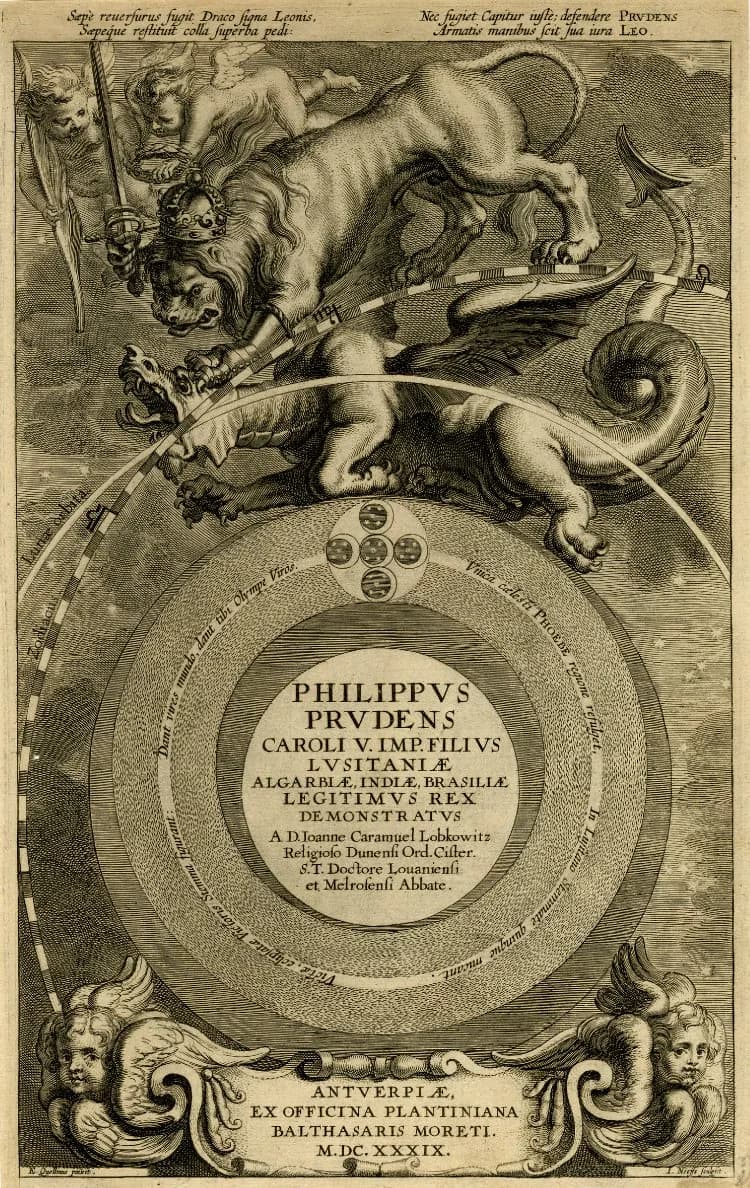
Throughout his extensive tenure, Philip II was sometimes known in Spain as Philip the Prudent, a testament to his careful and considered approach to governance. His numerous titles—King of Spain, Portugal, Naples, and Sicily, alongside his role as King consort of England and Lord of the Seventeen Provinces of the Netherlands—highlighted the unparalleled scale of his authority and his enduring impact on the geopolitical structure of 16th-century Europe.
Chapter 4 · 1554· Chapter 4 of 7
Personal Life
While the provided information on Philip II's personal life is concise, it notably includes his marriage to Queen Mary I of England in 1554. This union made him the jure uxoris King of England and Ireland. His role as King consort was an important aspect of his early career, connecting the Spanish and English monarchies during a significant period.
This marital alliance was a political and personal highlight for Philip, though it concluded with Queen Mary I's death in 1558. The marriage underscored the interwoven nature of royal families and the strategic importance of such unions in maintaining and expanding influence across Europe. His relationship with Mary I was a defining characteristic of his time as King consort.
Chapter 5· Chapter 5 of 7
Notable Works or Contributions
As a ruler, Philip II's primary contributions were manifested through his long and expansive reigns over numerous kingdoms and territories. He was instrumental in shaping the political geography of Europe, overseeing the administration of vast and diverse realms. His leadership of Spain, Portugal, Naples, Sicily, and the Netherlands represented a unique concentration of power.
His role as King of Spain from 1556 until 1598, and King of Portugal from 1580, demonstrates his skill in maintaining control and influence over a sprawling empire. Philip's reign saw significant developments across his territories, influencing governance and policy for decades. The unification of the Iberian crowns under his authority stands as a testament to his strategic power.
Chapter 6 · 1598· Chapter 6 of 7
Later Years
Philip II continued to rule his extensive territories until his death on September 13, 1598. His final years were spent overseeing the persistent challenges and responsibilities of his vast empire. The conclusion of his life marked the end of an era defined by his formidable leadership.
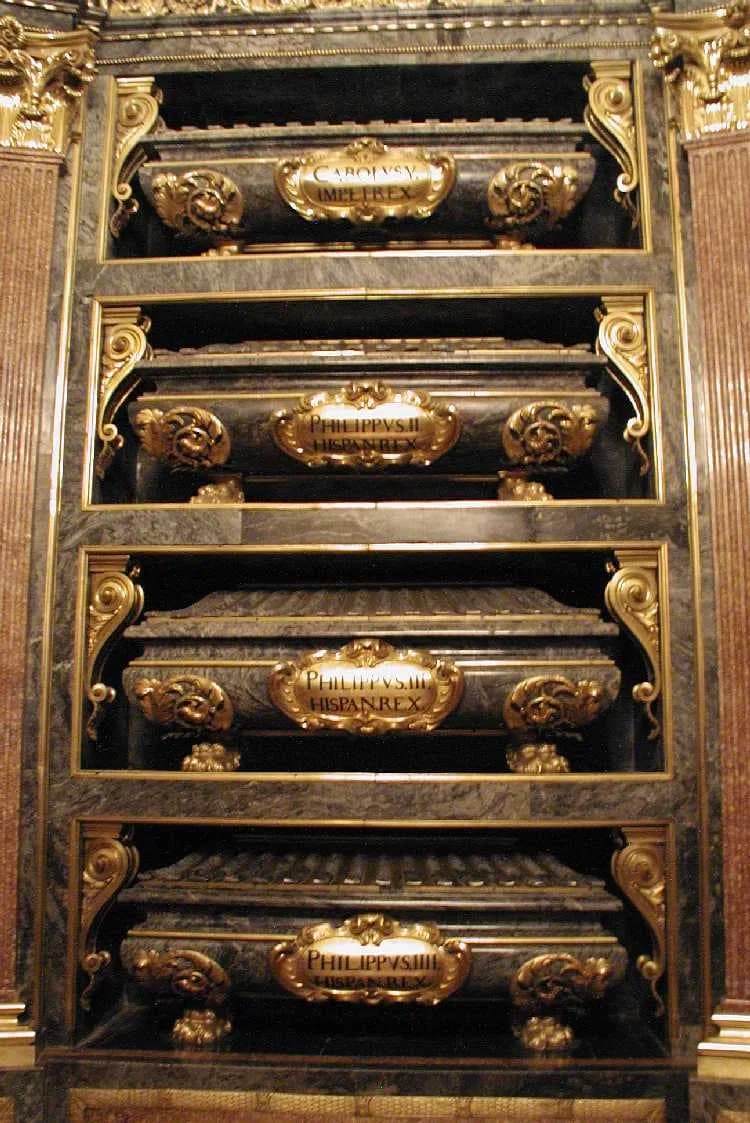
He passed away at the Royal Monastery of San Lorenzo de El Escorial, located in Spain. This magnificent complex, a testament to his reign, served as his final resting place and symbolized the grandeur and solemnity associated with his long and impactful rule. His death at El Escorial brought to a close a period of nearly universal influence for the Spanish monarch.
Chapter 7· Chapter 7 of 7
Legacy and Impact
Philip II's legacy is defined by his extensive and complex reign, which profoundly shaped the course of European history. As King of Spain, Portugal, Naples, Sicily, and King consort of England, his control spanned a colossal geographical area and a significant span of time. He left an enduring mark on the political and cultural development of these regions.
Known sometimes as Philip the Prudent, he is remembered for his careful stewardship of a vast empire. His rule ensured the continued prominence of Spain on the global stage for many decades. Philip II’s multifaceted roles and lengthy tenure as a monarch continue to be studied and remembered for their significant historical resonance.
A life in moments
The moments that shaped a life
FAQ
Frequently asked
When did Philip II of Spain die?
Philip II of Spain died on September 13, 1598 in Royal Monastery of San Lorenzo de El Escorial, Spain, at the age of 71.
Where was Philip II of Spain born?
Philip II of Spain was born in Palacio de Pimentel, Spain on May 31, 1527.
What is Philip II of Spain best known for?
Philip II of Spain is best known for King of Spain, Portugal, Naples and Sicily; King consort of England, lived 1527-1598.
How old was Philip II of Spain when they died?
Philip II of Spain was 71 years old at the time of death.
What nationality was Philip II of Spain?
Philip II of Spain was from Spain.
Timeline
Life at a glance
Photo gallery
A life in pictures
Click any polaroid to expand · 49 photos
QR Code
Share This Biography
Print & Share
Scan to visit this biography page. Print for events, exhibitions, or educational materials.