Born
February 21, 1933
Tryon, United States
Died
April 21, 2003
Carry-le-Rouet, France
Known for
American singer, songwriter and pianist and civil rights activist
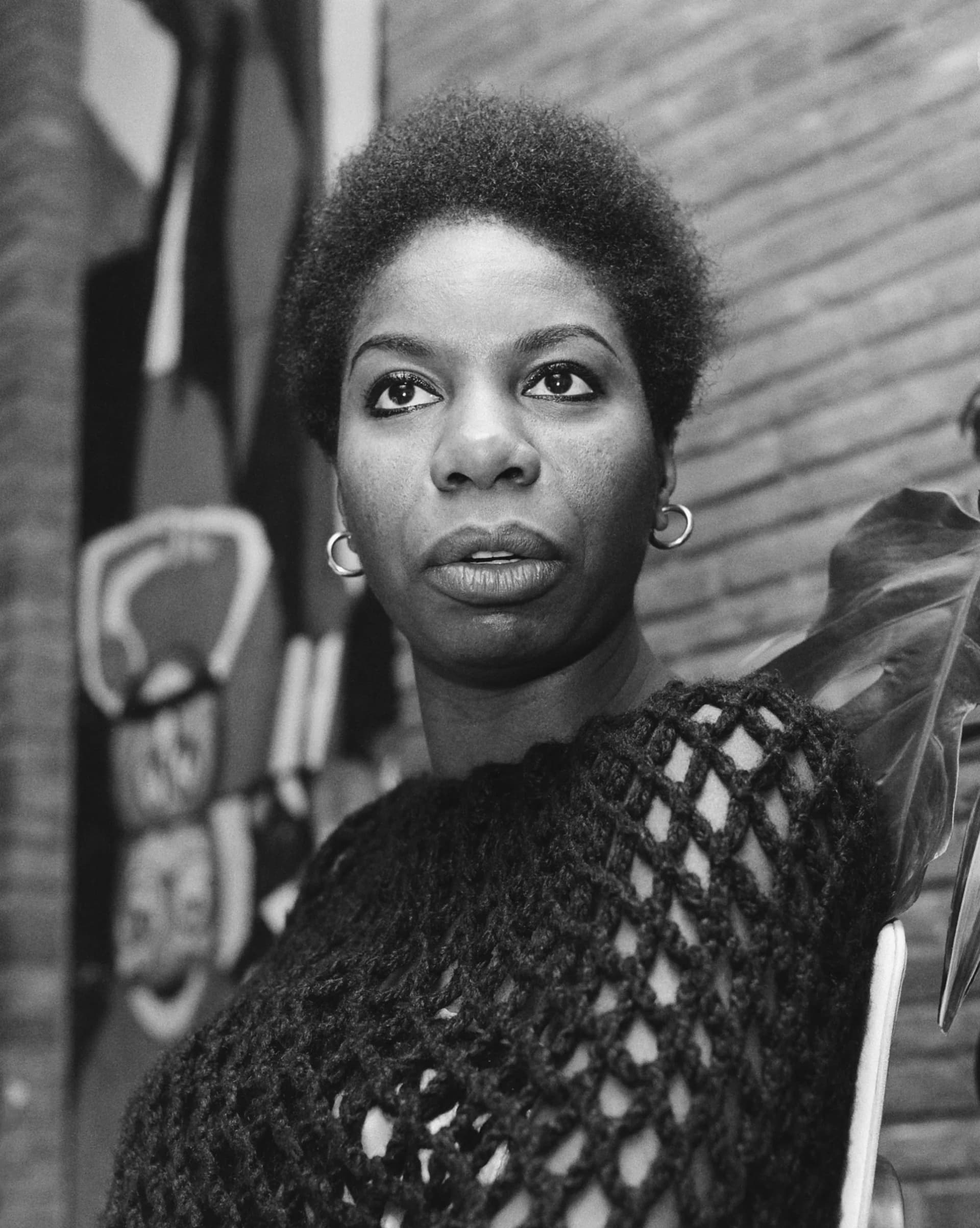
Nina Simone (1933–2003) was United States best known for American singer, songwriter and pianist and civil rights activist.
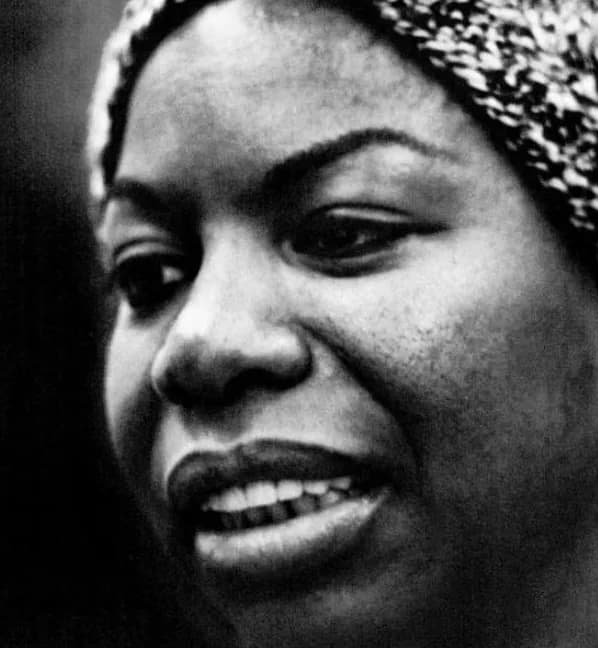
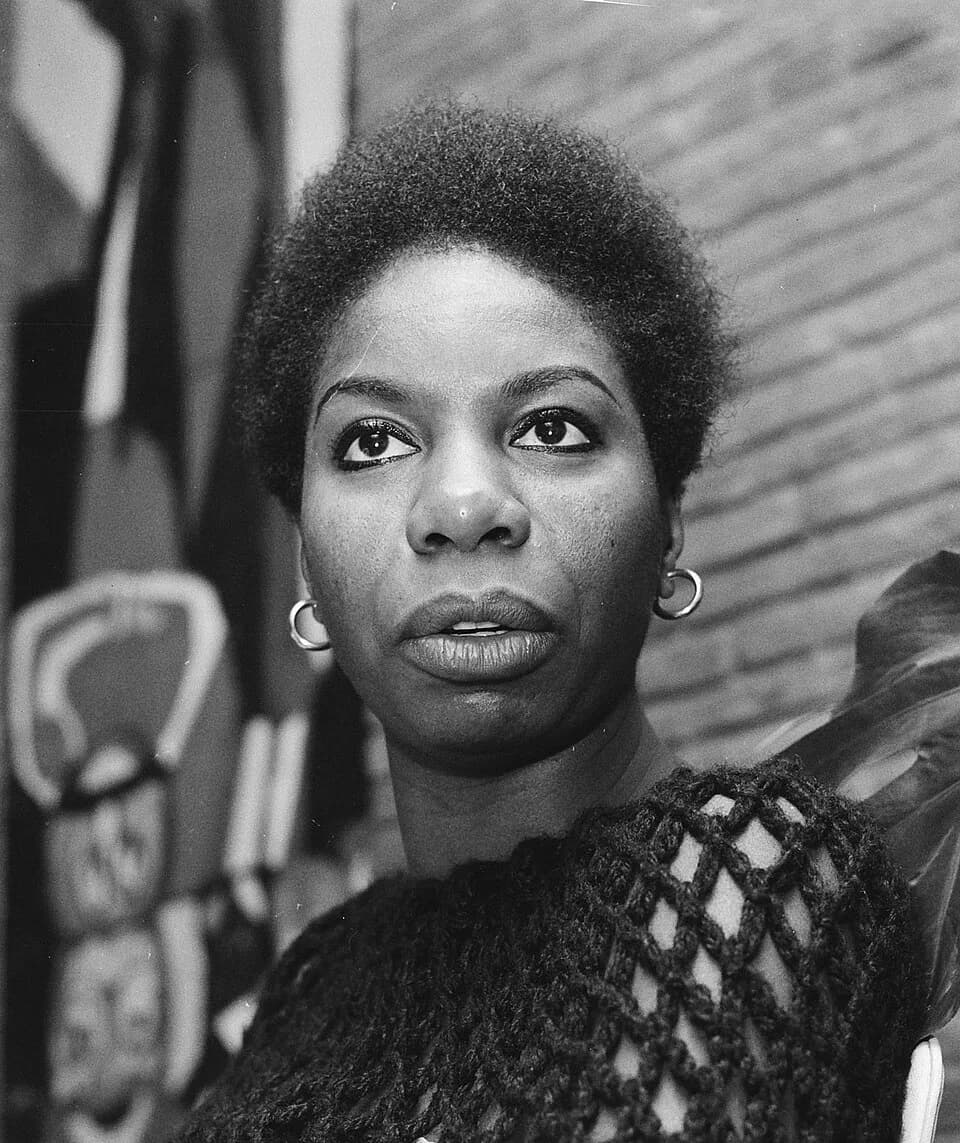
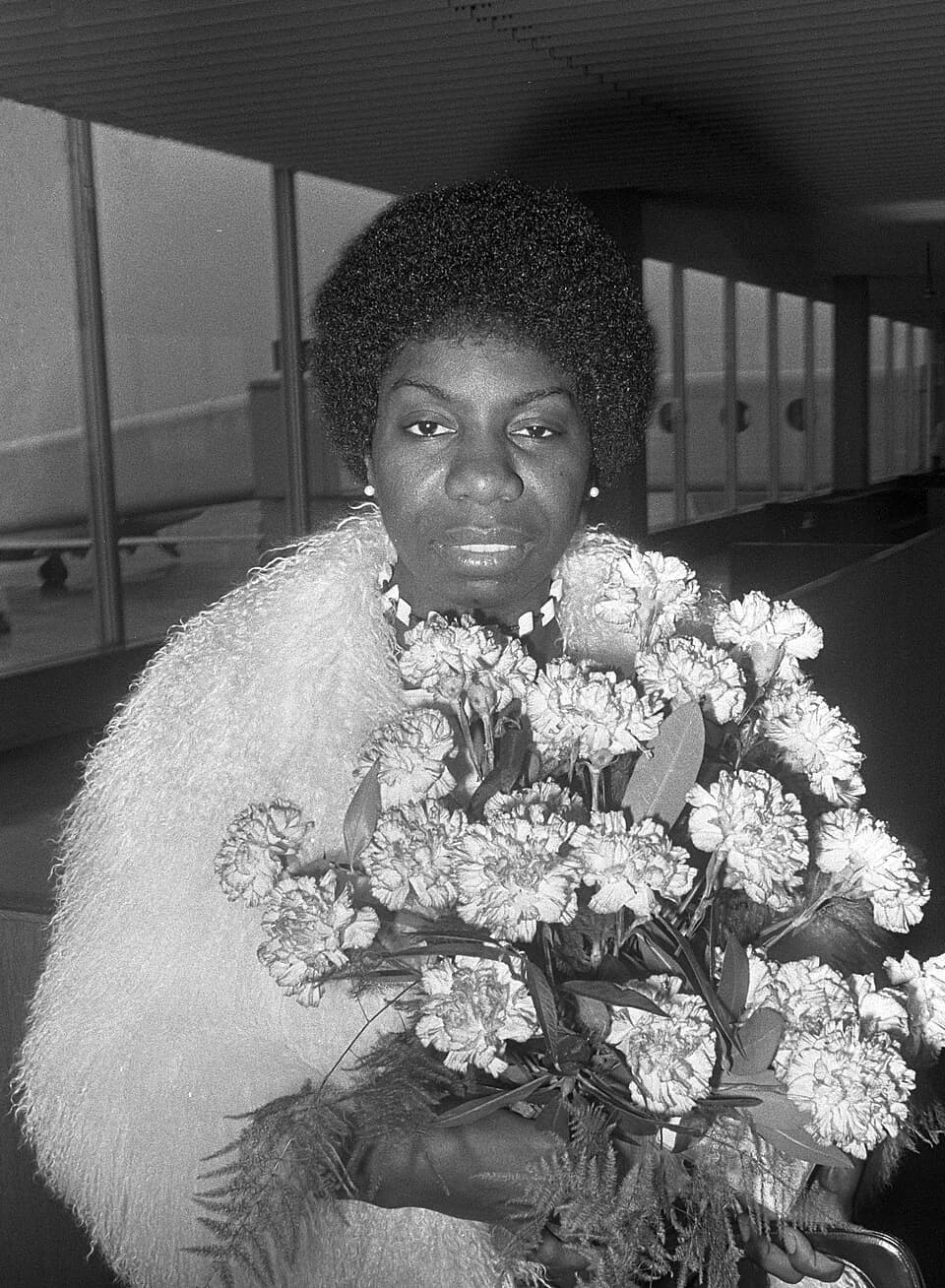
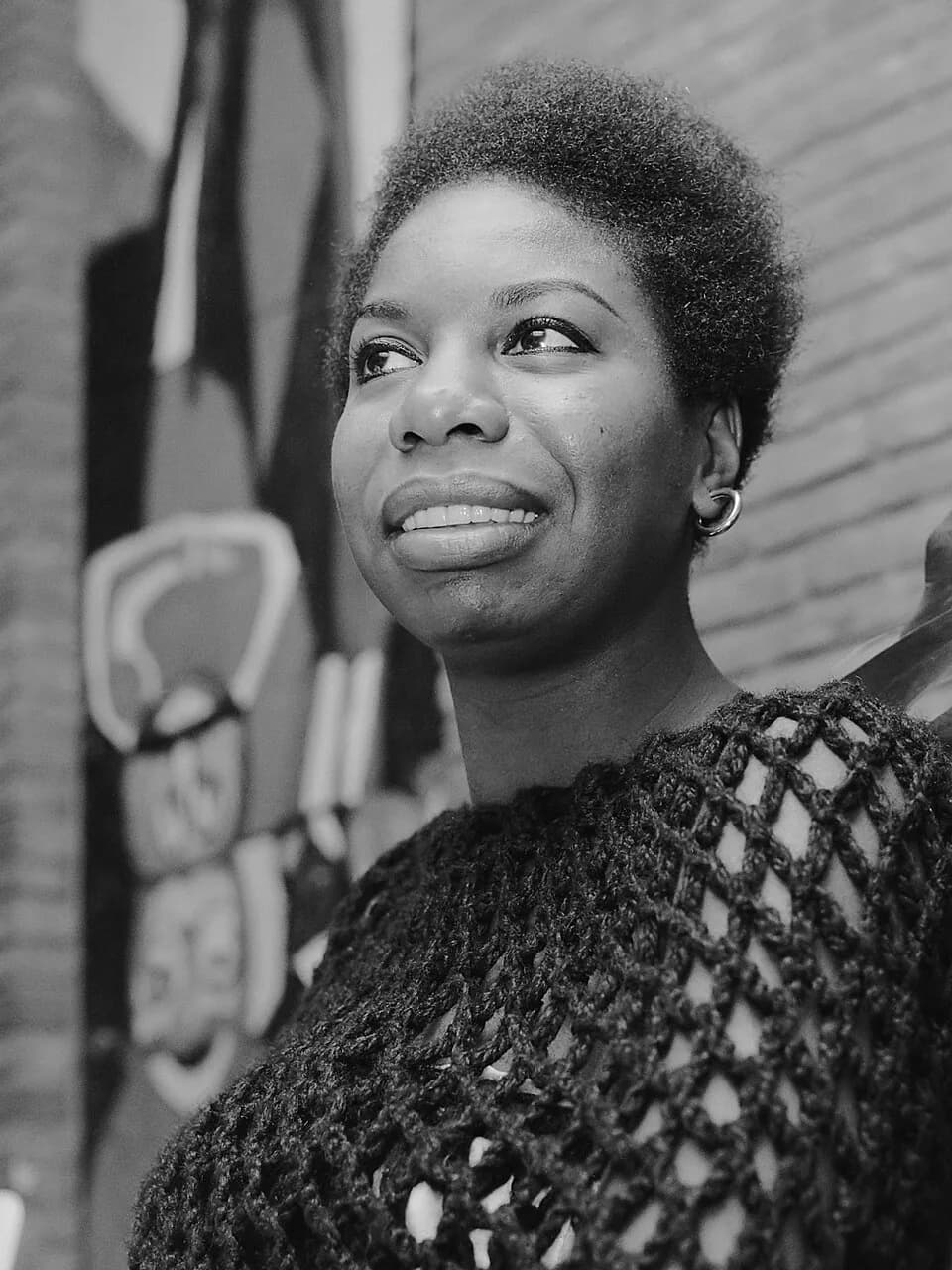
Nina Simone (February 21, 1933 – April 21, 2003) was an American singer, songwriter, and pianist from Tryon, United States. Known as the High Priestess of Soul, her music spanned classical, jazz, and folk genres, and she was a powerful civil rights activist. Her powerful voice and piano work left a lasting impact on music and social justice.
Chapter
Life chapters
Chapter 1· Chapter 1 of 6
Early Life and Origins
Eunice Kathleen Waymon, who would later be known as Nina Simone, was born in Tryon, United States. Her early life was marked by a deep immersion in classical music, where she developed her foundational piano skills. Simone's approach to the piano was significantly shaped by baroque and classical composers, particularly Johann Sebastian Bach, whose influence was evident in her intricate playing style.
Chapter 2· Chapter 2 of 6
Career Beginnings
Simone's journey into the professional music world saw her evolve into a versatile singer, pianist, and songwriter. She quickly became known for her ability to weave together diverse musical styles, creating a unique sound that transcended genre boundaries. Her repertoire encompassed classical, folk, gospel, blues, jazz, R&B, and pop, showcasing a broad artistic palette from the outset of her career.
This early versatility allowed her to craft expressive, jazz-like singing performances using her powerful contralto voice. She quickly emerged as a distinctive jazz musician and recording artist, blending her classical technique with the improvisational spirit of jazz. Her debut album, "Little Girl Blue" (1958), established her as a formidable new talent in the music scene.
Chapter 3· Chapter 3 of 6
Major Achievements and Career Highlights
Throughout her career, Nina Simone garnered widespread recognition for both her musical genius and her unwavering commitment to social justice. The title "High Priestess of Soul" reflected her dignified bearing and the deeply spiritual, emotional quality of her performances. Rolling Stone magazine, acknowledging her exceptional vocal talents, frequently included Simone on their lists of the greatest singers of all time.
Beyond her contributions to music, Simone was a tireless civil rights activist and advocate. She courageously used her platform to address racial inequality and inspire change, becoming a prominent voice during a critical period in American history. Her art served as a powerful tool for protest and empowerment, resonating deeply with audiences.
Chapter 4 · 1958· Chapter 4 of 6
Notable Works and Contributions
Nina Simone's extensive discography features a collection of influential albums that defined her artistic journey. Following "Little Girl Blue" (1958), she released "The Amazing Nina Simone" (1959) and "Forbidden Fruit" (1961), further solidifying her status as a distinctive artist. Her albums "Nina Simone Sings Ellington" (1962) and "Broadway Blues Ballads" (1964) demonstrated her interpretive range and deep understanding of different musical traditions.
One of her most celebrated works, "I Put a Spell on You" (1965), became an iconic album, featuring the titular song and other classics. She also released "Let It All Out" (1965) and "Pastel Blues" (1965) in the same year, showcasing her incredible productivity and artistic depth. Other notable albums include "Starring Nina Simone with George Wallington" (1964) and "Nina Simone With Strings" (1966).
Simone's impact is also evident in her contributions to various songbooks and compilations, such as "Some soulful words," "The Piano Songbook," and "The Best of Nina Simone." Her performances of songs like "Feeling Good (Pvg)" and "My baby just cares for me" are cherished examples of her unique vocal delivery and piano artistry. Her music explored genres including jazz, soul, blues, R&B, vocal jazz, soul jazz, classical, folk, and pop soul, embodying a true mastery of diverse sounds.
Chapter 5 · 2003· Chapter 5 of 6
Later Years
Nina Simone's life concluded on April 21, 2003, in Carry-le-Rouet, France, far from her American birthplace. In her later years, she maintained her artistic integrity and continued to be a figure of inspiration. Her move to France marked a significant period in her personal journey, yet her influence continued to resonate globally.
Chapter 6· Chapter 6 of 6
Legacy and Impact
The legacy of Nina Simone is profound and enduring, impacting both the musical world and the landscape of civil rights activism. She redefined what it meant to be a musician, fearlessly blending genres and using her art for social commentary. As a powerful voice for change, her contributions as a civil rights advocate are as significant as her musical achievements.
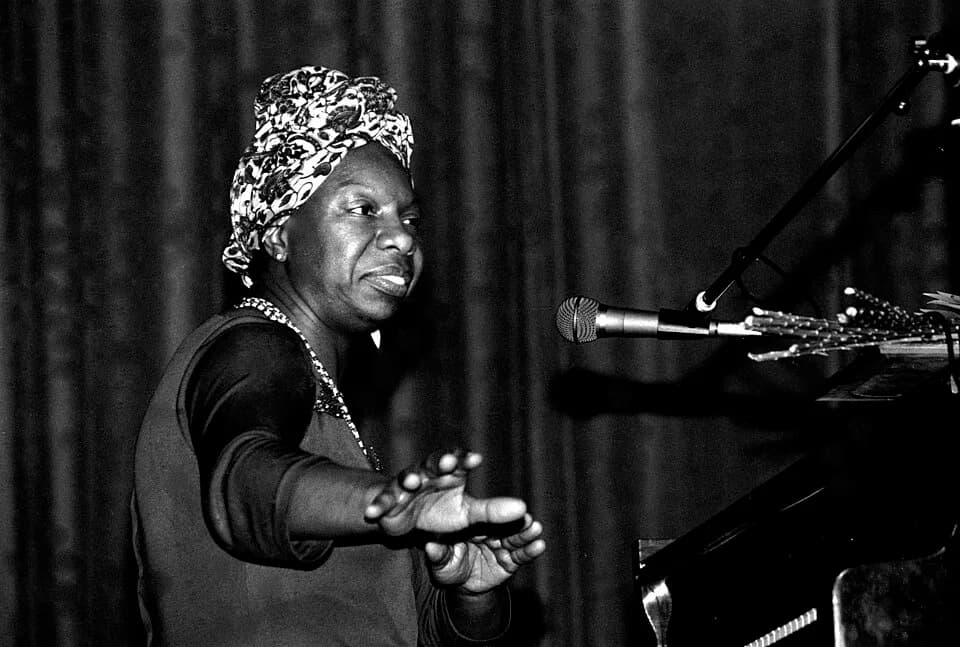
Simone's distinctive style, characterized by her classical piano training merged with expressive, jazz-like singing, continues to influence countless artists across generations. Her courage, honesty, and artistic brilliance ensure that the High Priestess of Soul remains an icon, revered for her contributions to jazz, soul, blues, and her unwavering dedication to justice.
A life in moments
The moments that shaped a life
FAQ
Frequently asked
When did Nina Simone die?
Nina Simone died on April 21, 2003 in Carry-le-Rouet, France, at the age of 70.
Where was Nina Simone born?
Nina Simone was born in Tryon, United States on February 21, 1933.
What is Nina Simone best known for?
Nina Simone is best known for American singer, songwriter and pianist and civil rights activist.
How old was Nina Simone when they died?
Nina Simone was 70 years old at the time of death.
What nationality was Nina Simone?
Nina Simone was from United States.
Timeline
Life at a glance
Photo gallery
A life in pictures
Click any polaroid to expand · 25 photos
QR Code
Share This Biography
Print & Share
Scan to visit this biography page. Print for events, exhibitions, or educational materials.