Born
October 22, 1844
Saint Boniface, Canada
Died
November 16, 1885
Regina, Canada
Known for
Métis leader in Canada
Louis Riel (1844–1885) was Canada best known for Métis leader in Canada.
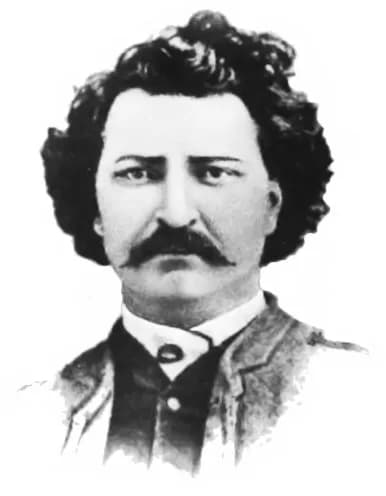
Louis Riel (October 22, 1844 – November 16, 1885) was a Métis leader, politician, and teacher from Canada. He founded the province of Manitoba and led two resistance movements to defend Métis rights against the Canadian government. Riel's enduring legacy is central to Canadian history and Métis identity.
A life in moments
The moments that shaped a life
![Louis Riel - Charles & Joseph Riel. [Charles on the left, Joseph on the right]. Charles (1854-1875) and Joseph Riel (1857-1921) were the brothers of Louis Riel (1844-1885) the Métis spokesman, fou](/_next/image?url=https%3A%2F%2Fcdn.whowasthisguy.com%2Fgallery_wikimedia_commons_1783618723547_0_8697bbaca2.webp&w=1920&q=75)
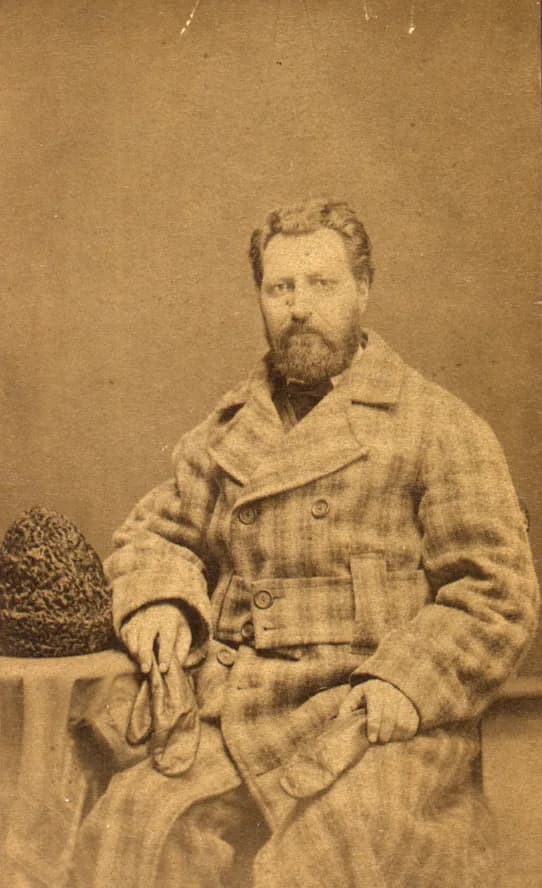
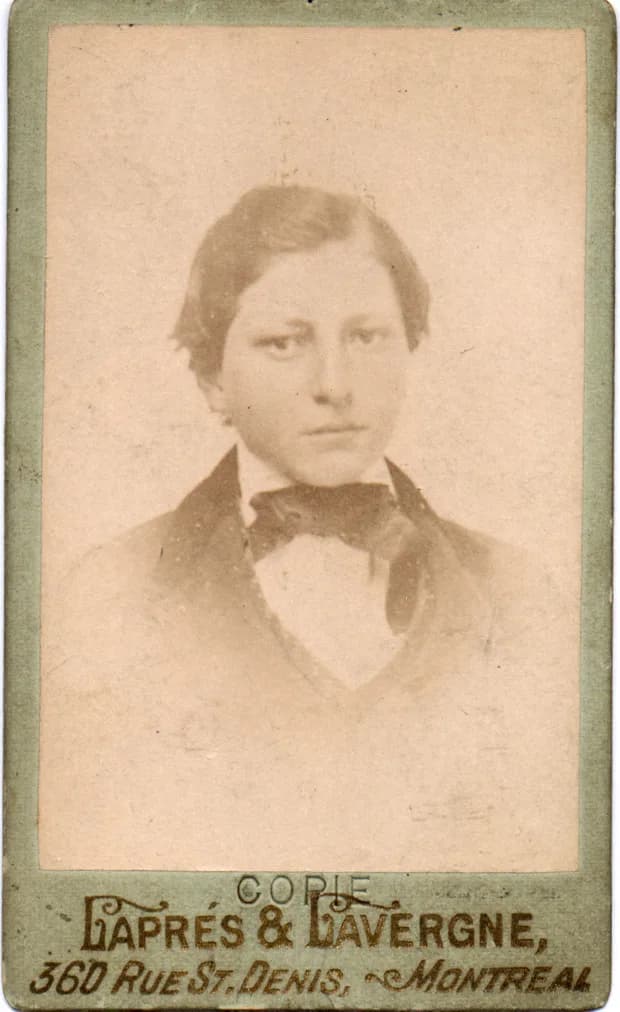
Chapter
Life chapters
Chapter 1 · 1844· Chapter 1 of 7
Early Life and Origins
Born on October 22, 1844, in the Red River Settlement, which is now Saint Boniface, Canada, Louis Riel grew up immersed in the vibrant Métis community. His heritage, combining Indigenous and European ancestry, provided him with a unique perspective on the evolving political landscape of the Canadian prairies. This upbringing instilled in him a profound understanding of communal identity and the importance of self-determination.
Riel received an education that equipped him with strong intellectual capabilities, preparing him for the significant political and social challenges he would later face. His early experiences within the diverse Red River Settlement, a hub of distinct cultures and traditions, laid the foundation for his commitment to justice and governance. These formative years developed his leadership qualities and his unwavering dedication to protecting the Métis nation's way of life.
Chapter 2· Chapter 2 of 7
Career Beginnings
Louis Riel's ascent to leadership began as the Government of Canada started to assert its influence over the Northwest Territories. He emerged as a passionate advocate for Métis land titles, distinct cultural identity, and language rights in the face of these changes. His skills as a writer and politician enabled him to articulate the concerns and aspirations of his community with clarity and conviction.
He effectively organized the Métis people to resist perceived encroachments on their traditional lands and sovereignty, leading to the formation of provisional governments. These early actions demonstrated his remarkable capacity for political organization and his determination to represent the collective will of the Métis. His initial efforts set the stage for his lasting impact on Canadian confederation and Indigenous rights.
Chapter 3 · 1869· Chapter 3 of 7
Major Achievements and Career Highlights
Louis Riel is most notably recognized for leading two significant resistance movements against the Government of Canada and its first prime minister, John A. Macdonald. The first, the Red River Resistance of 1869-1870, was a defining moment that directly led to the establishment of the province of Manitoba. Through his provisional government, Riel skillfully negotiated the terms under which Manitoba entered Confederation.
His negotiations secured vital provisions for French language rights, separate schools, and specific land grants for Métis families within the new province. These achievements stand as enduring testaments to his strategic political acumen and his unwavering commitment to his community's welfare and future. The foundation of Manitoba remains a central pillar of his historical legacy.
Later, in 1885, Riel again led a resistance movement in the Northwest Territories, battling to defend Métis rights and identity as Canadian influence expanded. This second resistance, although ultimately suppressed, solidified his role as a relentless defender of Indigenous sovereignty and self-determination. He fought tirelessly against the assimilationist policies that threatened the Métis way of life.
Chapter 4· Chapter 4 of 7
Personal Life
While specific details concerning Louis Riel's private family life are not extensively provided in historical records, his existence was undeniably and profoundly intertwined with the political struggles of the Métis people. His public life as a leader, politician, and teacher fully reflected a deep, personal commitment to their cause. This dedication shaped every choice he made and every action he undertook.
His tireless advocacy and willingness to make personal sacrifices underscore a life centered on the well-being and future of the Métis nation. Riel's personal journey became inseparable from the collective destiny of his community, highlighting a profound investment in their cultural survival and political recognition. His struggles were always for the collective identity and inherent rights of his people.
Chapter 5· Chapter 5 of 7
Notable Works or Contributions
As a writer, Louis Riel significantly contributed to the political and historical discourse surrounding Métis rights and Canadian identity. His compositions include important official documents, powerful proclamations, and insightful historical reflections, all offering a unique perspective from the Métis leadership during a period of intense change. These writings were vital instruments in his broader political advocacy and educational efforts.
Among his documented contributions are significant historical and political texts such as the "Mémoire historique du Nord-Ouest," which articulates a Métis historical viewpoint. Another is the proclamation "Pour prouver aux nations sauvages que le peuple de la Riviere [sic] Rouge...", demonstrating his efforts to communicate the Métis position widely. Additionally, official records of his legal battles, such as "The Queen vs. Louis Riel," serve as crucial historical documents illustrating the fight for Métis self-determination.
Chapter 6 · 1885· Chapter 6 of 7
Later Years
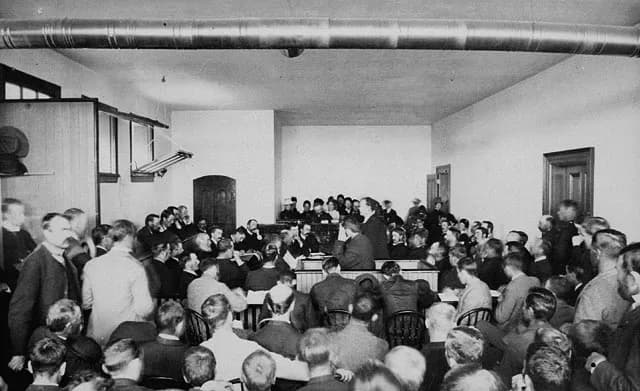
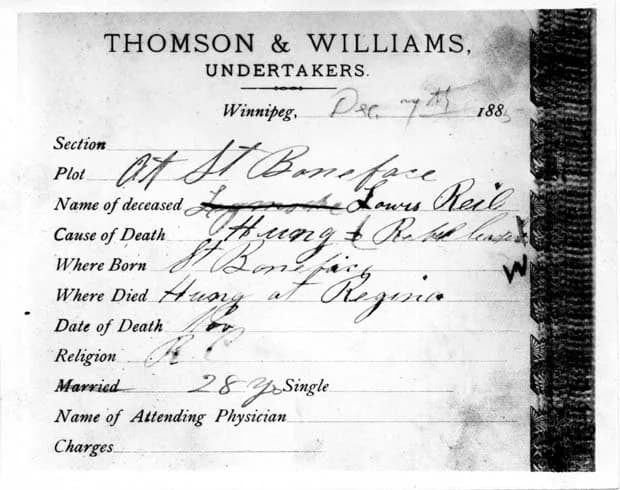
The final years of Louis Riel’s life were tragically defined by the second resistance movement of 1885 in the Northwest Territories. Following the suppression of this uprising, Riel was captured and subsequently put on trial for treason. His trial, held in Regina, Canada, became a deeply contentious event that ignited widespread debates across Canada about justice, Indigenous rights, and the very fabric of national identity.
Despite widespread appeals for clemency from various quarters, Louis Riel was executed on November 16, 1885, in Regina, Canada. His death marked a somber and controversial end to a life wholly dedicated to advocacy and resistance. The circumstances of his execution continue to be a subject of intense historical discussion and profound national reflection within Canada.
Chapter 7· Chapter 7 of 7
Legacy and Impact
Louis Riel's legacy endures as one of the most complex, compelling, and significant figures in Canadian history. He is widely revered by many Métis people as a national hero, a visionary leader, and a martyr who fought fiercely for their inherent rights, culture, and self-determination. His indelible role in the founding of Manitoba irrevocably shaped the political and geographical landscape of Canada.
His relentless struggle brought crucial attention to the rights of Indigenous peoples and minority language groups throughout Canada, issues that resonate strongly today. While controversial during his lifetime, Riel is increasingly recognized for his profound contributions to Canadian confederation and for inspiring ongoing efforts towards reconciliation and respect for Indigenous sovereignty. His life and struggles continue to serve as a powerful symbol of resistance, cultural resilience, and the pursuit of justice.
FAQ
Frequently asked
When did Louis Riel die?
Louis Riel died on November 16, 1885 in Regina, Canada, at the age of 41.
Where was Louis Riel born?
Louis Riel was born in Saint Boniface, Canada on October 22, 1844.
What is Louis Riel best known for?
Louis Riel is best known for Métis leader in Canada.
How old was Louis Riel when they died?
Louis Riel was 41 years old at the time of death.
What nationality was Louis Riel?
Louis Riel was from Canada.
Timeline
Life at a glance
Photo gallery
A life in pictures
Click any polaroid to expand · 21 photos
QR Code
Share This Biography
Print & Share
Scan to visit this biography page. Print for events, exhibitions, or educational materials.