Born
June 15, 1075
Unterlüß, Germany
Died
December 11, 1137
Breitenwang, Austria
Known for
Holy Roman Emperor from 1133 to 1137
Lothair III (1075–1137) was Germany best known for Holy Roman Emperor from 1133 to 1137.
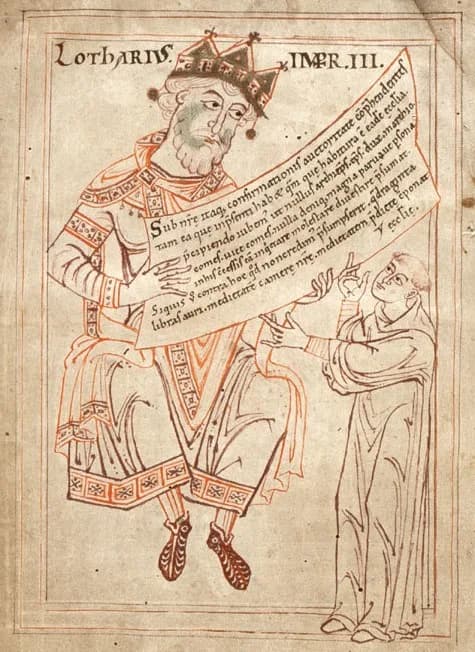
Lothair III (June 15, 1075 – December 11, 1137) was a Holy Roman Emperor and ruler from Germany. He rose from Duke of Saxony to King of Germany before his coronation in Rome. His reign successfully asserted imperial authority, notably in a campaign against the Norman Kingdom of Sicily.
A life in moments
The moments that shaped a life
Chapter
Life chapters
Chapter 1 · 1075· Chapter 1 of 8
Introduction
Lothair III (June 15, 1075 – December 11, 1137) stands as a significant figure in the annals of medieval European history, recognized primarily as Holy Roman Emperor from 1133 until his passing. A formidable ruler, aristocrat, and even noted as a writer, he skillfully navigated the complex political landscape of the 12th century, consolidating imperial power and asserting his authority across a vast realm. His journey from a Saxon duke to the highest imperial office encapsulates a period of intense rivalry and determined leadership, leaving an enduring mark on the Holy Roman Empire and its constituent territories. He was a statesman whose reign was characterized by both internal struggles and ambitious foreign policy, firmly establishing his place among the prominent monarchs of his era.
Chapter 2 · 1075· Chapter 2 of 8
Early Life and Origins
Born on June 15, 1075, in the tranquil German settlement of Unterlüß, Lothair III entered a world shaped by the complex political and social structures of the medieval Holy Roman Empire. His birth into the esteemed Supplinburg family, specifically as the son of Gebhard of Supplinburg, a prominent Saxon count, immediately placed him within the upper echelons of the German aristocracy and its intricate web of power. This noble lineage provided him with a foundational status, influencing his early life and establishing a clear path toward future engagement in the governance and military affairs of his ancestral lands. The context of his birth in Saxony, a powerful duchy, would profoundly influence his political development and later aspirations for wider imperial authority.
While specific details concerning Lothair’s upbringing and formal education are not extensively preserved in historical records, his aristocratic background ensured a comprehensive training suitable for a future leader. This likely encompassed military skills, administrative knowledge, and a nuanced understanding of feudal politics, all essential for navigating the turbulent dynamics of the empire. As a young count, he would have gained practical experience in managing estates and commanding retainers, gradually building the reputation and alliances that would prove crucial for his eventual rise. His early years were undoubtedly formative, laying the groundwork for the strategic acumen and resilience he would later demonstrate as both King of Germany and Holy Roman Emperor.
Chapter 3 · 1106· Chapter 3 of 8
Ascension to Power: Duke and King
Lothair’s political career began its ascent with his appointment as Duke of Saxony in 1106, a significant milestone that granted him substantial regional authority and a powerful base from which to operate. This ducal title solidified his standing among the German princes, enabling him to wield considerable influence within the empire and establish a network of loyal supporters. His leadership in Saxony demonstrated his capacity for governance and military command, preparing him for the greater responsibilities that lay ahead. The ducal appointment was a critical step, showcasing his growing influence and the trust placed in his abilities by the ruling powers.
Building on his ducal authority, Lothair achieved another pivotal success in 1125 when he was elected King of Germany, a triumph that positioned him squarely on the path to imperial power. This election was often a contested affair, involving intricate negotiations and alliances among the powerful electoral princes, highlighting Lothair's political skill and broad support. His successful election marked a crucial turning point, signaling his emergence as a dominant force within the German realm and setting the stage for his ultimate imperial coronation. It was a testament to his persistent efforts and his ability to rally influential factions behind his cause.
Chapter 4 · 1133· Chapter 4 of 8
The Imperial Reign: Challenges and Consolidation
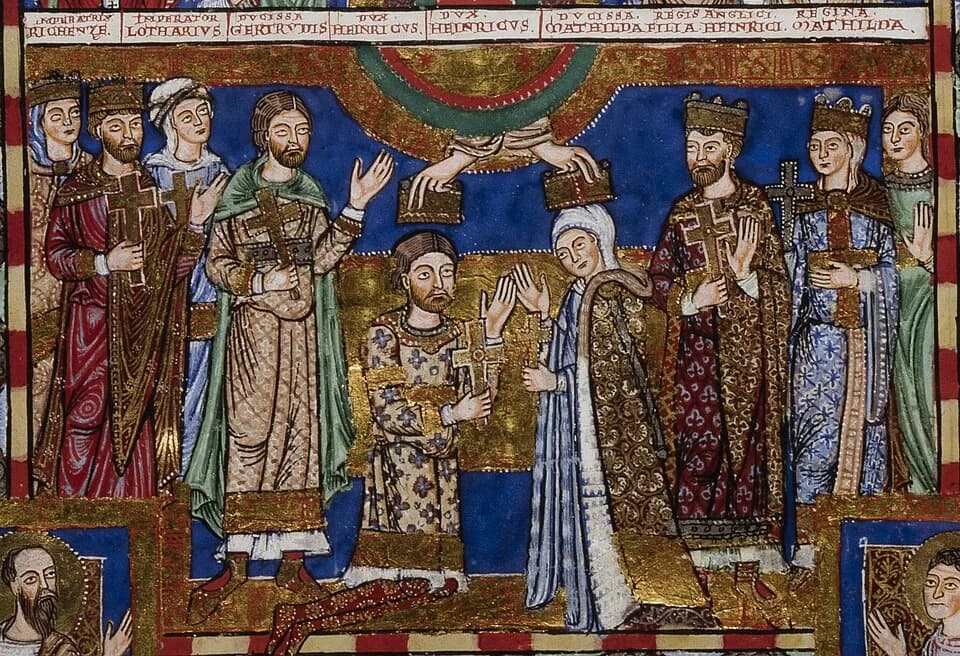
The pinnacle of Lothair’s career arrived in 1133 when he was crowned Holy Roman Emperor in Rome, an event that officially bestowed upon him the highest temporal authority in Western Europe. His emperorship, lasting until his death in 1137, was a period marked by determined efforts to strengthen central authority and navigate complex internal and external challenges. The imperial coronation cemented his position as the supreme overlord, responsible for maintaining peace and order across a diverse collection of kingdoms, duchies, and territories. This sacred ceremony underscored his legitimacy and the spiritual dimension of his vast office.
Throughout his reign, Emperor Lothair III faced constant intriguing and direct opposition from the powerful Hohenstaufens, notably Duke Frederick II of Swabia and Duke Conrad of Franconia, who consistently challenged his authority. These powerful dukes represented a formidable internal threat, requiring Lothair to employ both military force and diplomatic skill to maintain control and prevent the fragmentation of the empire. His ability to withstand these persistent challenges underscores his resilience as a ruler and his unwavering commitment to consolidating imperial power against strong centrifugal forces. The struggle with the Hohenstaufens was a defining feature of his time on the throne, demonstrating the precarious nature of imperial rule.
Despite these persistent internal conflicts, Lothair III steadfastly pursued broader imperial goals, seeking to extend and solidify his dominion. He was a ruler who understood the importance of asserting imperial prestige and authority both within the Germanic lands and across the wider European stage. His policies aimed at establishing a strong imperial presence, ensuring that the Emperor's will was recognized and respected by both his vassals and neighboring states. This ongoing process of consolidation and assertion of power was central to his vision for a stable and influential Holy Roman Empire.
Chapter 5· Chapter 5 of 8
Imperial Ambition: The Sicilian Campaign
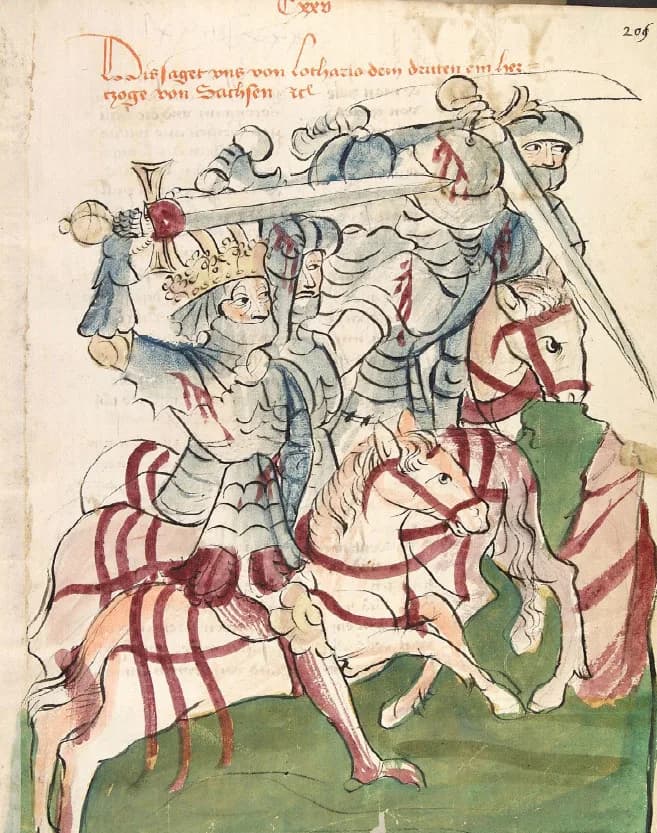
A notable military undertaking during Lothair’s reign was his successful campaign against the Norman Kingdom of Sicily, a testament to his strategic ambition and military prowess. This significant expedition demonstrated the emperor's determination to assert imperial authority over distant territories and confront powerful regional rivals. The campaign involved considerable logistical challenges and political maneuvering, highlighting Lothair’s capacity for leadership on a grand scale and his resolve to protect the empire's interests in the Mediterranean. His victory in Sicily was a clear demonstration of his ability to project imperial power beyond the traditional Germanic heartlands.
The success of the Sicilian campaign not only expanded imperial influence but also served as a powerful statement regarding Lothair’s authority and military effectiveness. Such a distant and challenging engagement required careful planning and the unwavering support of his forces, reflecting his skill as a commander and his ability to inspire loyalty. This achievement resonated throughout Europe, enhancing the prestige of the Holy Roman Empire and solidifying Lothair’s reputation as a strong and decisive monarch. The strategic importance of gaining leverage in southern Italy was significant for the broader political landscape of the continent.
Chapter 6· Chapter 6 of 8
Beyond the Throne: Proficiencies and Persona
Beyond his formidable responsibilities as an emperor and a ruler, Lothair III was also notably characterized by his contemporaries as an aristocrat and a writer, suggesting a man of diverse abilities and intellectual interests. While specific literary works attributed directly to him are not explicitly documented in the provided historical records, this classification implies a significant engagement with scholarship, the arts of courtly composition, or the meticulous administration necessary for chronicling imperial decrees and historical events. As an aristocrat, he would have been thoroughly steeped in the cultural practices, chivalric ideals, and sophisticated courtly life prevalent among the German nobility of the 12th century, shaping his worldview and diplomatic style. This dual identity as a pragmatic statesman and a figure with scholarly inclinations paints a more complete picture of a monarch who understood the power of both the sword and the pen in governing a vast empire.
His role as an aristocrat encompassed not only his noble birth but also the expectations and responsibilities associated with his social standing, which included patronage of the arts, participation in chivalric pursuits, and adherence to a strict code of honor. This aspect of his persona would have informed his interactions with fellow nobles and his approach to governance, emphasizing tradition and lineage. The mention of him as a writer suggests an intellectual curiosity or perhaps an involvement in the production of official documents, chronicles, or even personal correspondence that reflects a thoughtful, educated mind behind the imperial decrees. Such intellectual leanings would have provided him with additional tools for effective governance, allowing for clear communication and the systematic recording of his reign's events.
Chapter 7 · 1137· Chapter 7 of 8
The Final Journey and Passing
Emperor Lothair III's final days underscore his commitment to duty, as he died on December 11, 1137, in Breitenwang, Austria, while actively returning from his successful campaign against the Norman Kingdom of Sicily. His death on this journey speaks to his hands-on approach to leadership and his continuous engagement in the affairs of state until his last breath. This passing marked the end of a reign that had seen significant challenges and notable achievements, concluding a life dedicated to the service of the Holy Roman Empire. The specific location of his death, far from the central seats of imperial power, highlights the extensive travels and constant activity demanded by his imperial role.
His demise in Breitenwang, following such a demanding and successful military expedition, signifies the physical and mental toll of governing a vast and often turbulent empire during the medieval period. Lothair had been actively asserting imperial power, demonstrating his unflagging resolve and robust leadership until the very end of his life. His death while returning victorious from a major campaign serves as a poignant reminder of the personal sacrifices made by medieval monarchs in the pursuit of their imperial ambitions and the maintenance of their authority. The timing of his death cemented the legacy of a ruler who remained engaged and active in imperial affairs throughout his life.
Chapter 8 · 1133· Chapter 8 of 8
Lasting Echoes: Lothair's Legacy
Lothair III's reign as Holy Roman Emperor, though relatively brief from 1133 to 1137, played a crucial role in stabilizing the empire following a period of considerable political upheaval and conflict. He is remembered for his persistent efforts to strengthen imperial authority, particularly against the formidable and continuous challenges posed by the Hohenstaufens. His determined leadership helped to mitigate internal divisions and reinforce the central government's power, laying groundwork for future imperial stability. His ability to manage powerful dissenting factions within the empire speaks to his political acumen and enduring will.
His actions as Emperor significantly shaped the political landscape of the Holy Roman Empire, influencing the balance of power among the princes and reinforcing the institution of the emperorship for future generations. The successful campaign against the Norman Kingdom of Sicily, in particular, demonstrated the reach and ambition of the imperial office under his leadership, projecting imperial prestige far beyond the traditional borders. This military success was a clear signal of the empire's renewed strength and Lothair's capacity to lead formidable expeditions against established powers. He established a precedent for assertive imperial foreign policy.
Ultimately, Lothair III is remembered as a resilient and effective ruler who navigated a complex political environment with determination, securing his place in history as a significant Holy Roman Emperor. His legacy is one of consolidation, strategic ambition, and unwavering commitment to the imperial ideal, leaving behind an empire that, despite its challenges, was strengthened by his efforts. His life journey from a Saxon count to the pinnacle of European power reflects the dynamic and often tumultuous nature of medieval governance. He remains a figure whose contributions to imperial stability and authority were profoundly important for the trajectory of 12th-century European politics.
FAQ
Frequently asked
When did Lothair III die?
Lothair III died on December 11, 1137 in Breitenwang, Austria, at the age of 62.
Where was Lothair III born?
Lothair III was born in Unterlüß, Germany on June 15, 1075.
What is Lothair III best known for?
Lothair III is best known for Holy Roman Emperor from 1133 to 1137.
How old was Lothair III when they died?
Lothair III was 62 years old at the time of death.
What nationality was Lothair III?
Lothair III was from Germany.
Timeline
Life at a glance
Photo gallery
A life in pictures
Click any polaroid to expand · 25 photos
QR Code
Share This Biography
Print & Share
Scan to visit this biography page. Print for events, exhibitions, or educational materials.