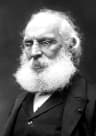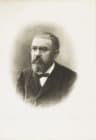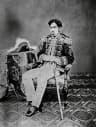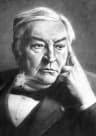
Born
January 8, 1836
Dronryp, Netherlands
Died
June 25, 1912
Wiesbaden, Germany
Known for
Dutch-born British painter
Lawrence Alma-Tadema (1836–1912) was Netherlands best known for Dutch-born British painter.
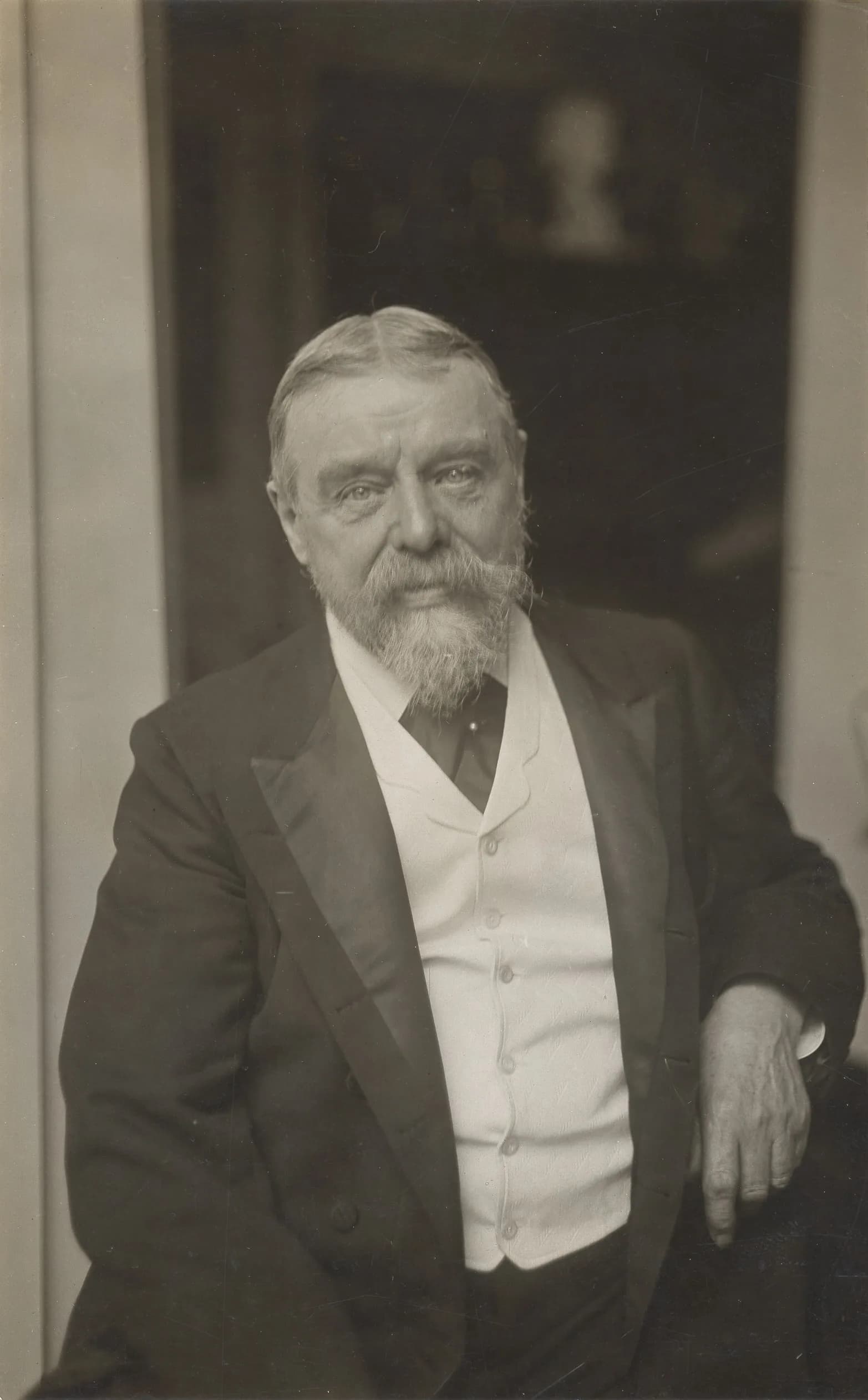
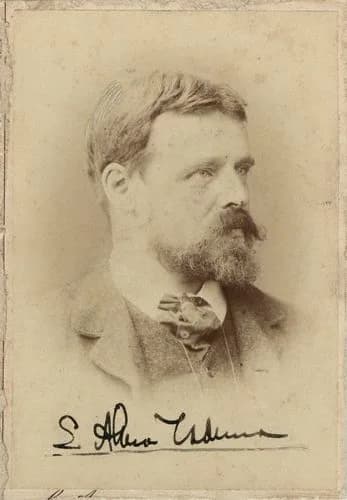
Lawrence Alma-Tadema (January 8, 1836 – June 25, 1912) was a Dutch-born British painter, illustrator, and graphic artist. He settled in London, becoming a celebrated artist known for his detailed depictions of classical antiquity. His work continues to be admired for its historical accuracy and beauty.
Chapter
Life chapters
Chapter 1· Chapter 1 of 6
Early Life and Origins
Lawrence Alma-Tadema was born Laurens Tadema in the small village of Dronryp, Netherlands. His early life unfolded in a modest Dutch setting before his artistic talents led him to more formal training. He pursued his education at the prestigious Royal Academy of Antwerp, Belgium, a crucial step in honing the skills that would define his future career. This rigorous academic environment provided the foundation for his precise draftsmanship and his deep understanding of art history.
Chapter 2 · 1870· Chapter 2 of 6
Career Beginnings and Artistic Development
After his foundational training in Antwerp, Alma-Tadema began to establish his reputation as a painter. His early works often drew inspiration from historical subjects, a theme he would explore throughout his career. He eventually settled in London, England, in 1870, a move that significantly shaped his professional trajectory. This relocation marked a turning point, allowing him to immerse himself in the vibrant British art scene.
Chapter 3 · 1873· Chapter 3 of 6
Major Achievements and Career Highlights
Alma-Tadema’s career was marked by continuous success and recognition in his adopted country. In 1873, he became the last officially recognised denizen of the United Kingdom, reflecting his full integration into British society. His proficiency extended beyond painting; he was also a skilled illustrator, muralist, etcher, draftsperson, lithographer, and watercolorist, demonstrating a broad command of visual arts. His dedication to historical accuracy and aesthetic beauty in his paintings garnered him numerous accolades and a significant following among art collectors and the public.
Chapter 4 · 1885· Chapter 4 of 6
Notable Works and Artistic Contributions
Lawrence Alma-Tadema’s artistic output included a variety of captivating works that showcased his unique style. Among his recognized pieces are "Settee" (ca. 1885), a masterwork housed at the Met Museum, and "An Egyptian in a Doorway" (1865), which reveals his early fascination with ancient cultures. Other significant works at the Met Museum include "Curtain" (ca. 1885) and "Autumn (Scene in a Roman Garden)" (ca. 1874–79), illustrating his recurring themes of classical domestic life and lush ancient settings. He also contributed illustrations, such as "The Bowman," a frontispiece from "The Epic of Kings, Stories Retold from Firdusi" (1882), held at the Art Institute of Chicago, further highlighting his versatility across different artistic mediums and institutions.
Chapter 5 · 1870· Chapter 5 of 6
Later Years and End of Life
Sir Lawrence Alma-Tadema spent the remainder of his life in London after settling there in 1870, continuing his prolific artistic career. He remained an active and celebrated painter until his final years, contributing significantly to the art world. He passed away on June 25, 1912, in Wiesbaden, Germany, bringing an end to a distinguished life dedicated to art. His death marked the close of an era, but his artistic legacy endured.
Chapter 6· Chapter 6 of 6
Legacy and Impact
The legacy of Lawrence Alma-Tadema is defined by his distinctive contribution to the late Victorian art movement, particularly his romanticized yet precise portrayals of ancient life. He played a crucial role in shaping public perception of classical antiquity through his richly detailed and atmospheric canvases. His work continues to influence artists and captivate audiences with its blend of historical research and artistic imagination, cementing his place as a master painter of his time. His meticulous approach and the sheer beauty of his creations ensure his lasting recognition.
A life in moments
The moments that shaped a life


FAQ
Frequently asked
When did Lawrence Alma-Tadema die?
Lawrence Alma-Tadema died on June 25, 1912 in Wiesbaden, Germany, at the age of 76.
Where was Lawrence Alma-Tadema born?
Lawrence Alma-Tadema was born in Dronryp, Netherlands on January 8, 1836.
What is Lawrence Alma-Tadema best known for?
Lawrence Alma-Tadema is best known for Dutch-born British painter.
How old was Lawrence Alma-Tadema when they died?
Lawrence Alma-Tadema was 76 years old at the time of death.
What nationality was Lawrence Alma-Tadema?
Lawrence Alma-Tadema was from Netherlands.
Timeline
Life at a glance
Photo gallery
A life in pictures
Click any polaroid to expand · 24 photos
QR Code
Share This Biography
Print & Share
Scan to visit this biography page. Print for events, exhibitions, or educational materials.