Born
December 28, 1944
Lenoir, United States
Died
August 7, 2019
Newport Beach, United States
Known for
American biochemist
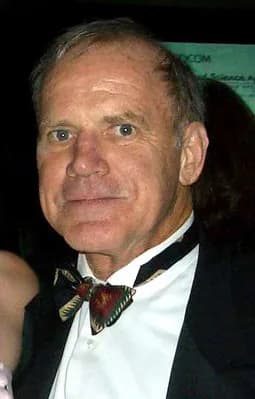
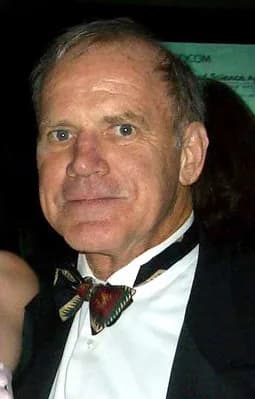
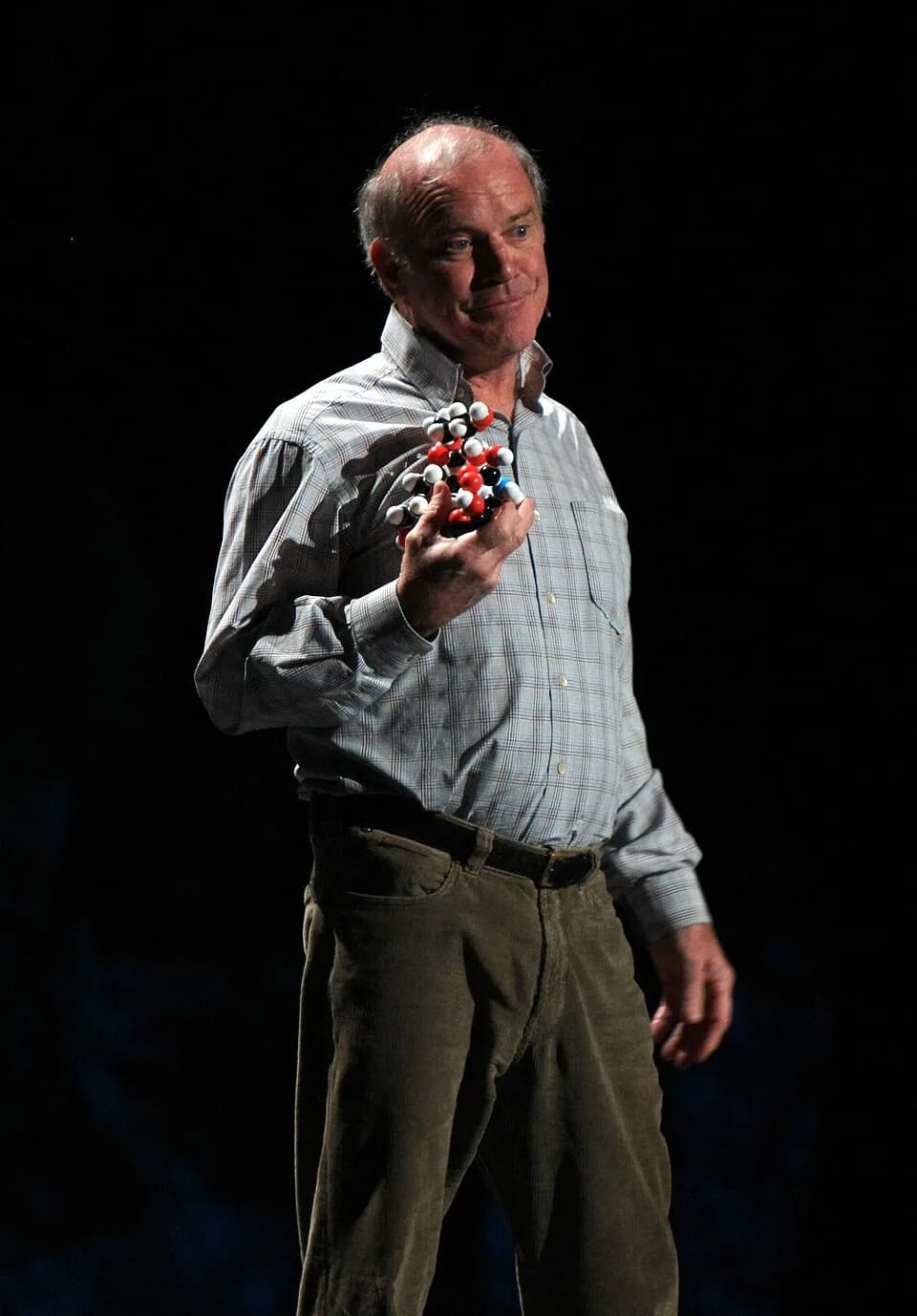
Kary Mullis (1944–2019) was United States best known for American biochemist.
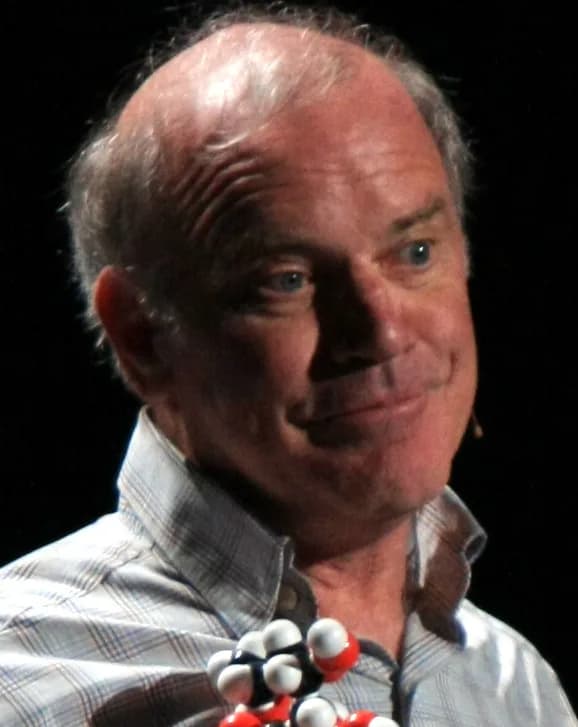
Kary Mullis (December 28, 1944 – August 7, 2019) was an American biochemist, chemist, and molecular biologist. He shared the 1993 Nobel Prize in Chemistry for his role in inventing the polymerase chain reaction (PCR) technique. This method revolutionized biochemistry and molecular biology, enabling rapid genetic analysis.
Chapter
Life chapters
Chapter 1 · 1944· Chapter 1 of 7
Opening
Kary Mullis, an American biochemist, was a truly unique and original scientific mind, born on December 28, 1944, and passing away on August 7, 2019. He is widely recognized for his central and inventive role in developing the polymerase chain reaction (PCR) technique, a method that fundamentally reshaped the landscape of biological research. His ingenious contributions were duly honored with the 1993 Nobel Prize in Chemistry, an award he shared with fellow scientist Michael Smith. Mullis's work made intricate genetic analysis broadly accessible, thereby impacting countless scientific, diagnostic, and medical applications globally.
Chapter 2 · 1944· Chapter 2 of 7
Early Life and Origins
Kary Mullis began his life in Lenoir, United States, where he was born on December 28, 1944. While specific details about his family background and early upbringing are not explicitly provided in the available information, this foundational period likely nurtured the intellectual curiosity and unconventional thinking that would later characterize his scientific endeavors. His origins in the United States set the stage for a career that would ultimately have global implications for scientific understanding.
Chapter 3· Chapter 3 of 7
Career Beginnings
Mullis embarked on a scientific career that spanned multiple disciplines, fluently embracing the professions of chemist, biochemist, and molecular biologist. His initial work involved diverse aspects of chemical and biological research, laying a robust foundation for his future discoveries. These formative years were crucial in developing the deep understanding of molecular processes that would later lead to his most significant innovation.
It was during this period of intense scientific inquiry that Mullis's understanding began to crystalize around the challenge of DNA amplification. He identified a critical need for a more straightforward, highly efficient method to produce multiple copies of specific DNA sequences. Addressing this problem was a substantial hurdle in the burgeoning fields of biochemistry and molecular biology, demanding a creative solution.
Chapter 4· Chapter 4 of 7
Major Achievements and Career Highlights
Kary Mullis's most celebrated and universally impactful achievement was his inventive development of the polymerase chain reaction (PCR) technique. This method empowers scientists to rapidly generate millions of identical copies from even minute samples of specific DNA segments. PCR swiftly became an absolutely central technique, fundamentally transforming rapid diagnostics, forensic analysis, and the broader landscape of gene research across numerous disciplines.
In profound recognition of this singularly significant contribution, Mullis was awarded and shared the esteemed 1993 Nobel Prize in Chemistry with Michael Smith. The Nobel Committee specifically acknowledged PCR's revolutionary influence on scientific methodology and its capacity to accelerate biological discovery. In the very same year, he was also honored with the prestigious Japan Prize, further underscoring the widespread international acclaim and scientific appreciation for his original discovery.
The New York Times accurately captured the immense impact of PCR, describing it as "highly original and significant, virtually dividing biology into the two epochs of before PCR and after PCR." This powerful statement distinctly highlights the technique's far-reaching implications, firmly establishing it as an undisputed cornerstone of modern biological and medical science. Mullis's remarkable ingenuity provided the scientific community with an invaluable tool that dramatically accelerated our collective understanding of life at the molecular level.
Chapter 5· Chapter 5 of 7
Notable Works or Contributions
Kary Mullis distinguished himself as a consistently active and prolific researcher, accumulating an impressive h-index of 27 across a total of 71 published papers. His extensive written contributions articulated many intricate aspects of his scientific work and other diverse intellectual interests. These publications played a crucial role in broadly disseminating his innovative methods and significant findings throughout the global scientific community, ensuring their wide adoption and study.
Among his most influential and frequently cited works, the paper titled "The Polymerase Chain Reaction" (2019) stands out prominently with 181 citations, reflecting its enduring relevance and foundational importance to molecular biology. Another notable contribution includes "Retargeting pre-existing human antibodies to a bacterial pathogen with an alpha-Gal conjugated aptamer" (2015), which garnered 34 citations and showcased his continued engagement with innovative biological approaches beyond his initial PCR breakthrough.
Further illustrating his sustained research activities, Mullis also authored "Enzymatic Amplification of P-Globin Genomic Sequences and Restriction Site Analysis for Diagnosis of Sickle Cell Anemia" (2008), which received 19 citations. His publications extended into theoretical biology, as evidenced by "A hypothetical disease of the immune system that may bear some relation to the Acquired Immune Deficiency Syndrome" (2005, 2 citations), and even a posthumously published paper, "Chromosome 16" (2020, 1 citation), indicating his lasting intellectual engagement.
Chapter 6 · 2020· Chapter 6 of 7
Later Years
Kary Mullis remained actively engaged in scientific discourse and continued his research endeavors throughout his later years. His intellectual curiosity persisted, contributing to various scientific discussions. Although his paper "Chromosome 16" was published in 2020, following his passing, it suggests a sustained engagement with scientific thought and potentially work prepared prior to his death. He ultimately passed away on August 7, 2019, in Newport Beach, United States.
Chapter 7· Chapter 7 of 7
Legacy and Impact
The enduring legacy of Kary Mullis is profoundly woven into the widespread global adoption and indispensable continued use of the polymerase chain reaction. His invention remains an essential and foundational technique in molecular biology laboratories across the entire world. PCR has directly catalyzed advancements in critical areas such as personalized medicine, forensic science, environmental monitoring, and the study of evolutionary biology, making an immense societal contribution.
Kary Mullis's unique and intuitive scientific insight provided researchers with an unprecedented ability to analyze and understand DNA in exquisite detail. His pioneering work ensures that present and future generations of scientists will continue to build upon the robust foundations he so expertly established. His lasting influence serves as a powerful reminder of the transformative power of original scientific thought to shape and improve the modern world.
A life in moments
The moments that shaped a life
FAQ
Frequently asked
When did Kary Mullis die?
Kary Mullis died on August 7, 2019 in Newport Beach, United States, at the age of 74.
Where was Kary Mullis born?
Kary Mullis was born in Lenoir, United States on December 28, 1944.
What is Kary Mullis best known for?
Kary Mullis is best known for American biochemist.
How old was Kary Mullis when they died?
Kary Mullis was 74 years old at the time of death.
What nationality was Kary Mullis?
Kary Mullis was from United States.
Timeline
Life at a glance
- 1944
Opening
- 1944
Early Life and Origins
- 2020
Later Years
Photo gallery
A life in pictures
Click any polaroid to expand · 19 photos
QR Code
Share This Biography
Print & Share
Scan to visit this biography page. Print for events, exhibitions, or educational materials.