Born
September 29, 1931
Chicago, United States
Died
August 25, 2016
Saint Paul, United States
Known for
American physicist
James Cronin (1931–2016) was United States best known for American physicist.
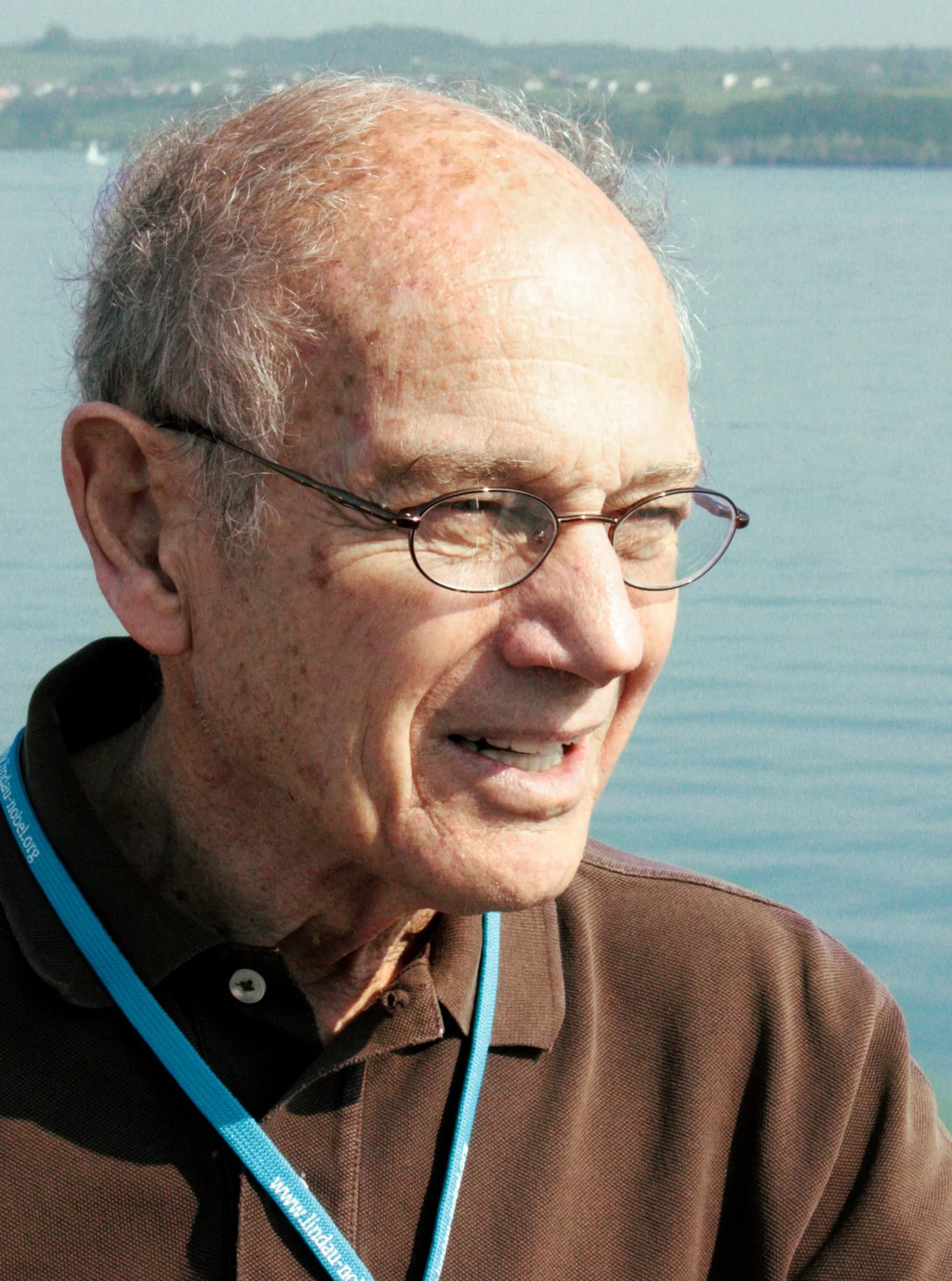
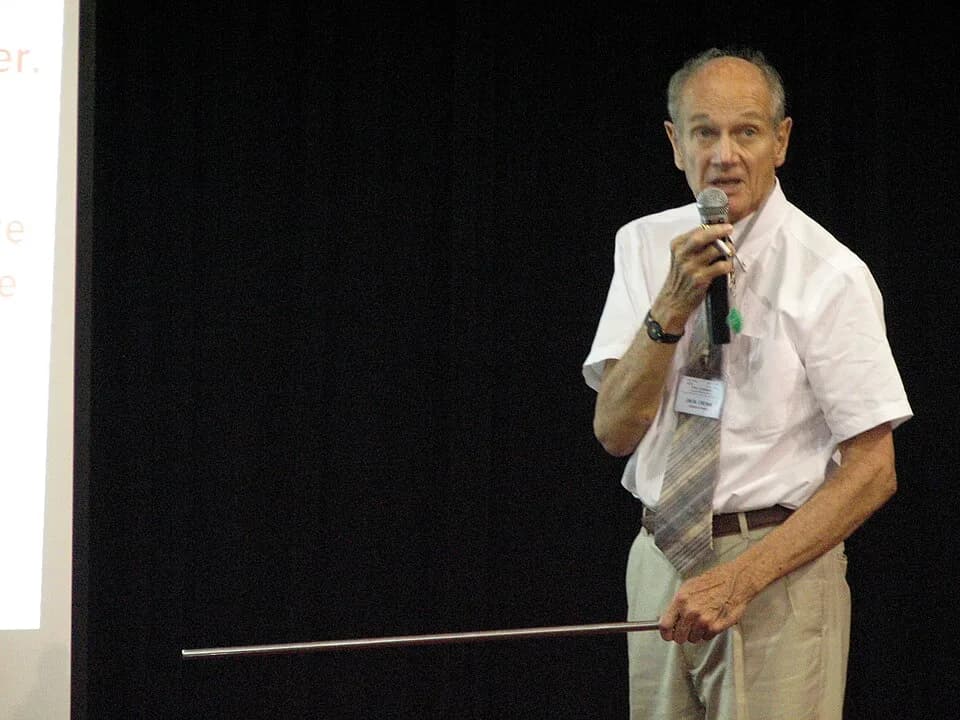
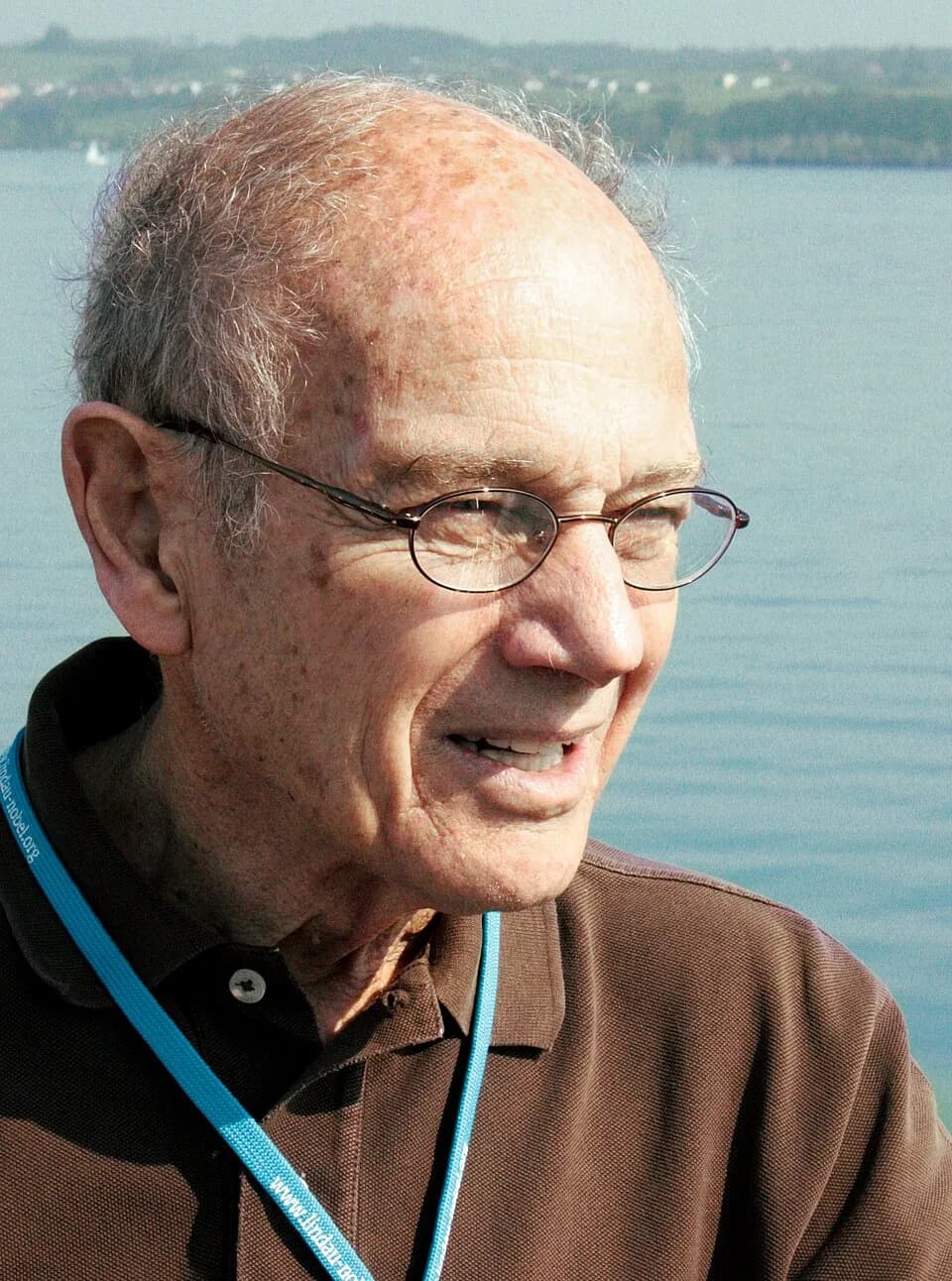
James Cronin (September 29, 1931 – August 25, 2016) was an American physicist and university teacher. He received the Nobel Prize in Physics in 1980 for uncovering violations of fundamental symmetry principles in K-meson decays, a discovery that reshaped particle physics. His contributions remain foundational to the field.
Chapter
Life chapters
Chapter 1 · 1931· Chapter 1 of 6
Early Life and Origins
Born in Chicago, United States, on September 29, 1931, James Cronin's formative years in this vibrant American city likely fostered an environment conducive to intellectual growth and academic pursuits. While specific details of his early family life and upbringing are not extensively documented, it is evident that the educational foundation he received in Chicago prepared him for a rigorous journey into advanced scientific study. This period in his life served as the initial catalyst for a lifelong quest for knowledge and an eventual career at the forefront of physics research.
The mid-20th century was a dynamic period for scientific development, and Cronin's early exposure to education undoubtedly laid the groundwork for his future explorations in complex physical phenomena. His path toward becoming a physicist, a university teacher, and a nuclear physicist began with these foundational experiences, shaping his analytical mind and cultivating his deep curiosity about the natural world.
Chapter 2· Chapter 2 of 6
Career Beginnings
James Cronin embarked on his professional journey as a physicist, a career choice that propelled him into the intricate and challenging world of subatomic particles and their interactions. This path required not only deep theoretical understanding but also a keen aptitude for experimental design and execution, areas where Cronin would distinguish himself. As a university teacher, he began sharing his growing expertise and passion for physics with emerging generations of scientists, helping to shape their intellectual development.
His early work as a nuclear physicist further solidified his foundation in the study of atomic nuclei, a field that demands precise understanding of fundamental forces and the behavior of matter at its most elemental level. This combination of hands-on research and academic instruction became a defining characteristic of his professional life, allowing him to seamlessly integrate advanced theoretical knowledge with practical educational applications and foster scientific growth.
Chapter 3 · 1980· Chapter 3 of 6
Major Achievements and Career Highlights
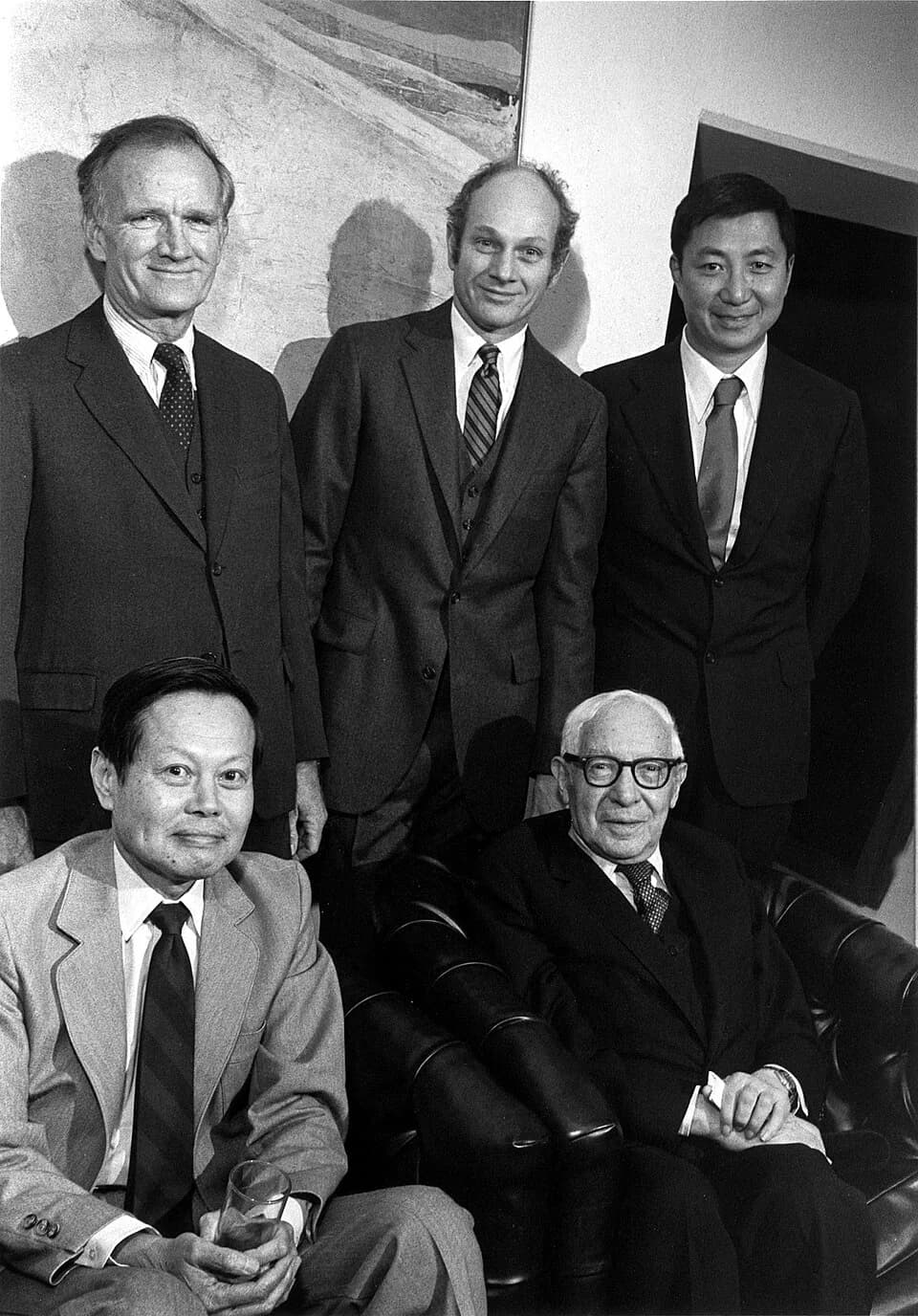
The pinnacle of James Cronin's professional journey was reached in 1980, when he was bestowed with the Nobel Prize in Physics for an extraordinary discovery that redefined foundational principles of the cosmos. This esteemed accolade specifically honored his pioneering research "for the discovery of violations of fundamental symmetry principles in the decay of neutral K-mesons," a revelation that challenged long-held assumptions about the universe's intrinsic order. Before Cronin's work, many physicists believed the universe adhered strictly to certain symmetries, such as charge-parity (CP) symmetry, which posited that the laws of physics would remain invariant if a particle was exchanged with its antiparticle and its spatial coordinates were inverted.
His discovery demonstrated that this was not universally true, introducing a significant asymmetry at the heart of particle interactions. The violation of CP symmetry meant that nature subtly distinguishes between matter and antimatter in certain processes, providing a crucial piece of the puzzle for explaining why the universe is predominantly composed of matter rather than an equal mix of matter and antimatter. This finding marked a major shift in scientific thought, compelling researchers to re-evaluate established models of fundamental forces and particle behavior and opening new avenues for cosmological inquiry.
Chapter 4· Chapter 4 of 6
Notable Works or Contributions
Central to James Cronin's Nobel-winning endeavors was his meticulous investigation into the properties and decay patterns of neutral K-mesons, also known as kaons, which are fascinating subatomic particles known for their unique quantum characteristics. These particles are particularly intriguing because they can spontaneously transform between their particle and antiparticle states, making them ideal subjects for studying fundamental symmetries. Cronin's pioneering experiments, conducted with his collaborator Val Fitch, precisely observed the decay products of neutral K-mesons and, to the astonishment of the scientific community, revealed instances where the decay processes did not perfectly mirror what CP symmetry predicted.
This subtle yet significant deviation from perfect symmetry indicated that the universe indeed possesses a fundamental handedness or preference at the subatomic level, thereby implying a mechanism for the observed dominance of matter over antimatter in the universe. The conceptual framework provided by Cronin’s work became indispensable for physicists exploring the very early moments of the universe, offering a potential explanation for cosmic baryogenesis – the process by which the universe developed its overwhelming abundance of matter. His precise experimental methods and the audacious implications of his findings continue to serve as a benchmark for experimental particle physics research, influencing the design and interpretation of subsequent experiments seeking even deeper insights into cosmic asymmetry.
Chapter 5· Chapter 5 of 6
Later Years
Following his Nobel recognition, James Cronin continued to contribute to the field of physics, although specific details of his later research are not extensively provided in public records. His stature as a Nobel Laureate undoubtedly afforded him opportunities to engage in advanced scientific discussions, offer guidance to younger researchers, and continue contemplating the profound mysteries of the universe. He remained a respected voice within the scientific community, embodying the spirit of continuous inquiry.
James Cronin passed away on August 25, 2016, in Saint Paul, United States, concluding a life dedicated to rigorous scientific exploration and discovery. His passing marked a moment of reflection for many in the particle physics community, acknowledging a career that profoundly shaped our understanding of fundamental physics and left an enduring scientific legacy that continues to inspire. His contributions ensured his place among the most influential physicists of his generation.
Chapter 6· Chapter 6 of 6
Legacy and Impact
The legacy of James Cronin is deeply embedded in the foundations of modern particle physics and cosmology. His discovery of CP symmetry violation in K-meson decays provided a crucial piece of the puzzle in understanding the universe's fundamental asymmetries, a finding that has since informed numerous theories about the origins and evolution of the cosmos. This work continues to be a cornerstone for researchers investigating why the universe, as we observe it, is primarily composed of matter.
Generations of scientists have built upon his pioneering work, continuing to probe the intricate symmetries and subtle asymmetries that govern the cosmos at its most fundamental levels. Cronin's intellectual rigor, his meticulous approach to experimentation, and his unwavering commitment to uncovering the universe's deepest secrets continue to inspire physicists worldwide. His contributions remain a vibrant part of ongoing scientific endeavors, underscoring the enduring relevance of his Nobel-winning discovery.
A life in moments
The moments that shaped a life



FAQ
Frequently asked
When did James Cronin die?
James Cronin died on August 25, 2016 in Saint Paul, United States, at the age of 84.
Where was James Cronin born?
James Cronin was born in Chicago, United States on September 29, 1931.
What is James Cronin best known for?
James Cronin is best known for American physicist.
How old was James Cronin when they died?
James Cronin was 84 years old at the time of death.
What nationality was James Cronin?
James Cronin was from United States.
Timeline
Life at a glance
Photo gallery
A life in pictures
Click any polaroid to expand · 17 photos
QR Code
Share This Biography
Print & Share
Scan to visit this biography page. Print for events, exhibitions, or educational materials.