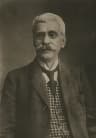
Born
May 11, 1888
Talachyn, Belarus
Died
September 22, 1989
New York City, United States
Known for
American composer and lyricist
Irving Berlin (1888–1989) was Belarus best known for American composer and lyricist.
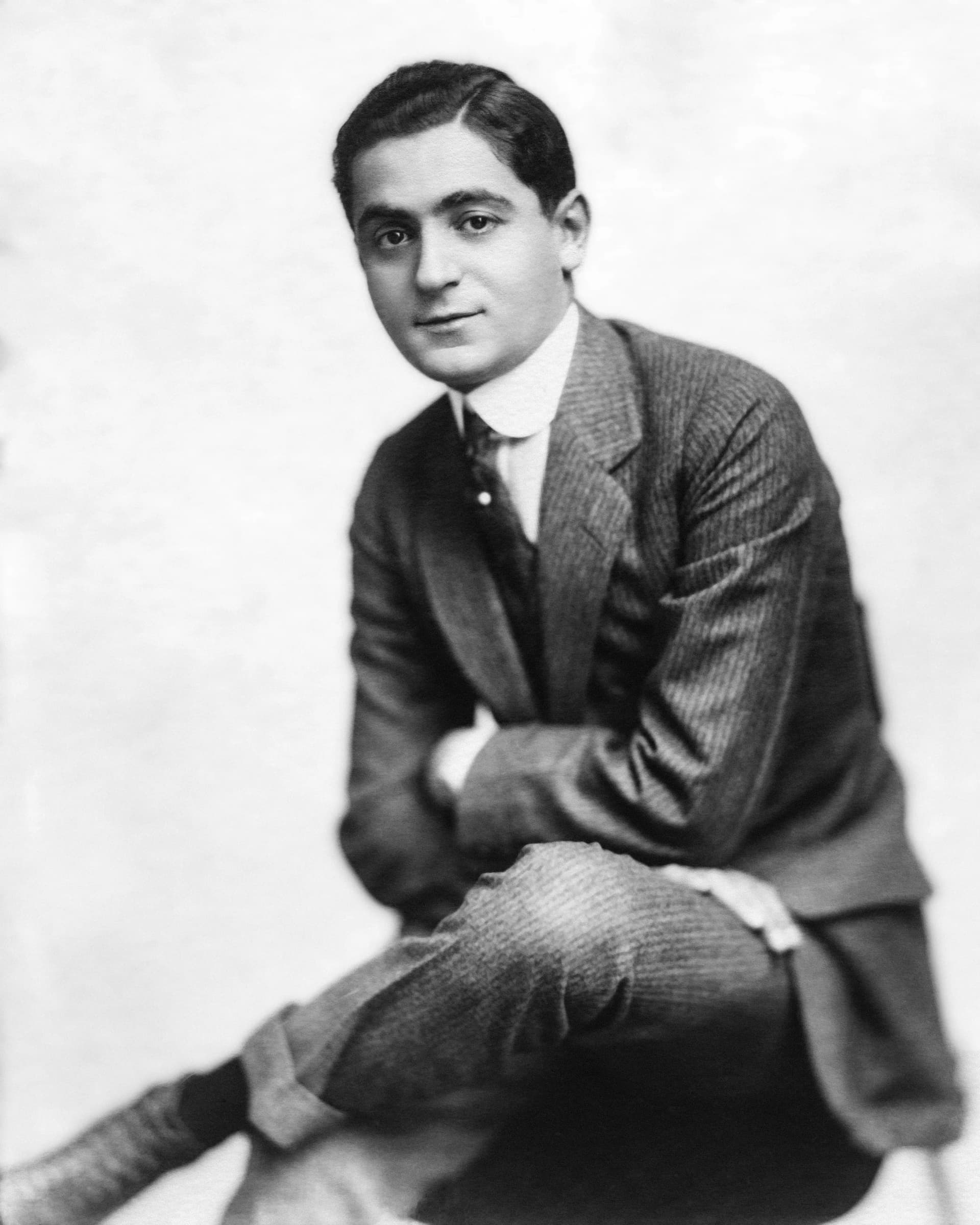
Irving Berlin (May 11, 1888 – September 22, 1989) was a Russian-born American composer and lyricist. His timeless music forms a substantial part of the Great American Songbook, earning him an Academy Award, Grammy, and Tony Award. He was honored with the Presidential Medal of Freedom for his contributions to American culture.
Chapter
Life chapters
Chapter 1 · 1888· Chapter 1 of 8
Opening Tribute
Irving Berlin (1888–1989) was a titan of American music, a prolific composer and lyricist whose melodies and words became the soundtrack for generations. His remarkable career spanned decades, yielding a vast repertoire that forms a significant portion of the Great American Songbook. Berlin's contributions earned him prestigious accolades, including an Academy Award, a Grammy Award, and a Tony Award, cementing his legacy as one of the most important figures in 20th-century music.
His enduring ability to capture the spirit of a nation was recognized by President Gerald R. Ford, who awarded him the Presidential Medal of Freedom in 1977. Broadcast journalist Walter Cronkite eloquently stated that Berlin "helped write the story of this country, capturing the best of who we are and the dreams that shape our lives." This sentiment perfectly encapsulates the lasting cultural footprint of Irving Berlin.
Chapter 2 · 1888· Chapter 2 of 8
Early Life and Origins
Irving Berlin was born Israel Isidore Baline on May 11, 1888, in Talachyn, Belarus. His family immigrated to the United States when he was a young child, settling in New York City. This early exposure to the diverse sounds and experiences of immigrant life in America would later inform many of his compositions.
Details about his specific upbringing and education beyond his birthplace are not widely documented. However, his journey from a small Belarusian town to becoming an American music icon speaks volumes about his determination and innate talent.
Chapter 3· Chapter 3 of 8
Career Beginnings
Berlin's musical journey began in the vibrant, competitive world of Tin Pan Alley, where he quickly established himself as a talented songwriter and lyricist. He possessed a unique ability to compose both music and lyrics, a rare skill that allowed him complete creative control over his works. This period saw him contributing to the burgeoning genres of tin pan alley and traditional pop music, laying the groundwork for his future successes.
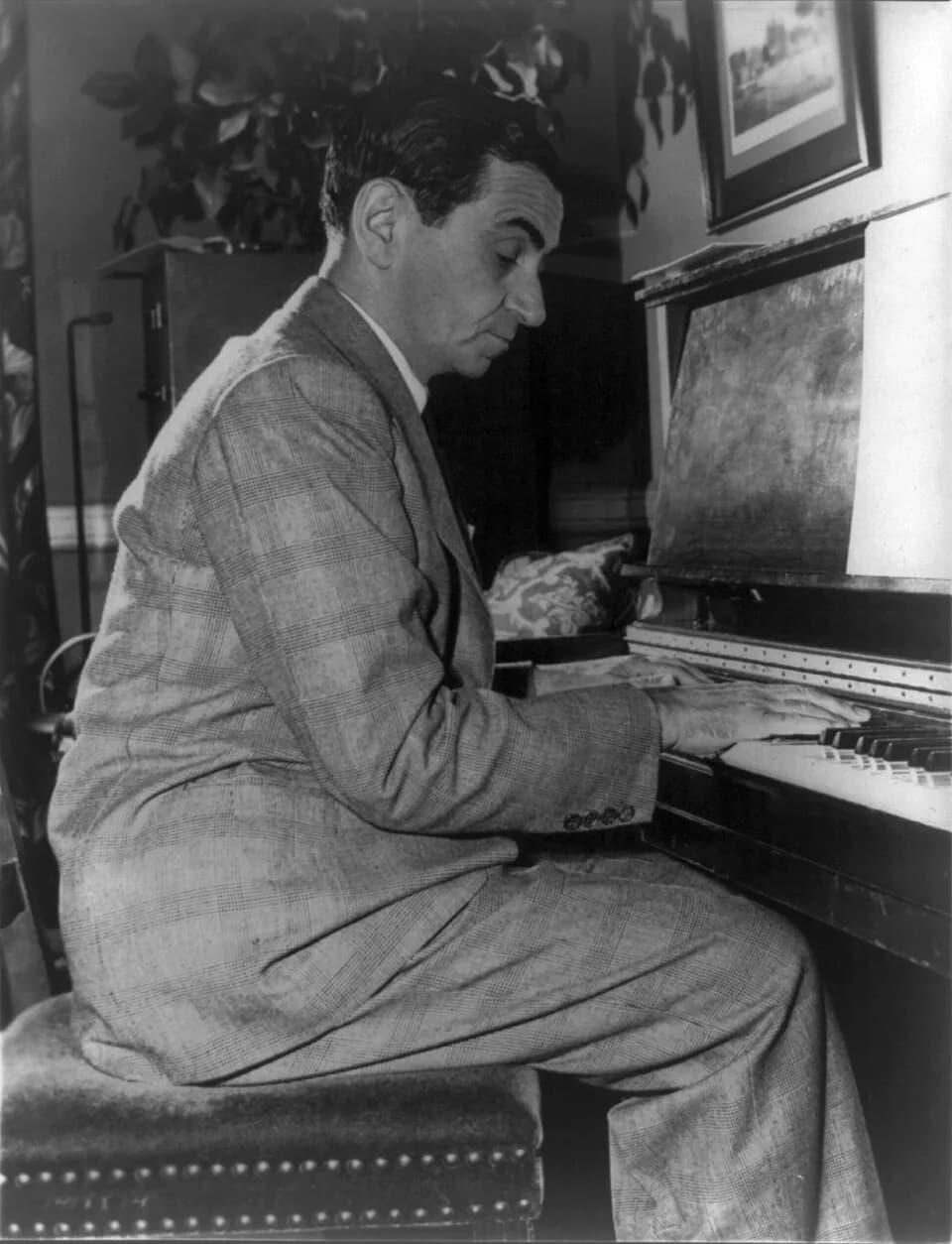
He was not formally trained in music, famously composing on a piano that could transpose keys with a special lever. This pragmatic approach did not hinder his output, as he penned thousands of songs, many of which became instant classics and American standards.
Chapter 4· Chapter 4 of 8
Major Achievements and Career Highlights
Throughout his extensive career, Irving Berlin accumulated numerous honors that reflect his artistic impact and popularity. He was recognized by his peers and the public alike, receiving an Academy Award for his work in film. The music industry honored him with a Grammy Award, acknowledging his excellence in composition and songwriting.
His contributions to the stage were celebrated with a Tony Award, highlighting his significant influence on musical theatre. Beyond these industry accolades, his patriotism and cultural contributions were recognized at the highest level when President Gerald R. Ford presented him with the Presidential Medal of Freedom in 1977. Berlin's compositions became a fundamental part of the Great American Songbook, a collection of the most enduring and important American popular songs and jazz standards.
Chapter 5· Chapter 5 of 8
Personal Life
While Irving Berlin's professional life was widely chronicled, specific details regarding his personal life, family, and relationships beyond his public persona are not extensively provided in the available records. His primary focus, as reflected in the vast body of his work, remained dedicated to his craft as a composer and lyricist.
He maintained a generally private existence, allowing his music to speak for itself. His long and productive life was clearly centered around his creative output and his dedication to songwriting.
Chapter 6 · 1942· Chapter 6 of 8
Notable Works and Contributions
Irving Berlin's catalogue of works is truly staggering, spanning film, musical theatre, and countless individual songs. In film, he served as a film score composer and screenwriter for iconic productions such as "Holiday Inn" (1942), which featured his celebrated song "White Christmas." He also contributed to "This Is the Army" (1943), a wartime musical in which he himself appeared, and his music was featured in "Show Business at War" (1943) and "Brother, Can You Spare a Dime?" (1975).
His influence on musical theatre is equally considerable, with works like "Annie Get Your Gun" and "Call Me Madam" captivating audiences for decades. Collections of his songs, such as "The Girl on the Magazine Cover: Songs of Irving Berlin" (1979), "Irving Berlin Songs" (1988), and "The Columbia Album of Irving Berlin" (1988), demonstrate the enduring appeal of his music. Other notable compilations include "The Vintage Berlin" and "Blue Skies & other Irving Berlin songs," showcasing his versatility across the tin pan alley and traditional pop genres.
Chapter 7 · 1977· Chapter 7 of 8
Later Years
Irving Berlin lived a remarkably long life, continuing to receive recognition for his unparalleled contributions to American culture well into his later years. The Presidential Medal of Freedom, bestowed upon him in 1977, was a testament to his lasting legacy and the gratitude of a nation for his musical gifts. He remained a respected figure in the music industry, cherished for his timeless melodies and heartfelt lyrics.
He passed away peacefully at the age of 101 on September 22, 1989, in New York City, United States. His passing marked the end of an era, but his music continued to resonate, demonstrating its universal and unchanging appeal.
Chapter 8· Chapter 8 of 8
Legacy and Impact
Irving Berlin's legacy is immense, built upon a catalogue of songs that are deeply woven into the fabric of American identity. His ability to compose music and lyrics across various themes, from patriotic anthems to tender ballads, ensured his work's enduring relevance. His songs provided comfort, joy, and inspiration through challenging times and moments of celebration alike.
As a key architect of the Great American Songbook, Berlin's compositions are continually performed, recorded, and cherished by new generations of artists and listeners. His work as a composer, lyricist, musician, and songwriter continues to inspire, confirming Walter Cronkite's assertion that he truly helped capture the essence and dreams of the United States through his artistry.
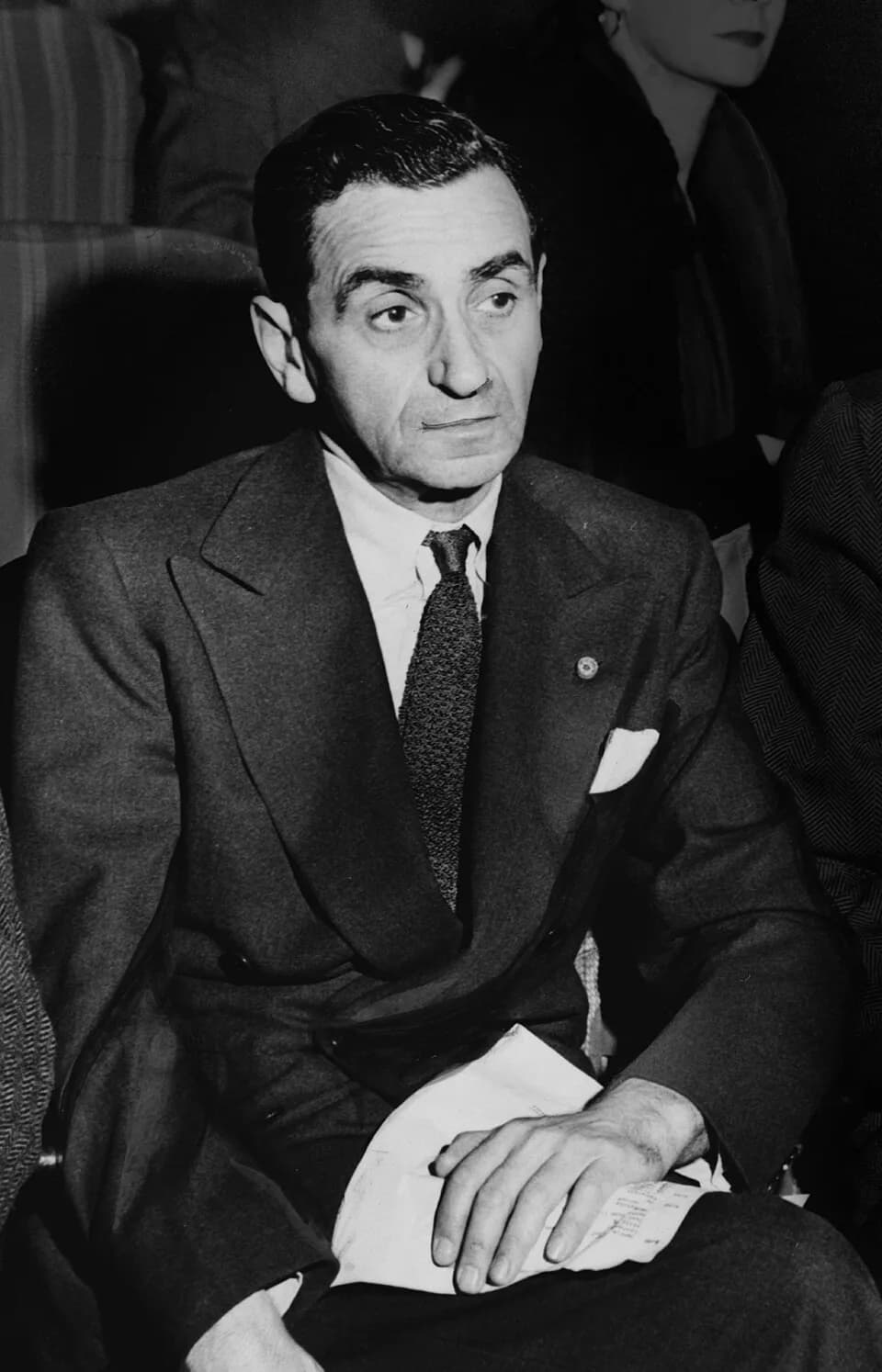
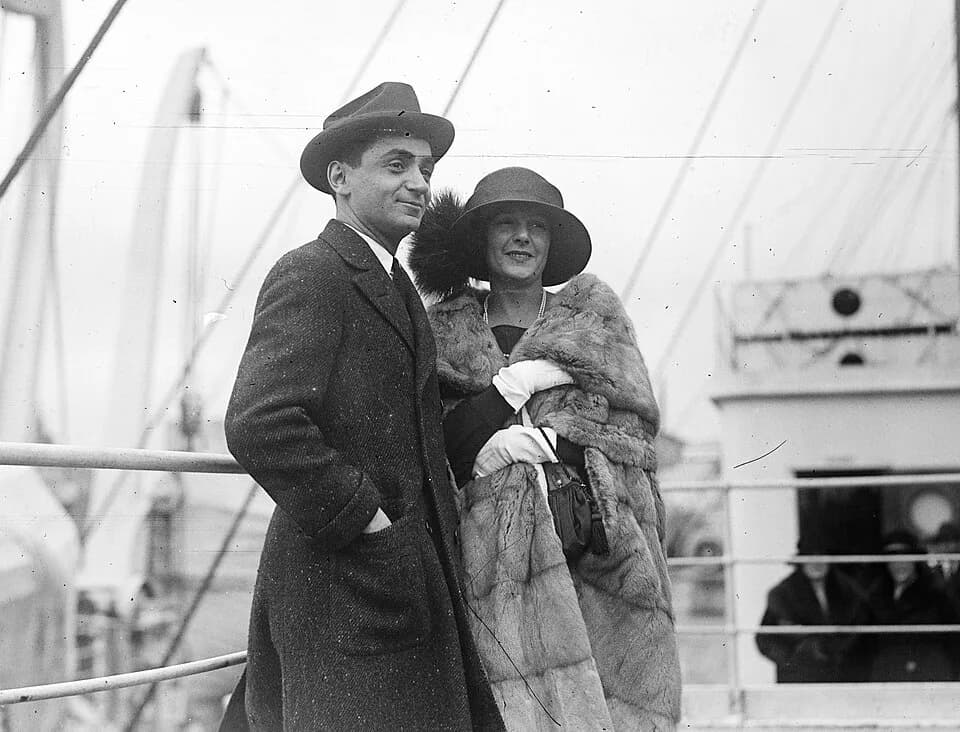
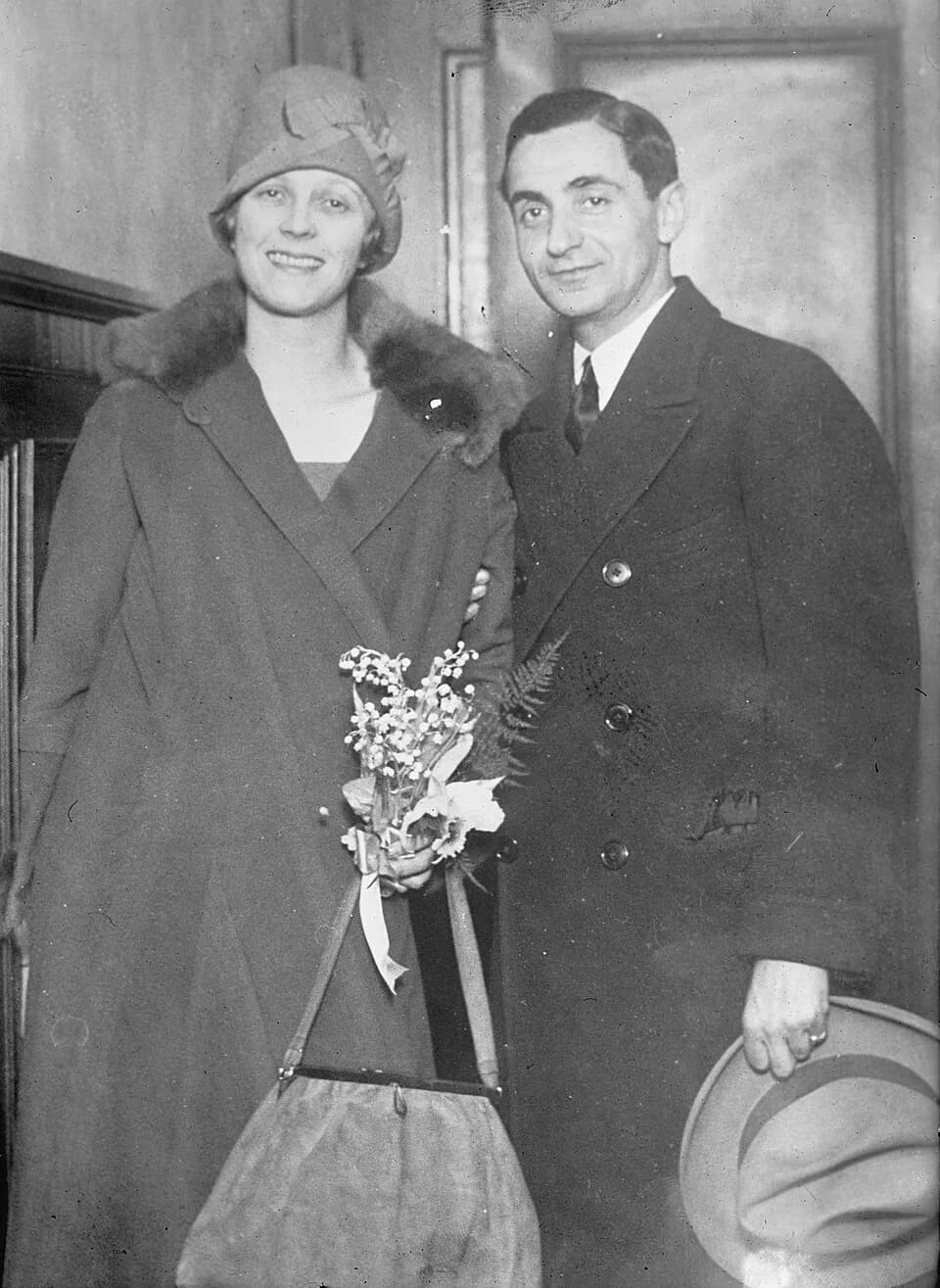
A life in moments
The moments that shaped a life
FAQ
Frequently asked
When did Irving Berlin die?
Irving Berlin died on September 22, 1989 in New York City, United States, at the age of 101.
Where was Irving Berlin born?
Irving Berlin was born in Talachyn, Belarus on May 11, 1888.
What is Irving Berlin best known for?
Irving Berlin is best known for American composer and lyricist.
How old was Irving Berlin when they died?
Irving Berlin was 101 years old at the time of death.
What nationality was Irving Berlin?
Irving Berlin was from Belarus.
Timeline
Life at a glance
Photo gallery
A life in pictures
Click any polaroid to expand · 23 photos
QR Code
Share This Biography
Print & Share
Scan to visit this biography page. Print for events, exhibitions, or educational materials.