Born
July 16, 1746
Ponte in Valtellina, Italy
Died
July 22, 1826
Naples, Italy
Known for
Italian Catholic priest, mathematician and astronomer
Giuseppe Piazzi (1746–1826) was Italy best known for Italian Catholic priest, mathematician and astronomer.
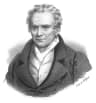
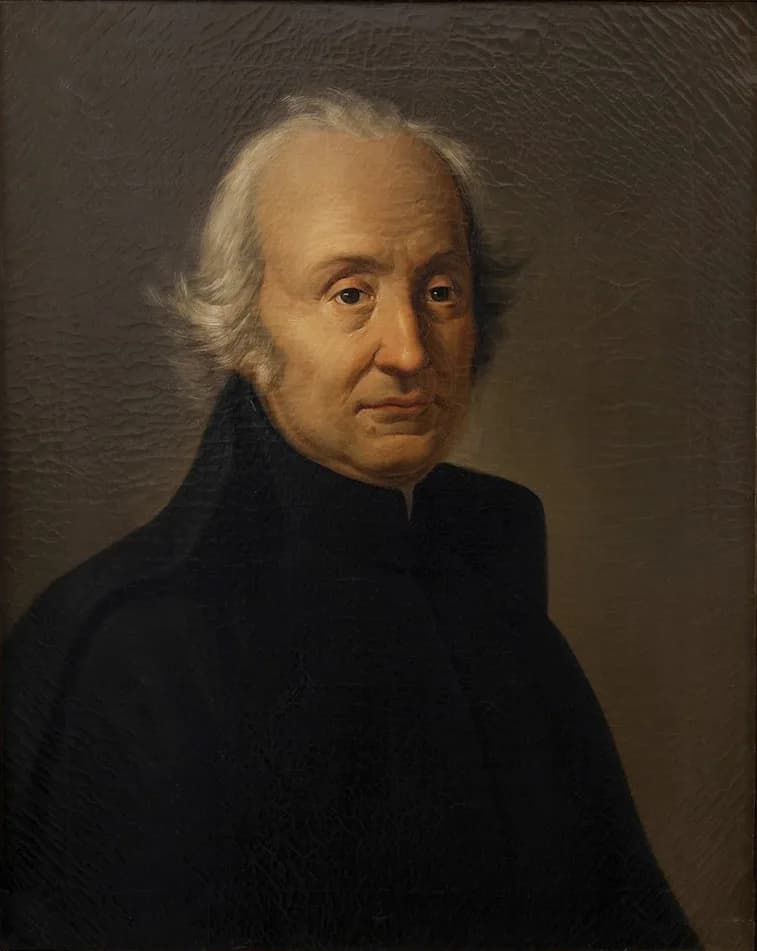
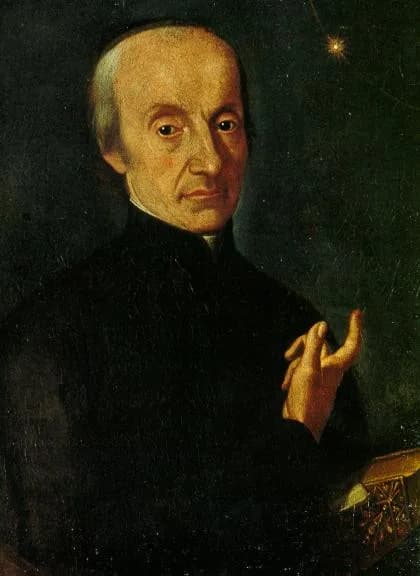
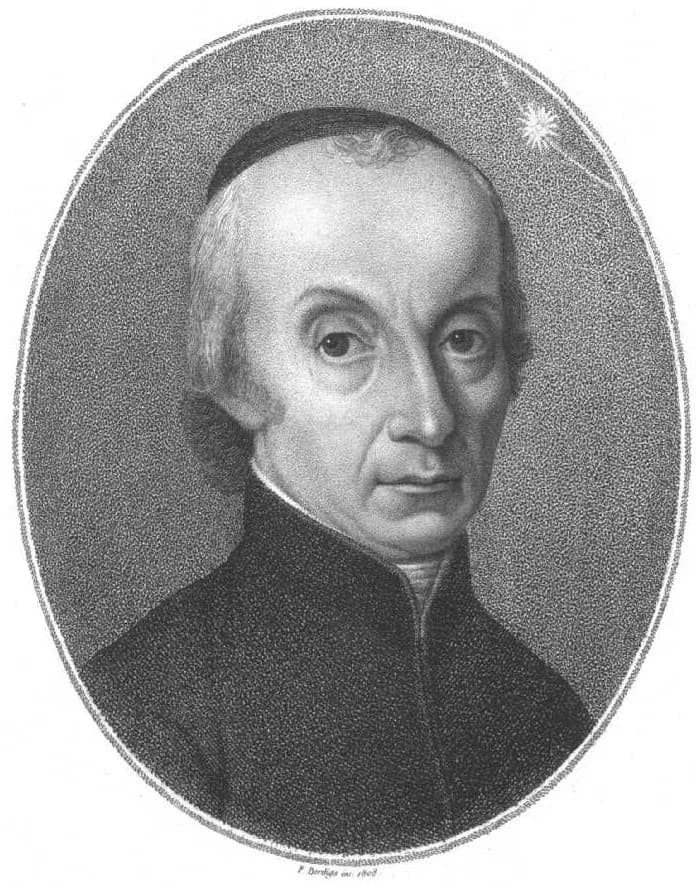
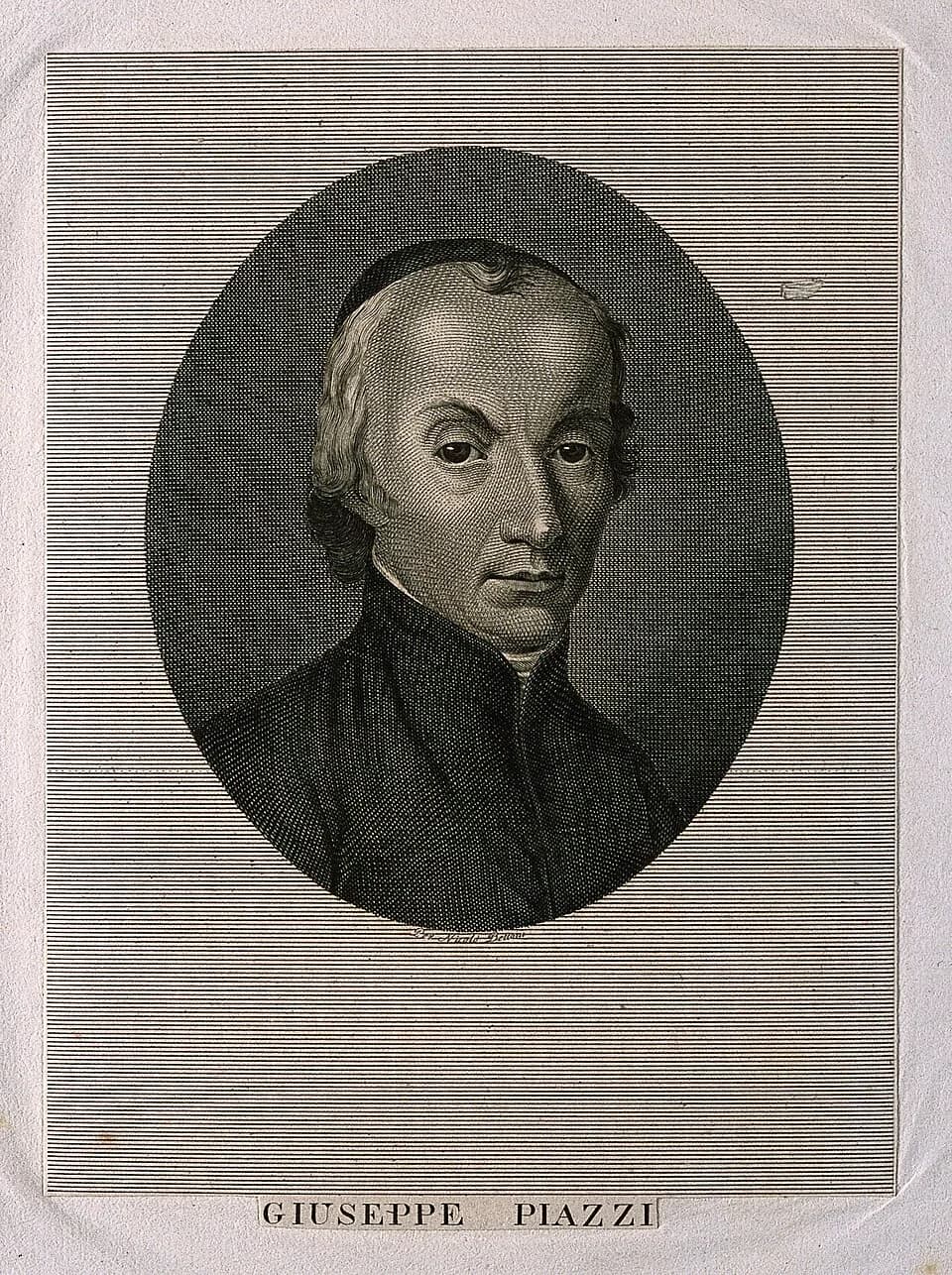
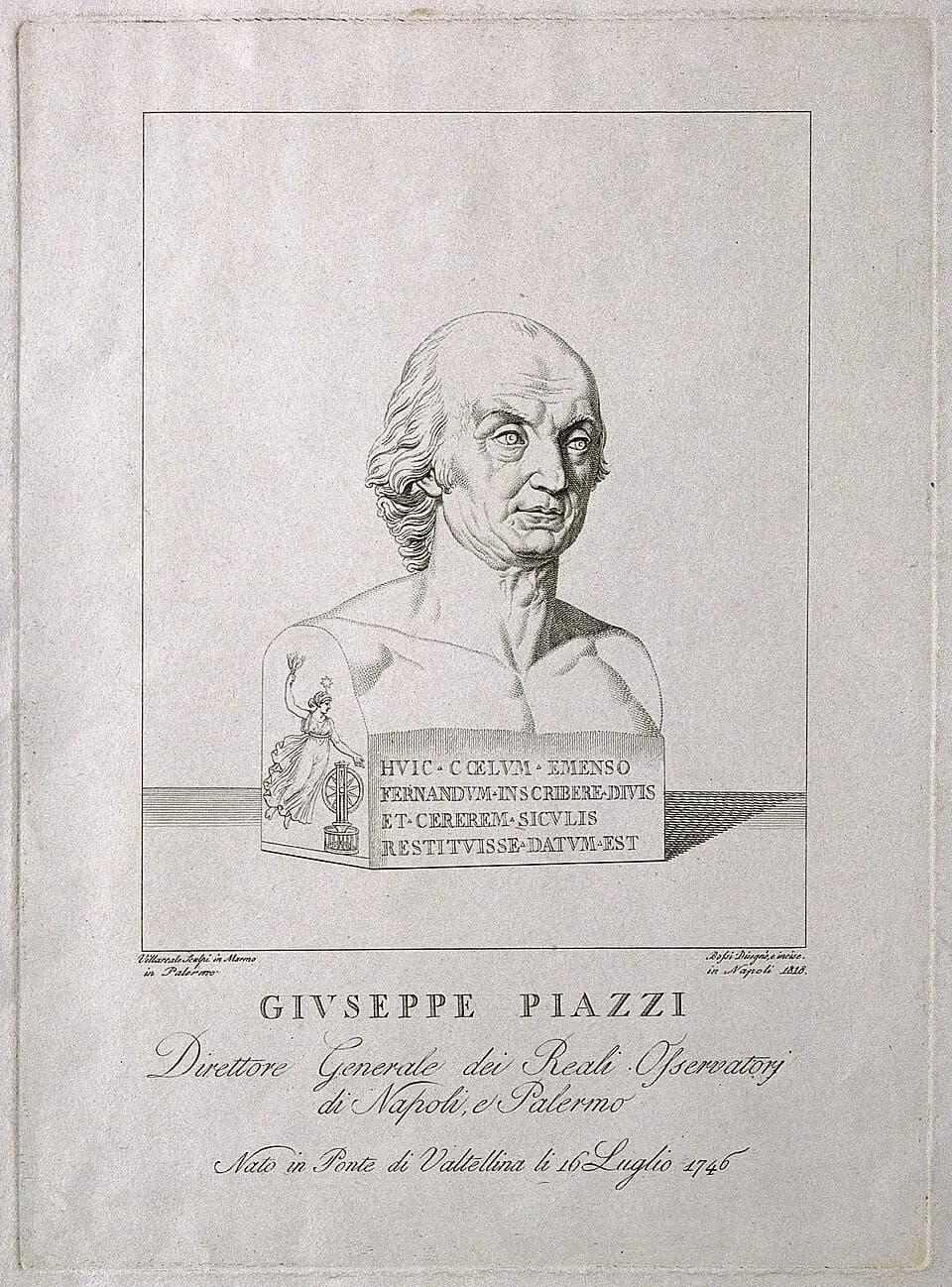
Giuseppe Piazzi (July 16, 1746 – July 22, 1826) was an Italian Catholic priest, mathematician, and astronomer. He founded the Osservatorio Astronomico di Palermo and is most renowned for discovering Ceres, the first dwarf planet. His work expanded humanity's understanding of the solar system.
Chapter
Life chapters
Chapter 1 · 1746· Chapter 1 of 8
Opening
Giuseppe Piazzi (July 16, 1746 – July 22, 1826) was a distinguished Italian Catholic priest, mathematician, and astronomer whose contributions significantly advanced our understanding of the cosmos. Born in Ponte in Valtellina, Italy, and passing in Naples, Italy, Piazzi is celebrated for his foundational work in establishing the Osservatorio Astronomico di Palermo and, most notably, for his discovery of Ceres, the first dwarf planet. His life bridged the worlds of faith, rigorous mathematics, and astronomical observation, leaving a lasting impact on scientific exploration.
Chapter 2 · 1746· Chapter 2 of 8
Early Life and Origins
Born on July 16, 1746, in the picturesque town of Ponte in Valtellina, Italy, Giuseppe Piazzi began his journey in a period of burgeoning scientific inquiry. Little is known about his early family life, but his path soon led him to the Theatine order, a religious congregation of the Latin Catholic Church. This decision shaped his education and intellectual pursuits, providing him with a strong foundation in theology, philosophy, and the sciences.
Chapter 3· Chapter 3 of 8
Career Beginnings
Piazzi's intellectual prowess and commitment to scholarship quickly became evident. He began a career that integrated his priestly duties with his passion for mathematics and astronomy, eventually becoming a university teacher. A defining early achievement was his instrumental role in establishing an astronomical observatory in Palermo, a significant undertaking that laid the groundwork for his future discoveries. This observatory, now known as the Osservatorio Astronomico di Palermo – Giuseppe S. Vaiana, became a crucial center for astronomical research in Italy.
Chapter 4· Chapter 4 of 8
Major Achievements and Career Highlights
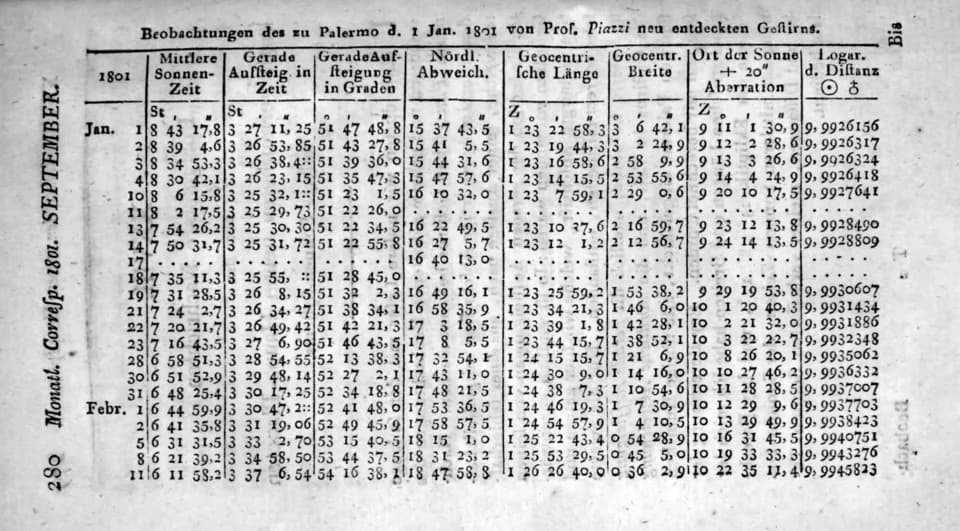
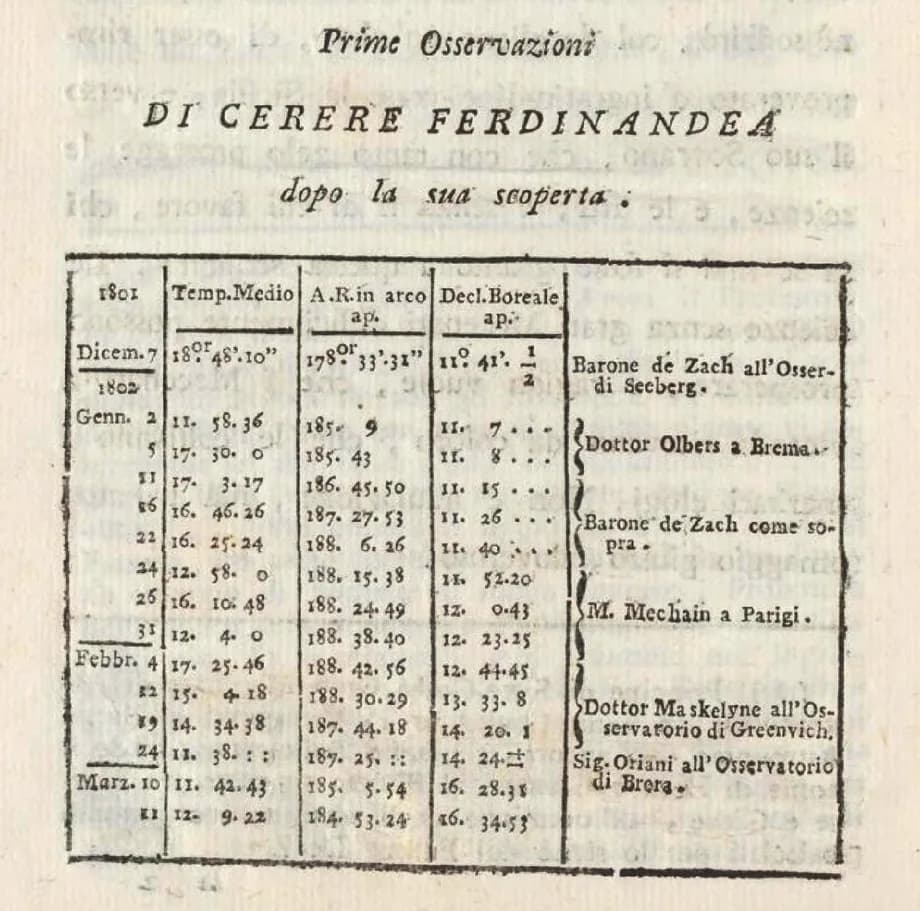
Among Giuseppe Piazzi's most celebrated achievements is his discovery of Ceres, a celestial body he initially believed to be a new planet. This significant observation, which marked the identification of the first dwarf planet, reshaped the understanding of the solar system and initiated the field of asteroid discovery. His meticulous observations and calculations were essential in confirming Ceres's existence and distinguishing it from background stars.
Piazzi's expertise also extended to the discovery of other astronomical objects, showcasing his keen observational skills and dedication to mapping the heavens. His work as an astronomer earned him recognition as a discoverer of astronomical objects, a testament to his observational precision and scientific rigor.
Chapter 5· Chapter 5 of 8
Personal Life
Giuseppe Piazzi's identity as a Latin Catholic priest of the Theatine order profoundly influenced his life and career. This vocation provided him with a unique framework for his scientific endeavors, seeing no conflict between his faith and his pursuit of knowledge about the universe. His life was one of dedication to both spiritual duties and intellectual exploration, embodying a spirit of scholarly devotion. While specific details of family or personal relationships are not extensively documented, his commitment to his order and to science defined his personal journey.
Chapter 6· Chapter 6 of 8
Notable Works or Contributions
Piazzi's work as an astronomer was not limited to individual discoveries; he was a prolific university teacher, sharing his knowledge and inspiring new generations of scholars. His contributions included detailed star catalogs and astronomical tables, which were invaluable tools for contemporary navigation and celestial mechanics. He was a discoverer of astronomical objects, expanding humanity's known celestial inventory.
Through his leadership at the Palermo Observatory, he fostered a research environment that supported ongoing observational astronomy and mathematical analysis. His establishment of this observatory as a hub for scientific inquiry stands as a lasting contribution to the infrastructure of astronomical research in Italy and beyond. He truly distinguished himself as an astronomer, mathematician, and university teacher.
Chapter 7 · 1826· Chapter 7 of 8
Later Years
Giuseppe Piazzi continued his scientific work into his later years, maintaining his dedication to astronomy and mathematics. He witnessed the significant impact of his discoveries on the scientific community and the general public's understanding of the cosmos. He passed away on July 22, 1826, in Naples, Italy, leaving behind a rich legacy of scientific achievement and institutional development. His final years saw him recognized as one of Italy's foremost scientific minds.
Chapter 8· Chapter 8 of 8
Legacy and Impact
Giuseppe Piazzi's legacy is extensive, extending far beyond his individual discoveries. He is remembered as the founder of a significant astronomical institution, the Osservatorio Astronomico di Palermo, which continues its work today as the Osservatorio Astronomico di Palermo – Giuseppe S. Vaiana. His discovery of Ceres not only introduced a new class of celestial objects but also spurred further exploration and led to the identification of many more asteroids, fundamentally altering the perceived architecture of our solar system. Piazzi's work as a mathematician and priest also highlights the historical synergy between different fields of knowledge, showcasing a life dedicated to intellectual pursuit and scientific advancement.
A life in moments
The moments that shaped a life
FAQ
Frequently asked
When did Giuseppe Piazzi die?
Giuseppe Piazzi died on July 22, 1826 in Naples, Italy, at the age of 80.
Where was Giuseppe Piazzi born?
Giuseppe Piazzi was born in Ponte in Valtellina, Italy on July 16, 1746.
What is Giuseppe Piazzi best known for?
Giuseppe Piazzi is best known for Italian Catholic priest, mathematician and astronomer.
How old was Giuseppe Piazzi when they died?
Giuseppe Piazzi was 80 years old at the time of death.
What nationality was Giuseppe Piazzi?
Giuseppe Piazzi was from Italy.
Timeline
Life at a glance
- 1746
Opening
- 1746
Early Life and Origins
- 1826
Later Years
Photo gallery
A life in pictures
Click any polaroid to expand · 24 photos
QR Code
Share This Biography
Print & Share
Scan to visit this biography page. Print for events, exhibitions, or educational materials.