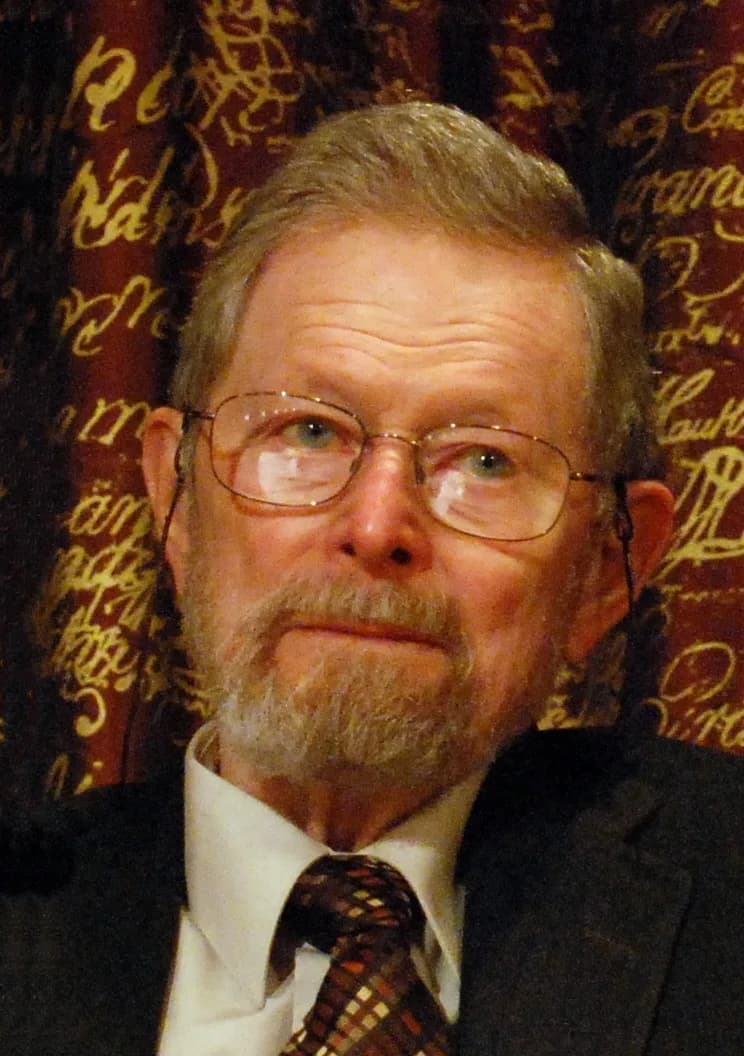
Born
May 10, 1930
White Plains, United States
Died
May 28, 2025
Barnegat Township, United States
Known for
Nobel prize winning American physicist
George E. Smith (1930–2025) was United States best known for Nobel prize winning American physicist.
George E. Smith (May 10, 1930 – May 28, 2025) was an American physicist and inventor. He co-invented the charge-coupled device (CCD), earning him a share of the 2009 Nobel Prize in Physics. His work revolutionized digital imaging and profoundly influenced science and technology worldwide.
Chapter
Life chapters
Chapter 1 · 1930· Chapter 1 of 7
Early Life and Origins
George E. Smith began his journey in White Plains, a vibrant community in the United States, where he was born on May 10, 1930. Growing up in the United States during a period of considerable scientific and technological advancement, he cultivated an early and profound interest in the fundamental scientific principles that govern the physical world. This inherent fascination with how the universe operates laid the groundwork for his eventual career path, guiding his educational choices and intellectual development from his formative years.
His upbringing and early experiences undoubtedly fostered the precise analytical thinking and creative problem-solving skills that would later become distinguishing characteristics of his professional career. Smith’s innate drive to deeply understand and expertly manipulate the natural world propelled him towards professions centered on science and physics. These early inclinations were more than just interests; they were foundational elements that shaped a distinguished career defined by innovation, meticulous research, and a deep engagement with the principles of applied physics.
The intellectual environment of his youth in the United States likely provided ample stimulation for a budding scientist. From observing the natural world to engaging with early technological marvels, Smith developed a keen observational eye and a methodical approach to inquiry. These nascent qualities, nurtured through his educational trajectory, were crucial in developing the inventive spirit for which he would later be celebrated globally.
Chapter 2· Chapter 2 of 7
Career Beginnings
Smith's professional path led him into the dynamic and rapidly evolving field of applied physics, where he swiftly began to make significant contributions as a dedicated scientist. His initial work focused intently on exploring semiconductor technologies, which at the time represented a relatively nascent but extraordinarily promising area with immense potential for transformative applications. This foundational research and his early expertise positioned him squarely at the forefront of electronic device development during a particularly exciting period of rapid technological advancement in the mid-20th century.
It was within this intellectually charged environment, characterized by intense research and collaborative innovation, that George E. Smith embarked on the seminal work that would ultimately define his expansive legacy. His unwavering dedication to thoroughly understanding the intricate properties of materials and their complex interaction with light laid the crucial groundwork for his most celebrated invention. As a visionary inventor, he consistently sought practical, elegant solutions to complex scientific and engineering problems, always striving to create devices that could dramatically push the boundaries of existing technology and open up entirely new possibilities for scientific exploration and practical utility.
His early professional endeavors demonstrated a remarkable blend of theoretical insight and practical application, a combination essential for breakthrough inventions. Smith's commitment to rigorous experimentation and his forward-thinking approach allowed him to identify gaps in existing technology and conceptualize novel methods for capturing visual information. This period marked the true genesis of his inventive genius, setting the stage for the revolutionary developments that would soon follow and redefine an entire technological sector.
Chapter 3· Chapter 3 of 7
Major Achievements and Career Highlights
The cornerstone of George E. Smith's illustrious career was his co-invention of the charge-coupled device (CCD), a truly groundbreaking imaging semiconductor circuit. This revolutionary technology, developed in collaboration with Willard Boyle, fundamentally transformed how light is captured, processed, and subsequently converted into digital information. The CCD represented not just an incremental improvement, but a monumental leap forward in electronic imaging technology, effectively moving beyond the inherent limitations of earlier optical systems and traditional photographic methods.
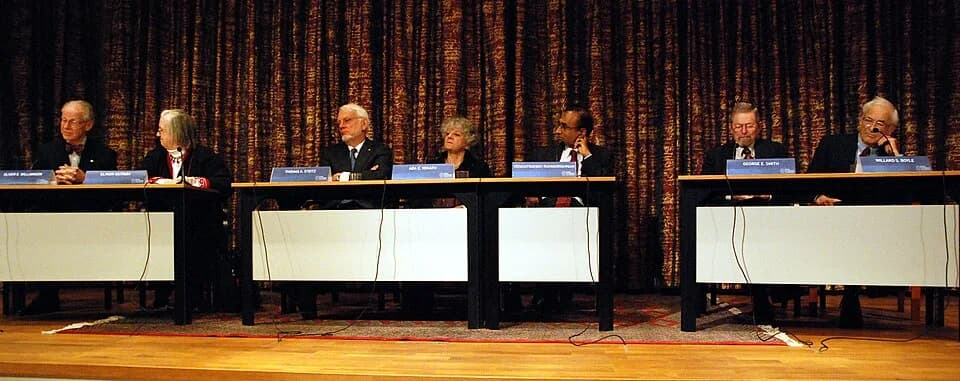
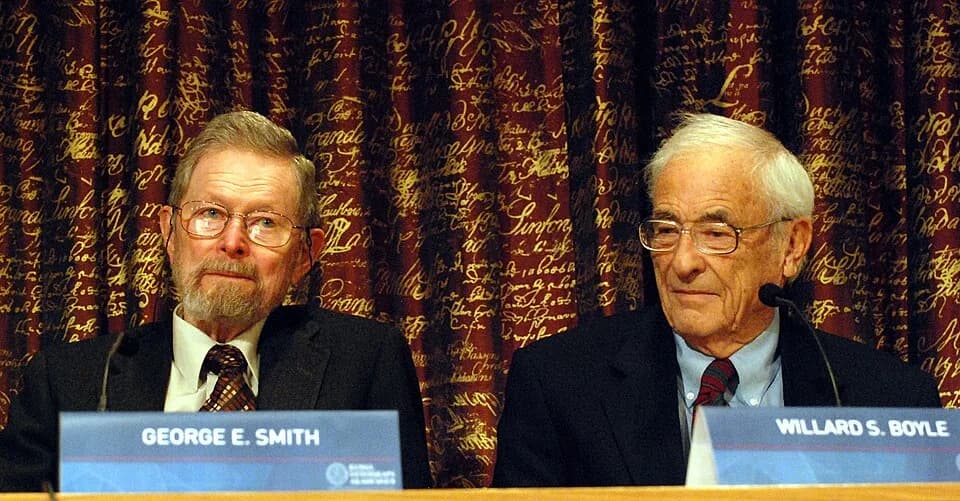
The profound significance of the CCD sensor cannot be overstated, as it rapidly became the indispensable core technology behind the burgeoning field of digital photography and a vast array of sophisticated scientific instruments. This single, ingenious innovation earned George E. Smith and Willard Boyle one half of the highly coveted and internationally prestigious 2009 Nobel Prize in Physics. The Royal Swedish Academy of Sciences explicitly cited their collaborative work "for the invention of an imaging semiconductor circuit - the CCD sensor," thereby formally recognizing its foundational and pervasive impact on modern society and scientific progress.
Smith’s exceptional ingenuity as a physicist allowed him to brilliantly envision and then meticulously engineer a device that could efficiently and accurately translate photons – individual particles of light – into precise electrical signals. This elegant and powerful solution paved the way for an entirely new era of visual information capture, encompassing everything from casual, everyday snapshots taken with compact digital cameras to incredibly intricate and high-resolution astronomical observations performed by the most advanced telescopes. The profound recognition with the 2009 Nobel Prize in Physics firmly cemented his well-deserved place among the giants of scientific discovery, undeniably highlighting the lasting value and transformative nature of his singular innovation.
The CCD's ability to operate with extremely high sensitivity, converting even very faint light into a measurable electrical charge, made it an invaluable tool for scientific research. Before its invention, capturing detailed images in low-light conditions or over long exposure times was significantly more challenging. Smith’s work dramatically improved these capabilities, enabling astronomers to peer deeper into space and scientists to observe microscopic phenomena with unprecedented clarity. This characteristic alone demonstrates the device’s critical role in advancing human knowledge across diverse fields of study.
Moreover, the charge-coupled device offered significant advantages in terms of compactness and durability compared to traditional film-based cameras or early video tubes. Its solid-state nature meant fewer moving parts and greater reliability, making it suitable for deployment in demanding environments, such as space telescopes or medical diagnostic equipment. George E. Smith, as an inventor, foresaw these practical benefits, creating a device that was not only scientifically powerful but also robust and widely applicable.
Chapter 4· Chapter 4 of 7
Personal Life
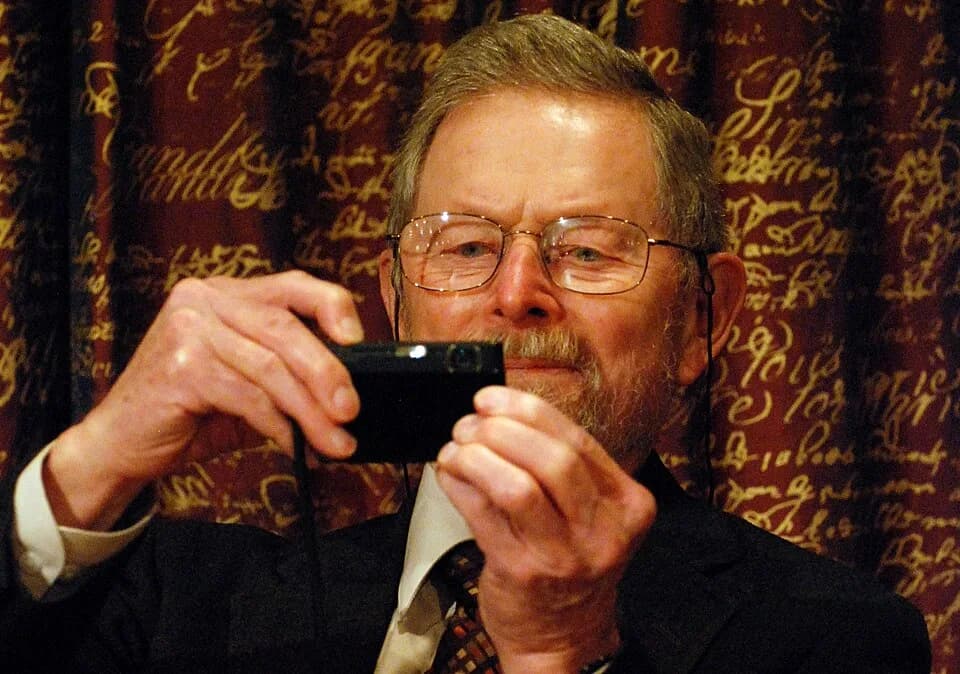
Beyond his rigorous and highly focused scientific pursuits, George E. Smith also cultivated a deep and abiding passion for photography, which he explicitly listed among his diverse professions. This artistic interest provided a unique and enriching complement to his demanding work as an inventor, offering a creative outlet that undoubtedly informed his nuanced understanding of imaging principles and the intricate behavior of light. His lifelong dedication to photography subtly hinted at an artistic sensibility that was remarkably intertwined with his brilliant scientific mind, suggesting a person who appreciated both empirical truth and aesthetic beauty.
His intimate involvement with the art and craft of photography strongly suggests a profound personal appreciation for the intricate visual world and the subtle art of capturing fleeting moments in time. This fascinating dual interest, encompassing both the highly technical creation of advanced imaging devices and the expressive, artistic application of photography, made his overall contributions even more distinctive and uniquely multifaceted. It genuinely reflects a comprehensive and holistic engagement with the pervasive power of images, spanning from their fundamental technical creation to their evocative aesthetic representation and emotional impact.
The act of capturing images, understanding composition, and manipulating light through a lens likely gave Smith practical insights that fed back into his work on the CCD. His hands-on experience as a photographer allowed him to empathize with the needs of users of imaging technology, guiding his design choices toward greater clarity, sensitivity, and user-friendliness. This personal connection to the art form elevated his inventive process, demonstrating a deep understanding beyond pure engineering principles.
Chapter 5· Chapter 5 of 7
Notable Works or Contributions
The charge-coupled device (CCD) stands unequivocally as George E. Smith's most significant technical contribution, a truly transformative invention that fundamentally altered the entire landscape of digital imaging. This sophisticated semiconductor device rapidly became the indispensable heart of early digital cameras, advanced video cameras, and high-resolution scanners. Its unparalleled ability to capture light with exceptional sensitivity and remarkable fidelity made it absolutely indispensable for rigorous scientific research, enabling unprecedented advancements in critical fields such as deep-space astronomy, detailed medical diagnostics, and a vast array of industrial applications.
In addition to his revolutionary scientific inventions, George E. Smith also expressed his intrinsic creativity through what are formally noted as "Notable Artworks." These artistic endeavors include a piece titled "Discontinuous Aggregates," which he created in 1966, and another significant work simply titled "Untitled," completed in 1988; both are associated with the AIC. These distinct artistic works eloquently demonstrate another vital dimension of his expansive intellectual and creative capacities, allowing him to venture beyond the precise realm of pure physics into the expressive territory of artistic representation. They powerfully suggest a mind that deeply appreciated both the rigorous precision and objective truths of science and the subjective, interpretative beauty of art.
The very creation of the CCD itself can be justly viewed as a technological masterpiece of engineering and inventive genius, meticulously solving complex problems related to light conversion, signal processing, and data transmission. Its incredibly widespread adoption in extraordinarily diverse applications, ranging from powerful, high-resolution telescopes peering deeply into distant galaxies to miniature endoscopic cameras meticulously examining the intricate structures within the human body, powerfully illustrates its profound versatility and universal utility. Smith's multifaceted creative output, seamlessly spanning both the utilitarian invention of the life-changing CCD and abstract artistic works, vividly portrays a truly singular creator with exceptionally broad intellectual interests and diverse capabilities, defying conventional categorization and leaving a rich, varied legacy.
His contributions to technology extended beyond the initial conceptualization of the CCD. Smith was also a driving force in its refinement and practical implementation, ensuring that the device was not just a theoretical possibility but a functional, reliable component. This dedication to practical application is a hallmark of a true inventor, transforming abstract ideas into tangible tools that benefit society. His work on the CCD fundamentally reshaped how we perceive and record the visual world.
Chapter 6 · 2009· Chapter 6 of 7
Later Years
Following his well-deserved Nobel recognition in 2009, George E. Smith continued to be a highly respected and influential figure within the global scientific community, his enduring legacy firmly and unequivocally established. He lived to witness, with considerable satisfaction, the continuous and accelerated evolution and the pervasive, almost ubiquitous, integration of CCD technology into an ever-expanding array of devices and revolutionary applications. His later years were profoundly marked by the enduring and far-reaching impact of his foundational work, which by then had become an indispensable and ubiquitous cornerstone of modern digital technology across every sector imaginable.
George E. Smith peacefully passed away on May 28, 2025, in Barnegat Township, a tranquil community located in the United States, bringing to a close a long and exceptionally productive life that was consistently characterized by profound ingenuity and monumental scientific discovery. His extended and highly productive career as an distinguished physicist and visionary inventor left an enduring and transformative influence, with his fundamental contributions continuing to vigorously shape technological advancements and innovations for many decades after their initial conception. He lived to personally experience and observe his seminal invention mature from a novel concept into an indispensable cornerstone of the global digital age, fundamentally altering how humanity interacts with images and information.
Even in his final years, the principles embedded within the CCD, first envisioned by Smith, continued to inspire new generations of engineers and scientists. The sheer adaptability and efficiency of the device meant that it remained relevant, even as newer technologies emerged, demonstrating the foresight inherent in its original design. His passing marked the end of an era for a true pioneer who consistently pushed the boundaries of what was technologically possible.
Chapter 7· Chapter 7 of 7
Legacy and Impact
George E. Smith's enduring legacy is profoundly and inextricably woven into the very fabric of modern digital imaging, primarily through his revolutionary co-invention of the charge-coupled device (CCD) sensor. This singular invention transformed an extraordinary number of diverse fields, ranging from casual, everyday photography to the most sophisticated and cutting-edge scientific exploration. The CCD effectively democratized high-quality imaging, making advanced visual capture tools readily accessible to hundreds of millions of people worldwide and thereby enabling entirely new forms of communication, artistic expression, and scientific documentation.
In the vast field of astronomy, the CCD provided vastly improved sensitivity, enhanced quantum efficiency, and significantly higher resolution compared to antiquated photographic plates, allowing powerful telescopes to detect and capture images of far fainter and more distant celestial objects with unprecedented clarity. This revolutionary capability directly led to astonishing new discoveries about the formation of galaxies, the characteristics of exoplanets, and the earliest moments of the universe itself. Its equally vital role in critical medical imaging, facilitating clearer and more accurate diagnostics and enabling less invasive surgical procedures, also powerfully highlights its immense humanitarian benefit and broad societal value.
As an exceptional American applied physicist and visionary inventor, Smith's seminal work on the CCD established a crucial and foundational framework for virtually all modern digital cameras, advanced video recording systems, and sophisticated imaging devices. His foundational invention continues to actively underpin and inspire subsequent advancements in critical areas such as high-definition surveillance systems, precision microscopy for biological research, and even sophisticated satellite imaging for environmental monitoring and earth observation. The pervasive and lasting influence of George E. Smith's extraordinary scientific genius is tangibly evident in virtually every digital image captured globally today, unequivocally securing his place as a preeminent pioneer of the digital age and a true architect of modern visual technology.
The impact of the CCD extends beyond mere imaging; it enabled a paradigm shift in how data is collected and analyzed across various scientific disciplines. Researchers could quantify light more precisely, leading to more accurate measurements and deeper insights. This quantitative capability, a direct result of Smith’s invention, accelerated progress in fields from materials science to particle physics, demonstrating the broad utility of his fundamental contribution. His work didn't just capture images; it captured data for scientific advancement.
Furthermore, the accessibility provided by CCD technology profoundly influenced education and public engagement with science. Students and enthusiasts could perform experiments and observations that were previously limited to specialized laboratories. George E. Smith's invention thus played a role in inspiring future generations of scientists and engineers, making complex scientific phenomena more tangible and understandable through the power of digital imagery. His legacy is one of enlightenment and empowerment through technology.
A life in moments
The moments that shaped a life
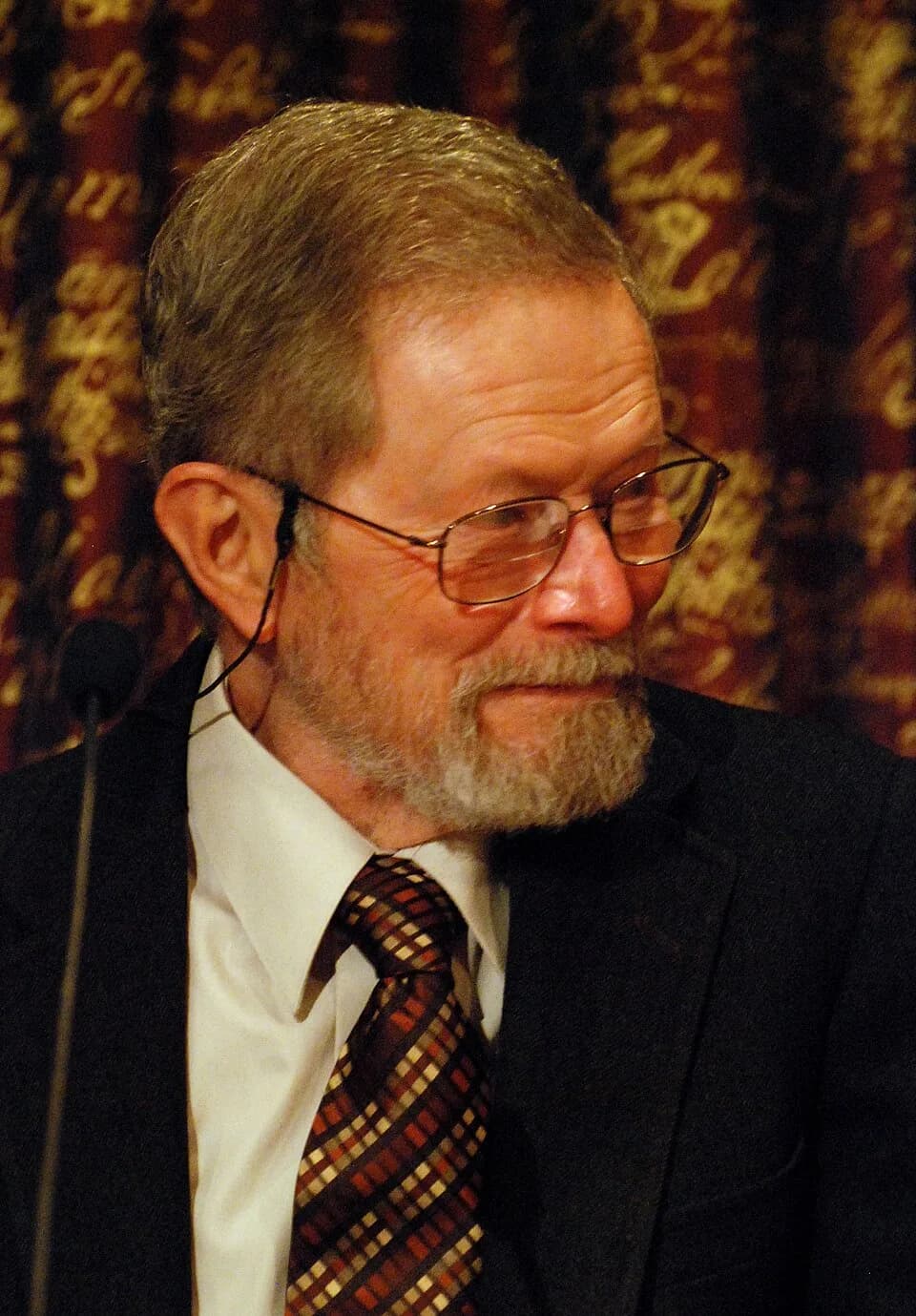
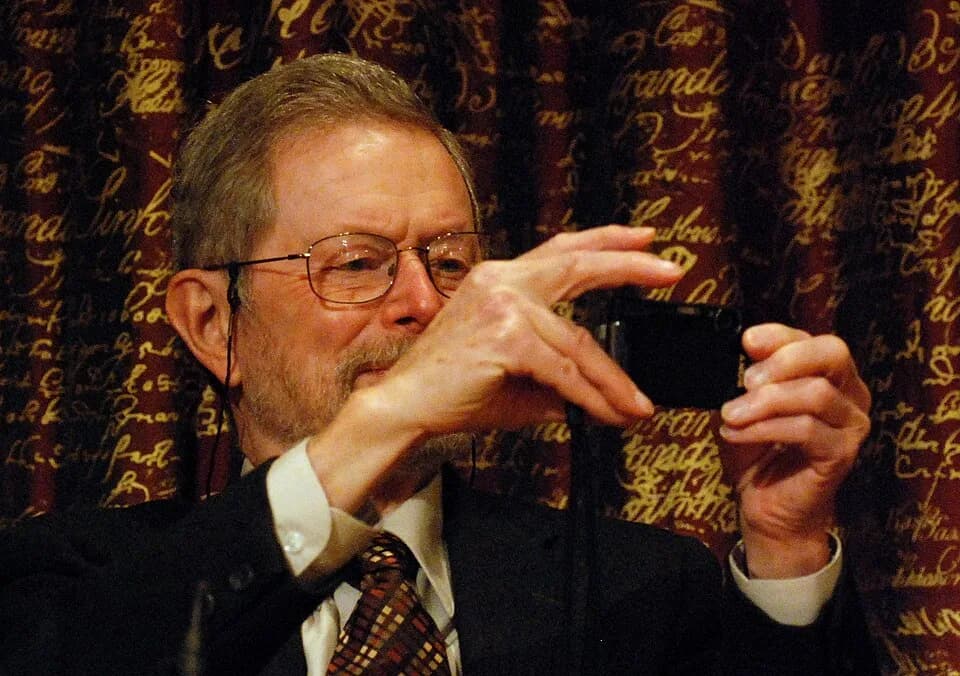
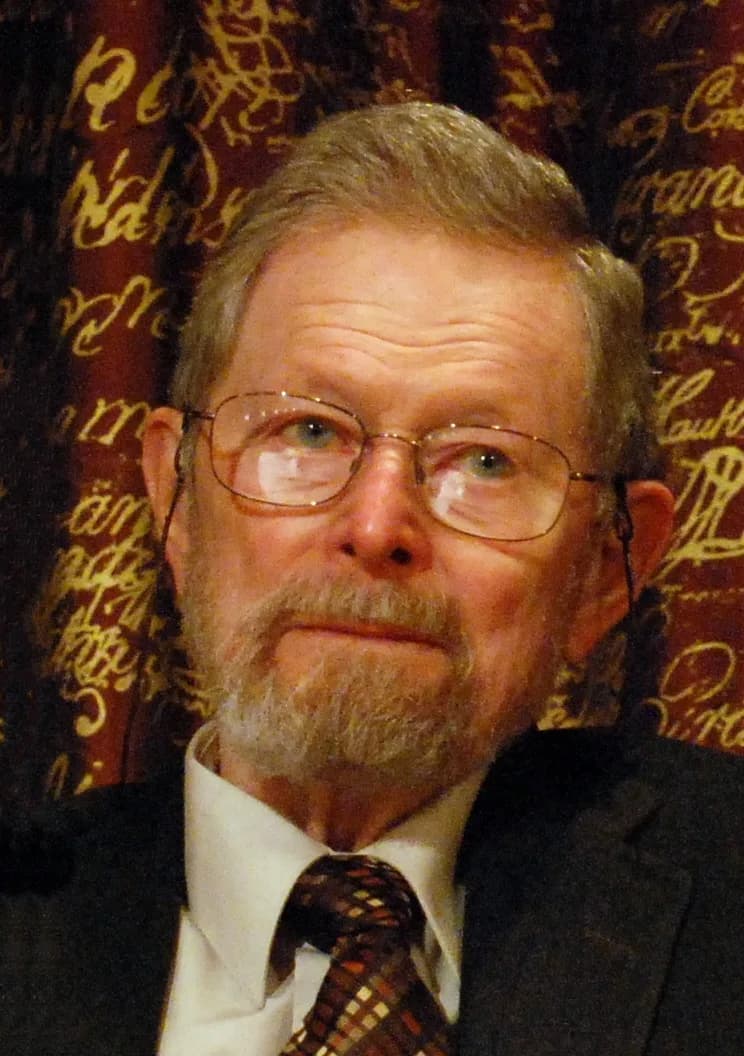
FAQ
Frequently asked
When did George E. Smith die?
George E. Smith died on May 28, 2025 in Barnegat Township, United States, at the age of 95.
Where was George E. Smith born?
George E. Smith was born in White Plains, United States on May 10, 1930.
What is George E. Smith best known for?
George E. Smith is best known for Nobel prize winning American physicist.
How old was George E. Smith when they died?
George E. Smith was 95 years old at the time of death.
What nationality was George E. Smith?
George E. Smith was from United States.
Timeline
Life at a glance
Photo gallery
A life in pictures
Click any polaroid to expand · 22 photos
QR Code
Share This Biography
Print & Share
Scan to visit this biography page. Print for events, exhibitions, or educational materials.