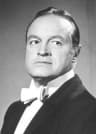
Born
March 20, 1928
Latrobe, United States
Died
February 27, 2003
Pittsburgh, United States
Known for
American television personality
Fred Rogers (1928–2003) was United States best known for American television personality.
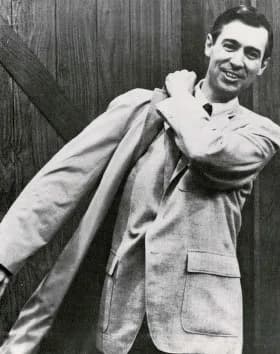
Fred McFeely Rogers (March 20, 1928 – February 27, 2003) was an American television personality, minister, and author. He was the beloved creator and host of <i>Mister Rogers' Neighborhood</i>, teaching generations about kindness and self-worth. His gentle approach to children's education left an enduring legacy of empathy and understanding.
Chapter
Life chapters
Chapter 1 · 1928· Chapter 1 of 7
A Life Dedicated to Understanding
Fred McFeely Rogers, born on March 20, 1928, and passing on February 27, 2003, was an American television personality, Presbyterian minister, and author who profoundly shaped children's media. He is most widely recognized as the gentle, insightful creator, showrunner, and host of the enduring preschool television series, Mister Rogers' Neighborhood, which graced screens from 1968 to 2001. His thoughtful approach to television for young audiences set a standard for educational and emotionally resonant programming, making him a cherished figure across generations. Through his work, Fred Rogers consistently conveyed messages of kindness, self-acceptance, and empathy, leaving an irreplaceable mark on American culture and the hearts of millions.
Rogers' multifaceted career also encompassed roles as a screenwriter, composer, singer, author, television producer, musician, songwriter, television presenter, educator, theologian, Christian minister, puppeteer, and television actor. These diverse professions fueled his unique ability to connect with children on a deeply personal level, addressing their concerns and celebrating their individuality. His unique blend of talents allowed him to craft a television experience that was both entertaining and profoundly educational, fostering emotional growth and intellectual curiosity in his young viewers. His unwavering commitment to the well-being and understanding of children became the defining characteristic of his public persona and his life's work.
Chapter 2 · 1928· Chapter 2 of 7
Early Life and Origins
Fred Rogers began his journey in Latrobe, United States, where he was born on March 20, 1928, into a family that encouraged his natural curiosity and sensitivity. His upbringing in Latrobe provided a foundation for the values he would later espouse through his television programs and writings. Even in his early years, Rogers displayed a thoughtful disposition and a desire to connect with others, characteristics that would become central to his public identity. These formative experiences undoubtedly contributed to his later understanding of human emotions and his gentle approach to communication.
His intellectual pursuits led him to become a Christian minister and theologian, a significant aspect of his background that informed his empathetic worldview. This spiritual dimension provided a framework for his work, emphasizing compassion, understanding, and the inherent worth of every individual. He pursued his education with diligence, acquiring knowledge that would later empower him to address complex topics with simplicity and grace for his young audience. The philosophical underpinnings of his ministry are evident in the calming and reassuring tone that defined his television presence and guidance.
Chapter 3· Chapter 3 of 7
Career Beginnings and the Birth of a Neighborhood
Fred Rogers initially found himself drawn to the nascent medium of television, an industry he felt had the potential for great good, particularly in shaping young minds. He embarked on his broadcasting career, quickly recognizing the need for programming that genuinely respected children and addressed their emotional lives. This early realization spurred him to move beyond superficial entertainment and to create content with purpose and heart. His vision was to craft a television experience that validated children's feelings and encouraged positive development.
This dedication culminated in the creation of Mister Rogers' Neighborhood, a program that first aired in 1968 and would continue for an impressive 33 years until 2001. As the show's creator, showrunner, and host, Rogers meticulously crafted every aspect of the series to ensure it communicated his core messages effectively. He utilized his extensive talents as a screenwriter, composer, singer, and puppeteer to bring the Neighborhood of Make-Believe and its lessons to life. His innovative approach to children's television quickly distinguished his work from other offerings of the era, establishing a unique and revered presence.
Chapter 4· Chapter 4 of 7
Major Achievements and Career Highlights
The creation and sustained success of Mister Rogers' Neighborhood stands as Fred Rogers' paramount achievement, transforming children's television and setting a benchmark for educational programming. The series, which aired consistently for over three decades, provided a consistent, comforting presence for millions of young viewers. It earned widespread critical acclaim for its innovative format and its courageous approach to discussing difficult topics with children, always delivered with Rogers' signature calm and reassuring demeanor. His work garnered numerous accolades, although the true measure of his success lies in the positive influence he exerted on generations of children.
Beyond his on-screen role, Rogers' work as a composer and songwriter was central to the show's identity, producing countless original songs that became synonymous with the program's gentle lessons. The children's music genre was greatly enriched by his contributions, offering melodic expressions of empathy, curiosity, and self-worth. His ability to distill complex emotions into simple, memorable tunes further enhanced the accessibility and impact of his educational mission. Rogers' pioneering efforts in combining entertainment with heartfelt instruction solidified his status as a true visionary in children's media.
Chapter 5 · 1960· Chapter 5 of 7
Notable Works and Contributions
Fred Rogers' influence extended far beyond the television screen, encompassing a prolific body of work as an author and musician. His discography, rooted in children's music, includes beloved albums like Tomorrow on the Children’s Corner (1960), King Friday XIII Celebrates in Misterogers' Neighborhood of Make-Believe (1964), Mister Rogers SINGS (1973), and Let's Be Together Today (1972). Later releases such as You Are Special (1992), Bedtime (2019), You’re Growing (2019), It's Such a Good Feeling: The Best of Mister Rogers (2019), Coming and Going (2019), and Back in the Neighborhood: The Best of Mister Rogers, Volume 2 (2023) continue to share his musical legacy.
As an author, Rogers penned numerous books designed to help children navigate various life experiences and emotions. His bibliography includes thoughtful titles such as Let's Talk About It, Tackling Tough Issues, and Mister Rogers' Plan and Play Book, which provided guidance for parents and educators. Other works like The roof scrambler, Mister Rogers' playtime, and a series of "Tell me Mister Rogers about..." books addressed specific childhood challenges, including learning to read, sleeping away from home, going to the dentist, thunder and lightning, and when pets die. Books such as nobody feels perfect, Dear Mister Rogers, You are special, Mister Rogers tells the story... time to be friends; illustrated by Carl Cassler, and Adoption further showcased his commitment to fostering emotional intelligence and understanding in young readers.
His broader impact is also reflected in film, notably the documentary Won't You Be My Neighbor? (2018), which explored his profound influence and enduring legacy. While primarily a television personality, his work's cultural resonance led to references and appearances in other media, including Speedy Delivery (2008), Casper (1995), and Poltergeist (1982), demonstrating his pervasive presence in American popular culture. These works collectively underscore his unique ability to translate complex human experiences into accessible and comforting narratives for all ages.
Chapter 6 · 2001· Chapter 6 of 7
Later Years and Enduring Voice
In his later years, Fred Rogers continued to be a champion for children, even after Mister Rogers' Neighborhood concluded its long run in 2001. His gentle wisdom and calming presence remained a source of comfort and guidance for many, extending his influence beyond active broadcasting. He dedicated his final years to advocating for thoughtful media and for the intrinsic value of every child, reinforcing the messages he had consistently delivered throughout his career. His quiet, dignified approach to public life never wavered, even as his health began to decline.
Fred Rogers passed away in Pittsburgh, United States, on February 27, 2003, at the age of 74, leaving behind a legacy that continues to resonate powerfully. His passing marked the end of an era for many who grew up with his reassuring voice and kindly demeanor. However, the principles he taught and the warmth he exuded continued to live on through his vast body of work and the memories of those he touched. The lessons of empathy, patience, and self-worth he so passionately shared remain as relevant and necessary today as they were during his lifetime.
Chapter 7· Chapter 7 of 7
Legacy and Lasting Impact
The legacy of Fred Rogers is one of profound educational innovation and unwavering compassion, establishing a standard for how children's media can genuinely nurture development. He created a safe, inclusive television space where children felt seen, heard, and valued, fostering a sense of belonging for millions. His ability to address sensitive subjects with honesty and simplicity, from divorce to death, helped countless families navigate difficult conversations. Through his unique blend of education and entertainment, he taught children to embrace their feelings and to understand the world around them with curiosity and kindness.
Rogers' work continues to inspire educators, parents, and media creators to prioritize the emotional and social development of children. His philosophy that every person is special and capable of giving and receiving love remains a guiding principle for many. The enduring popularity of his show, films about his life, and the continued relevance of his books testify to the timeless nature of his message. Fred Rogers will always be remembered as a pioneer who saw the potential in every child and dedicated his life to helping them realize their full worth.
A life in moments
The moments that shaped a life

FAQ
Frequently asked
When did Fred Rogers die?
Fred Rogers died on February 27, 2003 in Pittsburgh, United States, at the age of 74.
Where was Fred Rogers born?
Fred Rogers was born in Latrobe, United States on March 20, 1928.
What is Fred Rogers best known for?
Fred Rogers is best known for American television personality.
How old was Fred Rogers when they died?
Fred Rogers was 74 years old at the time of death.
What nationality was Fred Rogers?
Fred Rogers was from United States.
Timeline
Life at a glance
Photo gallery
A life in pictures
Click any polaroid to expand · 22 photos
QR Code
Share This Biography
Print & Share
Scan to visit this biography page. Print for events, exhibitions, or educational materials.