Born
September 7, 1726
Dreux, France
Died
August 31, 1795
London, Roman Empire
Known for
French composer and chess player
François-André Danican Philidor (1726–1795) was France best known for French composer and chess player.
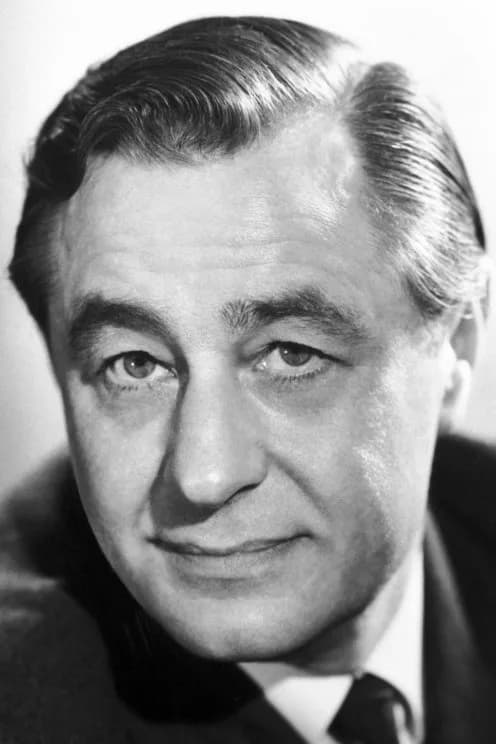
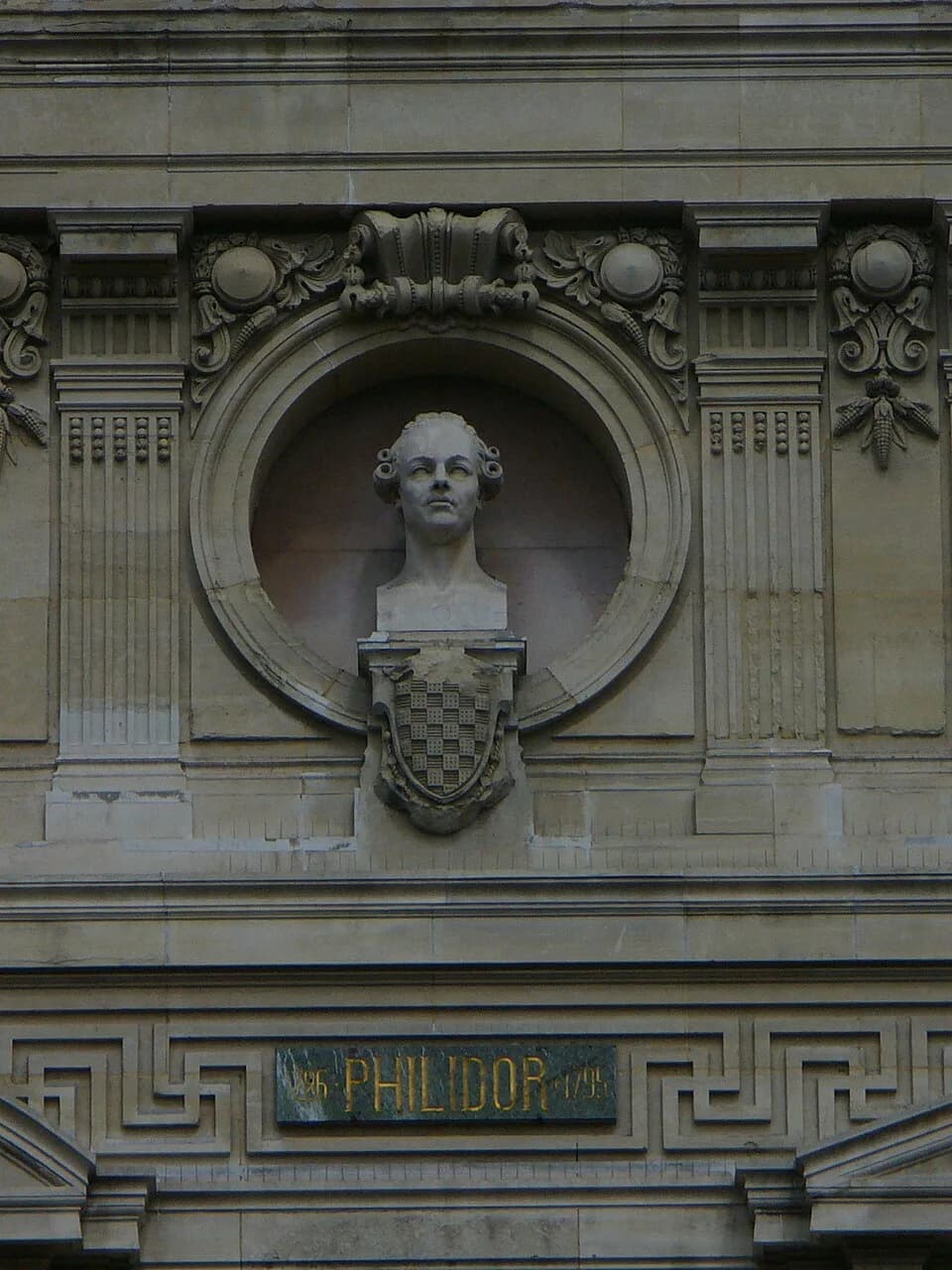
François-André Danican Philidor (7 September 1726 – 31 August 1795) was a French composer and chess master. Widely regarded as the best chess player of his era, his book *Analyse du jeu des Échecs* revolutionized chess theory. He also significantly contributed to early opéra comique.
A life in moments
The moments that shaped a life
Chapter
Life chapters
Chapter 1 · 1747· Chapter 1 of 3
A Royal Choir, a Chessboard, and a New Opera
For a time, Legall could easily give Philidor rook odds, a substantial handicap. Yet in just three years, Philidor not only caught up but surpassed his mentor. This rapid ascent in chess paralleled his growing ambitions in music. He traveled to London in 1747, moving in circles that included figures like Samuel Johnson, before returning to Paris in 1754, determined to make his mark as a composer.
Philidor became a key figure in the early opéra comique, scoring triumphs like Blaise le savetier in 1759. His operas, including the adaptation of Henry Fielding’s Tom Jones (1765) and Ernelinde, princesse de Norvège (1767), were celebrated across France. The philosopher Diderot, recognizing Philidor’s sharp intellect, dubbed him “Philidor le subtil.” He was also a committed Freemason, even composing music for rituals and for his Parisian lodge, Les Neuf Sœurs.
Chapter 2 · 1749· Chapter 2 of 3
Mastering the Game: The Soul of Chess
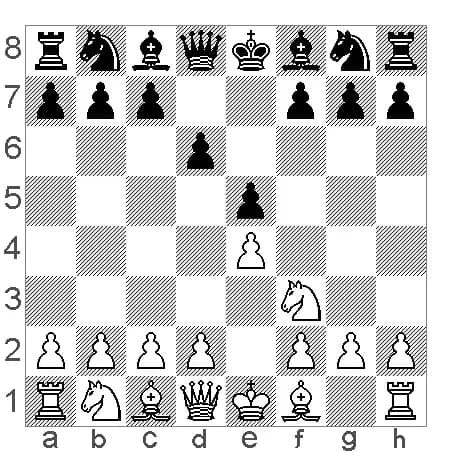
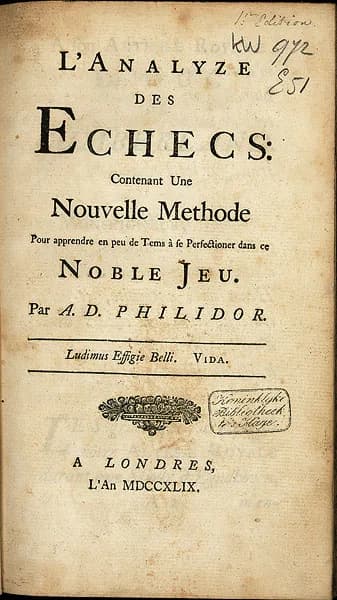
Despite his musical success, chess remained a constant. Philidor’s book, Analyse du jeu des Échecs, published in 1749, became the foundational text for chess for a century. He was the first to articulate the strategic importance of pawns, famously declaring, “The pawns are the soul of chess.” His insights, once controversial among those who preferred aggressive gambits, are now cornerstones of modern chess theory, detailing concepts like the blockade and positional sacrifice.
He solidified his reputation as the world's strongest player. In London, he once astounded peers by playing three blindfold chess games simultaneously in 1783. People signed affidavits, unsure if future generations would believe such a feat was possible. Even at 67, he continued to play and win blindfold games, demonstrating a mental prowess that seemed almost supernatural.
Chapter 3 · 1792· Chapter 3 of 3
An Enduring Legacy, Across Borders
Philidor enjoyed the admiration of intellectual giants such as Voltaire, Rousseau, and the actor David Garrick. However, his final years were marked by the turmoil of the French Revolution. Due to his family's long-standing ties to the monarchy, his name was placed on a banishment list in 1792, forcing him to remain in England.
Stranded in England, Philidor died in London on August 31, 1795. Just days after his passing, his name was officially removed from the banishment list, a somber footnote to a life dedicated to mastering both counterpoint and the chessboard. Today, his name lives on in chess openings, endgame positions, and checkmate methods, a lasting tribute to a man who, in two distinct arenas, saw further than anyone else of his age.
FAQ
Frequently asked
When did François-André Danican Philidor die?
François-André Danican Philidor died on August 31, 1795 in London, Roman Empire, at the age of 68.
Where was François-André Danican Philidor born?
François-André Danican Philidor was born in Dreux, France on September 7, 1726.
What is François-André Danican Philidor best known for?
François-André Danican Philidor is best known for French composer and chess player.
How old was François-André Danican Philidor when they died?
François-André Danican Philidor was 68 years old at the time of death.
What nationality was François-André Danican Philidor?
François-André Danican Philidor was from France.
Timeline
Life at a glance
Photo gallery
A life in pictures
Click any polaroid to expand · 23 photos
QR Code
Share This Biography
Print & Share
Scan to visit this biography page. Print for events, exhibitions, or educational materials.