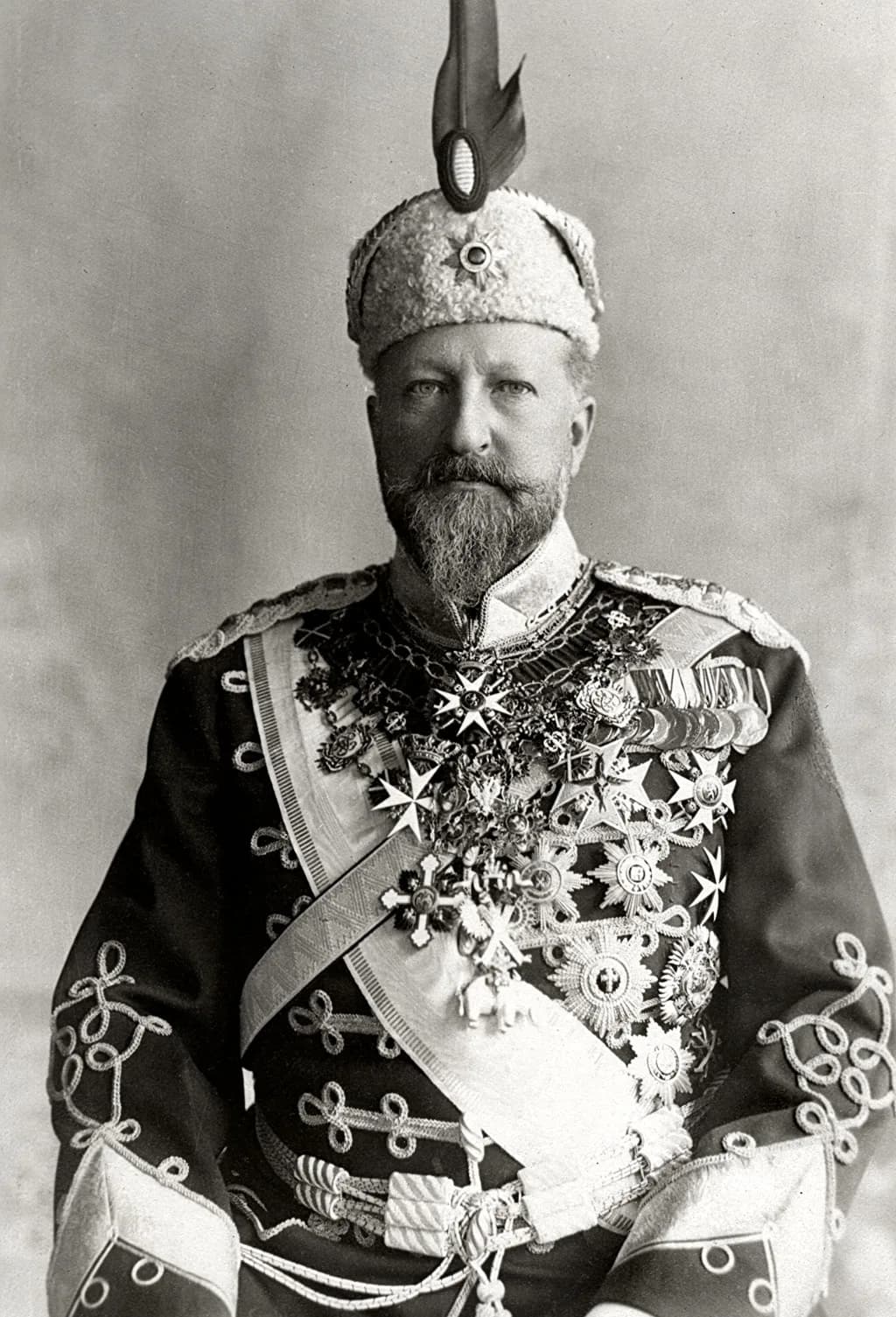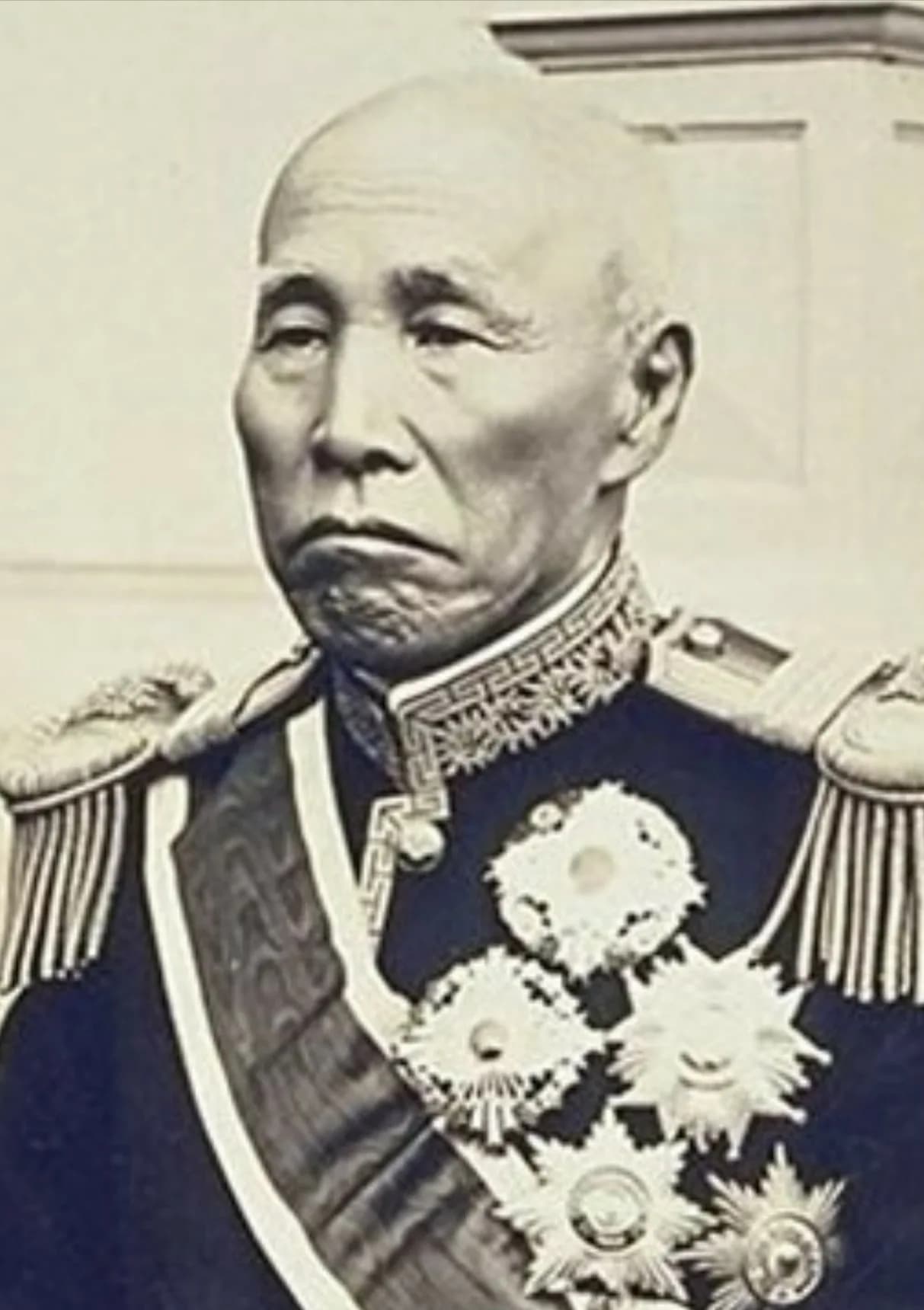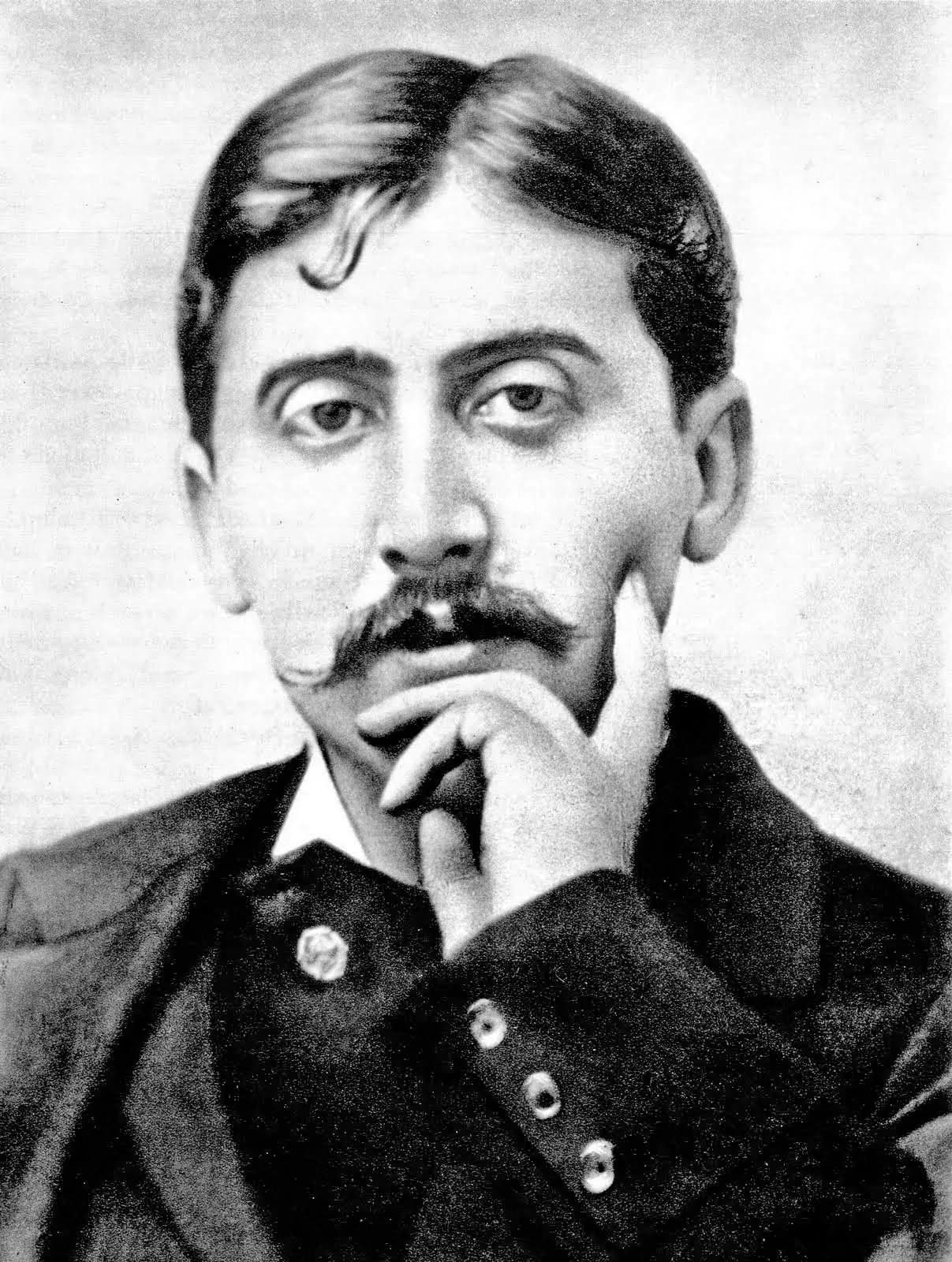
Born
September 11, 1861
Białochowo, Poland
Died
April 8, 1922
Lindstedt Castle, Germany
Known for
Chief of Germany's General Staff during the first two years of the First World War
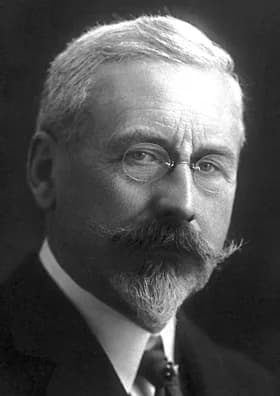
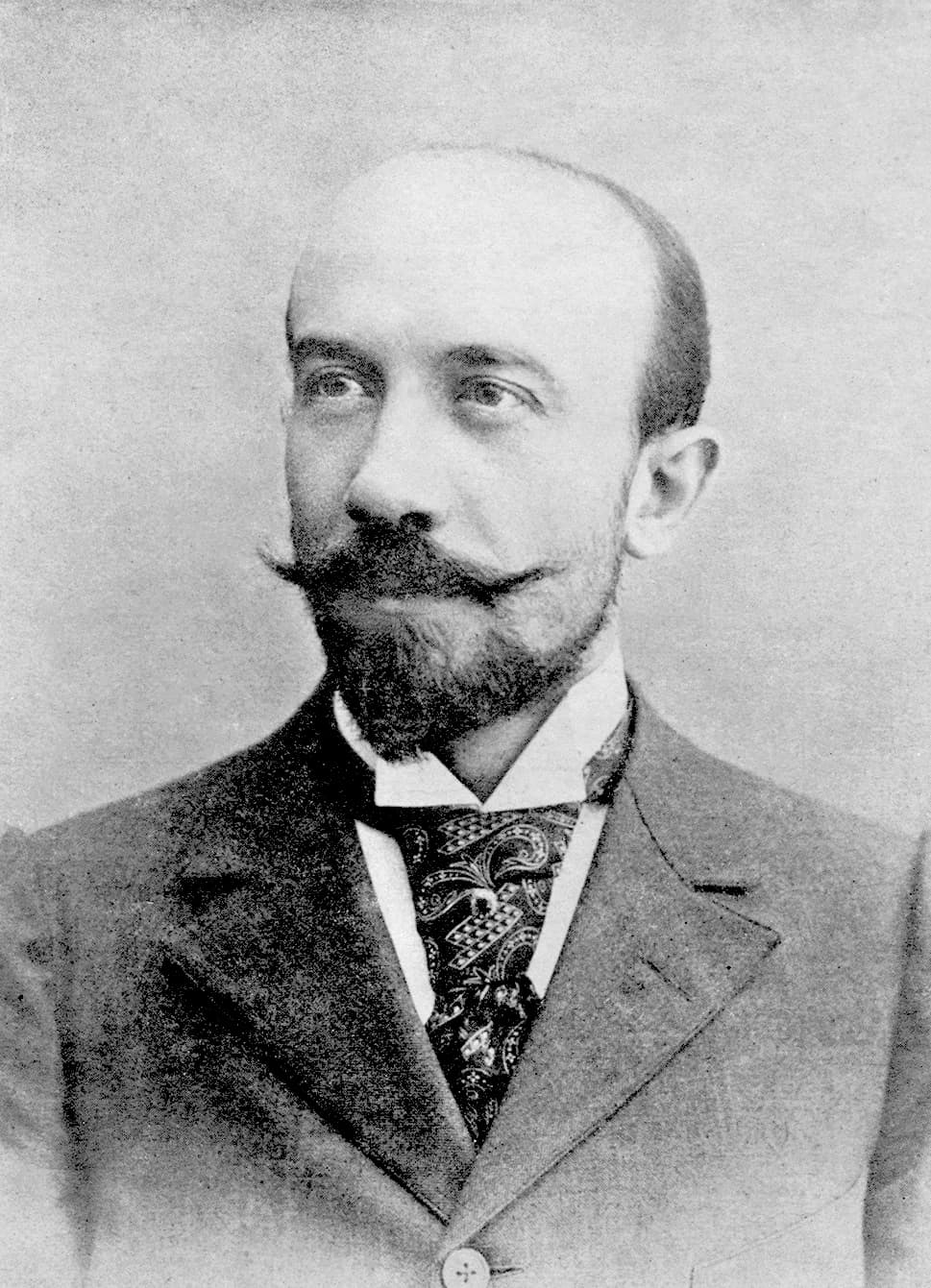
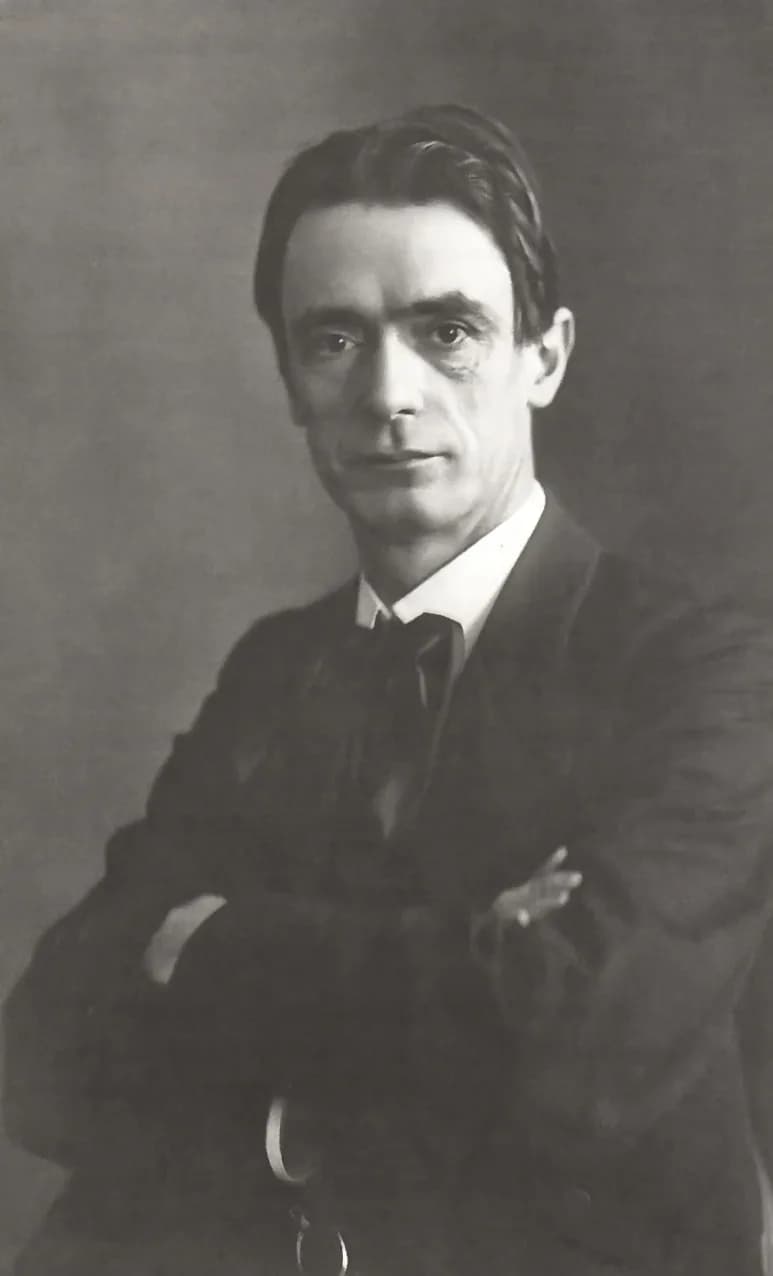
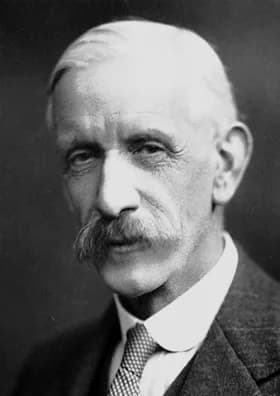
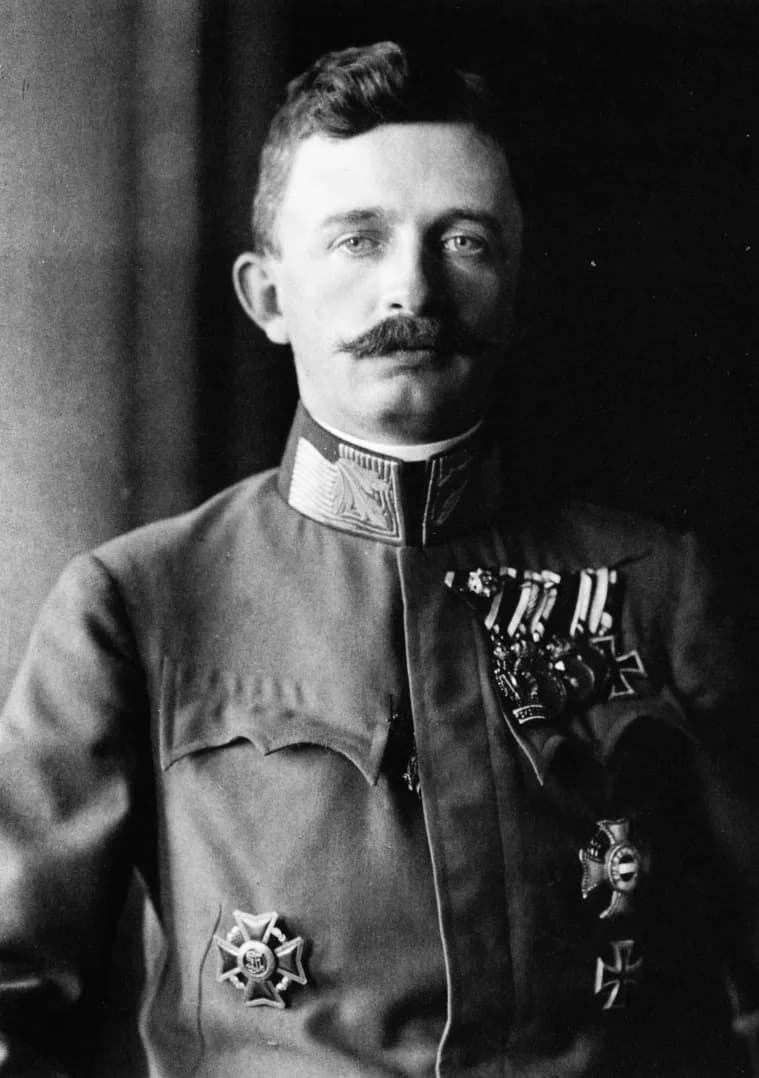
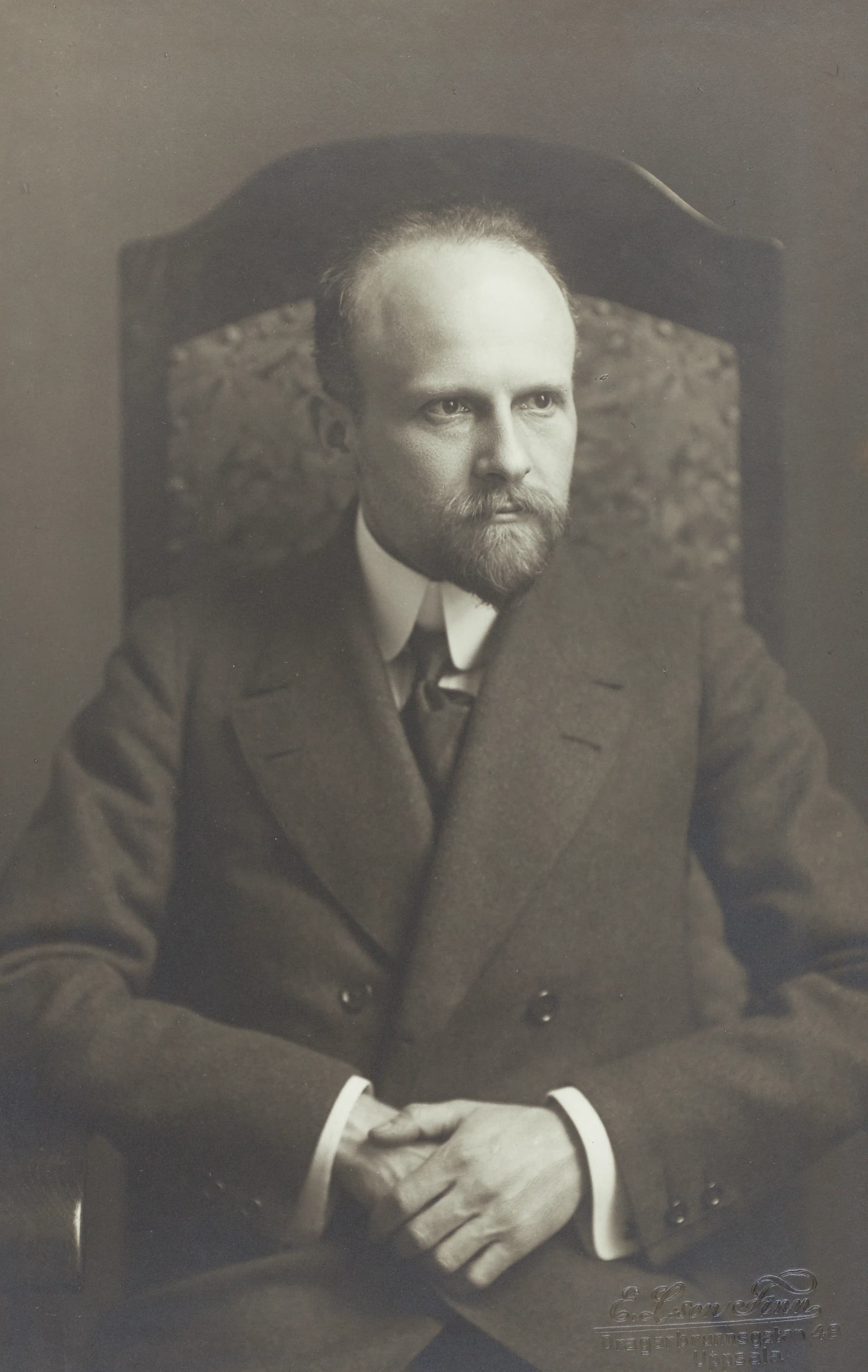
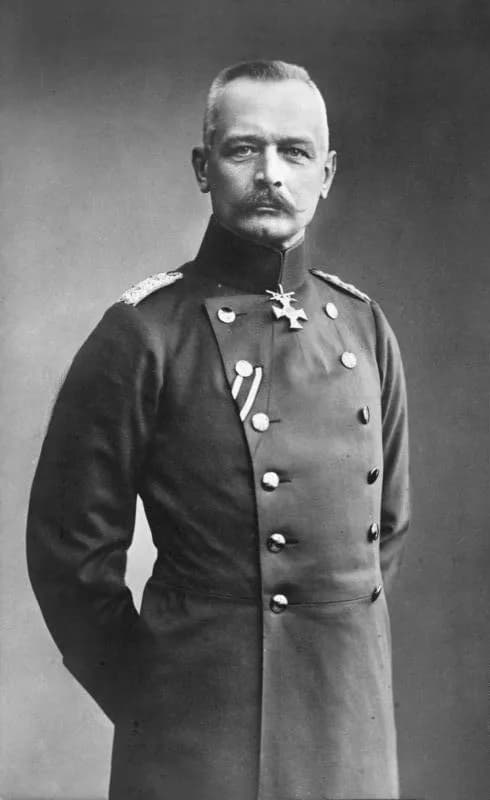
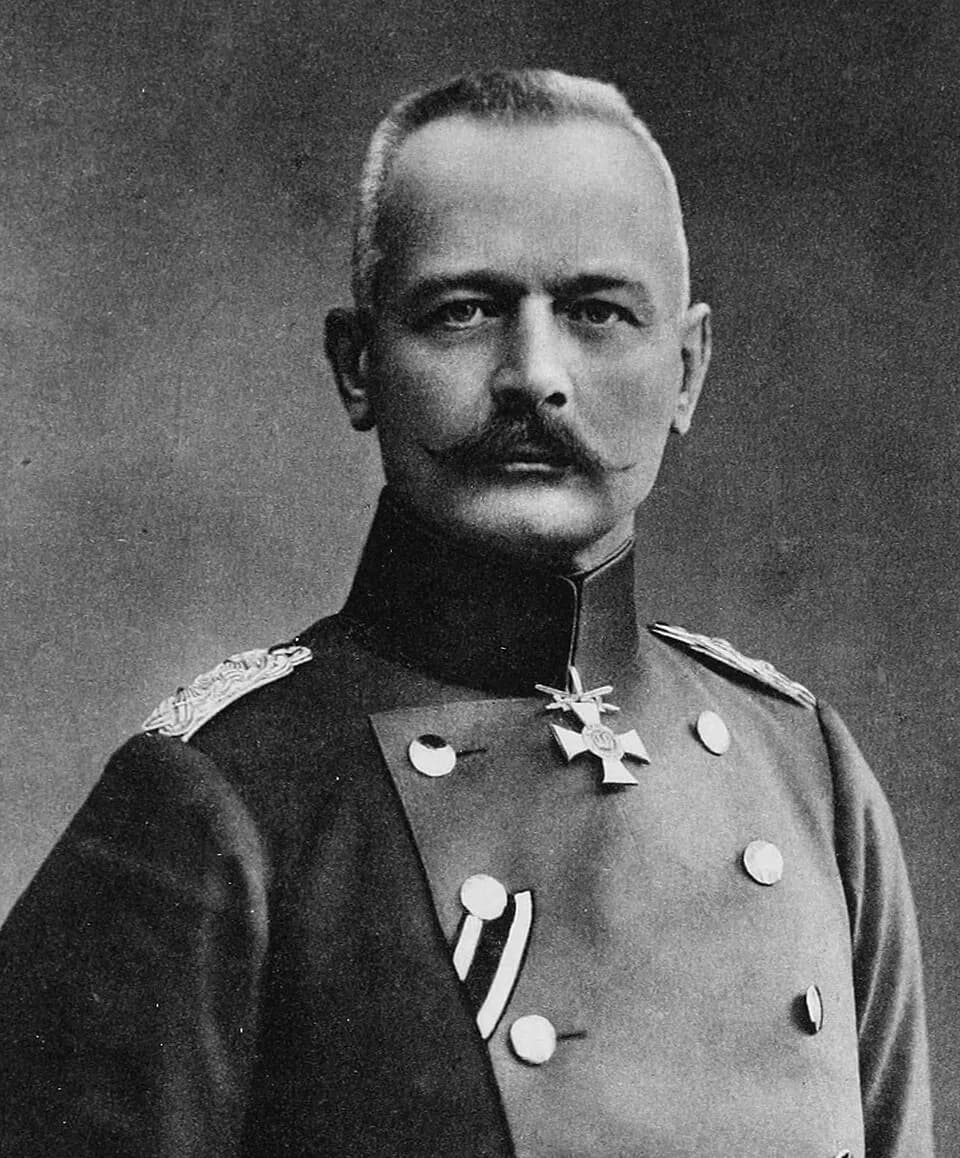
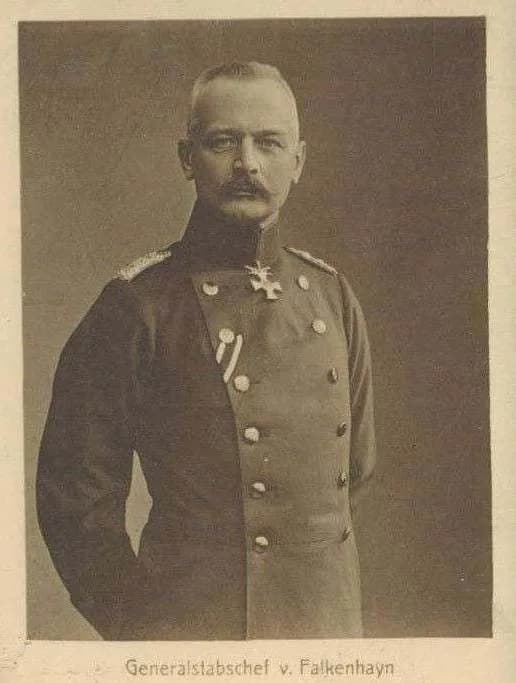
Erich von Falkenhayn (1861–1922) was Poland best known for Chief of Germany's General Staff during the first two years of the First World War.
Erich Georg Sebastian Anton von Falkenhayn (September 11, 1861 – April 8, 1922) was a German military commander and politician. He served as Chief of Germany's General Staff during the initial two years of the First World War, taking over after the First Battle of the Marne. His strategic decisions during this period shaped Germany's wartime efforts and left a lasting historical impact.
A life in moments
The moments that shaped a life
Chapter
Life chapters
Chapter 1 · 1861· Chapter 1 of 10
Early Life and Origins
Erich von Falkenhayn was born on September 11, 1861, in Białochowo, which was then part of Poland under Prussian rule. While specific details about his family background or his early upbringing are not explicitly provided in historical records, his eventual rise to prominent military positions suggests a formative environment that encouraged a path of military service. His early years in Białochowo would have laid the foundation for the discipline and dedication that characterized his subsequent professional life within the German military establishment.
Chapter 2· Chapter 2 of 10
Career Beginnings and Diplomatic Service
Falkenhayn's career trajectory began within the structured ranks of the military, where he honed the skills necessary for command and strategic thinking. He advanced through various roles, including stints as a military attaché and military advisor, positions that provided him with valuable international experience and a broader understanding of European geopolitics. These early engagements fostered a deep knowledge of military affairs and diplomatic relations, preparing him for the significant responsibilities he would later assume. His expertise grew steadily, marking him as a capable and insightful officer within the German armed forces.
Chapter 3· Chapter 3 of 10
Ascension to High Command and Prussian Minister of War
Before the outbreak of the First World War, Falkenhayn distinguished himself sufficiently to be appointed Prussian Minister of War. This significant political and military role placed him at the heart of Germany's defense planning and resource allocation. As Minister, he was instrumental in shaping the military's policies and readiness in the tense years leading up to the global conflict. This appointment demonstrated the confidence placed in his leadership abilities and administrative prowess within the highest echelons of the German government and military.
Chapter 4 · 1914· Chapter 4 of 10
Chief of the General Staff During the First World War
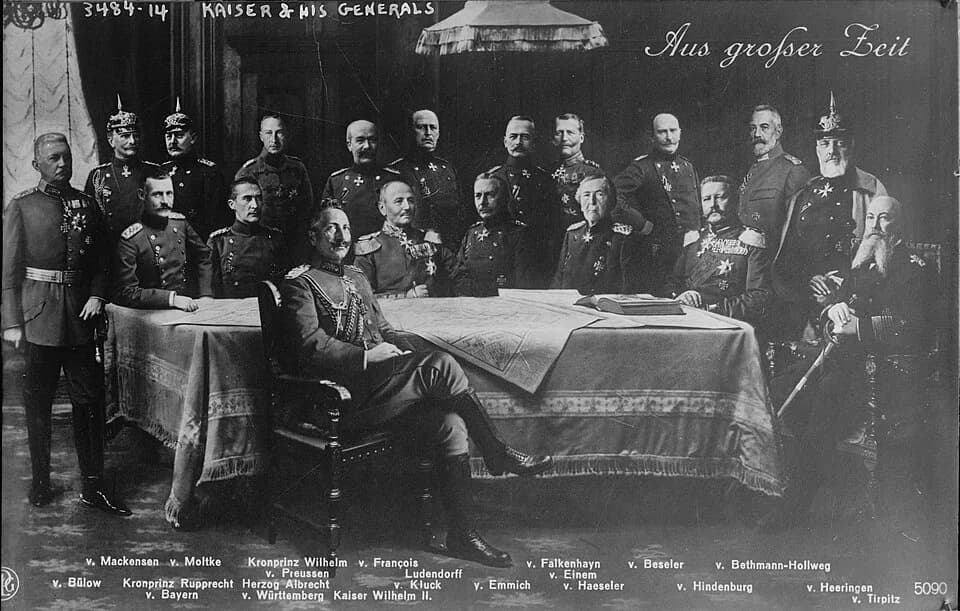
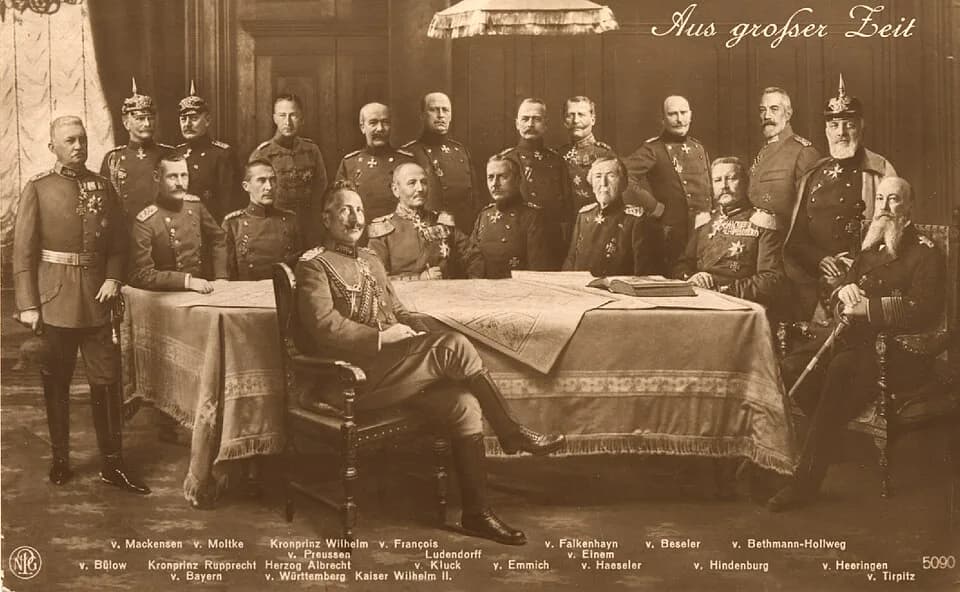
A crucial moment in Falkenhayn's career came in September 1914 when he replaced General Helmuth von Moltke the Younger as Chief of the German General Staff. This change occurred in the immediate aftermath of the First Battle of the Marne, a critical engagement where the initial German invasion of France was decisively halted. Falkenhayn inherited a strategic situation vastly different from pre-war expectations, necessitating a rapid re-evaluation of Germany's war aims and tactical approaches on the Western Front.
His tenure as Chief of the General Staff spanned the first two tumultuous years of the First World War, a period characterized by intense fighting and the calcification of trench warfare. Falkenhayn's primary objective during this time was to secure a German victory before the year 1917, reflecting a desire to avoid a prolonged war of attrition. He was responsible for overall strategic direction, troop deployments, and planning major offensives across multiple fronts. His leadership during these formative years significantly influenced the German military's approach to an unprecedented global conflict.
Chapter 5 · 1916· Chapter 5 of 10
The Strategy of Attrition and the Battle of Verdun
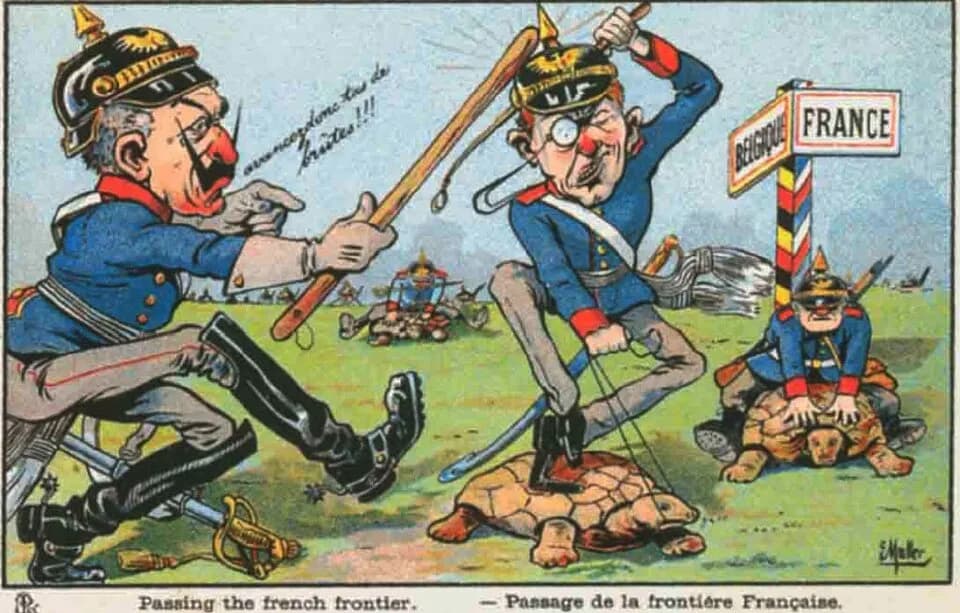
Central to Falkenhayn's strategy was the concept of attrition, most famously exemplified by the Battle of Verdun, which commenced in February 1916. His offensive in the west aimed to "bleed France white," an attempt to inflict such catastrophic casualties that France would be forced out of the war, thereby weakening the Entente. This brutal and protracted battle, one of the longest and costliest in human history, became a symbol of the futility and horror of trench warfare. While Verdun inflicted immense suffering on both sides, it failed to break French resolve and ultimately did not achieve Falkenhayn's strategic objective of a decisive victory.
The immense human cost and strategic stalemate at Verdun placed significant strain on German resources and morale. Despite its intensity, the battle did not deliver the quick and decisive outcome Falkenhayn had envisioned. This prolonged engagement diverted critical resources and manpower from other fronts, impacting Germany's overall strategic flexibility. The inability to secure a rapid breakthrough in the west intensified the pressure on Falkenhayn and his command, contributing to the growing debate over Germany's strategic direction.
Chapter 6 · 1916· Chapter 6 of 10
Challenges on Multiple Fronts and Removal from Command
Falkenhayn's strategic vision faced mounting challenges not only on the Western Front but also across the broader European theater. The opening of the Battle of the Somme in July 1916 by Anglo-French forces further stretched German defenses, adding another massive attrition battle to an already strained front. Simultaneously, on the Eastern Front, the Brusilov Offensive, launched by Russia in June 1916, achieved significant initial successes against the Austro-Hungarian and German armies, forcing critical resource reallocations.
Further complicating the strategic situation was Romania's entry into the war on the side of the Entente in August 1916, opening yet another front and demanding additional military commitments. These combined pressures—the failure to achieve a decisive victory at Verdun, the draining battles of the Somme and Brusilov, and the new threat posed by Romania—culminated in a critical re-evaluation of German leadership. Consequently, Erich von Falkenhayn was removed from his position as Chief of the German General Staff on August 29, 1916. His departure signaled a shift in Germany's high command and a recognition that the initial goal of winning the war before 1917 was no longer attainable, reducing the German army to a strategy of "hanging on."
Chapter 7· Chapter 7 of 10
Personal Life
Information regarding Erich von Falkenhayn's personal life, including specific details about his family, relationships, or personal interests beyond his demanding military career, is not extensively detailed in the provided historical summary. His public persona and historical narrative are predominantly defined by his professional roles as a dedicated military officer and a strategic leader during a tumultuous global conflict. His life was largely consumed by the responsibilities of high command and the complex strategic challenges of the First World War.
Chapter 8 · 1917· Chapter 8 of 10
Notable Works or Contributions
Erich von Falkenhayn's primary contributions were in the realm of strategic military leadership and operational planning during one of the most significant conflicts in human history. As Chief of the German General Staff, his "works" were the campaigns and battles he directed and influenced, rather than written or artistic creations. His strategic concepts, particularly his focus on offensive attrition in the west and his plan to achieve victory before 1917, represent his most notable contributions to German military thought and execution. These strategic decisions, though ultimately unsuccessful in their ultimate goals, shaped the course and character of the early First World War.
Chapter 9 · 1916· Chapter 9 of 10
Later Years and Passing
Following his removal as Chief of the German General Staff in August 1916, Erich von Falkenhayn's direct influence on the highest strategic decisions of the war diminished. The available information does not detail subsequent military commands or public roles he may have held immediately after this critical juncture. He lived for several years after the conclusion of the First World War. Erich von Falkenhayn passed away on April 8, 1922, at Lindstedt Castle, located in Germany, bringing to a close the life of a key military figure from the Great War.
Chapter 10 · 1917· Chapter 10 of 10
Legacy and Historical Impact
Erich von Falkenhayn's legacy is complex and remains a subject of considerable historical debate and analysis. As Chief of the German General Staff during the initial, brutal years of the First World War, he bore immense responsibility for Germany's strategic direction. His focus on the Western Front and the pursuit of an attrition strategy, particularly at Verdun, defined his command. While his goal of a quick victory before 1917 ultimately proved elusive, his leadership period fundamentally altered the trajectory of the war, moving Germany from an offensive stance to a defensive struggle for survival.
Historians continue to examine the effectiveness and consequences of his strategic decisions, weighing them against the immense pressures and realities of a global conflict. His command is often viewed as a period of transition, where Germany grappled with the unexpected realities of modern warfare and the limitations of its initial strategic plans. Falkenhayn's actions and decisions left an enduring imprint on military history, shaping the understanding of command, strategy, and the immense human cost of conflict in the early 20th century.
FAQ
Frequently asked
When did Erich von Falkenhayn die?
Erich von Falkenhayn died on April 8, 1922 in Lindstedt Castle, Germany, at the age of 60.
Where was Erich von Falkenhayn born?
Erich von Falkenhayn was born in Białochowo, Poland on September 11, 1861.
What is Erich von Falkenhayn best known for?
Erich von Falkenhayn is best known for Chief of Germany's General Staff during the first two years of the First World War.
How old was Erich von Falkenhayn when they died?
Erich von Falkenhayn was 60 years old at the time of death.
What nationality was Erich von Falkenhayn?
Erich von Falkenhayn was from Poland.
Timeline
Life at a glance
Photo gallery
A life in pictures
Click any polaroid to expand · 24 photos
QR Code
Share This Biography
Print & Share
Scan to visit this biography page. Print for events, exhibitions, or educational materials.