Born
February 22, 1892
Rockland, United States
Died
October 19, 1950
Austerlitz, United States
Known for
American poet
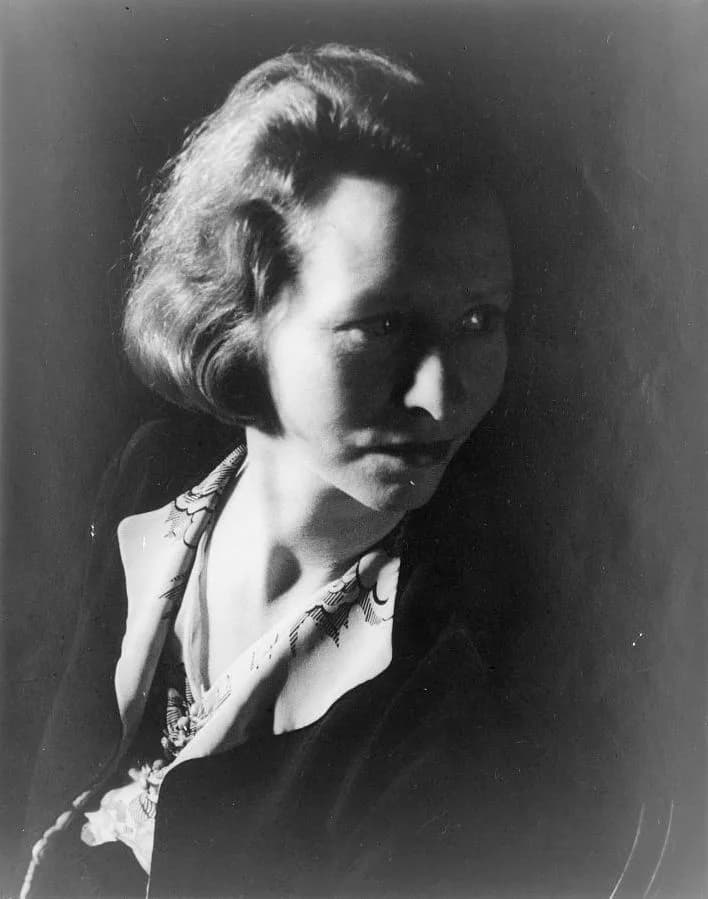
Edna St. Vincent Millay (1892–1950) was United States best known for American poet.
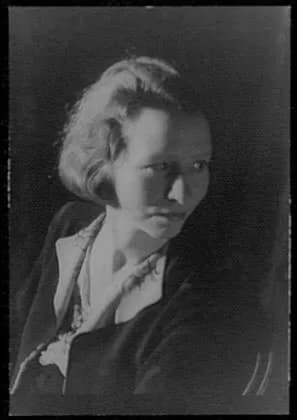
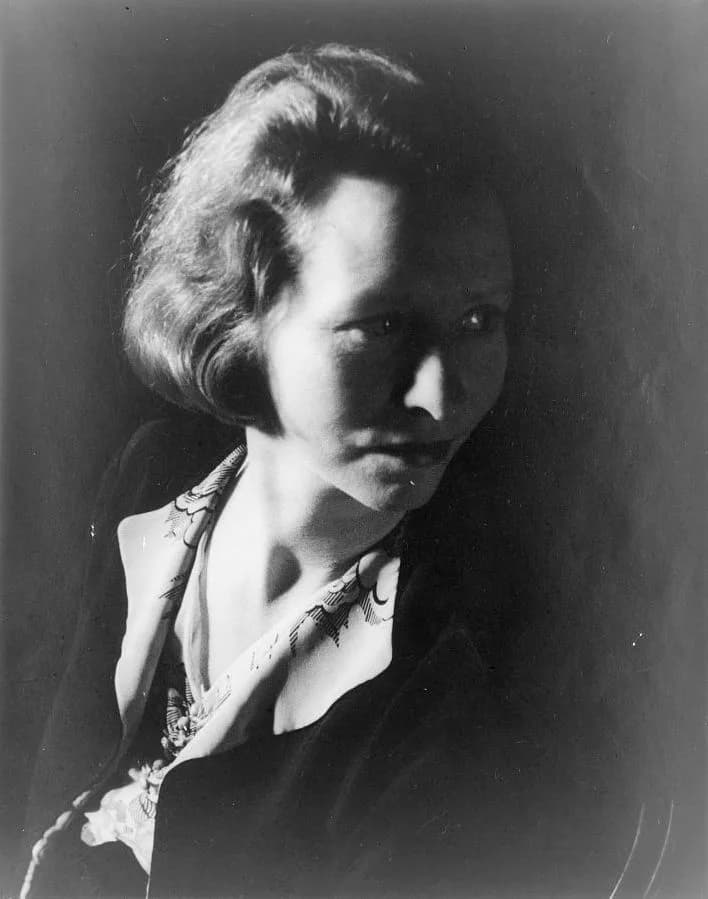
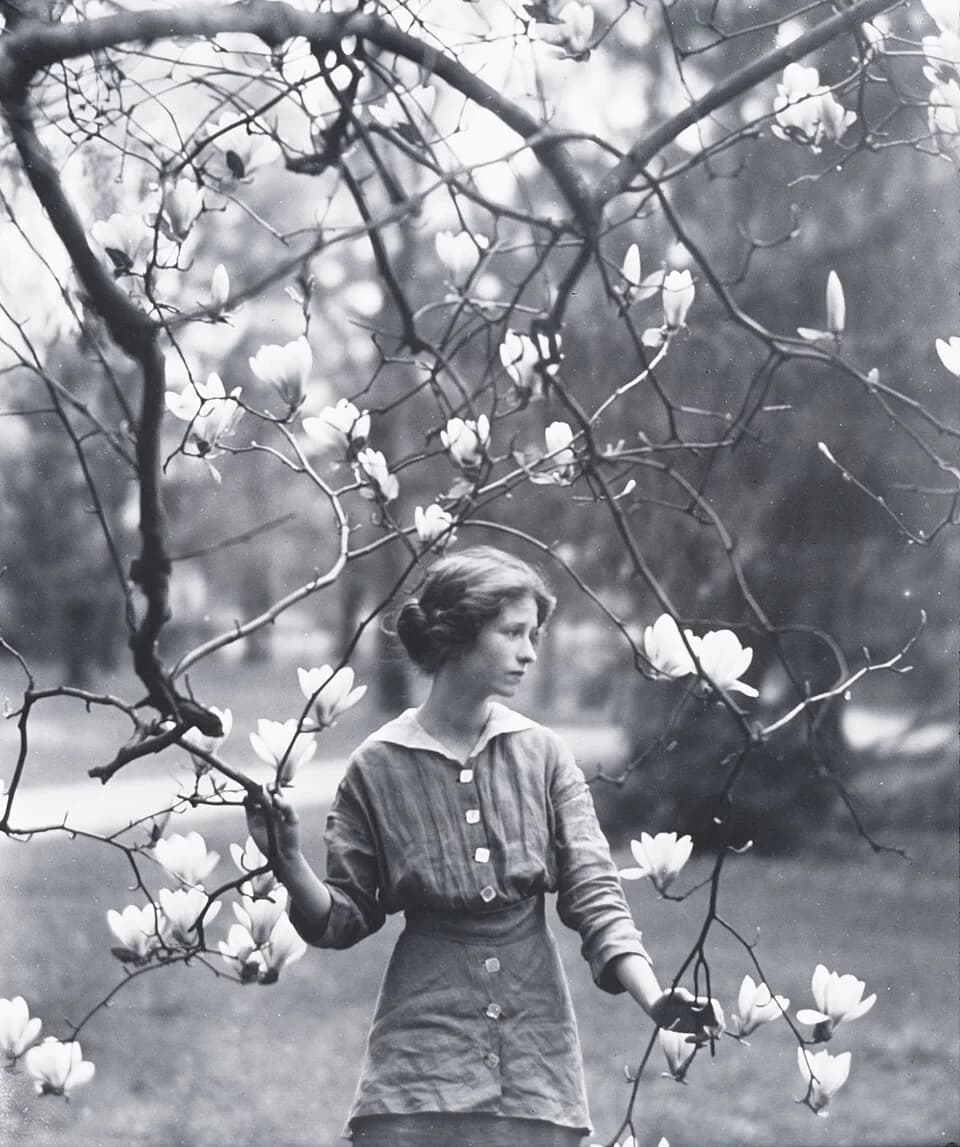
Edna St. Vincent Millay (February 22, 1892 – October 19, 1950) was an American lyrical poet and playwright from Rockland, United States. She was the first woman to win the Pulitzer Prize for Poetry and a noted feminist voice in the Roaring Twenties, exploring taboo topics with candid verse. Her work often championed independence and passionate living.
Chapter
Life chapters
Chapter 1· Chapter 1 of 3
The Rebellious Poet at Vassar
Vassar, however, was a challenge. Millay, accustomed to a liberal home life where smoking, drinking, and flirting were commonplace, found the college's strictures stifling. She called it a "hell-hole." Despite her rebellious spirit and frequent reprimands, her talent was such that faculty often overlooked her transgressions. She even formed several romantic relationships with women during her time there, including Edith Wynne Matthison, who would later find fame in silent films.
By her senior year, faculty voted to suspend her indefinitely. Yet, a petition from her peers allowed her to graduate in 1917, testament to the respect and affection she commanded among her fellow students.
Chapter 2· Chapter 2 of 3
A Bohemian Voice in Greenwich Village
After Vassar, Millay found her true home in Greenwich Village, then a vibrant bohemian haven in New York City. She embraced its artistic energy, living in places like 75½ Bedford Street, known as the narrowest house in the city. Here, she forged relationships with both men and women, including critic Edmund Wilson and writer Floyd Dell, both of whom proposed marriage to her.
Millay used her poetry as a platform for feminist activism, candidly exploring topics considered taboo. Her 1920 collection, A Few Figs From Thistles, sparked controversy for its bold exploration of female sexuality. To support herself, she wrote short stories for Ainslee's Magazine under the pseudonym Nancy Boyd, carefully separating her commercial work from her serious poetry. In 1923, she helped found the Cherry Lane Theatre, dedicated to staging experimental drama.
Her fame was cemented when she won the Pulitzer Prize for Poetry in 1923 for The Ballad of the Harp-Weaver, making her the first woman to receive the award. Soon after, she married Eugen Jan Boissevain, a self-proclaimed feminist who wholeheartedly supported her career and managed their domestic life. They enjoyed an open marriage, both taking other lovers, with Millay's relationship with the younger poet George Dillon inspiring the sonnets in her 1931 collection, Fatal Interview.
Chapter 3 · 1927· Chapter 3 of 3
Activism and Endurance
In 1927, Millay joined other writers protesting the executions of Nicola Sacco and Bartolomeo Vanzetti. She even met with the governor of Massachusetts to plead for a retrial, but her efforts failed. This politicized her deeply, informing later works like her poem Justice Denied In Massachusetts.
Life also brought hardship. In 1936, a fire at a Florida hotel destroyed all copies of her long verse poem, Conversation at Midnight, along with a rare collection of Catullus. Undeterred, she rewrote Conversation at Midnight from memory, releasing it the following year. That same summer, a severe car accident left her with spinal nerve damage, resulting in constant pain and a lifelong need for morphine.
Despite her suffering, the rise of fascism compelled her to abandon her earlier pacifism. During World War II, she became an ardent supporter of the Allied cause, working with the Writers' War Board to create propaganda poetry. Her poem, Murder of Lidice, mourned the destruction of a Czech village by Nazi forces, a stark and public declaration of her conviction: "The whole world holds in its arms today / The murdered village of Lidice, / Like the murdered body of a little child." She continued to write and advocate, her voice echoing with fierce independence until her death in 1950, just before her 59th birthday.
A life in moments
The moments that shaped a life
FAQ
Frequently asked
When did Edna St. Vincent Millay die?
Edna St. Vincent Millay died on October 19, 1950 in Austerlitz, United States, at the age of 58.
Where was Edna St. Vincent Millay born?
Edna St. Vincent Millay was born in Rockland, United States on February 22, 1892.
What is Edna St. Vincent Millay best known for?
Edna St. Vincent Millay is best known for American poet.
How old was Edna St. Vincent Millay when they died?
Edna St. Vincent Millay was 58 years old at the time of death.
What nationality was Edna St. Vincent Millay?
Edna St. Vincent Millay was from United States.
Timeline
Life at a glance
Photo gallery
A life in pictures
Click any polaroid to expand · 24 photos
QR Code
Share This Biography
Print & Share
Scan to visit this biography page. Print for events, exhibitions, or educational materials.