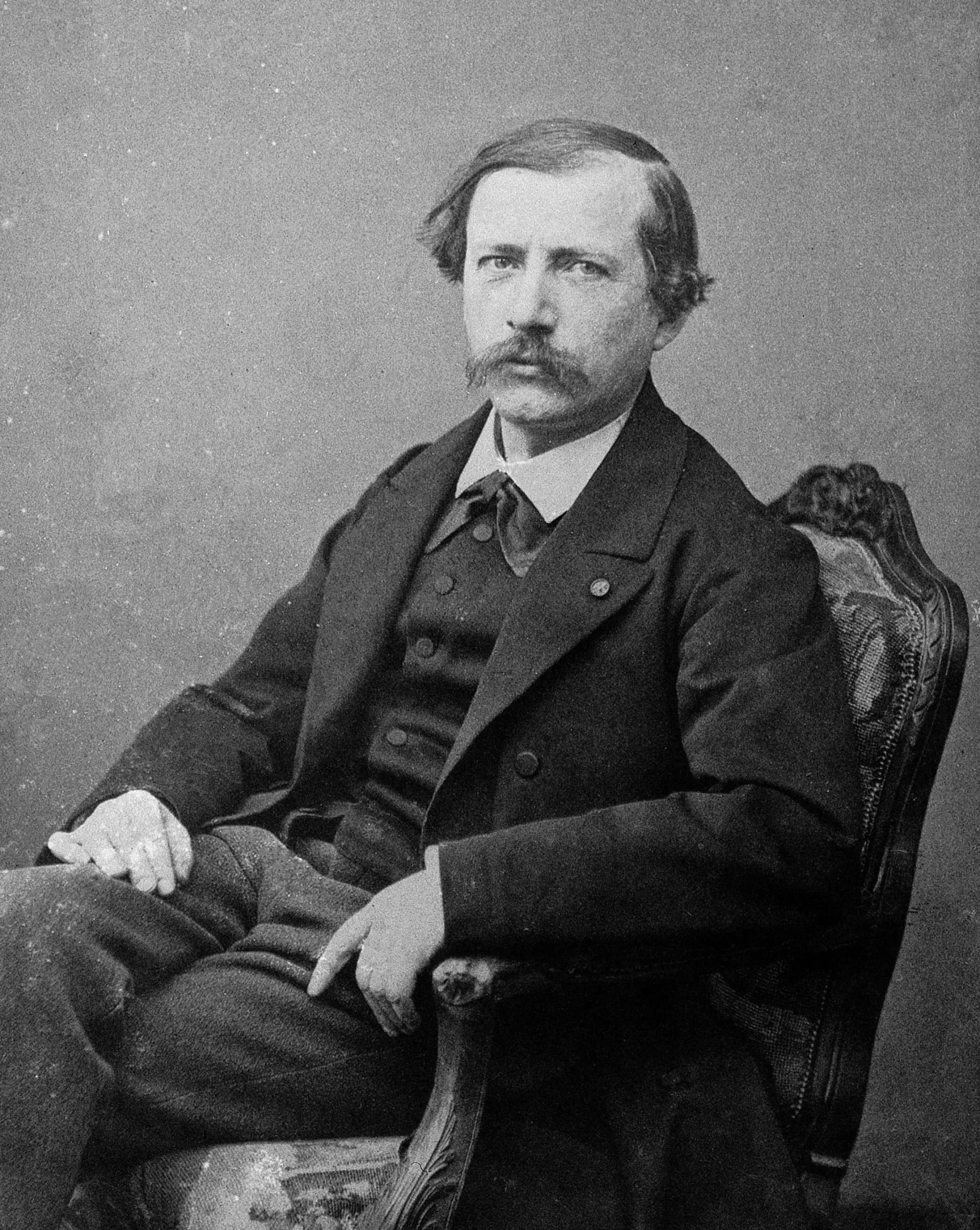
Born
August 5, 1827
Marechal Deodoro, Brazil
Died
August 23, 1892
Barra Mansa, Brazil
Known for
President of Brazil
Deodoro da Fonseca (1827–1892) was Brazil best known for President of Brazil.
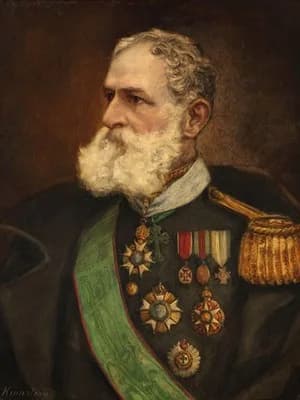
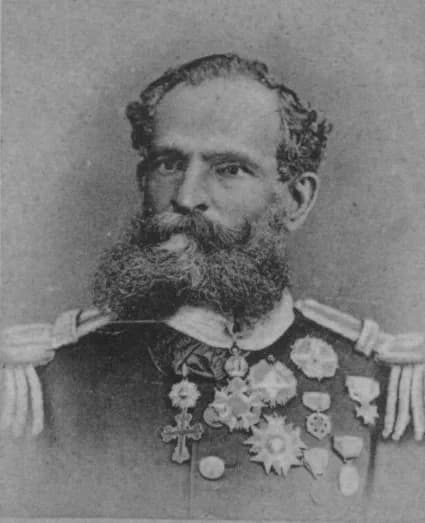
Manuel Deodoro da Fonseca (August 5, 1827 – August 23, 1892) was a Brazilian military personnel and politician. He led the military coup that established the First Brazilian Republic and became its first president. His actions brought an end to the Empire of Brazil.
A life in moments
The moments that shaped a life
![Deodoro da Fonseca - Generalíssimo Manuel Deodoro da Fonseca, Valle, [18?]. Fundação Biblioteca Nacional. Divisão de Iconografia.](/_next/image?url=https%3A%2F%2Fcdn.whowasthisguy.com%2Fgallery_wikimedia_commons_1779974682579_1_77dd385da0.webp&w=1920&q=75)
Chapter
Life chapters
Chapter 1 · 1889· Chapter 1 of 3
Major Achievements and Career Highlights
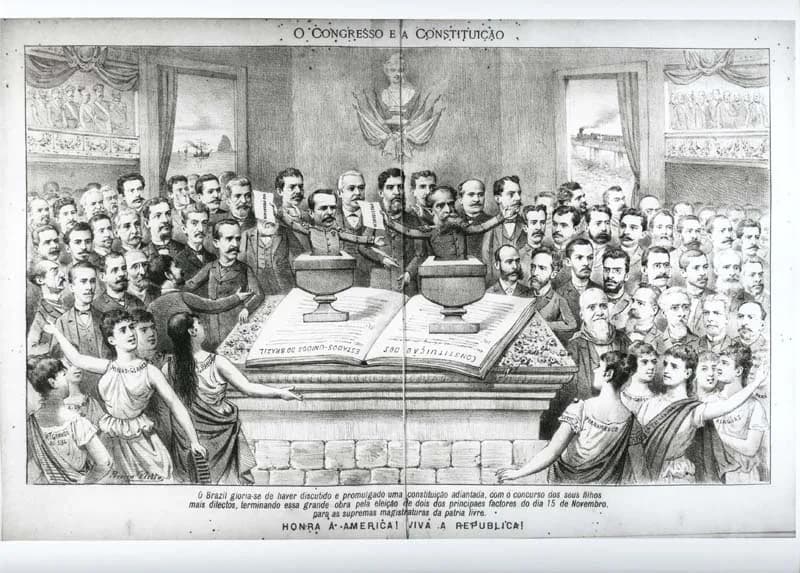
Fonseca's most defining achievement occurred in 1889 when he led a military coup that successfully deposed Emperor Pedro II. This decisive action led to the disestablishment of the Empire of Brazil and the declaration of the First Brazilian Republic. He then assumed office as the head of the provisional government, a role that solidified his place as the architect of the new republic.
Following this transitional period, Manuel Deodoro da Fonseca was elected as the first President of Brazil, marking a monumental shift in the nation's governance and political identity. His leadership in establishing the republic and becoming its initial head of state stands as a monumental moment in Brazilian history. This period was characterized by the fundamental changes in government structure and national identity.
Chapter 2 · 1891· Chapter 2 of 3
Later Years
After his election as president in 1891, Fonseca faced considerable political pressure and challenges. His decision to dissolve the National Congress sparked significant controversy and public discontent. Under the weight of this opposition and the evolving political landscape, he stepped down from the presidency in the very same year, less than a year after his election.
Manuel Deodoro da Fonseca passed away on August 23, 1892, in Barra Mansa, Brazil, a short period after his resignation from the highest office. His final years were marked by a retreat from the immediate political spotlight, following his impactful but brief tenure as president.
Chapter 3 · 1889· Chapter 3 of 3
Legacy and Impact
The legacy of Manuel Deodoro da Fonseca is intrinsically linked to the birth of republicanism in Brazil. His leadership of the 1889 coup d'état permanently altered the nation's political structure, moving it from an empire to a republic. As the first president, he laid the foundational stones for Brazil's republican institutions, even though his presidency was brief and ended amidst political turmoil.
Fonseca is remembered for his critical role in a defining moment of Brazilian history, transforming the nation's identity and setting a new course for its future. His actions as a military officer and politician fundamentally reshaped the governance of Brazil, leaving an enduring mark on its historical narrative.
FAQ
Frequently asked
When did Deodoro da Fonseca die?
Deodoro da Fonseca died on August 23, 1892 in Barra Mansa, Brazil, at the age of 65.
Where was Deodoro da Fonseca born?
Deodoro da Fonseca was born in Marechal Deodoro, Brazil on August 5, 1827.
What is Deodoro da Fonseca best known for?
Deodoro da Fonseca is best known for President of Brazil.
How old was Deodoro da Fonseca when they died?
Deodoro da Fonseca was 65 years old at the time of death.
What nationality was Deodoro da Fonseca?
Deodoro da Fonseca was from Brazil.
Timeline
Life at a glance
Photo gallery
A life in pictures
Click any polaroid to expand · 25 photos
QR Code
Share This Biography
Print & Share
Scan to visit this biography page. Print for events, exhibitions, or educational materials.