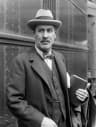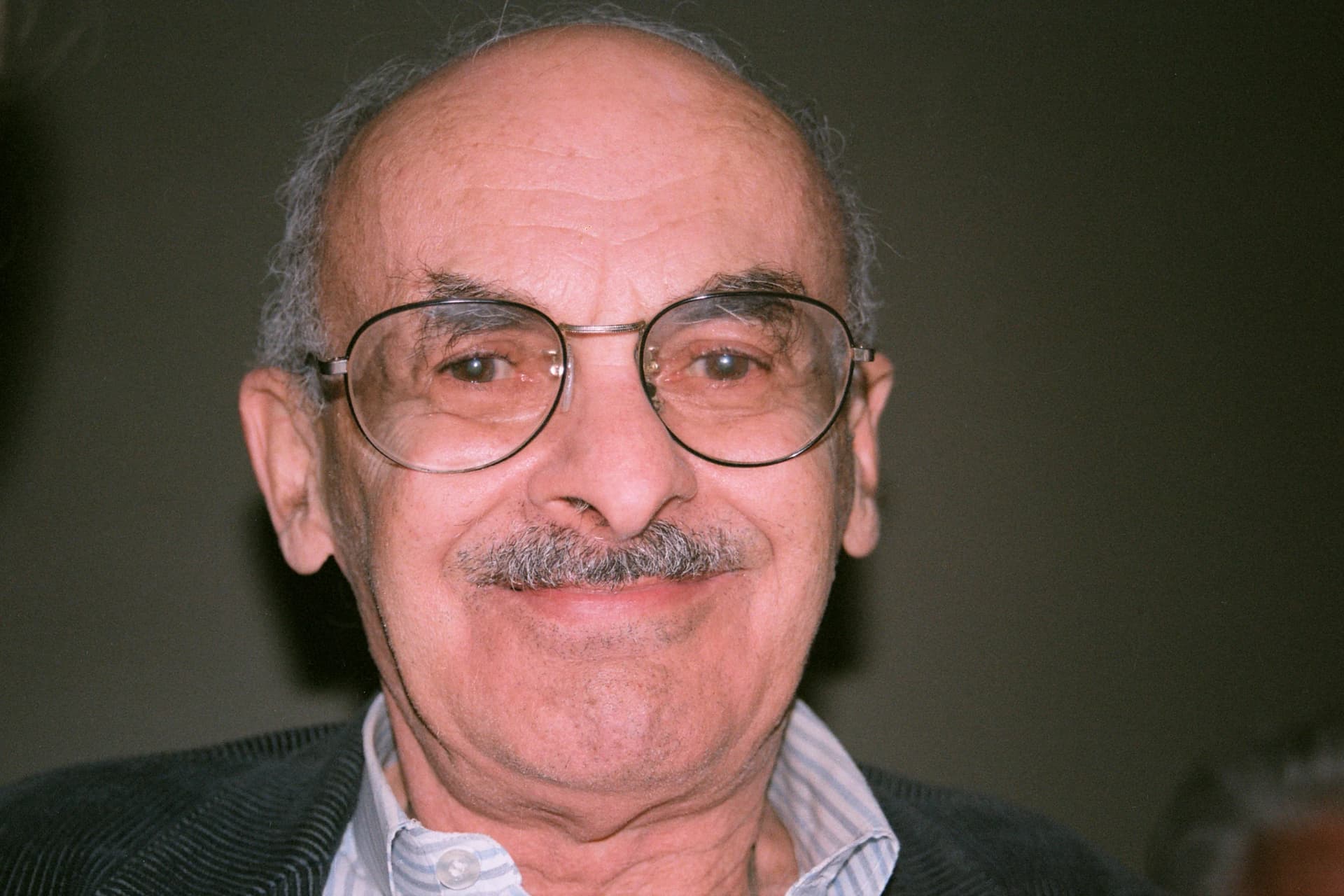
Born
May 9, 1924
Moscow, Duchy of Moscow
Died
June 12, 1997
Clamart, France
Known for
Soviet and Russian writer and singer
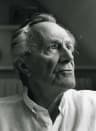
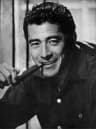
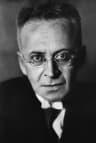
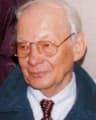
Bulat Okudzhava (1924–1997) was Duchy of Moscow best known for Soviet and Russian writer and singer.
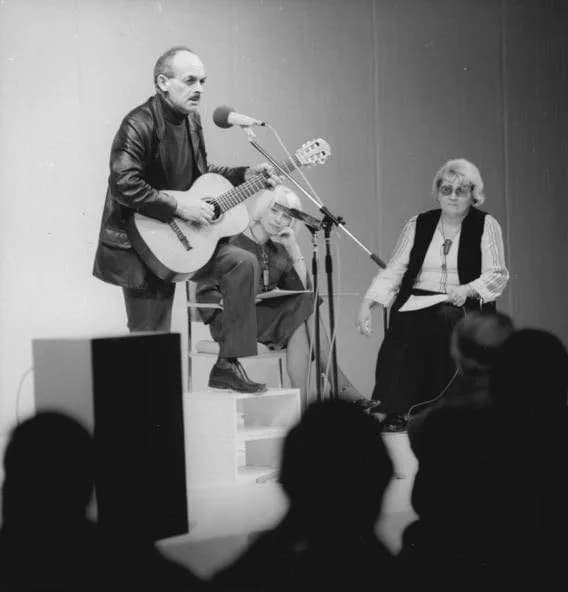
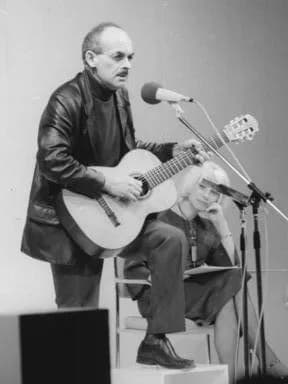
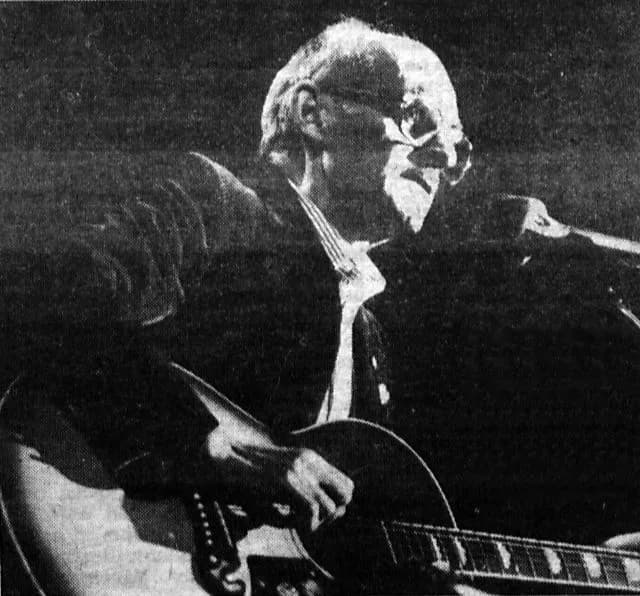
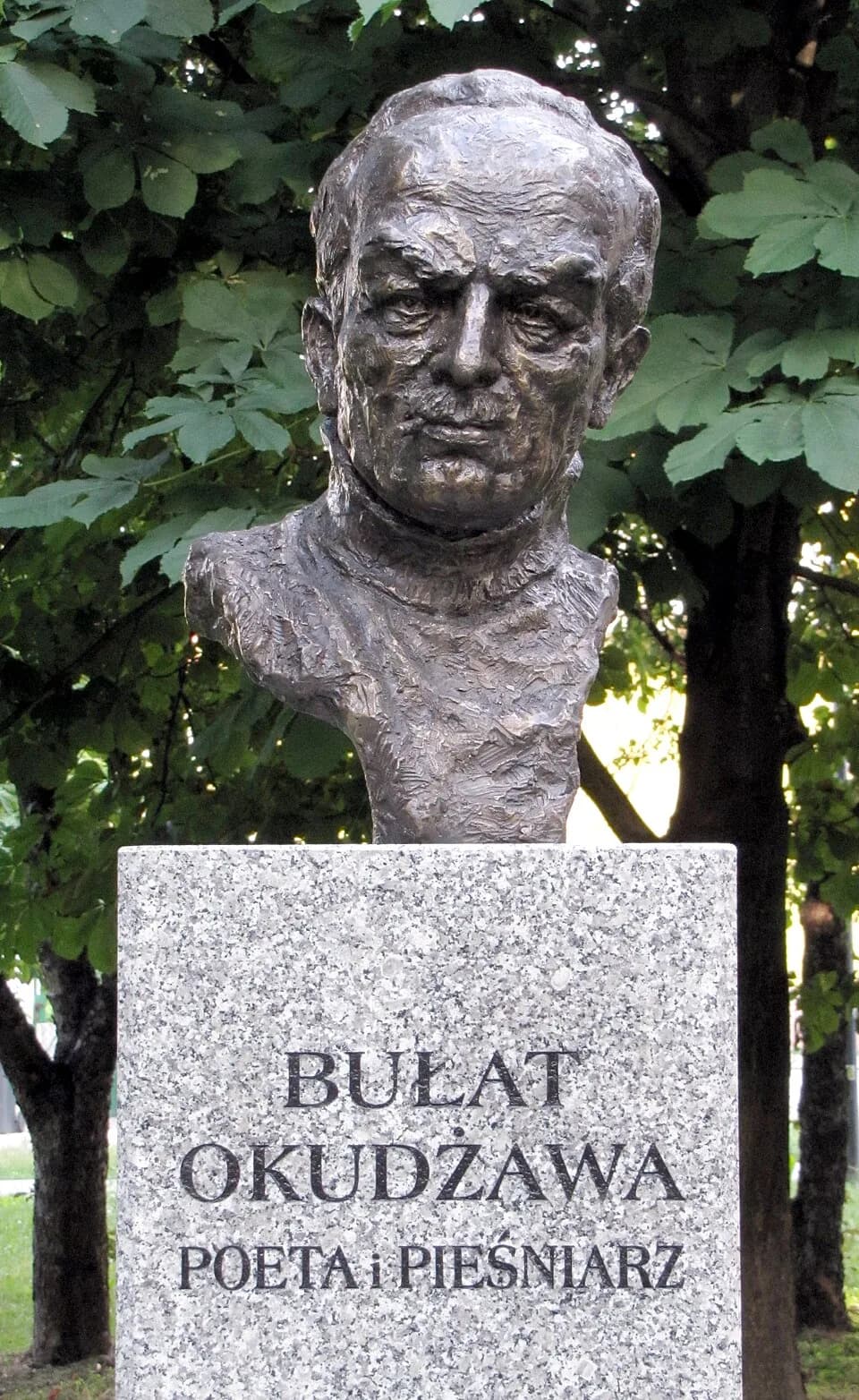
Bulat Shalvovich Okudzhava (May 9, 1924 – June 12, 1997) was a Soviet and Russian writer and singer, known for founding the "author song" genre. He penned about 200 songs, blending Russian poetic and folk traditions with French chansonnier style. His artistic independence left a lasting mark on music and literature.
Chapter
Life chapters
Chapter 1 · 1924· Chapter 1 of 6
Early Life and Creative Roots
Born on May 9, 1924, in the historic city of Moscow, then part of the Duchy of Moscow, Bulat Okudzhava carried a rich heritage of Georgian-Armenian ancestry. This diverse background likely contributed to the distinctive depth and perspective found within his creative output. His early life in Moscow laid the foundation for his future artistic endeavors, shaping his understanding of Russian culture and poetic traditions.
Chapter 3· Chapter 3 of 6
A Versatile Artist's Accomplishments
Bulat Okudzhava's career was characterized by remarkable versatility, extending far beyond his fame as a singer-songwriter. He was also a celebrated poet, writer, and novelist, crafting narratives and verses that explored the human condition with sensitivity and insight. His work spanned various forms, showcasing a profound dedication to the written word.
Beyond his literary and musical pursuits, Okudzhava also engaged with the performing arts as an actor and screenwriter. He contributed as a composer, lyricist, guitarist, prose writer, philologist, and short story writer, reflecting a truly expansive creative intellect. Though his songs were never explicitly political, their artistic independence subtly challenged Soviet cultural norms for many years, delaying official recognition of his significant contributions.
Chapter 4· Chapter 4 of 6
Literary Contributions and Published Works
Okudzhava's literary contributions were substantial, encompassing a wide range of poems, ballads, and prose works. Among his notable written pieces are collections such as "Wiersze i ballady" and "Przejezdny muzyk," which showcased his distinctive poetic voice. His novelistic work included "Bednyĭ Avrosimov," further demonstrating his narrative prowess.
His bibliography also features titles like "Nad Terekom," "Ostrova," and the introspective "I︠A︡ nikomu nichego ne navi︠a︡zyval--," revealing his philosophical depth. Other significant works include "Veselyi barabanshchik," "Mart velikodushnyĭ," "Vashe blagorodie, gospozha udacha," and the evocative "Arbat, moi arbat," which often reflected on Moscow and his personal experiences.
Chapter 5 · 1972· Chapter 5 of 6
A Rich Discography and Film Presence
Okudzhava’s discography is extensive, capturing his unique sound and poetic lyrics for generations to come. Early recordings like "Boulat Okoudjava" (1972) and "Песни = Songs" (1974) introduced his distinctive style to a wider audience. He continued to release celebrated albums such as "Неизданные Песни Русских Бардов" (1975) and "Песни (Стихи И Музыка)" (1976), consolidating his status as a leading voice in author song.
His international appeal was evident in recordings like "Okuđava U Zagrebu" (1979) and "Live 1995 Czech Republic," showcasing his global reach. Later albums such as "Булат Окуджава: Песни и стихи о войне" (1985) and "Булат Окуджава: Новые песни" (1986) continued to enrich his musical legacy, alongside "Lieder II" (1988). Additionally, Okudzhava left his mark on cinema, contributing to films like "Zhenya, Zhenechka and Katyusha" (1967), "The Captivating Star of Happiness" (1977), and "Guard Me, My Talisman" (1986). A film titled "Bulat Okudzhava - Eternal Song" also pays homage to his lasting artistic contribution.
Chapter 6 · 1997· Chapter 6 of 6
Later Years and Enduring Influence
Bulat Okudzhava passed away on June 12, 1997, in Clamart, France, leaving behind an artistic heritage that remains vibrant and influential. His final years saw his work gain wider acceptance and appreciation, moving beyond the initial hesitations of cultural authorities. He continued to perform and compose, solidifying his position as a cherished figure in Russian arts.
His innovative "author song" genre transformed Russian music, inspiring countless subsequent artists to embrace personal storytelling and lyrical depth. Okudzhava's independent artistic voice and unique blend of traditions have left an enduring mark on literature and music. He is remembered for his quiet strength, poetic integrity, and the timeless melodies that continue to resonate with listeners worldwide.
A life in moments
The moments that shaped a life
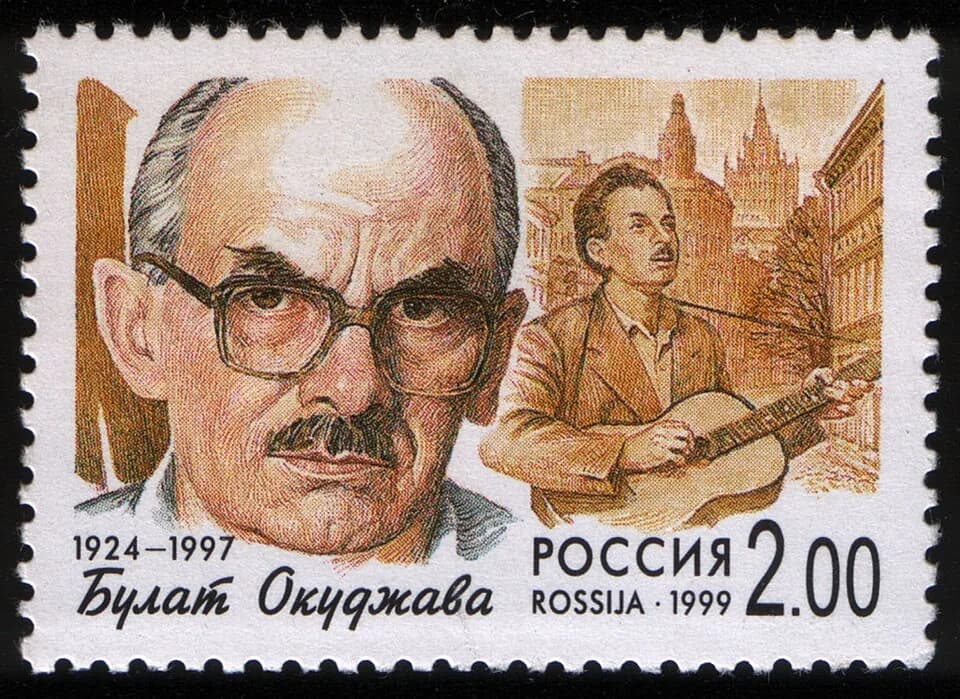
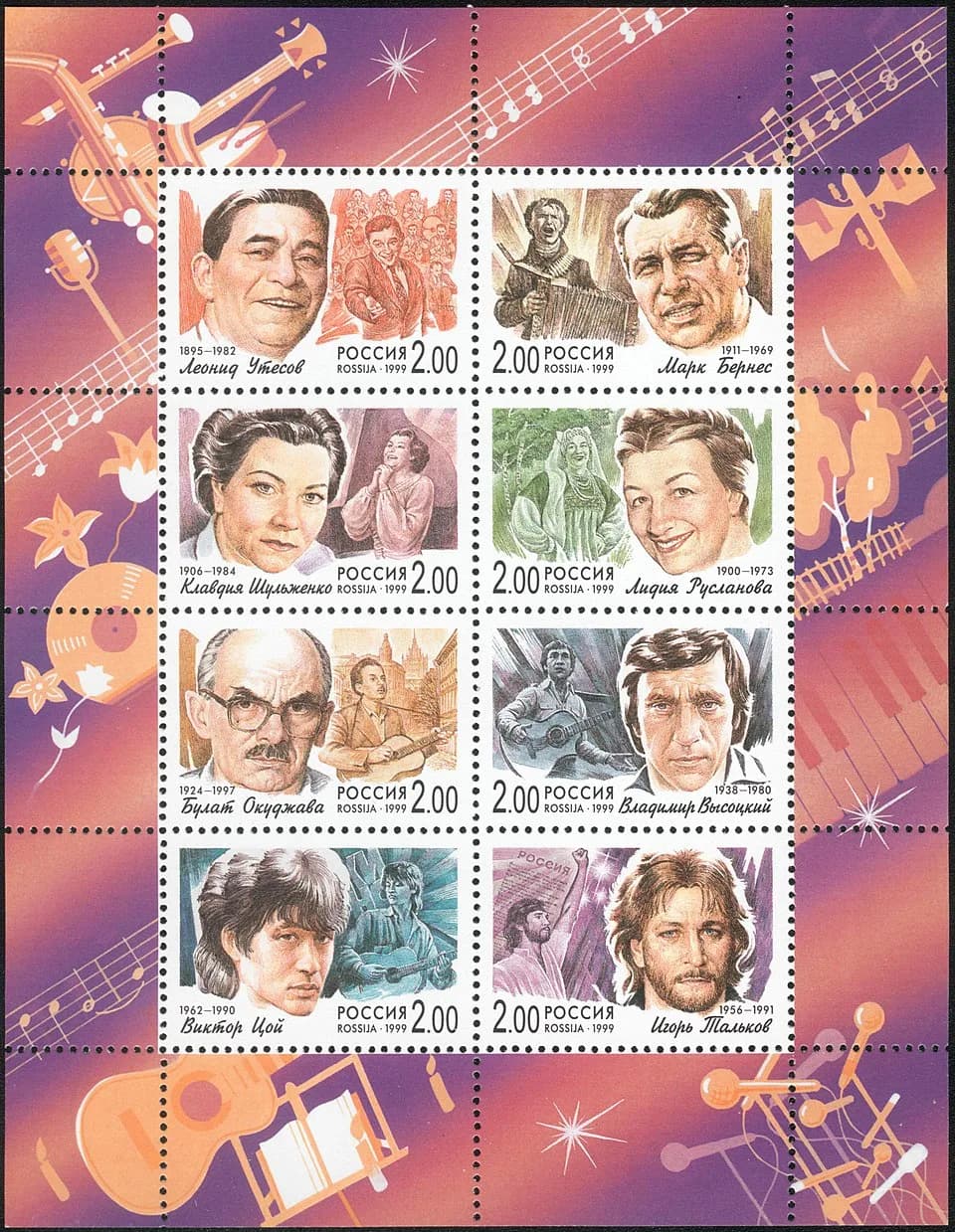
FAQ
Frequently asked
When did Bulat Okudzhava die?
Bulat Okudzhava died on June 12, 1997 in Clamart, France, at the age of 73.
Where was Bulat Okudzhava born?
Bulat Okudzhava was born in Moscow, Duchy of Moscow on May 9, 1924.
What is Bulat Okudzhava best known for?
Bulat Okudzhava is best known for Soviet and Russian writer and singer.
How old was Bulat Okudzhava when they died?
Bulat Okudzhava was 73 years old at the time of death.
What nationality was Bulat Okudzhava?
Bulat Okudzhava was from Duchy of Moscow.
Timeline
Life at a glance
Photo gallery
A life in pictures
Click any polaroid to expand · 20 photos
QR Code
Share This Biography
Print & Share
Scan to visit this biography page. Print for events, exhibitions, or educational materials.