Born
September 23, 1917
Kolkata, India
Died
November 22, 2006
Kolkata, India
Known for
Indian chemist
Asima Chatterjee (1917–2006) was India best known for Indian chemist.
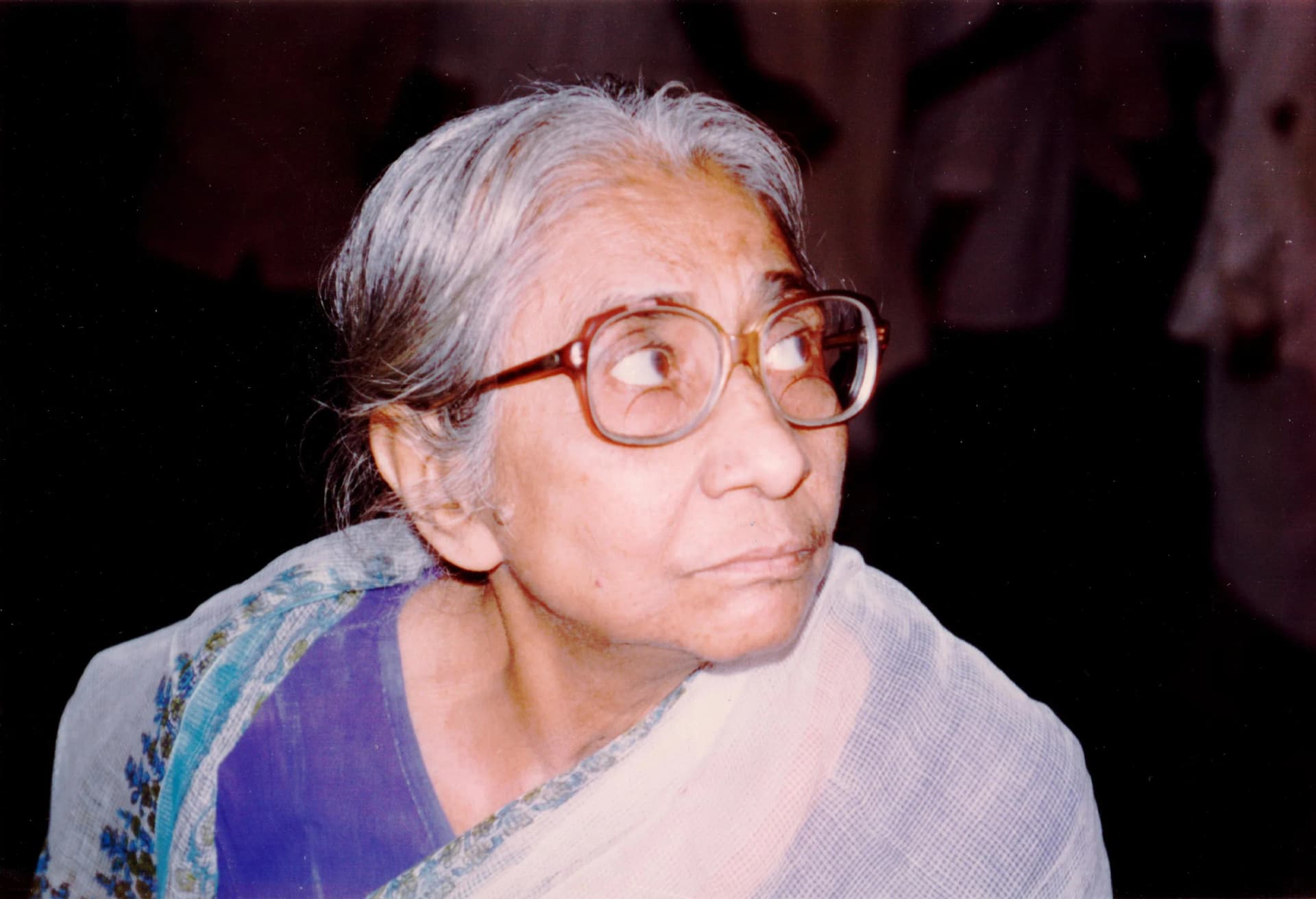
Asima Chatterjee (September 23, 1917 – November 22, 2006) was an Indian chemist from Kolkata. She was known for her work in organic chemistry, especially vinca alkaloids, and developing anti-epileptic and anti-malarial drugs. Chatterjee also authored significant works on medicinal plants.
Chapter
Life chapters
Chapter 1 · 1917· Chapter 1 of 8
Opening
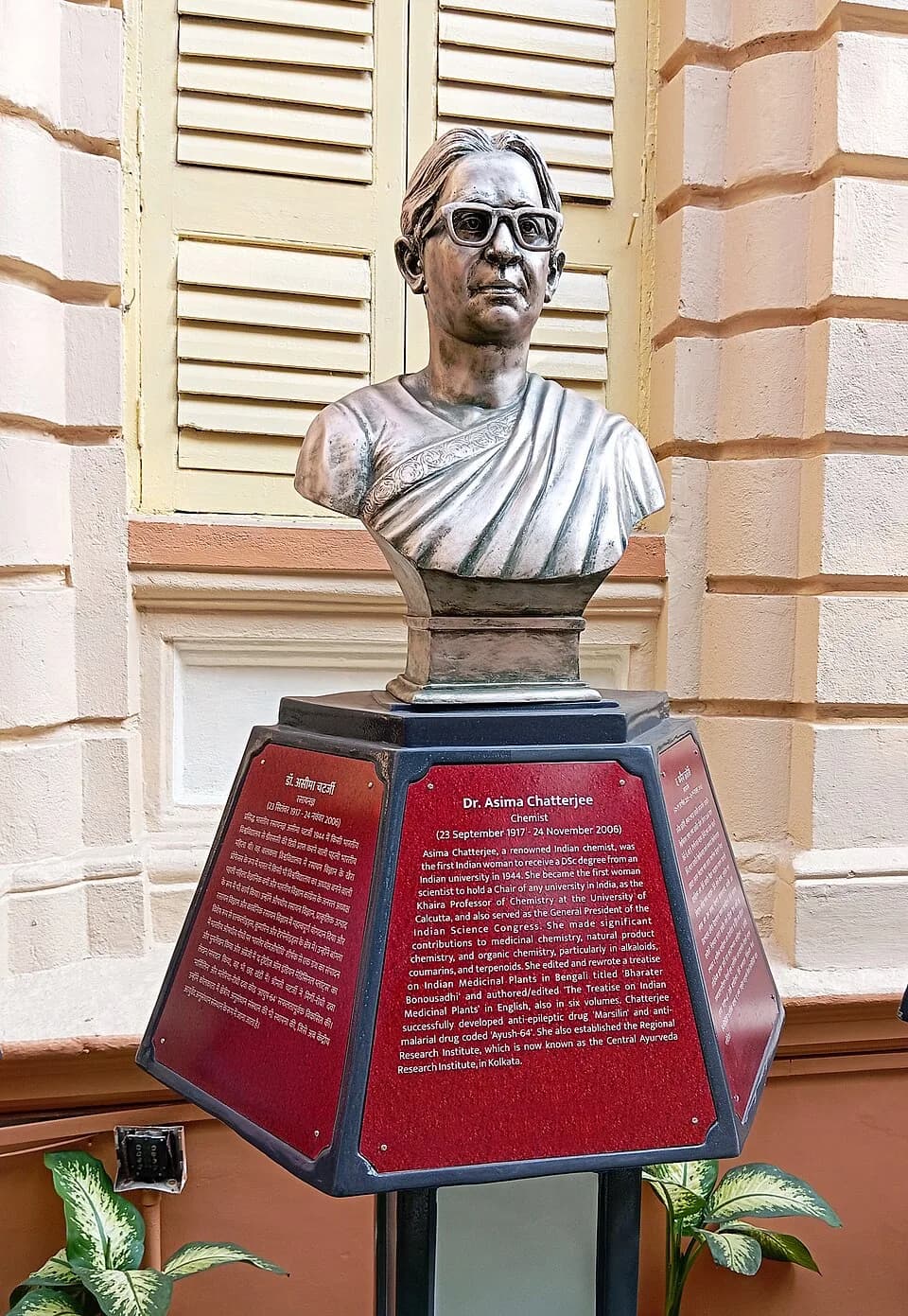
Asima Chatterjee (1917–2006) was a pioneering Indian chemist, university teacher, writer, and botanist. Her contributions to organic chemistry and phytomedicine, particularly her work on vinca alkaloids and the development of anti-epileptic and anti-malarial drugs, established her as a significant scientific figure in India and beyond. She was also celebrated as the first woman to earn a Doctorate of Science from an Indian university, paving the way for future generations of female scientists.
Chapter 2 · 1917· Chapter 2 of 8
Early Life and Origins
Born on September 23, 1917, in Kolkata, India, Asima Chatterjee began her journey in a vibrant intellectual environment. Kolkata, a city known for its culture and education, offered fertile ground for her early intellectual development. While specific details about her family life or upbringing are not extensively documented, her later academic achievements speak to a strong foundational period.
Chapter 3· Chapter 3 of 8
Career Beginnings
Asima Chatterjee embarked on her scientific career with a keen interest in chemistry, ultimately specializing in organic chemistry. Her early academic pursuits led to a significant milestone when she became the first woman to receive a Doctorate of Science from an Indian university. This accomplishment not only marked a personal success but also broke barriers for women in science across the nation.
Chapter 4· Chapter 4 of 8
Major Achievements and Career Highlights
Dr. Chatterjee's career was distinguished by numerous scientific breakthroughs and important contributions to medicinal chemistry. She became widely known for her extensive research on vinca alkaloids, a class of natural products with therapeutic applications. Her efforts also led to the successful development of anti-epileptic drugs, offering new hope for patients suffering from neurological disorders. Furthermore, her team played a crucial role in developing anti-malarial drugs, addressing a persistent health challenge.
Chapter 5· Chapter 5 of 8
Notable Works or Contributions
Beyond her laboratory work, Asima Chatterjee was a prolific writer and scholar, documenting her vast knowledge of medicinal plants and chemical research. She authored a considerable volume of work focused on the medicinal plants of the Indian subcontinent, sharing her expertise. Among her contributions are "The modern Bengali dictionary for non-Bengali readers" and "The Treatise on Indian medicinal plants," both reflecting her commitment to education and scientific dissemination. Other works like "Karuṇā tomāẏa Kuntī," "Science and technology in India, present and future," and "Svanāme durjana Duryodhana" showcased her diverse intellectual interests.
Chapter 6 · 1977· Chapter 6 of 8
Academic Publications
Her scholarly output included 11 published papers, demonstrating a focused approach to scientific inquiry. Her h-index of 4 signifies the influence of her academic contributions within her field. Several of her key research papers made significant contributions to the understanding of natural compounds. For instance, "Alstonia scholaris: Struktur des Indolalkaloides Narelin" (1977) garnered 40 citations, highlighting its impact in the scientific community.
Other important works included "Die Struktur des Bisindolalkaloides Amatain ( = Grandifolin, Subsessilin)" (1977) with 9 citations. Earlier publications like "Die Chemie des Ferulins, des Grundlactons der indischen Arzneipflanze Ferula alliacea Boiss" (1962) received 5 citations, and "Anwendung der Massenspektrometrie zur Strukturaufklärung von Alkaloiden. 4. Mitt.: Zur Struktur des Rhazidins" (1964) received 4 citations. Another notable paper, "Synthese von 2α-Methoxycarbonyl-A-nor-lupan" (1968), also received 4 citations, showcasing her consistent scientific productivity.
Chapter 7· Chapter 7 of 8
Later Years
Asima Chatterjee continued her dedicated work throughout her life, mentoring future scientists and contributing to the academic community. Her passion for scientific discovery and education remained undiminished as her career progressed. She remained active in her professional roles as a chemist, university teacher, and botanist, continually shaping the scientific discourse in India.
Chapter 8 · 2006· Chapter 8 of 8
Legacy and Impact
Asima Chatterjee passed away on November 22, 2006, in Kolkata, India, leaving behind a significant scientific legacy. Her pioneering research in organic chemistry and phytomedicine, particularly her efforts in developing anti-epileptic and anti-malarial drugs, continues to benefit humanity. As the first woman to earn a Doctorate of Science from an Indian university, she inspired countless women to pursue scientific careers, altering the landscape of Indian academia. Her extensive writings on medicinal plants also preserved and disseminated crucial traditional knowledge, linking modern science with ancient wisdom.
A life in moments
The moments that shaped a life




FAQ
Frequently asked
When did Asima Chatterjee die?
Asima Chatterjee died on November 22, 2006 in Kolkata, India, at the age of 89.
Where was Asima Chatterjee born?
Asima Chatterjee was born in Kolkata, India on September 23, 1917.
What is Asima Chatterjee best known for?
Asima Chatterjee is best known for Indian chemist.
How old was Asima Chatterjee when they died?
Asima Chatterjee was 89 years old at the time of death.
What nationality was Asima Chatterjee?
Asima Chatterjee was from India.
Timeline
Life at a glance
Photo gallery
A life in pictures
Click any polaroid to expand · 15 photos
QR Code
Share This Biography
Print & Share
Scan to visit this biography page. Print for events, exhibitions, or educational materials.