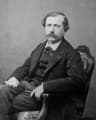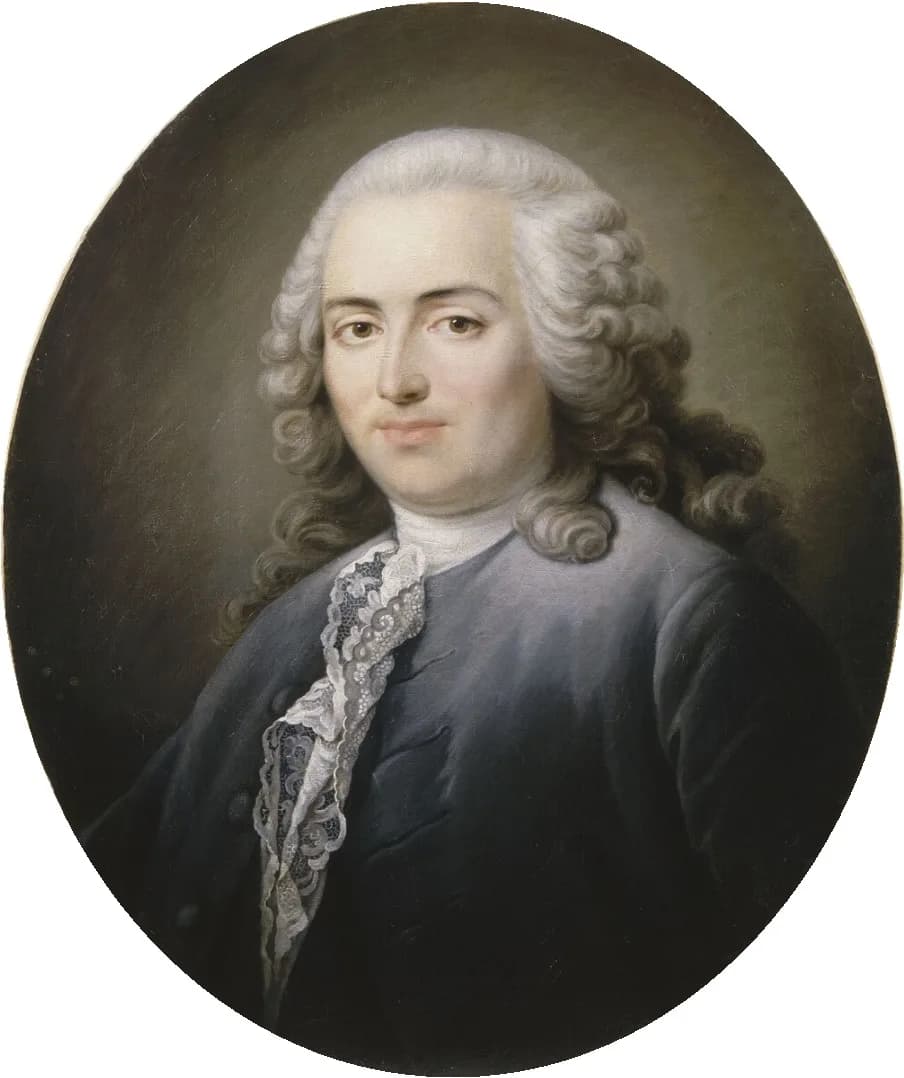
Born
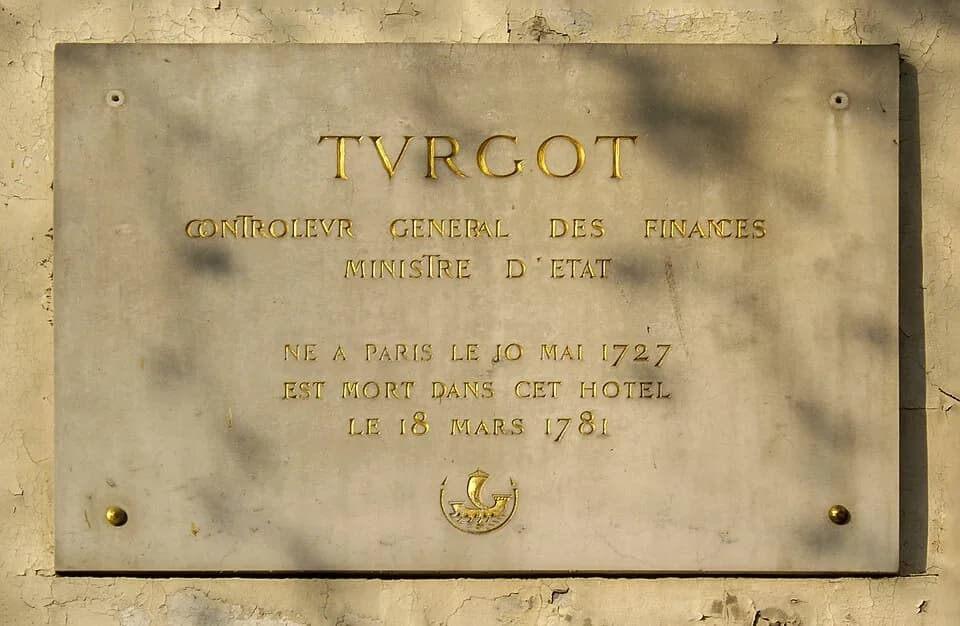
May 10, 1727
Paris, France
Died
March 18, 1781
Paris, France
Known for
French economist and statesman
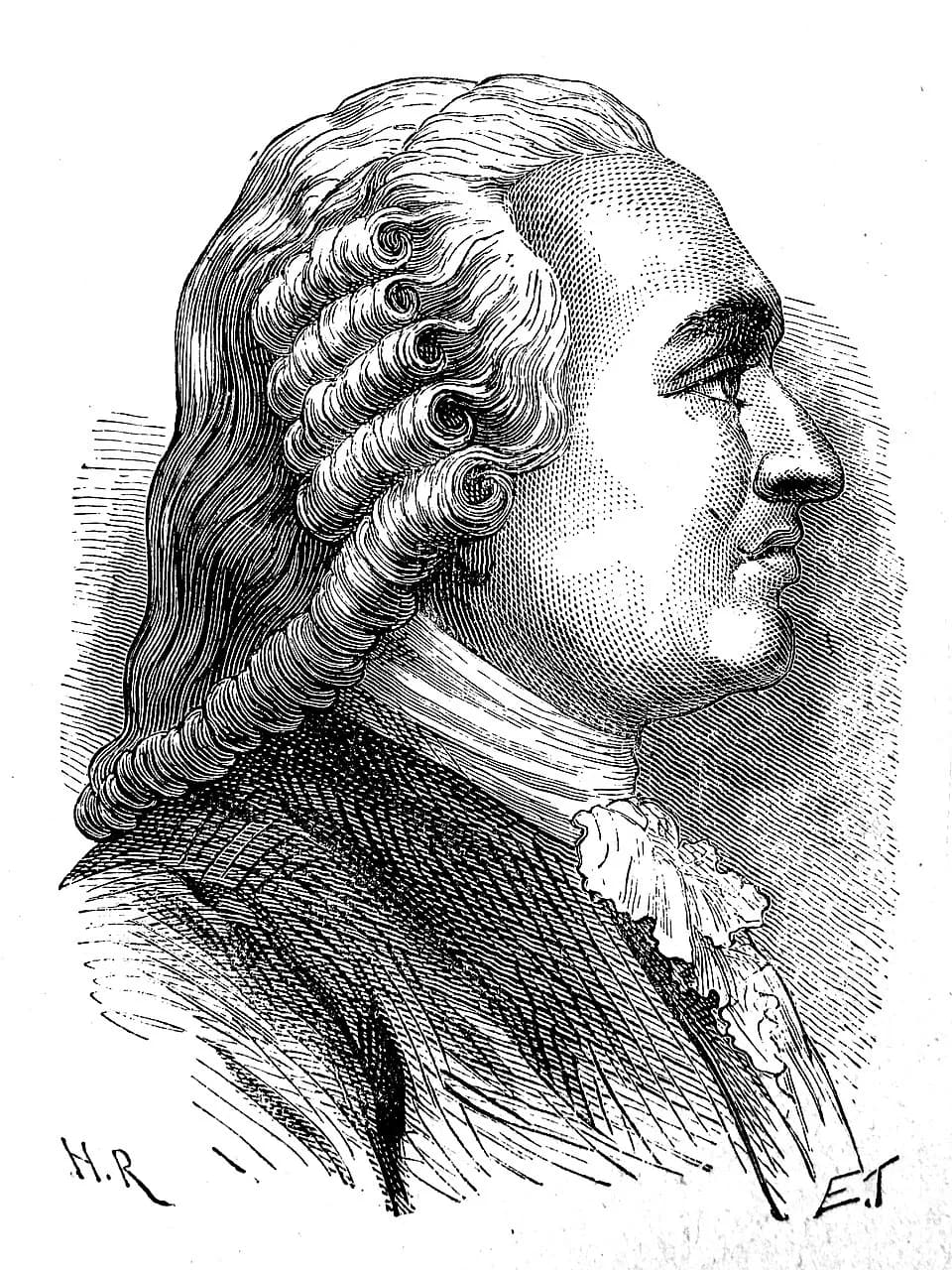
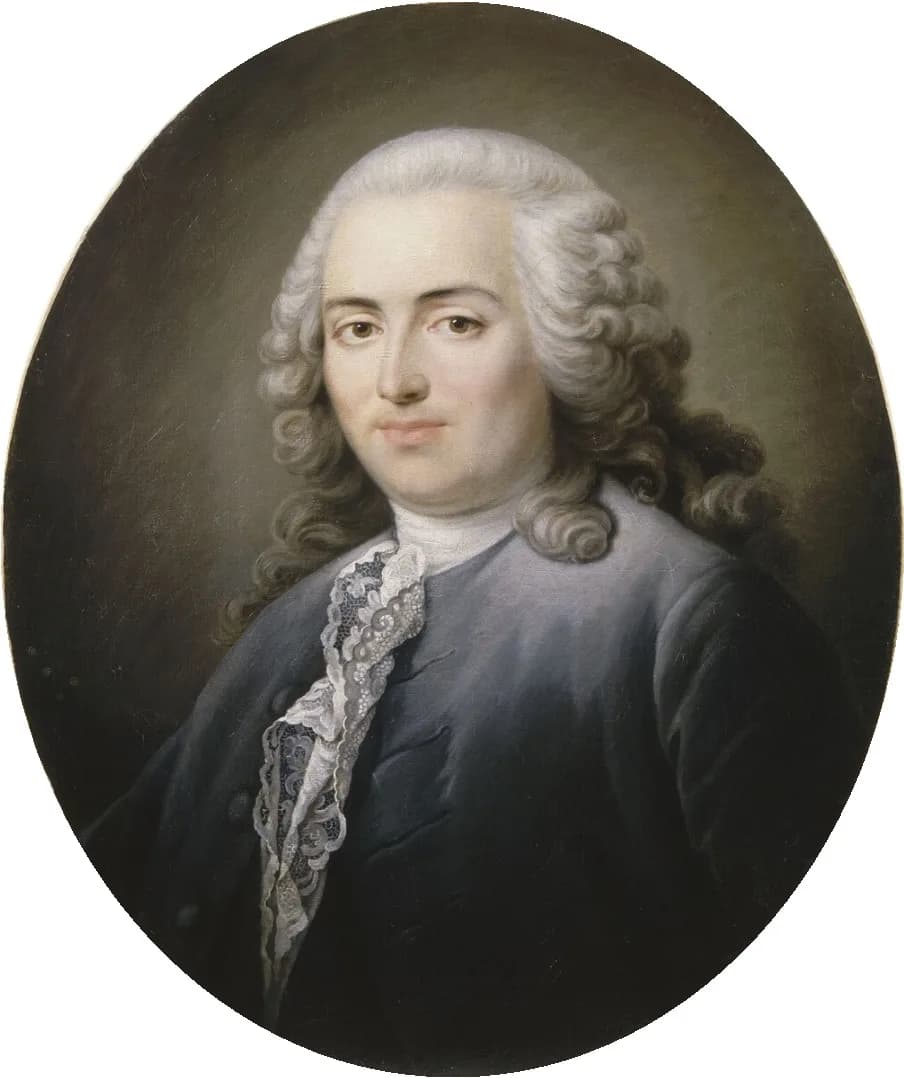
Anne Robert Jacques Turgot (1727–1781) was France best known for French economist and statesman.
Anne Robert Jacques Turgot (May 10, 1727 – March 18, 1781) was a French economist and statesman from Paris, France. He is best remembered as an early advocate for economic liberalism and for postulating the law of diminishing marginal returns in agriculture. His ideas continue to influence economic thought and policy.
Chapter
Life chapters
Chapter 1 · 1727· Chapter 1 of 7
Introduction: A Visionary Thinker of the Enlightenment
Anne Robert Jacques Turgot, Baron de l'Aulne (May 10, 1727 – March 18, 1781), stood as a towering figure among French economists and statesmen during a crucial period of intellectual and political change. His contributions as a writer, politician, and philosopher cemented his place as an early advocate for economic liberalism, shaping the foundations of modern economic thought. Turgot's life, dedicated to public service and intellectual inquiry, left an enduring mark on the concepts of wealth, distribution, and governance.
His intellectual curiosity extended across many disciplines, marking him as one of the prominent encyclopédistes of his era, alongside his roles as a translator and political economist. Turgot is widely recognized today for his pioneering ideas that challenged established economic paradigms, advocating for policies that promoted individual liberty and free markets. He remains an important figure for understanding the intellectual currents that preceded the French Revolution and the development of classical economics.
Chapter 2 · 1727· Chapter 2 of 7
Early Life and Origins in Paris
Born into a distinguished family on May 10, 1727, in the vibrant intellectual hub of Paris, France, Anne Robert Jacques Turgot was immersed in an environment ripe with philosophical discourse and emerging ideas. His upbringing in the French capital undoubtedly influenced his diverse intellectual pursuits and his later commitment to public service. Paris, during the mid-18th century, served as a crucible for the Enlightenment, fostering the very kind of critical thinking and reformist spirit that would define Turgot’s career.
While specific details of his early education are not extensively provided, his later accomplishments across multiple fields suggest a rigorous and broad intellectual training. His capacity to master complex subjects and engage with leading thinkers points to a formative period that prepared him for his eventual roles as an economist, statesman, and philosopher. This early foundation in Paris laid the groundwork for his future contributions to economic theory and public administration.
Chapter 3· Chapter 3 of 7
Diverse Career Beginnings and Intellectual Pursuits
Anne Robert Jacques Turgot embarked on a remarkably diverse professional path that reflected the breadth of his intellect and his engagement with the critical issues of his time. He was not confined to a single academic or political role, but rather excelled as a writer, politician, economist, translator, and philosopher. This range of professions indicates a mind deeply committed to both theoretical exploration and practical application of knowledge, particularly concerning societal well-being.
His early work likely involved his contributions as an encyclopédiste, collaborating on projects that aimed to disseminate knowledge and challenge traditional dogmas. This involvement placed him at the heart of the Enlightenment movement, where he contributed to shaping public discourse on science, philosophy, and governance. Turgot's initial endeavors established a foundation for his later, more prominent roles in French public life and economic policy.
Chapter 4· Chapter 4 of 7
Major Achievements and Contributions to Economic Thought
Turgot's career as a statesman and economist was marked by several significant achievements that solidified his place in history. As a French economist, he is today best remembered as an early and fervent advocate for economic liberalism, a philosophy that championed free trade, deregulation, and individual economic freedom. His policy recommendations sought to dismantle internal trade barriers and inefficient state controls that hindered economic growth in pre-Revolutionary France.
Beyond his general advocacy for liberalism, Turgot is also credited with a specific and original contribution to economic theory. He is thought to have been the first political economist to have postulated something akin to the law of diminishing marginal returns, particularly in the context of agriculture. This insight recognized that beyond a certain point, adding more units of a variable input, such as labor or fertilizer, to a fixed input, like land, would lead to progressively smaller increases in output. This concept became a fundamental principle in economic analysis.
Chapter 5· Chapter 5 of 7
Notable Works and Enduring Publications
Anne Robert Jacques Turgot's intellectual output was substantial, comprising several seminal works that continue to be studied for their clarity and foresight. Among his most celebrated writings is the `Réflexions Sur la Formation et la Distribution des Richesses` (Reflections on the Formation and the Distribution of Riches/Wealth), a foundational text in economic theory. This work, often cited (88 citations), systematically explored the origins of wealth and the mechanisms by which it is distributed throughout society, influencing subsequent generations of economists.
Another significant contribution was his `Eloge de Gournay` (Eloge de Vincent de Gournay), a tribute that also served to articulate many of his own economic principles, aligning them with the physiocratic school of thought. His `Lettre Sur le Papier-Monnaie` examined crucial aspects of monetary policy, reflecting his concern for stable economic systems. Turgot also published `Observations on the importance of the American Revolution`, demonstrating his engagement with international political developments and their economic implications.
His academic contributions are further evidenced by an h-index of 4 across 11 published papers. Key among these, beyond his `Réflexions sur la formation et la distribution des richesses`, are `Œuvres de Turgot et documents le concernant` (1972, 47 citations) which provides a comprehensive collection of his writings. The `Correspondance inédite de Condorcet et de Turgot, 1770-1779` (1970, 10 citations) offers invaluable insights into his intellectual exchanges, while `Sur l'origine du langage` (1971, 4 citations) showcases his diverse philosophical interests. Other important works include `Mémoire Qui Contient les Principes de l'administration Politique` and `Sur la Propriété des Carrières et des Mines, et Sur les Règles de Leur Exploitation, [18 Juillet 1767]`, highlighting his practical administrative insights.
Chapter 6 · 1781· Chapter 6 of 7
Later Years and Lasting Influence
Anne Robert Jacques Turgot's distinguished life came to an end on March 18, 1781, in Paris, France, the same city where he was born. Despite facing political challenges and resistance to some of his reform efforts, his dedication to progressive economic policies and enlightened governance never wavered. His final years continued to reflect his unwavering commitment to intellectual pursuit and public betterment, even as the political climate grew increasingly turbulent.
His death marked the end of a life consistently devoted to understanding and improving the human condition through reasoned economic and philosophical thought. Turgot's ideas, while not always immediately adopted during his lifetime, planted seeds that would blossom into core tenets of modern economics. His legacy truly began to be appreciated and studied with greater depth in the decades following his passing, cementing his status as a key figure in the history of economic thought.
Chapter 7 · 1781· Chapter 7 of 7
Legacy and Enduring Impact on Economic Thought
The legacy of Anne Robert Jacques Turgot continues to resonate within economic and political discourse, long after his passing in 1781. He is enduringly remembered as a pioneering French economist whose early advocacy for economic liberalism laid crucial groundwork for future generations of free-market thinkers. His arguments for deregulation, free trade, and limited government intervention provided a robust framework that influenced classical economists and proponents of capitalism.
Furthermore, his intellectual foresight in conceptualizing something akin to the law of diminishing marginal returns in agriculture remains a significant contribution to economic theory. This concept, fundamental to understanding production functions, cemented his status not just as a policy advocate, but as a genuine innovator in theoretical economics. Turgot's position as a notable physiocrat also highlights his belief in the agricultural basis of wealth, a perspective that, while debated, spurred important discussions on national economic policy. His profound and lasting impact on the conceptualization of wealth, distribution, and efficient resource use ensures his continued relevance as a central figure in the history of economic ideas.
A life in moments
The moments that shaped a life
FAQ
Frequently asked
When did Anne Robert Jacques Turgot die?
Anne Robert Jacques Turgot died on March 18, 1781 in Paris, France, at the age of 53.
Where was Anne Robert Jacques Turgot born?
Anne Robert Jacques Turgot was born in Paris, France on May 10, 1727.
What is Anne Robert Jacques Turgot best known for?
Anne Robert Jacques Turgot is best known for French economist and statesman.
How old was Anne Robert Jacques Turgot when they died?
Anne Robert Jacques Turgot was 53 years old at the time of death.
What nationality was Anne Robert Jacques Turgot?
Anne Robert Jacques Turgot was from France.
Photo gallery
A life in pictures
Click any polaroid to expand · 24 photos
QR Code
Share This Biography
Print & Share
Scan to visit this biography page. Print for events, exhibitions, or educational materials.