السيرة الذاتية · British scientist

3 min read · 533 words

William Henry Bragg

1862 · 1942

سنوات الحياة
79
الصور
49
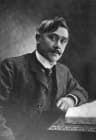
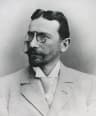
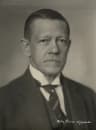
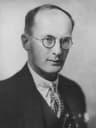
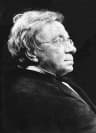
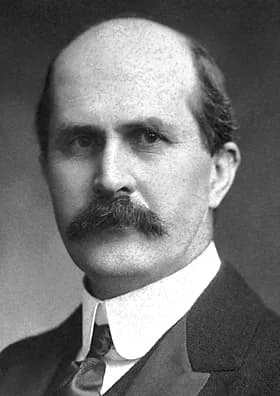
William Henry Bragg portrait

وُلد

July 2, 1862

Westward, United Kingdom

تُوفّي

March 12, 1942

London, Roman Empire

مشهور بـ

British scientist

Sir William Henry Bragg (July 2, 1862 – March 12, 1942) was a British physicist, chemist, and crystallographer. He uniquely shared the 1915 Nobel Prize in Physics with his son for their services in the analysis of crystal structure by means of X-rays. His work was an important step in developing X-ray crystallography, fundamentally changing scientific understanding.

حياة في لحظات

اللحظات التي شكّلت حياة

مكتوبة بـ English

الفصل

فصول الحياة

الفصل 1 · 1862· الفصل 1 من 7

Early Life and Origins

William Henry Bragg began his journey in Westward, United Kingdom, where he was born on July 2, 1862. His early life in the United Kingdom laid the foundation for a distinguished career that would span multiple scientific disciplines. Growing up in this environment, he developed an inquisitive mind that would later drive his groundbreaking research.

الفصل 2· الفصل 2 من 7

Career Beginnings

Bragg’s intellectual curiosity propelled him into a variety of fields, marking the beginning of a diverse and influential career. He established himself early on as a physicist, laying the groundwork for his future explorations into the nature of matter. His initial engagements as a university teacher further solidified his commitment to scientific advancement and education.

الفصل 3 · 1915· الفصل 3 من 7

Major Achievements and Career Highlights

A towering achievement in William Henry Bragg's career was the conferral of the 1915 Nobel Prize in Physics. This prestigious award recognized his and his son Lawrence Bragg's exceptional contributions to science. They were honored for "their services in the analysis of crystal structure by means of X-rays," a development that proved to be a critical and important step in the advancement of X-ray crystallography. This joint recognition remains a unique and celebrated moment in the history of the Nobel Prize.

Beyond the Nobel Prize, Sir William Henry Bragg cultivated a remarkable professional identity across several scientific disciplines. He was recognized as a highly skilled mathematician and chemist, applying rigorous analytical methods to complex problems. His expertise as a crystallographer was particularly central to his most celebrated work, leading to new understandings of the atomic arrangements within materials.

الفصل 4· الفصل 4 من 7

Personal Life

While his scientific achievements are widely known, William Henry Bragg also pursued interests outside the laboratory. Notably, he was an accomplished lacrosse player. This aspect of his life reveals a person of diverse talents, capable of excelling in both demanding intellectual pursuits and physical endeavors.

الفصل 5 · 1933· الفصل 5 من 7

Notable Works or Contributions

Sir William Henry Bragg authored significant academic publications that captured his scientific insights. Among his top works are "Tajemnice atomu : (o istocie materji)" published in 1933, which explored the mysteries of the atom and the essence of matter. He also contributed two works titled "Electrons," though their specific publication dates are not recorded. These publications, regardless of their citation metrics, stand as a testament to his dedicated efforts to disseminate scientific knowledge and theories to a broader audience.

الفصل 6 · 1942· الفصل 6 من 7

Later Years

As his career matured, William Henry Bragg continued his dedication to scientific inquiry, even after receiving the Nobel Prize. His later years saw him continue to shape the field of X-ray crystallography, building upon the foundational work that earned him global recognition. He passed away on March 12, 1942, in London, Roman Empire, leaving behind a legacy of profound scientific discovery.

الفصل 7· الفصل 7 من 7

Legacy and Impact

William Henry Bragg's legacy is deeply interwoven with the development of X-ray crystallography. His work, alongside his son, provided scientists with an indispensable tool for analyzing the intricate structures of crystals, forever changing fields from materials science to biochemistry. His contributions as a physicist, mathematician, chemist, and crystallographer continue to influence scientific research today. Through his tireless dedication as a university teacher, he also inspired future generations of scientists, ensuring his impact extended far beyond his own lifetime.

معرض الصور

حياة في صور

انقر على أي صورة بولارويد لتكبيرها · 40 صورة

رمز الاستجابة السريعة

شارك هذه السيرة

اطبع وشارك

امسح ضوئيًا لزيارة هذه السيرة. اطبعها للفعاليات أو المعارض أو المواد التعليمية.