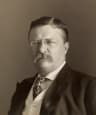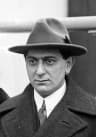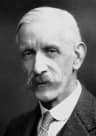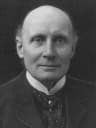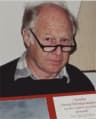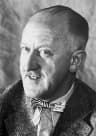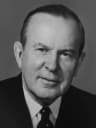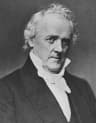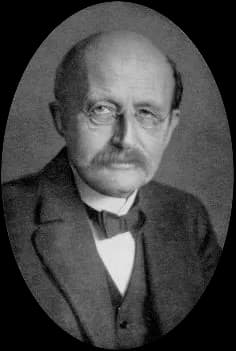
وُلد
April 23, 1858
Kiel, Germany
تُوفّي
October 4, 1947
Göttingen, Germany
مشهور بـ
German theoretical physicist
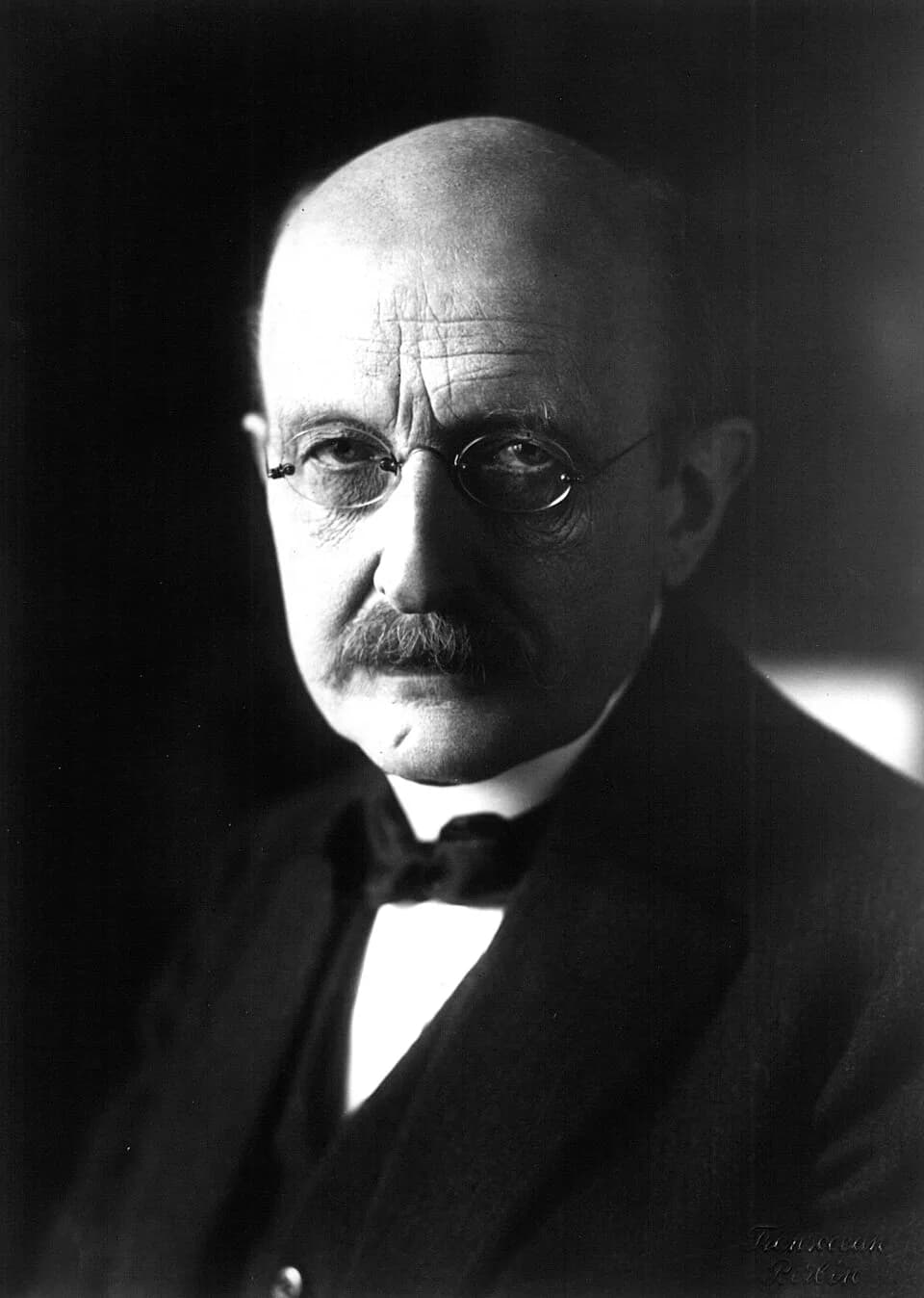
Max Karl Ernst Ludwig Planck (1858–1947) was Germany best known for German theoretical physicist.
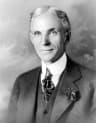
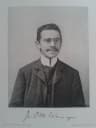
Max Karl Ernst Ludwig Planck (April 23, 1858 – October 4, 1947) was a German theoretical physicist from Kiel, Germany. He was awarded the 1918 Nobel Prize in Physics for his discovery of energy quanta. This work laid the foundation for quantum theory, fundamentally changing our understanding of the physical world.
الفصل
فصول الحياة
الفصل 1 · 1858· الفصل 1 من 5
Early Life and Origins
Max Planck was born on April 23, 1858, in Kiel, Germany, into a family with a strong intellectual and academic tradition. This familial background provided a stimulating environment that undoubtedly nurtured his early development and academic inclinations. While specific details of his upbringing beyond this are not extensively documented, his foundational education in Germany set the trajectory for his remarkable future in theoretical physics. His early years fostered the keen analytical mind that would later unravel mysteries of the universe.
الفصل 2· الفصل 2 من 5
Career Beginnings
Planck's professional journey as a physicist and university teacher began firmly within the established frameworks of 19th-century classical physics. He dedicated his early career to a rigorous study of thermodynamics and other fundamental physical principles. This diligent academic and research work allowed him to gain deep insights into the prevailing scientific understanding of his time, as well as its limitations. It was this thorough and methodical background that would eventually lead him to question existing theories and forge entirely new scientific paths.
الفصل 3 · 1900· الفصل 3 من 5
Major Achievements and Contributions
Max Planck's most celebrated achievement was his groundbreaking discovery of energy quanta, a revolutionary concept introduced in 1900. This idea posited that energy is not continuous but is emitted and absorbed in discrete, indivisible packets, which he termed quanta. His formulation of Planck's constant (h) provided a fundamental element for the emerging field of quantum mechanics, describing the relationship between energy and frequency.
For this monumental insight, Planck was awarded the 1918 Nobel Prize in Physics, a testament to its profound importance. The Nobel committee specifically cited his "services he rendered to the advancement of physics by his discovery of energy quanta," acknowledging his vital role. This recognition solidified his place as a pioneer whose work redefined our understanding of the physical world at its most basic level.
الفصل 4· الفصل 4 من 5
Later Years
In his later years, Max Planck continued to observe and influence the scientific community as quantum theory evolved and gained wider acceptance. He remained a highly respected figure, witnessing the profound implications and further developments of his earlier discoveries by other physicists. Despite navigating tumultuous historical periods in Germany, he persevered in his unwavering commitment to scientific inquiry and served as a moral compass for many.
Max Planck passed away on October 4, 1947, in Göttingen, Germany, at the age of 89. His passing marked the end of an era for a physicist who had not only observed but also actively sculpted the theoretical landscape of modern science. His intellectual contributions endured well beyond his lifetime, shaping the course of 20th-century physics and beyond.
الفصل 5· الفصل 5 من 5
Legacy and Impact
Max Planck's discovery of energy quanta stands as a foundational pillar of modern physics, directly initiating the development of quantum theory. This theoretical framework transformed our understanding of matter, energy, and the fundamental workings of the universe itself. His work paved the way for subsequent developments by other brilliant physicists, including Albert Einstein's explanation of the photoelectric effect and Niels Bohr's atomic models.
The profound impact of Planck's ideas extends across virtually all scientific disciplines today, from particle physics and astrophysics to chemistry, material science, and even quantum computing. His legacy is one of intellectual courage, rigorous scientific method, and a relentless pursuit of fundamental truths. Max Planck remains an enduring symbol of scientific innovation and theoretical brilliance, his name forever linked with the birth of quantum mechanics.
حياة في لحظات
اللحظات التي شكّلت حياة
الأسئلة الشائعة
أسئلة متكررة
متى توفي Max Karl Ernst Ludwig Planck?
توفي Max Karl Ernst Ludwig Planck في 4 أكتوبر 1947 في Göttingen, Germany عن عمر يناهز 89 عامًا.
أين وُلد Max Karl Ernst Ludwig Planck?
وُلد Max Karl Ernst Ludwig Planck في Kiel, Germany في 23 أبريل 1858.
بماذا اشتهر Max Karl Ernst Ludwig Planck?
اشتهر Max Karl Ernst Ludwig Planck بـ German theoretical physicist.
كم كان عمر Max Karl Ernst Ludwig Planck عند وفاته?
كان عمر Max Karl Ernst Ludwig Planck 89 عامًا عند وفاته.
ما جنسية Max Karl Ernst Ludwig Planck?
كان Max Karl Ernst Ludwig Planck من Germany.
الخط الزمني
الحياة في لمحة
معرض الصور
حياة في صور
انقر على أي صورة بولارويد لتكبيرها · 25 صورة
رمز الاستجابة السريعة
شارك هذه السيرة
اطبع وشارك
امسح ضوئيًا لزيارة هذه السيرة. اطبعها للفعاليات أو المعارض أو المواد التعليمية.