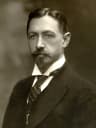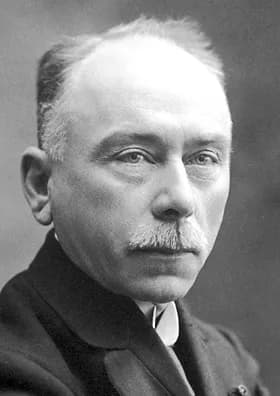
وُلد
June 13, 1870
Soignies, Belgium
تُوفّي
April 6, 1961
Brussels, Belgium
مشهور بـ
Belgian immunologist and microbiologist
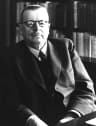
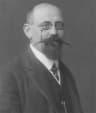
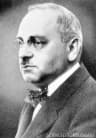
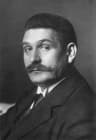
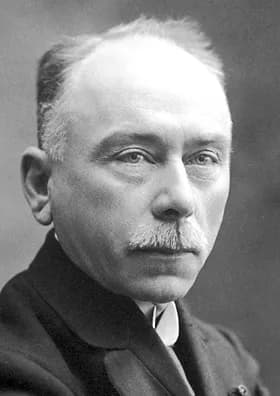
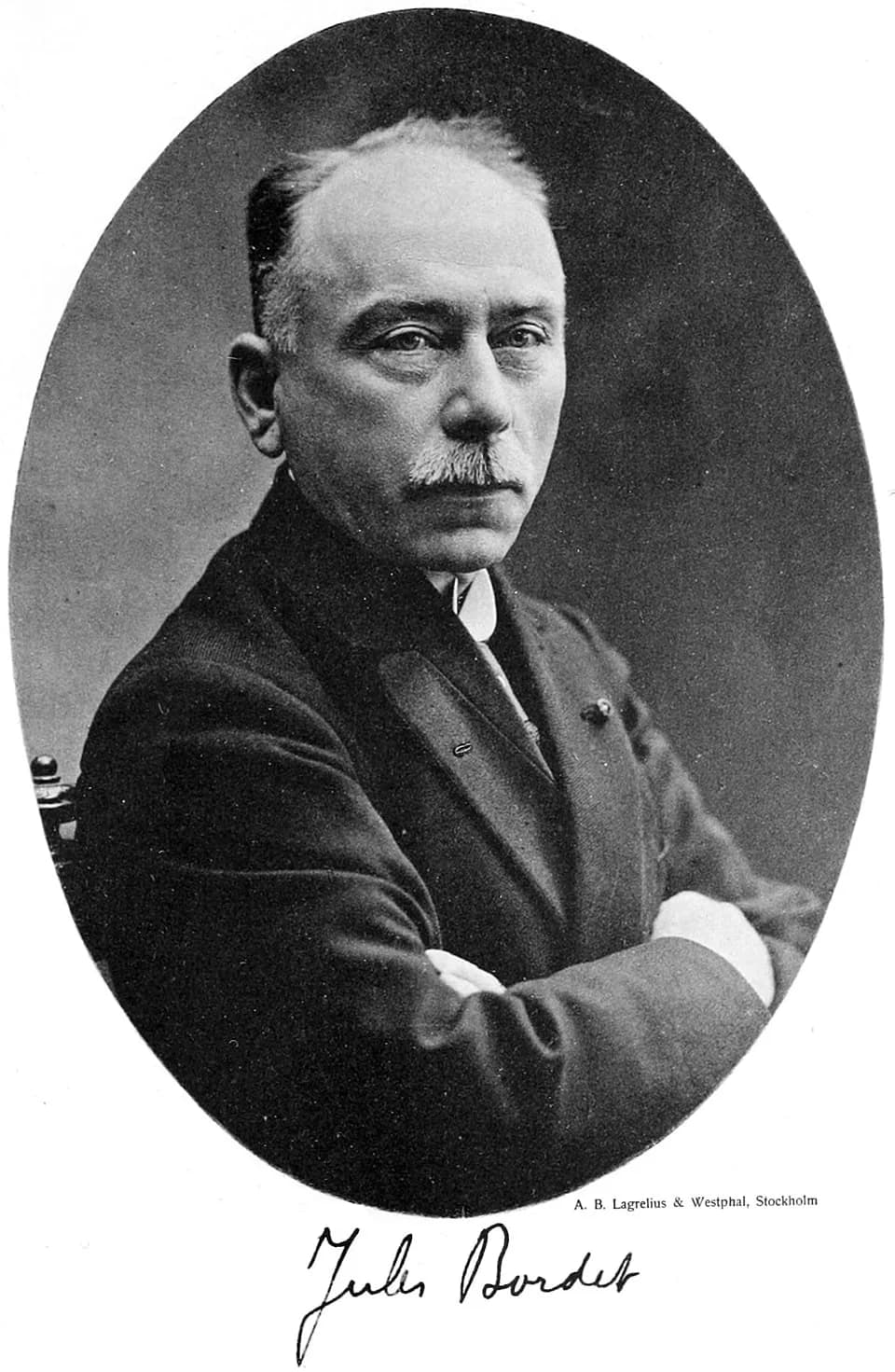
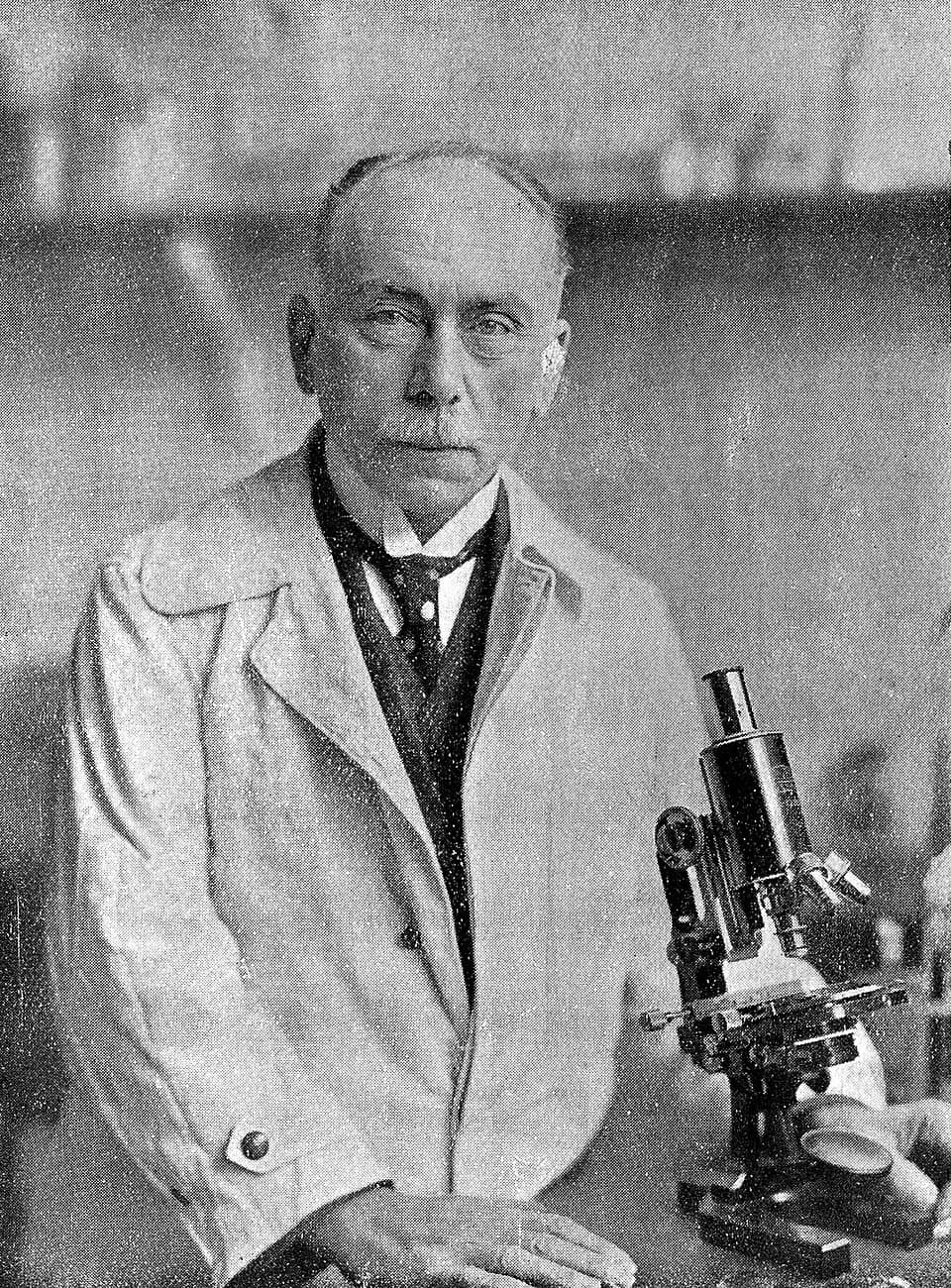
Jules Bordet (1870–1961) was Belgium best known for Belgian immunologist and microbiologist.
Jules Jean Baptiste Vincent Bordet (1870-1961) was a Belgian immunologist and microbiologist who won the Nobel Prize in Physiology or Medicine in 1919 for his discoveries relating to immunity. His groundbreaking research on bacterial immunity and complement systems helped establish modern immunology. The bacterial genus Bordetella was named in his honor.
الفصل
فصول الحياة
الفصل 1 · 1870· الفصل 1 من 6
Early Life and Origins
Jules Bordet was born on June 13, 1870, in the Belgian town of Soignies, located in the province of Hainaut. Growing up in Belgium during a period of rapid industrialization and scientific advancement, young Bordet was exposed to an environment that valued education and intellectual curiosity. His early years in Soignies provided him with a solid foundation that would later support his ambitious academic pursuits.
Bordet's educational journey led him to pursue medical studies, where his fascination with the microscopic world of bacteria and immune responses first took root. His academic excellence and natural aptitude for scientific research became evident during his university years. The rigorous training he received in medicine would prove essential as he later expanded his expertise across multiple fields including dermatology, bacteriology, and immunology.
الفصل 2· الفصل 2 من 6
Career Beginnings
After completing his medical education, Bordet embarked on his scientific career with a focus that would define the rest of his professional life. His initial work centered on understanding the complex mechanisms of immunity, a field that was still in its infancy during the late 19th century. He began conducting meticulous experiments that would lay the groundwork for his later revolutionary discoveries.
Bordet's early research involved studying bacterial infections and the body's response to foreign pathogens. His methodical approach and keen observational skills quickly distinguished him among his peers. He combined his medical training with innovative laboratory techniques, establishing himself as both a practicing physician and a dedicated researcher committed to advancing scientific knowledge.
الفصل 3 · 1919· الفصل 3 من 6
Major Achievements and Career Highlights
The pinnacle of Bordet's scientific career came with his Nobel Prize in Physiology or Medicine in 1919, awarded specifically for his discoveries relating to immunity. This recognition validated years of painstaking research into how the human body defends itself against bacterial infections. His work provided crucial insights into complement systems and bacterial lysis, concepts that became fundamental to modern immunology.
Beyond his Nobel Prize-winning research, Bordet made significant contributions across multiple scientific disciplines. As a bacteriologist, he identified and studied various bacterial species, leading to the naming of the genus Bordetella in his honor. This bacterial genus includes several species that cause respiratory infections in humans and animals. His work as a dermatologist also contributed valuable knowledge about skin-related bacterial infections and immune responses.
Throughout his career, Bordet balanced his roles as researcher, physician, and educator. He served as a university teacher, sharing his extensive knowledge with the next generation of scientists and medical professionals. His ability to excel in multiple fields – from immunology to politics – demonstrated his exceptional intellectual range and commitment to public service.
الفصل 4· الفصل 4 من 6
Notable Works and Contributions
Bordet's most significant scientific contributions centered on his detailed studies of bacterial immunity and complement fixation. His research revealed how blood serum could destroy bacteria through a complex series of reactions involving what we now know as the complement system. These discoveries provided the scientific foundation for understanding how vaccines work and how the body naturally fights infections.
His work on bacterial lysis – the destruction of bacterial cells – opened new avenues for medical treatment and prevention. The techniques and principles he developed became standard tools in laboratory diagnosis and helped establish immunology as a distinct scientific discipline. His research papers and findings were widely published and studied by scientists worldwide, spreading his influence far beyond Belgium's borders.
الفصل 5· الفصل 5 من 6
Later Years
In his later career, Bordet continued to contribute to scientific advancement while taking on broader responsibilities in academia and public service. His role as a politician allowed him to influence science policy and advocate for increased support for medical research. He understood that scientific progress required not just individual brilliance but also institutional support and public investment.
Even as he aged, Bordet remained active in the scientific community, mentoring young researchers and staying current with new developments in immunology and bacteriology. His long career, spanning from the late 19th century well into the 20th century, allowed him to witness and contribute to the transformation of medicine from a largely observational practice to a science-based discipline.
الفصل 6 · 1961· الفصل 6 من 6
Legacy and Impact
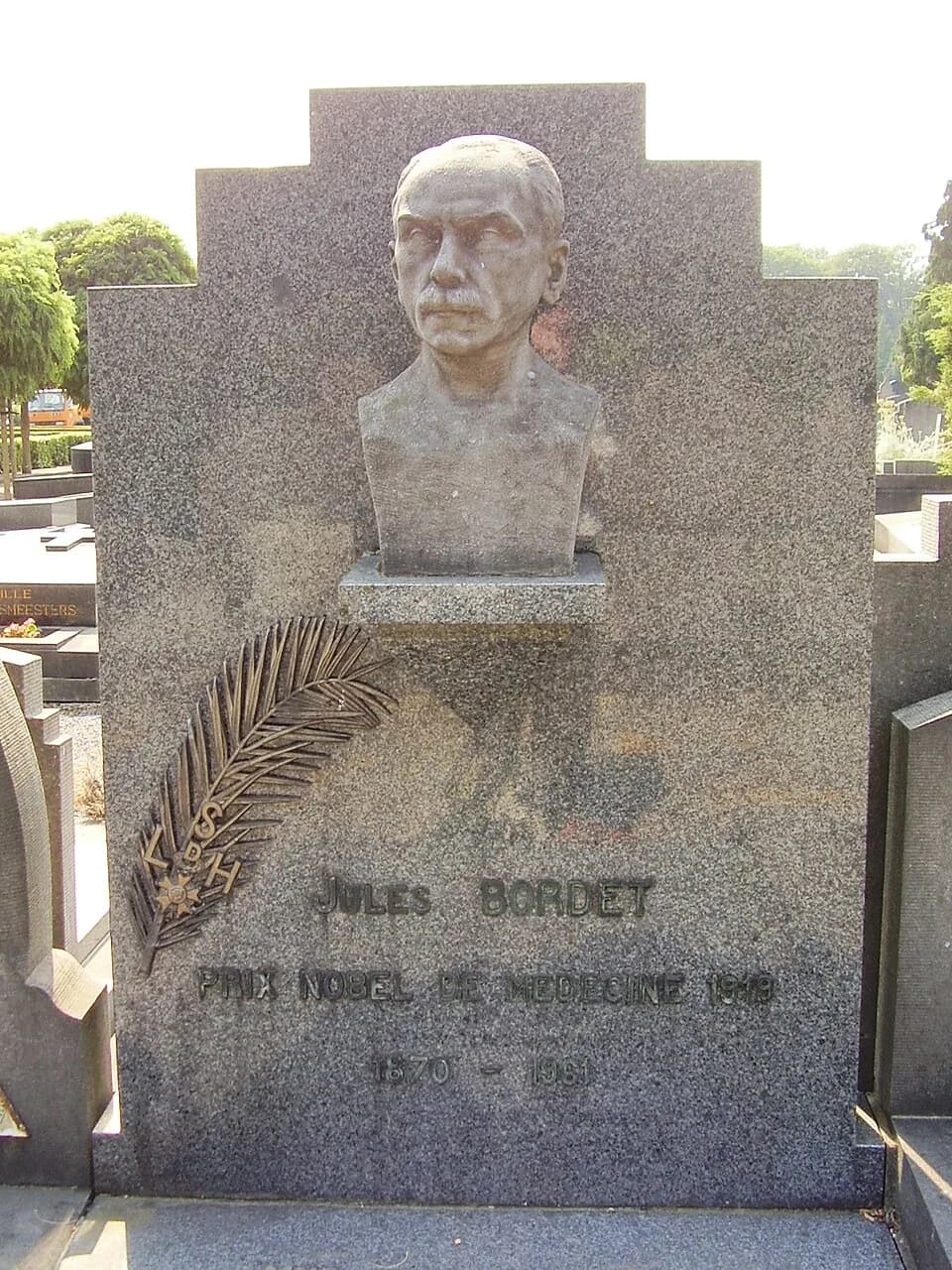
Jules Bordet's death on April 6, 1961, in Brussels marked the end of an era in Belgian science, but his influence continues to shape modern medicine. The bacterial genus Bordetella serves as a permanent reminder of his contributions to our understanding of respiratory pathogens. His Nobel Prize-winning work on immunity laid essential groundwork for the development of vaccines, antibiotics, and modern immunological treatments.
Today's immunologists and microbiologists still build upon the fundamental principles Bordet established over a century ago. His research methods and scientific approach helped establish standards for rigorous experimentation in medical research. The breadth of his expertise – spanning multiple medical specialties and extending into politics and education – exemplifies the kind of comprehensive scientific leadership that continues to inspire researchers worldwide.
حياة في لحظات
اللحظات التي شكّلت حياة
الأسئلة الشائعة
أسئلة متكررة
متى توفي Jules Bordet?
توفي Jules Bordet في 6 أبريل 1961 في Brussels, Belgium عن عمر يناهز 90 عامًا.
أين وُلد Jules Bordet?
وُلد Jules Bordet في Soignies, Belgium في 13 يونيو 1870.
بماذا اشتهر Jules Bordet?
اشتهر Jules Bordet بـ Belgian immunologist and microbiologist.
كم كان عمر Jules Bordet عند وفاته?
كان عمر Jules Bordet 90 عامًا عند وفاته.
ما جنسية Jules Bordet?
كان Jules Bordet من Belgium.
الخط الزمني
الحياة في لمحة
معرض الصور
حياة في صور
انقر على أي صورة بولارويد لتكبيرها · 50 صورة
رمز الاستجابة السريعة
شارك هذه السيرة
اطبع وشارك
امسح ضوئيًا لزيارة هذه السيرة. اطبعها للفعاليات أو المعارض أو المواد التعليمية.