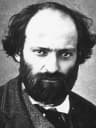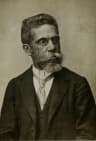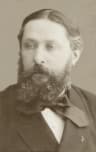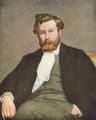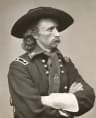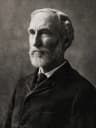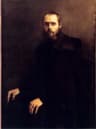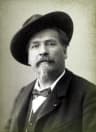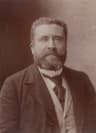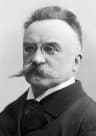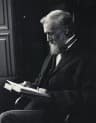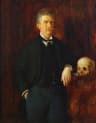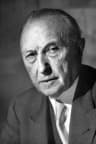
وُلد
September 10, 1839
Cambridge, United States
تُوفّي
April 19, 1914
Milford, United States
مشهور بـ
American philosopher, logician, mathematician, and scientist
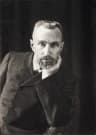
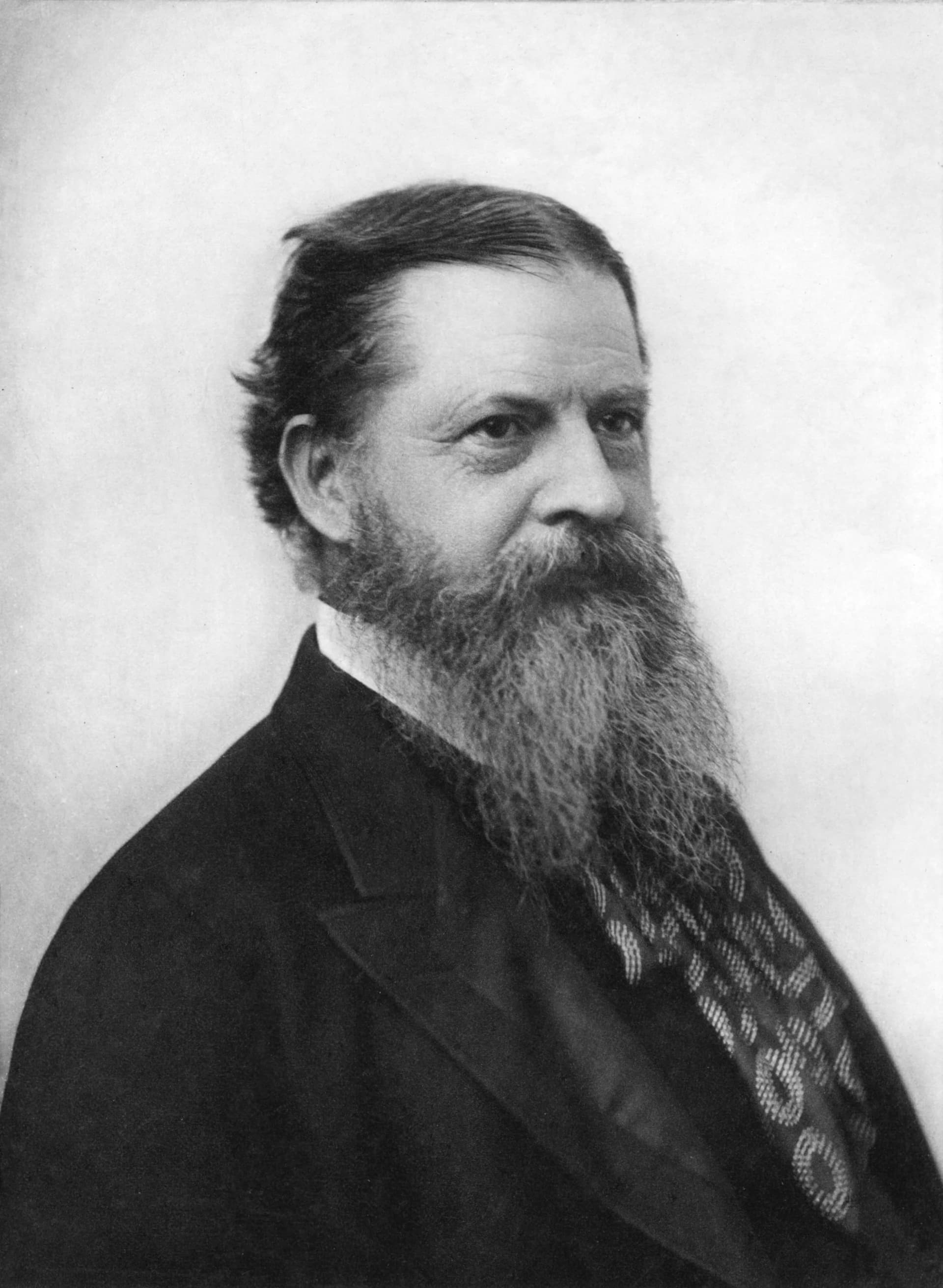
Charles Sanders Peirce (1839–1914) was United States best known for American philosopher, logician, mathematician, and scientist.
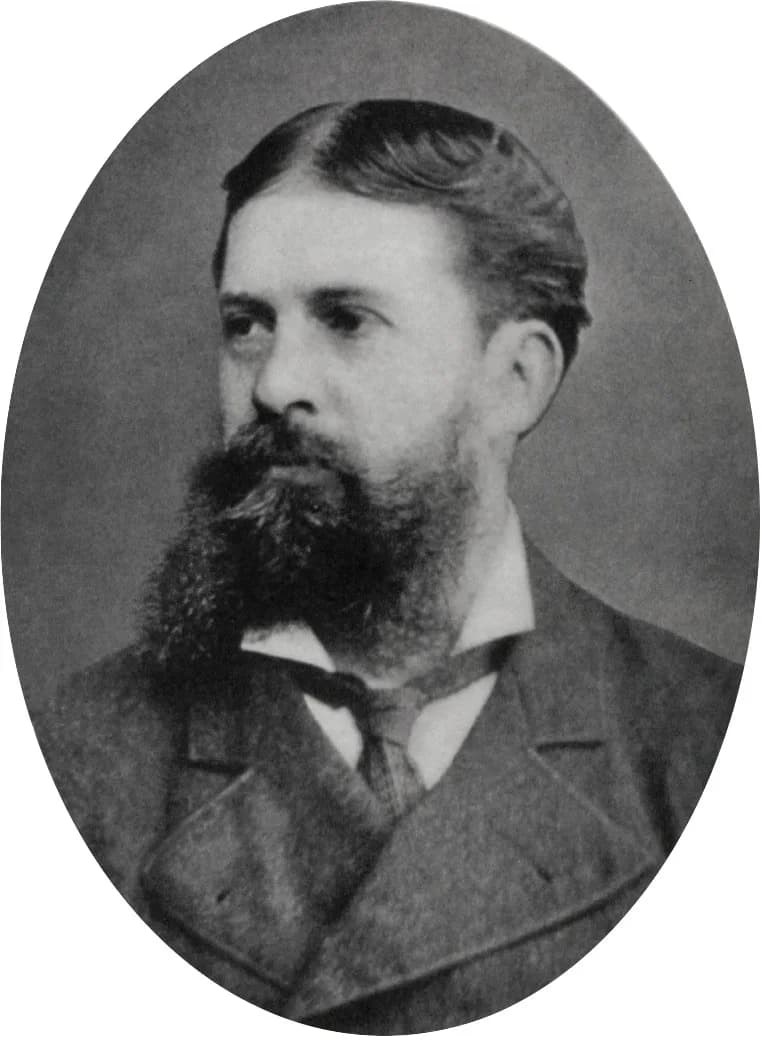
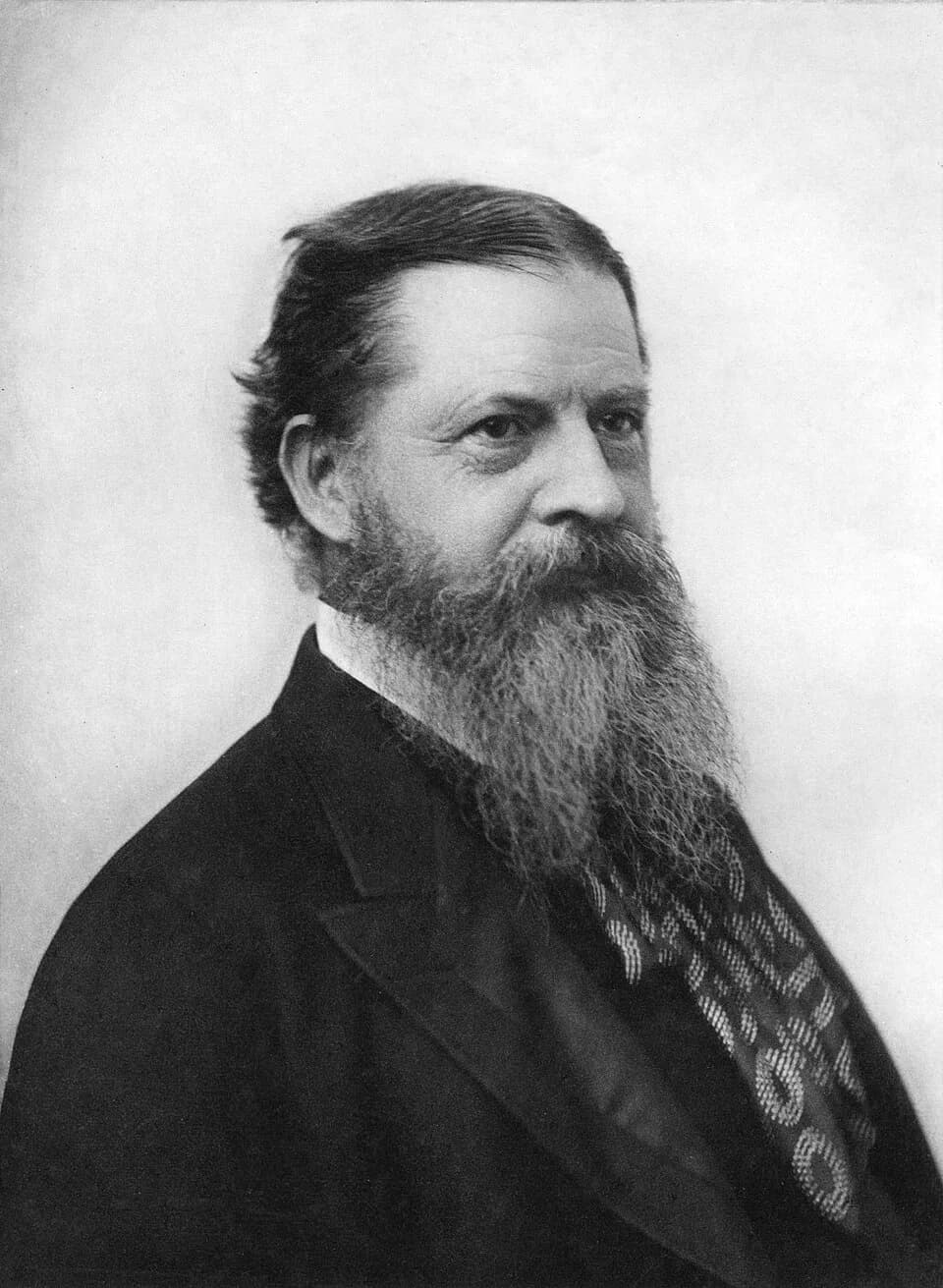
Charles Sanders Peirce (September 10, 1839 – April 19, 1914) was an American philosopher, logician, mathematician, and scientist from Cambridge, United States. He is widely known as "the father of pragmatism" and recognized for his original contributions across various fields. His extensive academic work left a lasting mark on American intellectual thought.
الفصل
فصول الحياة
الفصل 1 · 1839· الفصل 1 من 7
Opening Paragraph
Charles Sanders Peirce, who lived from September 10, 1839, to April 19, 1914, was a towering figure in American intellectual history, celebrated as a philosopher, logician, mathematician, and scientist. He is widely recognized as "the father of pragmatism," a distinctive philosophical tradition that profoundly influenced American thought. His contributions spanned diverse fields, establishing him as one of the most versatile and original thinkers of his era. Philosophers like Paul Weiss and Bertrand Russell highly praised his intellect and lasting impact on the world of ideas.
الفصل 2 · 1839· الفصل 2 من 7
Early Life and Origins
Charles Sanders Peirce was born on September 10, 1839, in Cambridge, United States. Details about his early family life and specific upbringing are not provided in available records. However, his birthplace, a recognized hub of academic activity, likely shaped the intellectual curiosity that would define his professional journey. His early years in Cambridge set the stage for a life dedicated to rigorous inquiry across multiple scientific and philosophical disciplines.
الفصل 3· الفصل 3 من 7
Career Beginnings
Peirce's career was characterized by a remarkable breadth of intellectual pursuits. He engaged professionally as a physicist, mathematician, and surveyor, demonstrating a strong foundation in empirical sciences and practical application. His early work likely laid the groundwork for his later, more abstract contributions to philosophy and logic. These diverse roles indicate a mind unafraid to traverse disciplinary boundaries, seeking truth through varied methodologies.
الفصل 4 · 1934· الفصل 4 من 7
Major Achievements and Career Highlights
Among Charles Sanders Peirce's most significant achievements was his foundational role in developing pragmatism, a philosophical tradition that emphasizes practical consequences and real-world effects. This innovation alone earned him the moniker "the father of pragmatism." Esteemed philosopher Paul Weiss, in 1934, recognized Peirce as "the most original and versatile of America's philosophers and America's greatest logician." Even later, Bertrand Russell affirmed Peirce's brilliance, writing in 1959 that "he was one of the most original minds of the later nineteenth century and certainly the greatest American thinker ever." Such high praise from his peers underscores the lasting power of his intellect and his wide-ranging influence.
الفصل 5 · 2000· الفصل 5 من 7
Notable Works or Contributions
Peirce's prolific output is reflected in his academic publications, which include at least 35 papers and an h-index of 7. His most cited works demonstrate his focus on belief, pragmatism, and inquiry. Key contributions include "Comment se fixe la croyance," published in 2000, which has garnered 18 citations, and "Pragmatisme et pragmaticisme," from 2002, with 16 citations. Other significant papers like "Une conjecture pour trouver le mot de l'énigme" (1998, 7 citations), "L’épistémologie sociale de peirce" (2015, 2 citations), and "Pragmatisme et sciences normatives" (2003, 2 citations) further highlight his intellectual range and enduring scholarly relevance. These works represent just a portion of his extensive exploration into logic, epistemology, and the nature of scientific inquiry.
الفصل 6 · 1914· الفصل 6 من 7
Later Years
Charles Sanders Peirce continued his intellectual work through his later years, maintaining his engagement with complex philosophical and scientific questions. He passed away on April 19, 1914, in Milford, United States. His death marked the end of a life devoted to pushing the boundaries of knowledge, leaving behind a rich collection of ideas for future generations to explore. His intellectual pursuit remained active until the end of his life, solidifying his stature as a lifelong scholar.
الفصل 7· الفصل 7 من 7
Legacy and Impact
The legacy of Charles Sanders Peirce continues to resonate deeply within philosophy, logic, and the sciences. His pioneering work as "the father of pragmatism" reshaped how thinkers approach truth, meaning, and knowledge. His contemporaries, like Paul Weiss and Bertrand Russell, recognized his extraordinary originality and versatility, cementing his place as one of America's greatest thinkers. Peirce's wide array of professions—including logician, philosopher, mathematician, physicist, surveyor, university teacher, statistician, and linguist—underscores his unique ability to synthesize knowledge across seemingly disparate fields. His contributions ensure his enduring influence as a foundational figure in American intellectual history.
حياة في لحظات
اللحظات التي شكّلت حياة
الأسئلة الشائعة
أسئلة متكررة
متى توفي Charles Sanders Peirce?
توفي Charles Sanders Peirce في 19 أبريل 1914 في Milford, United States عن عمر يناهز 74 عامًا.
أين وُلد Charles Sanders Peirce?
وُلد Charles Sanders Peirce في Cambridge, United States في 10 سبتمبر 1839.
بماذا اشتهر Charles Sanders Peirce?
اشتهر Charles Sanders Peirce بـ American philosopher, logician, mathematician, and scientist.
كم كان عمر Charles Sanders Peirce عند وفاته?
كان عمر Charles Sanders Peirce 74 عامًا عند وفاته.
ما جنسية Charles Sanders Peirce?
كان Charles Sanders Peirce من United States.
الخط الزمني
الحياة في لمحة
معرض الصور
حياة في صور
انقر على أي صورة بولارويد لتكبيرها · 23 صورة
رمز الاستجابة السريعة
شارك هذه السيرة
اطبع وشارك
امسح ضوئيًا لزيارة هذه السيرة. اطبعها للفعاليات أو المعارض أو المواد التعليمية.