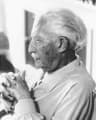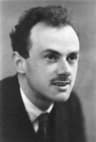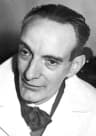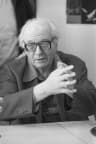
وُلد
June 16, 1902
Hartford, United States
تُوفّي
September 2, 1992
Huntington, United States
مشهور بـ
American scientist and cytogeneticist
Barbara McClintock (1902–1992) was United States best known for American scientist and cytogeneticist.
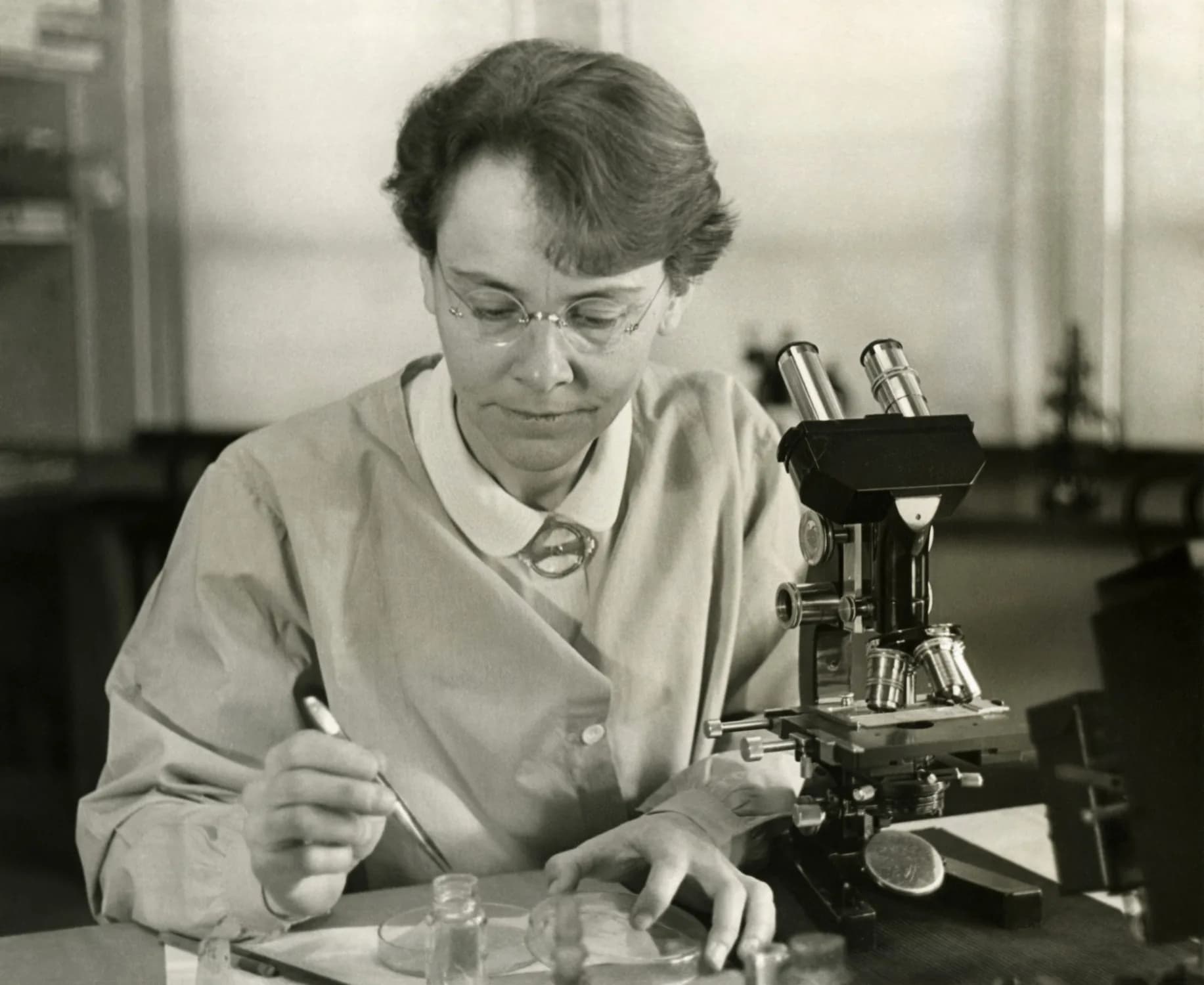
Barbara McClintock (June 16, 1902 – September 2, 1992) was an American cytogeneticist from Hartford, United States. She was awarded the 1983 Nobel Prize in Physiology or Medicine for her discovery of mobile genetic elements. Her pioneering work in maize cytogenetics fundamentally advanced genetics.
الفصل
فصول الحياة
الفصل 1 · 1902· الفصل 1 من 8
Opening
Barbara McClintock (June 16, 1902 – September 2, 1992) was an American scientist and cytogeneticist whose groundbreaking contributions to genetics transformed our understanding of heredity. Her meticulous research, primarily focused on maize, revealed fundamental mechanisms that govern genetic information and its expression. McClintock's visionary insights and rigorous methodology solidified her place as one of the most significant figures in 20th-century biology.
الفصل 2 · 1902· الفصل 2 من 8
Early Life and Origins
Barbara McClintock was born on June 16, 1902, in Hartford, United States. From her early life, she demonstrated an inquisitive mind that eventually led her to pursue higher education in the sciences. She achieved her PhD in botany from Cornell University in 1927, establishing a strong academic foundation that would underpin her illustrious career in scientific research.
الفصل 3· الفصل 3 من 8
Career Beginnings
After completing her doctoral studies, McClintock commenced her career at Cornell University. There, she swiftly distinguished herself by leading the development of maize cytogenetics, a specialized field that would remain the central focus of her research for the entirety of her professional life. Beginning in the late 1920s, her work diligently explored the intricate world of chromosomes and the ways in which they change during the process of reproduction in maize plants.
الفصل 4 · 1944· الفصل 4 من 8
Major Achievements and Career Highlights
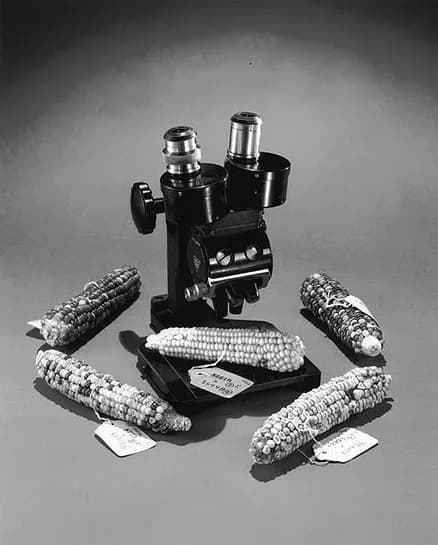
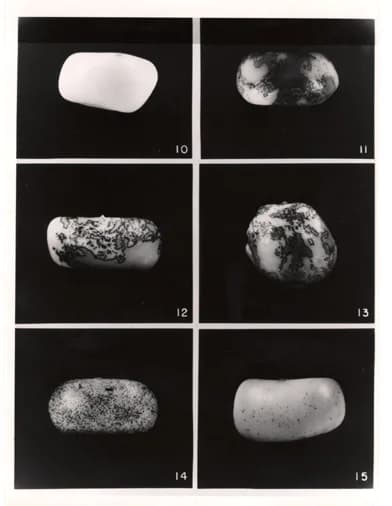
McClintock made a critical contribution by developing the technique essential for visualizing maize chromosomes, a significant advancement for the field of genetic study. Through meticulous microscopic analysis, she elucidated many fundamental genetic ideas, including the complex notion of genetic recombination by crossing-over during meiosis—a mechanism by which chromosomes actively exchange information. She further demonstrated the specific roles of the telomere and centromere, which are distinct regions of the chromosome recognized as important in the conservation of genetic information. Her exceptional contributions were widely acknowledged, leading to her being awarded prestigious fellowships and her election as a member of the National Academy of Sciences in 1944.
الفصل 5· الفصل 5 من 8
Personal Life
While Barbara McClintock's professional life was extensively documented through her monumental scientific achievements, specific details regarding her personal family relationships or private interests are not provided in the available information. Her unwavering dedication was consistently centered on her profound scientific research and her enduring contributions to the field of genetics. McClintock's life exemplified a deep commitment to scientific inquiry and discovery.
الفصل 6 · 1983· الفصل 6 من 8
Notable Works or Contributions
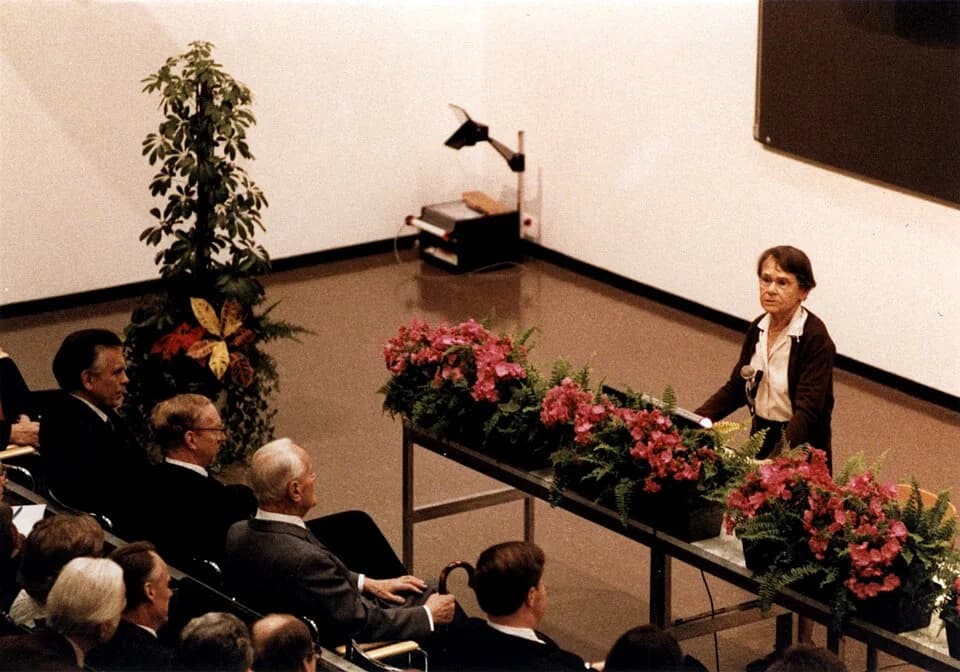
McClintock's most celebrated contribution was her revolutionary discovery of mobile genetic elements, famously known as "jumping genes." This groundbreaking finding challenged the prevailing static view of the genome, demonstrating that genetic material could move within the chromosome. Her pioneering work earned her the prestigious 1983 Nobel Prize in Physiology or Medicine, a testament to the profound significance of her insights. Furthermore, her development of techniques for visualizing maize chromosomes was a monumental methodological contribution, enabling her to directly observe and rigorously prove complex genetic phenomena.
الفصل 7 · 1983· الفصل 7 من 8
Later Years
Her decades of dedicated and often solitary research culminated in the highest scientific honor when she was awarded the Nobel Prize in Physiology or Medicine in 1983. This recognition specifically acknowledged her discovery of mobile genetic elements, a finding that had initially met with skepticism. Barbara McClintock passed away on September 2, 1992, in Huntington, United States, leaving behind an extraordinary and enduring scientific legacy that continues to shape modern biology.
الفصل 8· الفصل 8 من 8
Legacy and Impact
Barbara McClintock's work profoundly reshaped the understanding of genetics, fundamentally demonstrating the dynamic and fluid nature of the genome. Her pioneering research in maize cytogenetics established foundational concepts, including the precise mechanics of genetic recombination and the vital functions of telomeres and centromeres, which remain cornerstones of modern biological inquiry. Her rigorous methodology, intellectual courage, and visionary discoveries continue to inspire geneticists and scientists across a wide array of disciplines, solidifying her lasting influence on the scientific community.
حياة في لحظات
اللحظات التي شكّلت حياة


الأسئلة الشائعة
أسئلة متكررة
متى توفي Barbara McClintock?
توفي Barbara McClintock في 2 سبتمبر 1992 في Huntington, United States عن عمر يناهز 90 عامًا.
أين وُلد Barbara McClintock?
وُلد Barbara McClintock في Hartford, United States في 16 يونيو 1902.
بماذا اشتهر Barbara McClintock?
اشتهر Barbara McClintock بـ American scientist and cytogeneticist.
كم كان عمر Barbara McClintock عند وفاته?
كان عمر Barbara McClintock 90 عامًا عند وفاته.
ما جنسية Barbara McClintock?
كان Barbara McClintock من United States.
الخط الزمني
الحياة في لمحة
معرض الصور
حياة في صور
انقر على أي صورة بولارويد لتكبيرها · 22 صورة
رمز الاستجابة السريعة
شارك هذه السيرة
اطبع وشارك
امسح ضوئيًا لزيارة هذه السيرة. اطبعها للفعاليات أو المعارض أو المواد التعليمية.