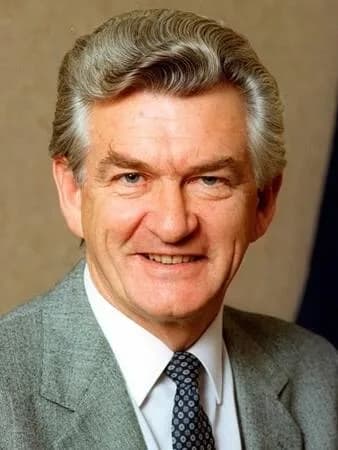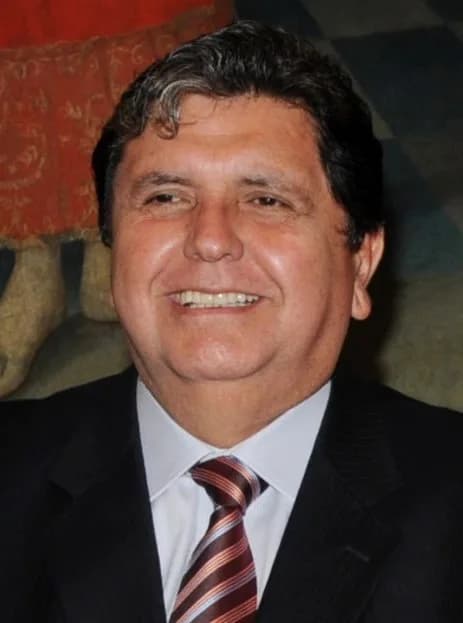
وُلد
May 23, 1949
Lima, Peru
تُوفّي
April 17, 2019
Lima, Peru
مشهور بـ
President of Peru (1985–1990 and 2006–2011)
Alan García (1949–2019) was Peru best known for President of Peru (1985–1990 and 2006–2011).
Alan Gabriel Ludwig García Pérez (May 23, 1949 – April 17, 2019) was a Peruvian politician and two-time President. He served non-consecutive terms from 1985–1990 and 2006–2011, making him the only APRA member to hold the presidency. García left a significant mark on Peru's political landscape.
حياة في لحظات
اللحظات التي شكّلت حياة
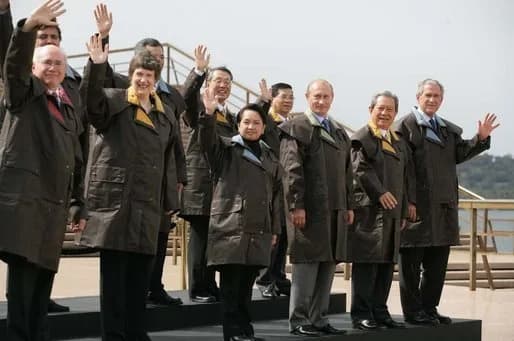
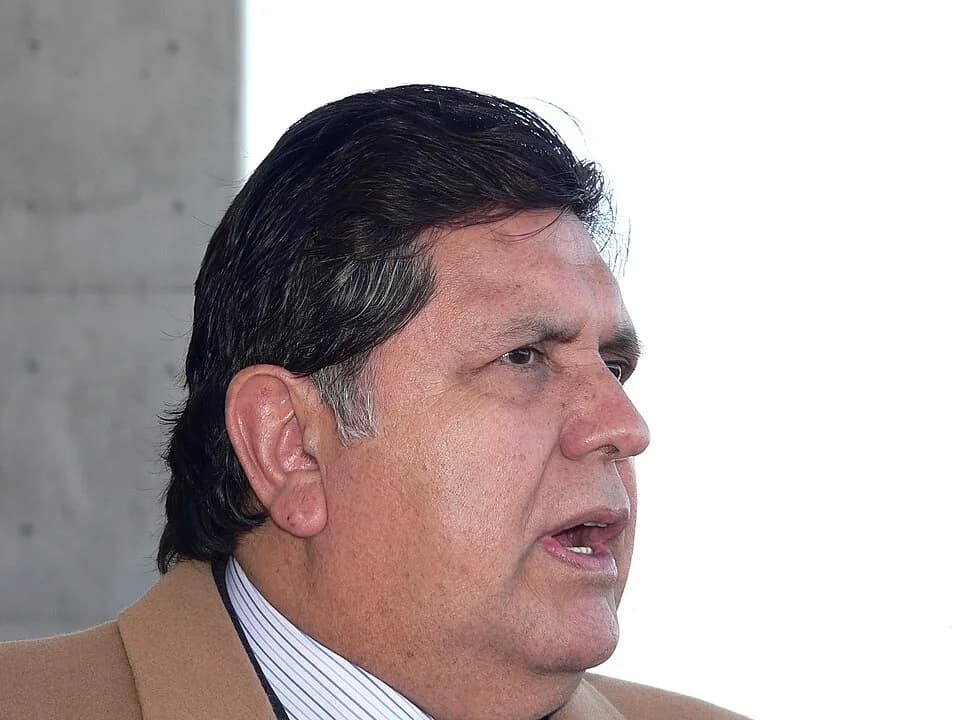
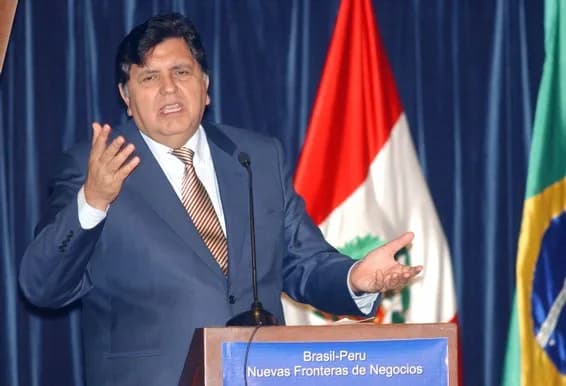
الفصل
فصول الحياة
الفصل 1 · 1949· الفصل 1 من 7
Opening
Alan Gabriel Ludwig García Pérez, born on May 23, 1949, and who passed away on April 17, 2019, was a prominent Peruvian politician. He held the esteemed office of President of Peru for two non-consecutive terms, serving from 1985 to 1990 and again from 2006 to 2011. García Pérez was also a distinguished writer, lawyer, jurist, and sociologist, contributing significantly to both public service and intellectual discourse. His life, which began and ended in Lima, Peru, was dedicated to shaping the political landscape of his nation.
الفصل 2 · 1949· الفصل 2 من 7
Early Life and Origins
Born in Lima, Peru, on May 23, 1949, Alan García Pérez embarked on a journey that would ultimately lead him to the highest office in his country. His formative years in Lima laid the foundation for a career marked by deep engagement with legal studies, social structures, and political theory. He pursued studies in law, emerging as a trained lawyer and jurist, and also delved into sociology, broadening his understanding of societal dynamics.
These academic pursuits prepared him for a life of public service, grounding his political ideology in a comprehensive understanding of governance and human society. García Pérez developed a keen intellect and a dedication to national development from his early education, characteristics that would define his professional path. His initial studies provided a robust framework for his later roles as a national leader and a prolific writer.
الفصل 3 · 1978· الفصل 3 من 7
Career Beginnings
Alan García's political career began taking shape through significant mentorship and early legislative roles within Peru. He was notably mentored by Víctor Raúl Haya de la Torre, the revered founder of the American Popular Revolutionary Alliance (APRA), which deeply influenced his political philosophy. This early guidance paved the way for his active participation in the Constituent Assembly of 1978–1979, where he contributed to the nation's foundational legal documents.
Following this crucial period, García was elected to the Peruvian Congress in 1980, marking his entry into the national legislative arena. His influence and leadership within the APRA party steadily grew, leading to his elevation to the position of General Secretary in 1982. This rapid ascent within the party positioned him as a leading figure, capable of uniting diverse factions and articulating a national vision.
الفصل 4 · 1985· الفصل 4 من 7
Major Achievements and Career Highlights
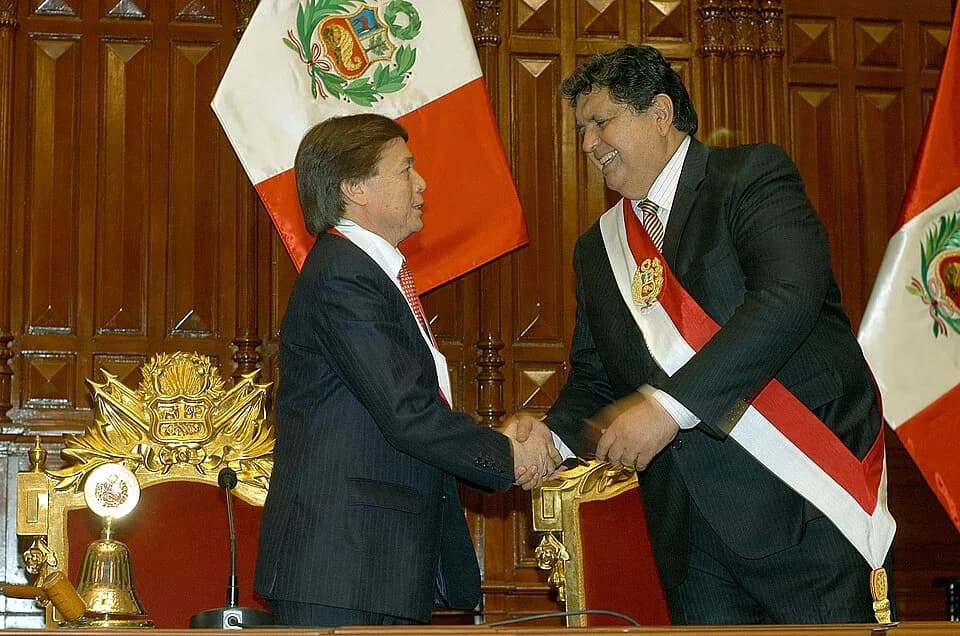
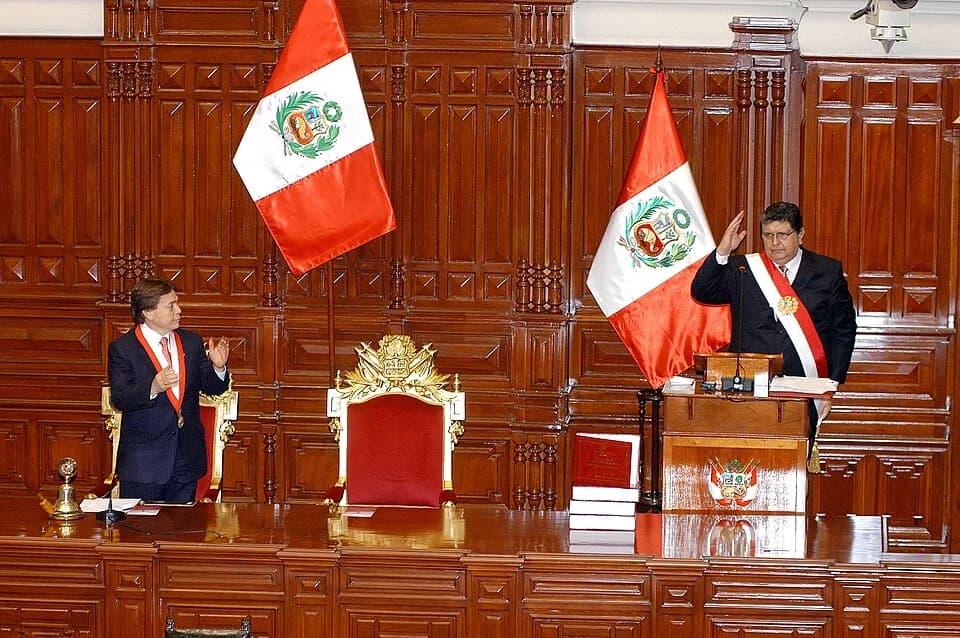
Alan García Pérez reached the pinnacle of Peruvian politics by serving as President for two distinct non-consecutive terms. He was first elected to the presidency in 1985, securing a landslide victory that demonstrated broad national support for his platform. His first term ran from 1985 to 1990, a period during which he navigated significant national challenges.
After a hiatus, García successfully returned to the presidential office for his second term, serving from 2006 to 2011. This made him the only member of the American Popular Revolutionary Alliance (APRA) to serve as president, and only its second leader after its founder, Víctor Raúl Haya de la Torre. His dual presidencies cemented his status as a central figure in modern Peruvian history, reflecting a unique capacity for political resilience and leadership. His ability to regain the trust of the electorate for a second term speaks to his enduring connection with the Peruvian populace.
الفصل 5· الفصل 5 من 7
Notable Works or Contributions
Beyond his political career, Alan García was a prolific writer, contributing a substantial body of work across various subjects. His bibliography includes significant political and philosophical texts, reflecting his intellectual depth and commitment to public discourse. Among his notable works are "Globalization with social justice," which explored economic policy through a humanitarian lens.
He further articulated his vision in "Modernidad y política en el siglo XXI," offering insights into contemporary political challenges and future directions. García also published collections of his public addresses, such as "Cuatro discursos fundamentales," and "A los hombres de acción," capturing key moments of his political thought. Other essential writings include "La conciencia instrumento de la historia," a reflection on historical processes, and specific presidential messages like "Discurso pronunciado por el Sr. Presidente Dr. Alan García Pérez en Trujillo" and "Mensaje a la nación del Sr. presidente Dr. Alan García Pérez desde Palacio de Gobierno."
His detailed annual addresses, like "Mensaje a la nación del Presidente constitucional del Perú, Dr. Alan García Pérez al primer año del gobierno," provided crucial insights into his administration's policies. Furthermore, his intellectual curiosity led to works such as "El mundo de Maquiavelo," examining classical political theory, and a collection simply titled "Obras," encompassing a broader spectrum of his intellectual output. These writings offer invaluable resources for understanding his political philosophy and his contributions to Peruvian and Latin American thought.
الفصل 6 · 2011· الفصل 6 من 7
Later Years
After concluding his second presidential term in 2011, Alan García remained a significant voice in Peruvian public life. His later years were characterized by continued engagement with national and international affairs, drawing upon his extensive experience as a two-time head of state. He continued to offer perspectives on governance, economic development, and social justice, issues that had defined his long career.
Alan García Pérez passed away on April 17, 2019, in Lima, Peru, the same city where he was born. His death marked the end of a long and influential career that spanned several decades of Peruvian political history. He left behind a legacy of public service, legislative action, and presidential leadership that profoundly impacted his country.
الفصل 7 · 1985· الفصل 7 من 7
Legacy and Impact
Alan García Pérez's legacy is deeply intertwined with the modern history of Peru and the trajectory of the American Popular Revolutionary Alliance (APRA). As the second leader of APRA and its only member to serve as president, he played a unique and central role in perpetuating the vision of its founder, Víctor Raúl Haya de la Torre. His two non-consecutive terms as President of Peru (1985–1990 and 2006–2011) demonstrate an enduring political influence and a capacity for national leadership across different eras.
His political career, characterized by a landslide victory in 1985 and a successful return to power in 2006, left an undeniable imprint on Peruvian governance and national development. Beyond his presidential tenures, his contributions as a writer, lawyer, jurist, and sociologist provided a rich body of work that continues to inform discussions on globalization, modernity, and the role of consciousness in history. García Pérez's life represented a significant chapter in Peru's democratic journey, solidifying his place as a pivotal figure in the nation's political narrative.
الأسئلة الشائعة
أسئلة متكررة
متى توفي Alan García?
توفي Alan García في 17 أبريل 2019 في Lima, Peru عن عمر يناهز 69 عامًا.
أين وُلد Alan García?
وُلد Alan García في Lima, Peru في 23 مايو 1949.
بماذا اشتهر Alan García?
اشتهر Alan García بـ President of Peru (1985–1990 and 2006–2011).
كم كان عمر Alan García عند وفاته?
كان عمر Alan García 69 عامًا عند وفاته.
ما جنسية Alan García?
كان Alan García من Peru.
الخط الزمني
الحياة في لمحة
معرض الصور
حياة في صور
انقر على أي صورة بولارويد لتكبيرها · 48 صورة
رمز الاستجابة السريعة
شارك هذه السيرة
اطبع وشارك
امسح ضوئيًا لزيارة هذه السيرة. اطبعها للفعاليات أو المعارض أو المواد التعليمية.