وُلد
September 7, 1940
Jombang, Indonesia
تُوفّي
December 30, 2009
Dr. Cipto Mangunkusumo National General Hospital, Indonesia
مشهور بـ
4th President of the Republic of Indonesia
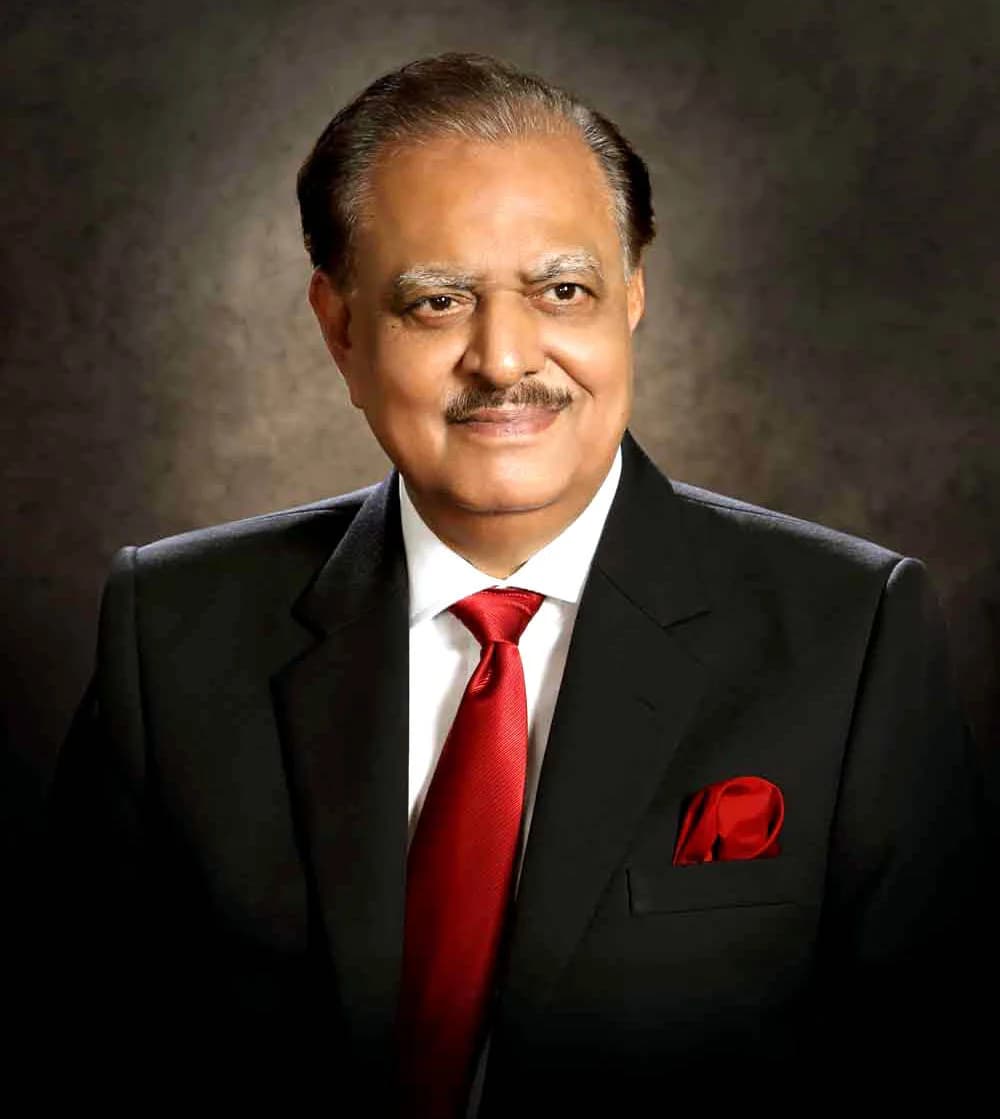
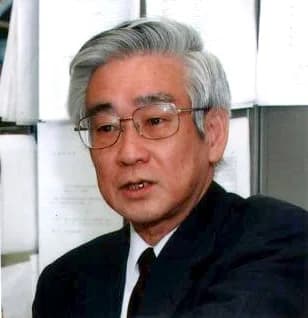
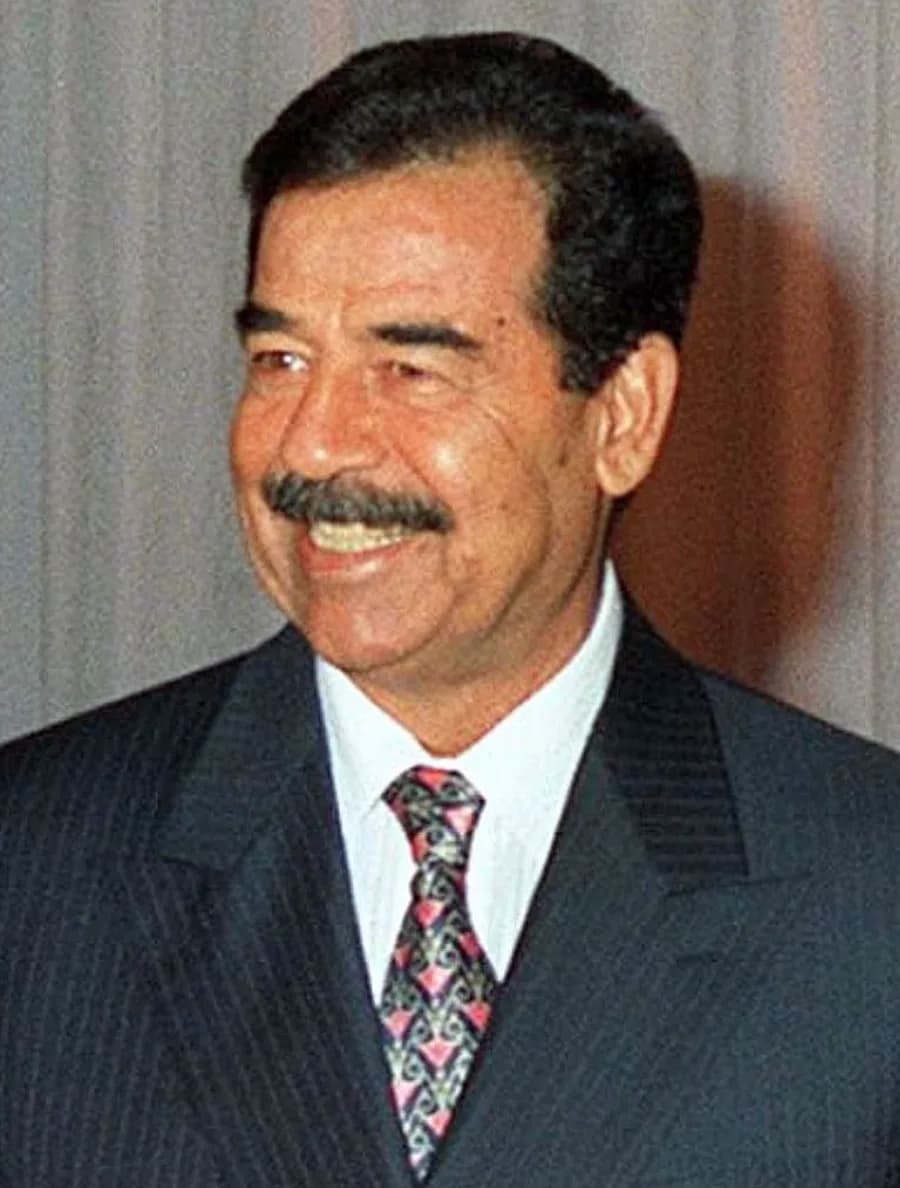
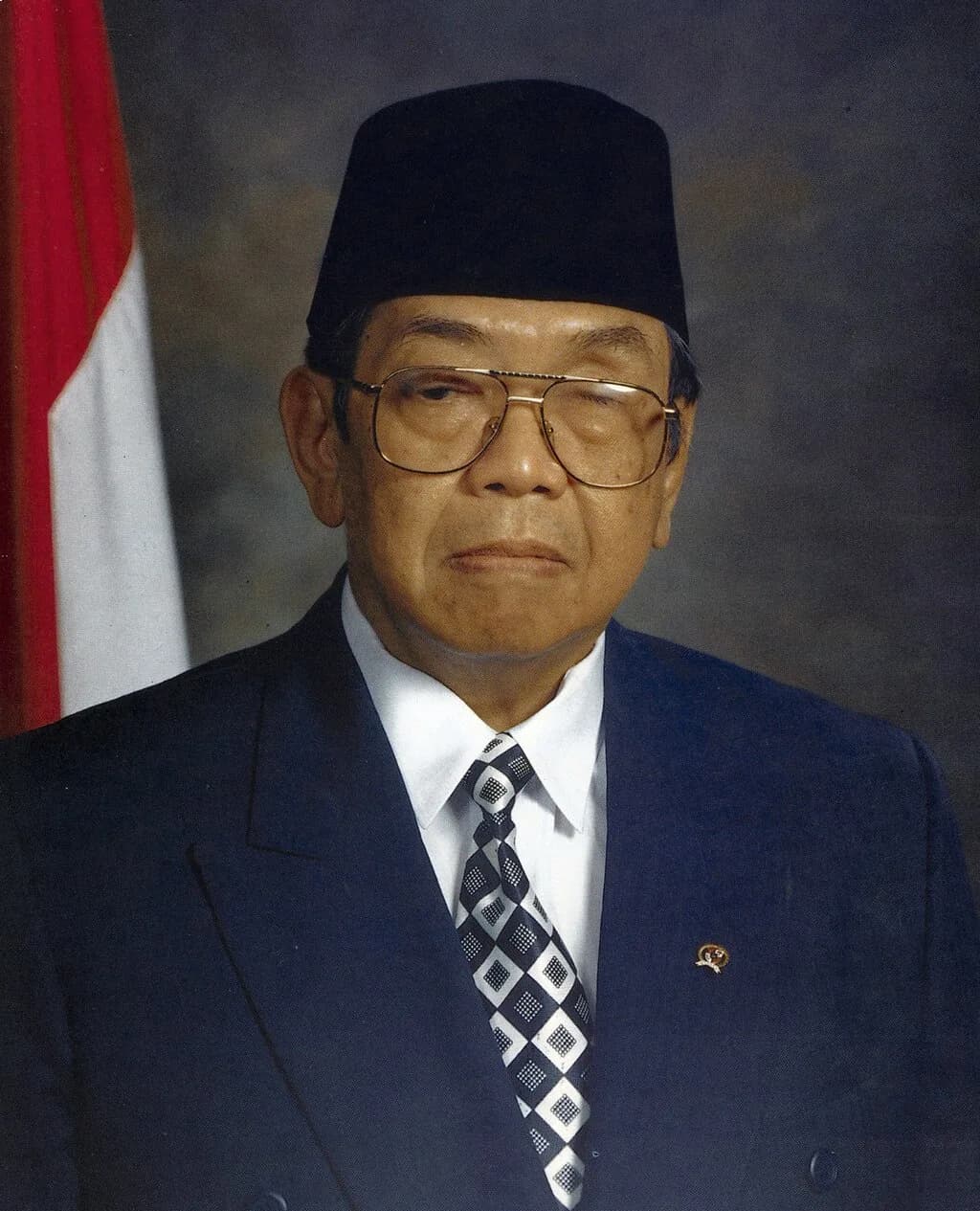
Abdurrahman Wahid (1940–2009) was Indonesia best known for 4th President of the Republic of Indonesia.
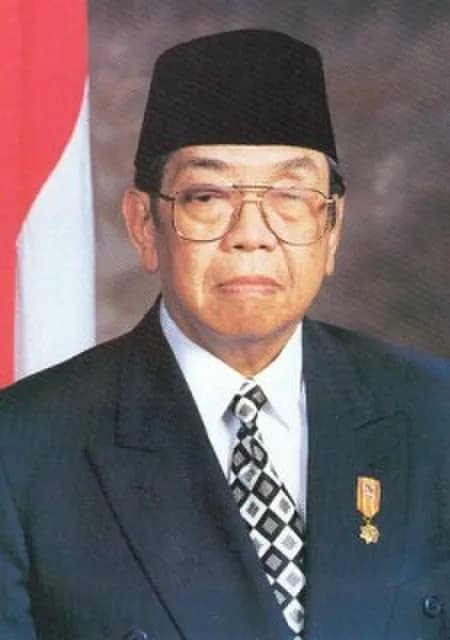
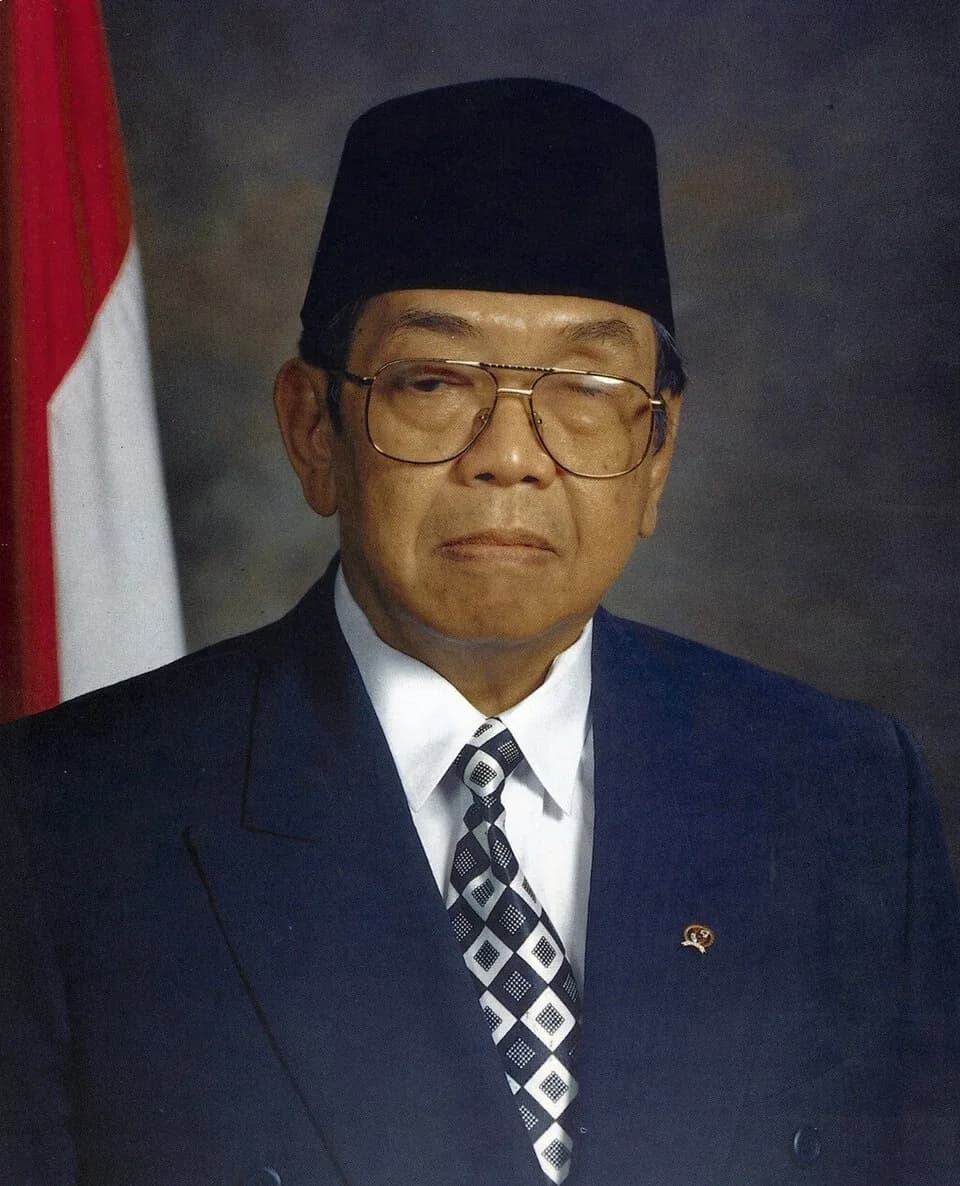
Abdurrahman Wahid (September 7, 1940 – December 30, 2009) was a politician and journalist from Jombang, Indonesia. He served as the fourth President of Indonesia from 1999 to 2001. Wahid was also a respected Islamic religious leader and the founder of the National Awakening Party (PKB).
حياة في لحظات
اللحظات التي شكّلت حياة
الفصل
فصول الحياة
الفصل 1 · 1940· الفصل 1 من 7
Early Life and Origins
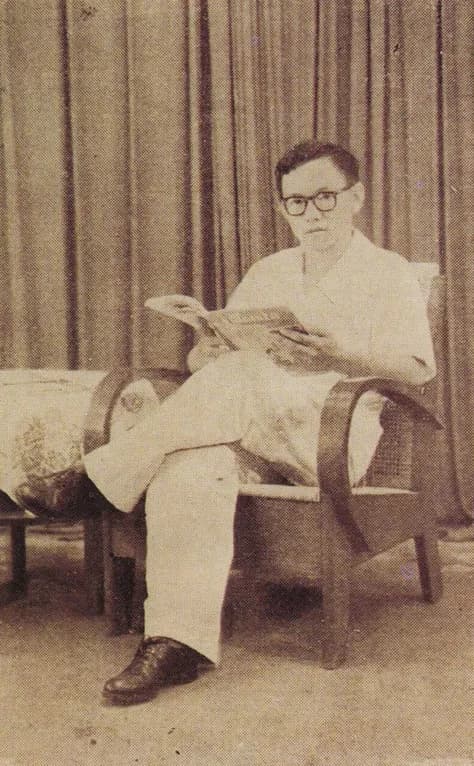
Born on September 7, 1940, in Jombang, Indonesia, Abdurrahman Wahid came from a distinguished family deeply rooted in Indonesian Islamic scholarship and politics. He was the son of Wahid Hasyim, a former Minister of Religious Affairs, and the grandson of the esteemed Hasyim Asy'ari, who founded the Nahdlatul Ulama organization. This lineage provided him with a profound understanding of both religious and national affairs from an early age.
الفصل 2 · 1999· الفصل 2 من 7
Career Beginnings
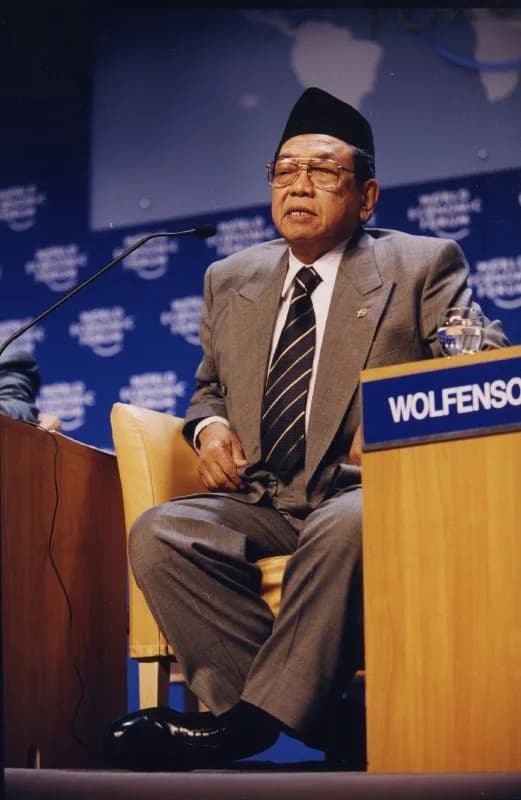
Wahid dedicated many years to leadership within the Nahdlatul Ulama organization, one of the largest independent Islamic organizations globally. His influence grew through his work as a journalist and intellectual, advocating for pluralism and democracy in Indonesia. In 1999, he founded the National Awakening Party (PKB), providing a new political platform for his vision.
الفصل 3 · 1999· الفصل 3 من 7
Major Achievements and Career Highlights
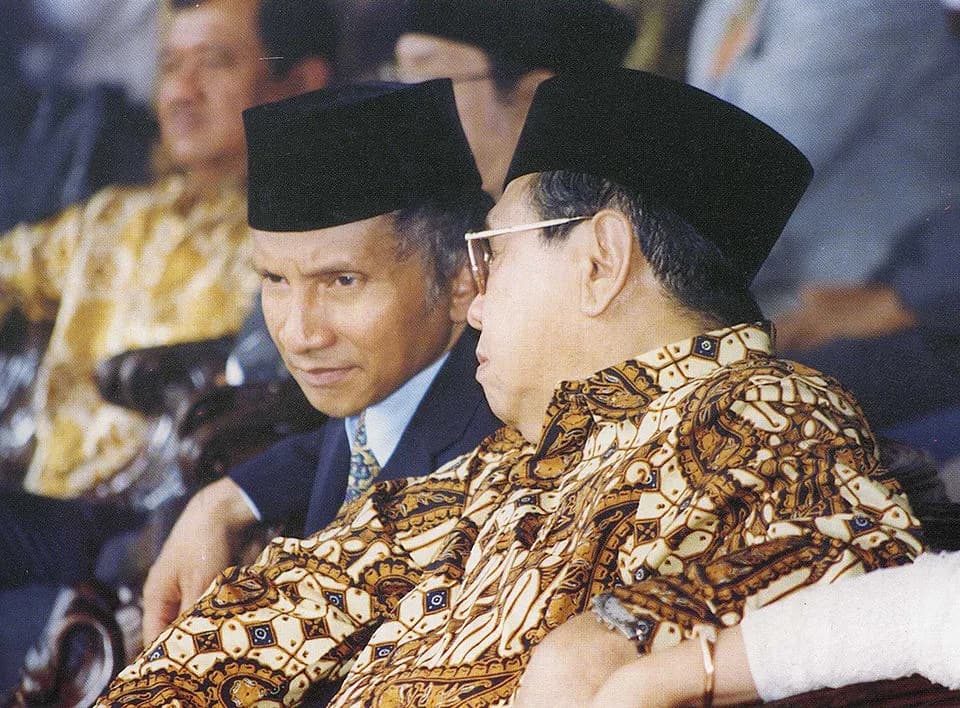
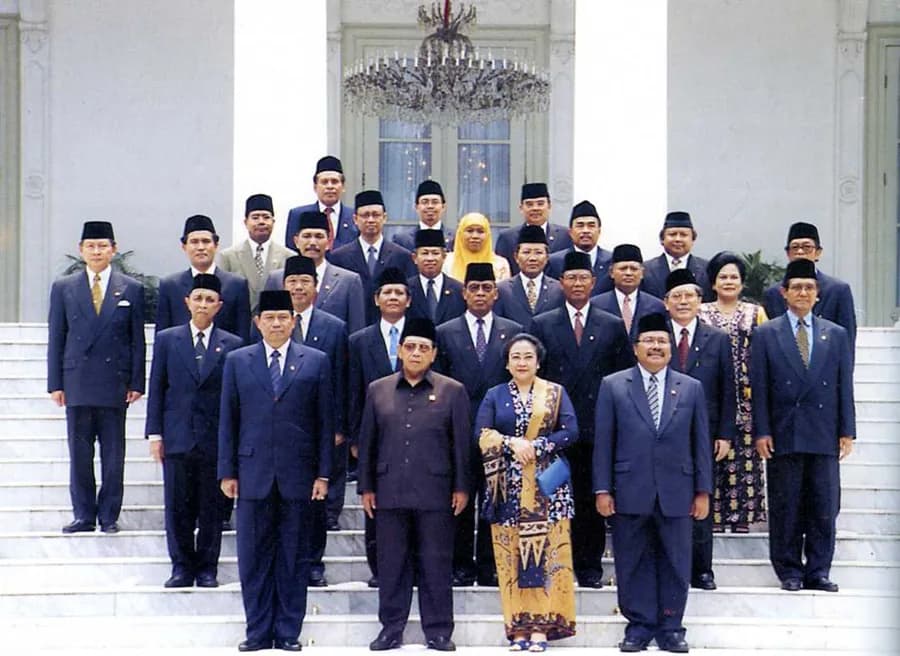
Abdurrahman Wahid made history when he was elected as the fourth President of Indonesia in 1999, a testament to his widespread support and political acumen. During his presidency, from 1999 until his removal in 2001, he navigated Indonesia through complex political and social challenges. Notably, he was the first president of Indonesia to have had physical disabilities, being blind in his left eye and roughly 80% blind in his right eye due to glaucoma.
الفصل 4· الفصل 4 من 7
Personal Life
Despite the demands of public life, Abdurrahman Wahid lived with a significant visual impairment caused by glaucoma. This condition resulted in him being blind in his left eye and largely sighted in his right eye, with only about 20% vision. His ability to lead a nation while facing such a personal challenge served as an inspiration to many in Indonesia.
الفصل 5· الفصل 5 من 7
Notable Works or Contributions
Throughout his life, Abdurrahman Wahid was a prolific writer and intellectual, contributing to public discourse through numerous publications. His written works explored themes of tolerance, Islam, and the future of Indonesia. Key titles include "The Wisdom of Tolerance," "Ilusi negara Islam," "Rakyat jangan ditipu-tipu terus," and "Mengapa partai Islam kalah?," showcasing his diverse intellectual interests.
الفصل 6 · 2001· الفصل 6 من 7
Later Years
After his tenure as president concluded with his removal from office in 2001, Abdurrahman Wahid continued to remain an influential figure in Indonesian society. He maintained his advocacy for democracy and interfaith dialogue, sustaining his status as a respected national elder statesman. He passed away on December 30, 2009, at Dr. Cipto Mangunkusumo National General Hospital in Indonesia, leaving behind a legacy of dedicated service.
الفصل 7· الفصل 7 من 7
Legacy and Impact
Abdurrahman Wahid's legacy extends far beyond his presidency; he is remembered as a courageous leader who championed democratic values and religious pluralism. As the founder of the National Awakening Party (PKB) and a long-time leader of Nahdlatul Ulama, he shaped Indonesia's political and religious landscape. His intellectual contributions, including works like "Mendidik manusia merdeka" and "Indonesia entering a new era," continue to influence discussions on Indonesian identity and governance.
الأسئلة الشائعة
أسئلة متكررة
متى توفي Abdurrahman Wahid?
توفي Abdurrahman Wahid في 30 ديسمبر 2009 في Dr. Cipto Mangunkusumo National General Hospital, Indonesia عن عمر يناهز 69 عامًا.
أين وُلد Abdurrahman Wahid?
وُلد Abdurrahman Wahid في Jombang, Indonesia في 7 سبتمبر 1940.
بماذا اشتهر Abdurrahman Wahid?
اشتهر Abdurrahman Wahid بـ 4th President of the Republic of Indonesia.
كم كان عمر Abdurrahman Wahid عند وفاته?
كان عمر Abdurrahman Wahid 69 عامًا عند وفاته.
ما جنسية Abdurrahman Wahid?
كان Abdurrahman Wahid من Indonesia.
الخط الزمني
الحياة في لمحة
معرض الصور
حياة في صور
انقر على أي صورة بولارويد لتكبيرها · 48 صورة
رمز الاستجابة السريعة
شارك هذه السيرة
اطبع وشارك
امسح ضوئيًا لزيارة هذه السيرة. اطبعها للفعاليات أو المعارض أو المواد التعليمية.