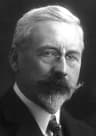
Sinh
January 6, 1861
Ghent, Belgium
Mất
September 8, 1947
Brussels, Belgium
Được biết đến với
Belgian architect, designer, publicist, teacher and creator of Art Nouveau
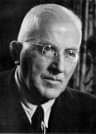
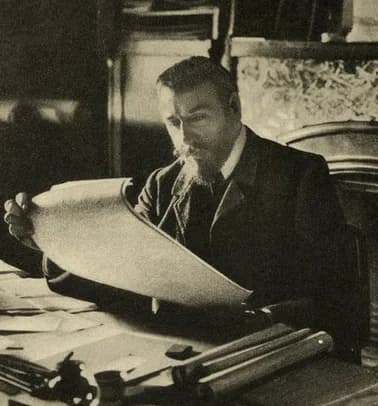
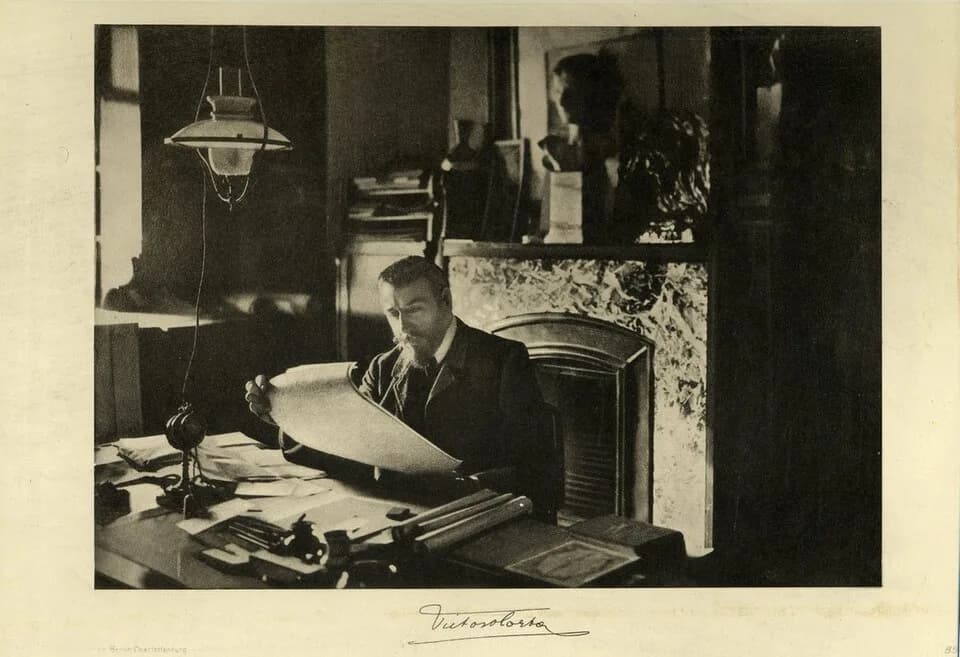
Victor Horta (1861–1947) was Belgium best known for Belgian architect, designer, publicist, teacher and creator of Art Nouveau.
Victor Horta (January 6, 1861 – September 8, 1947) was a Belgian architect and designer. He is celebrated as one of the founders of the Art Nouveau movement, notably for his Hôtel Tassel in Brussels. Horta's innovative use of iron, steel, and glass laid foundations for modern architecture.
Chương
Các chương cuộc đời
Chương 1 · 1861· Chương 1 trên 7
Early Life and Origins
Victor Horta was born on January 6, 1861, in Ghent, Belgium. His formative years in Ghent likely exposed him to various artistic and cultural influences, laying the groundwork for his future creative endeavors. While specific details about his family and early education are not extensively provided, his later career demonstrates a profound commitment to artistic and architectural theory.
Horta's early life in Belgium contributed to his unique perspective on design and his eventual leadership in a new architectural idiom. His birthplace, Ghent, was a city with a rich historical and artistic heritage, which may have fostered his appreciation for both tradition and innovation in design.
Chương 2· Chương 2 trên 7
Career Beginnings
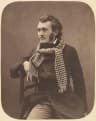
Victor Horta began his professional journey with a deep admiration for the French architectural theorist Eugène Viollet-le-Duc. Viollet-le-Duc's ideas on structure and ornamentation profoundly influenced Horta's early architectural explorations. This influence is particularly visible in Horta's foundational works, where he began to experiment with new forms and materials.
His early career saw him develop a distinctive approach that combined structural rationality with decorative artistry. This period was crucial in shaping the visual language that would later define Art Nouveau. His dedication to integrating art and architecture set the stage for his most famous contributions to the movement.
Chương 3 · 1892· Chương 3 trên 7
Major Achievements and Career Highlights
One of Victor Horta's most significant achievements was the design of the Hôtel Tassel in Brussels (1892–93), often regarded as the first Art Nouveau house. This landmark project showcased his revolutionary use of curving, stylized vegetal forms that became a hallmark of the style. The Hôtel Tassel broke away from traditional architectural norms, presenting an integrated vision of art and structure.
Horta's work, particularly the flowing lines and organic motifs seen in the Hôtel Tassel, influenced many contemporaries. The French architect Hector Guimard notably adopted these ideas for the first Art Nouveau apartment building he designed in Paris and for the iconic entrances of the Paris Metro. Beyond Art Nouveau, Horta is recognized as a precursor of modern architecture due to his innovative open floor plans and his pioneering use of iron, steel, and glass as both structural and decorative elements in his designs.
Chương 4· Chương 4 trên 7
Personal Life
While extensive details about Victor Horta's personal life are not provided, his multifaceted professional roles as a teacher, publicist, and urban planner indicate a deeply engaged individual. His commitment to teaching suggests a desire to share his architectural principles and inspire future generations. Horta's role as a publicist also points to his active participation in promoting and articulating the principles of Art Nouveau.
His dedication to urban planning reflects a broader concern for the public good and the systematic development of cities. These aspects of his career highlight a person deeply invested not only in individual architectural projects but also in the broader societal impact of design and planning. Though his private relationships are not detailed here, his professional life demonstrates a rich engagement with his community and his craft.
Chương 5 · 1892· Chương 5 trên 7
Notable Works or Contributions
Victor Horta's most celebrated contribution to architecture is the Hôtel Tassel, completed in Brussels between 1892 and 1893. This house is a quintessential example of Art Nouveau, featuring a masterful integration of metalwork, glass, and organic ornamentation. The interiors of the Hôtel Tassel famously employed open floor plans, allowing light to flow freely through the space and creating a sense of unity between structure and decor.
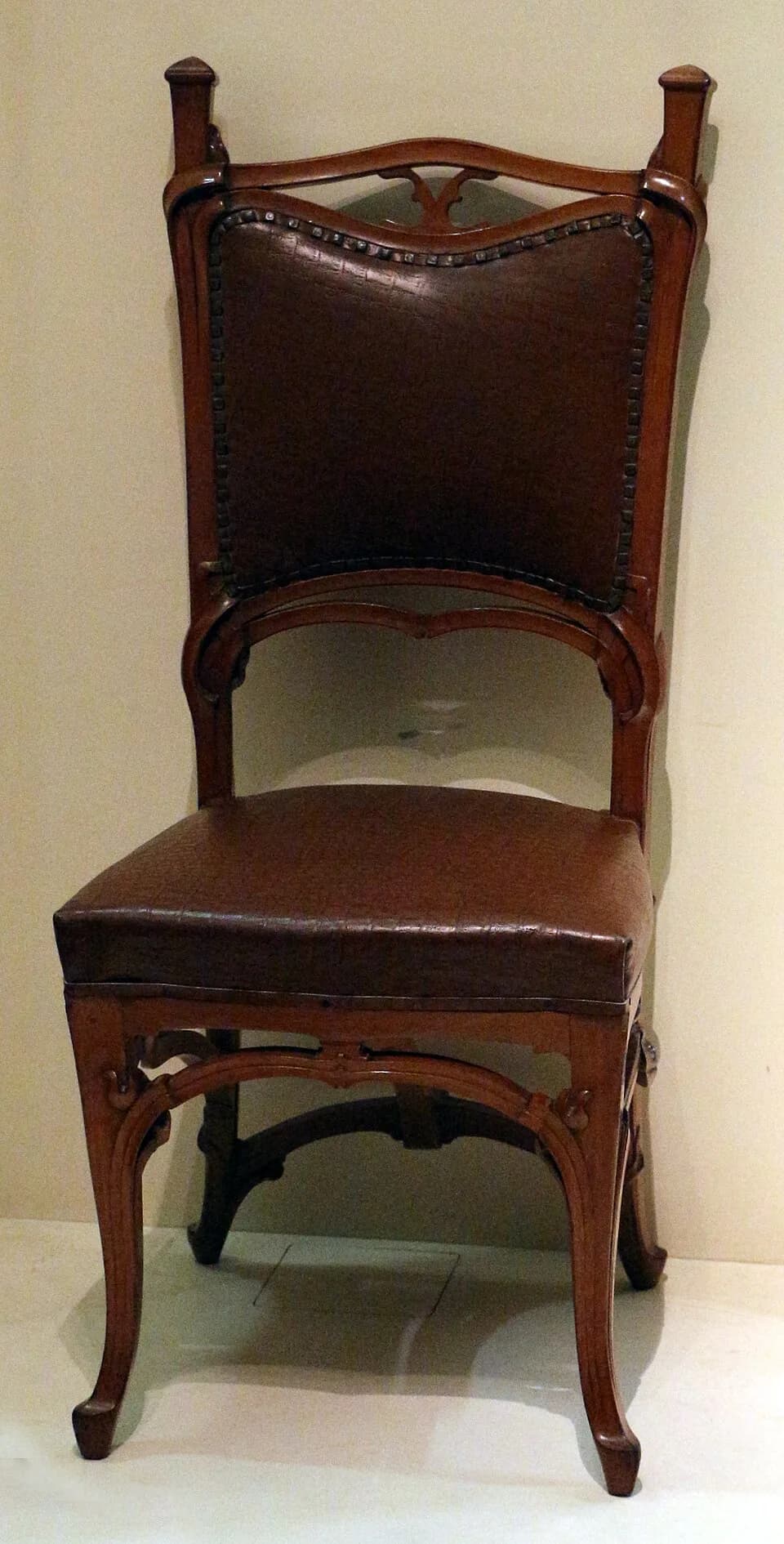
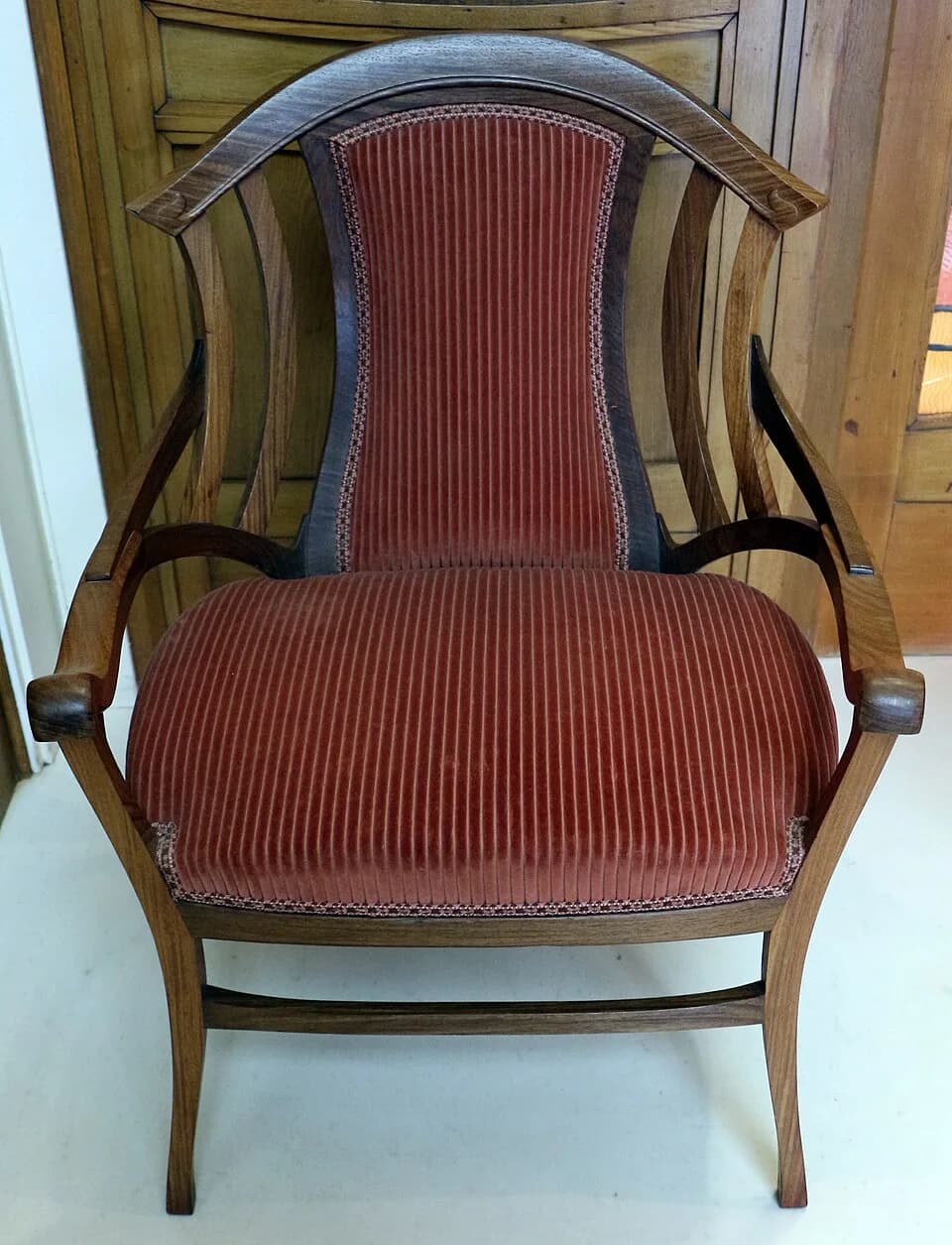
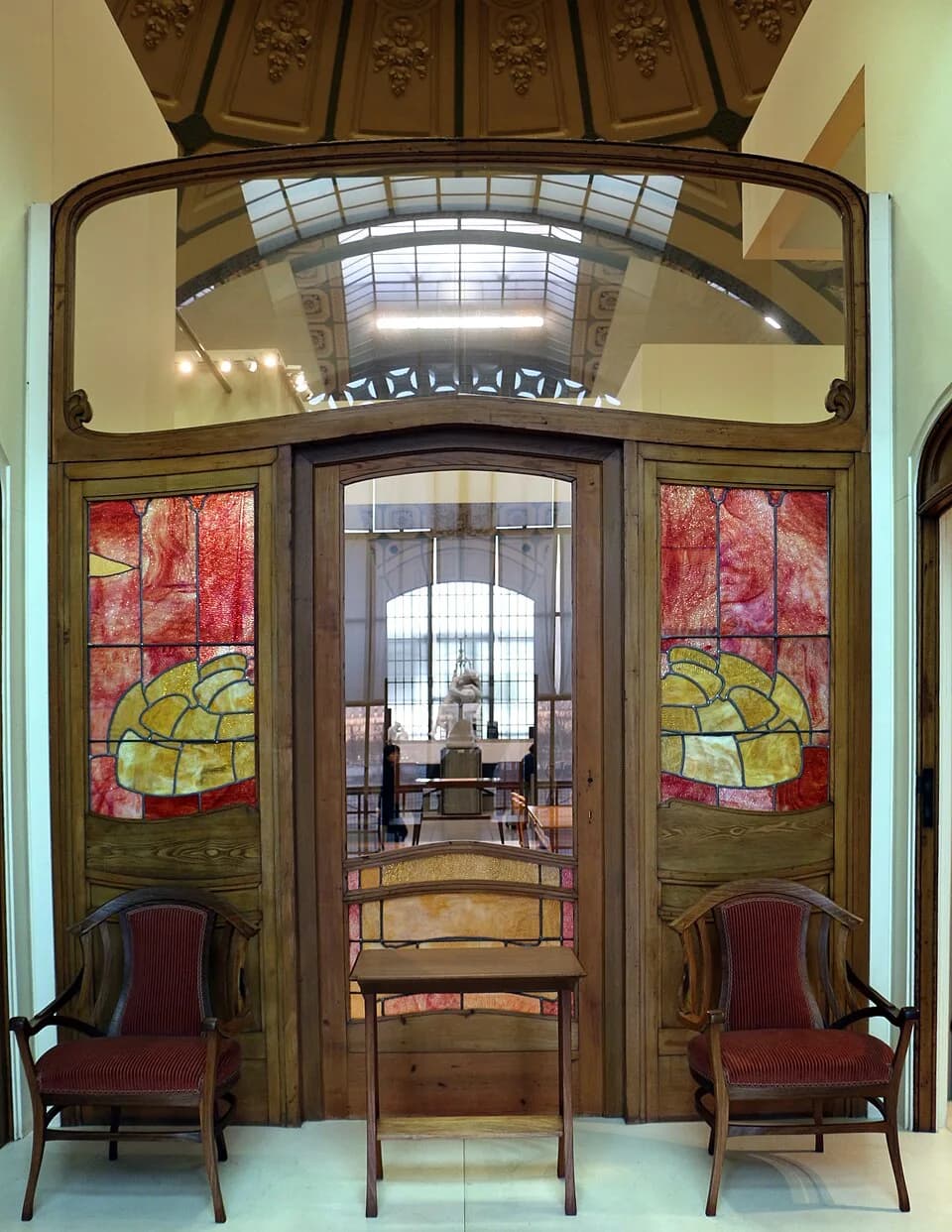
Another notable example of his design prowess is the Side chair, created around 1902 and housed in the Met Museum. This piece demonstrates his ability to translate the fluid lines and naturalistic forms of Art Nouveau into furniture design, extending his architectural vision to interior elements. His use of innovative materials like iron and glass in both his buildings and furnishings allowed for light-filled, airy spaces that were revolutionary for their time.
Chương 6· Chương 6 trên 7
Later Years
Victor Horta continued his active career as an architect, urban planner, and teacher well into his later years. His influence persisted through his teaching, where he mentored new generations of architects and designers. He remained engaged with the evolving architectural scene in Belgium and beyond, contributing to the discourse on modern design.
He passed away on September 8, 1947, in Brussels, Belgium, the city where many of his most iconic works stand. Horta's final years saw the consolidation of his legacy, with his early innovations increasingly recognized as foundational to 20th-century architecture. His lifelong commitment to design evolution solidified his place as a master of his craft.
Chương 7· Chương 7 trên 7
Legacy and Impact
Victor Horta's legacy is immense, primarily as one of the principal founders of the Art Nouveau movement. His pioneering work, particularly the Hôtel Tassel, fundamentally changed architectural design, introducing a new aesthetic characterized by organic forms, intricate details, and a seamless integration of art and structure. His style fostered an artistic awakening that spread across Europe.
Beyond Art Nouveau, Horta's innovative use of materials like iron, steel, and glass, combined with his development of open floor plans, positioned him as a significant precursor of modern architecture. These elements became cornerstones of future architectural developments, influencing countless architects and shaping the way buildings are designed and experienced today. Victor Horta's vision continues to inspire appreciation for the beauty and innovation inherent in his architectural achievements.
Một cuộc đời qua các khoảnh khắc
Những khoảnh khắc đã định hình một cuộc đời
Câu hỏi thường gặp
Câu hỏi thường gặp
Victor Horta qua đời khi nào?
Victor Horta qua đời vào ngày 8 tháng 9, 1947 tại Brussels, Belgium, ở tuổi 86.
Victor Horta sinh ra ở đâu?
Victor Horta sinh ra tại Ghent, Belgium vào ngày 6 tháng 1, 1861.
Victor Horta được biết đến nhiều nhất với điều gì?
Victor Horta được biết đến nhiều nhất với Belgian architect, designer, publicist, teacher and creator of Art Nouveau.
Victor Horta bao nhiêu tuổi khi qua đời?
Victor Horta 86 tuổi khi qua đời.
Victor Horta mang quốc tịch nào?
Victor Horta đến từ Belgium.
Dòng thời gian
Cuộc đời tóm tắt
Thư viện ảnh
Một cuộc đời qua những bức hình
Nhấp vào bất kỳ tấm polaroid nào để mở rộng · 23 ảnh
Mã QR
Chia sẻ tiểu sử này
In và chia sẻ
Quét để truy cập trang tiểu sử này. In cho các sự kiện, triển lãm hoặc tài liệu giáo dục.