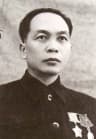
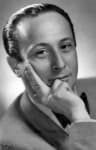
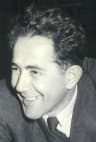
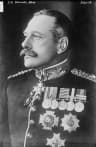
Sinh
January 21, 1911
Sinchon County, North Korea
Mất
January 29, 2003
Seoul, South Korea
Được biết đến với
Japanese and South Korean association football player
Lee Yoo-hyung (1911–2003) was North Korea best known for Japanese and South Korean association football player.
Lee Yoo-hyung (January 21, 1911 – January 29, 2003) was a Japanese and South Korean association football player and coach. He played for both the Japan and South Korea national teams and later managed South Korea multiple times after the Korean War. His career spanned decades, influencing the development of football in East Asia.
Chương
Các chương cuộc đời
Chương 1 · 1911· Chương 1 trên 7
Opening Tribute
Lee Yoo-hyung (January 21, 1911 – January 29, 2003) was a truly exceptional individual whose life was dedicated to the sport of association football. His distinguished career saw him serve as both a player and a coach for national teams across a complex historical landscape, leaving an enduring mark on the development of the game in East Asia.
Born into a rapidly changing world, Lee Yoo-hyung transcended national boundaries through his athletic prowess and strategic mind. His journey from player for the Japan national team to multiple management stints with the South Korea national team encapsulates a lifetime of commitment and influence.
Chương 2 · 1911· Chương 2 trên 7
Early Life and Origins
Lee Yoo-hyung was born on January 21, 1911, in Sinchon County, an area that is now part of North Korea. His upbringing in this region would have undoubtedly shaped his perspective and fueled his early passion for sports.
Details of his childhood and formal education are not widely documented, but it is clear that his natural talent for football began to emerge during his formative years. The environment of early 20th-century Korea, under Japanese rule, created a unique context for the rise of athletic stars like Lee Yoo-hyung.
Chương 3· Chương 3 trên 7
Career Beginnings
Lee Yoo-hyung commenced his playing career by showcasing his skills at clubs such as Kyungsung FC. His exceptional ability on the pitch quickly garnered attention, leading to his selection for the Japan national team.
Representing Japan on an international stage was a significant accomplishment for Lee Yoo-hyung in the pre-war era, highlighting his status as one of the region's premier football talents. He also began to transition into coaching before the Korean War, demonstrating an early inclination towards leadership and tactical development within the sport.
Chương 4· Chương 4 trên 7
Major Achievements and Career Highlights
A notable aspect of Lee Yoo-hyung's playing career was his unique experience representing two different national teams: Japan and later South Korea. This rare distinction speaks volumes about his sustained quality and adaptability across changing political landscapes.
He was a proud member of South Korea's squad for the 1948 Summer Olympics, a moment of national pride for the newly independent nation, even though he ultimately did not play in any matches during the tournament. Following the Korean War, he took on the vital role of managing the South Korea national football team on multiple occasions, guiding the team through a period of rebuilding and growth.
Chương 5· Chương 5 trên 7
Notable Works or Contributions
Beyond his active playing days, Lee Yoo-hyung’s most significant contributions were arguably made as a coach. His repeated appointments as manager for the South Korea national football team underscored his expertise and the trust placed in his leadership.
Through his coaching, he imparted invaluable knowledge and strategic guidance to generations of South Korean footballers. His efforts helped to solidify the tactical foundations and national identity of the sport in the nascent republic, laying groundwork for future successes.
Chương 6· Chương 6 trên 7
Later Years
After a distinguished playing career, Lee Yoo-hyung dedicated his later professional life primarily to coaching, particularly managing the South Korea national team on several stints. He remained an active and influential figure in football for many decades, witnessing the sport's evolution firsthand.
He passed away on January 29, 2003, in Seoul, South Korea, at the age of 92, concluding a long and impactful life devoted to association football. His longevity in the sport, both as a player and a coach, is a testament to his passion and enduring relevance.
Chương 7· Chương 7 trên 7
Legacy and Impact
Lee Yoo-hyung's career provides a compelling narrative within the history of Asian football, marking him as a true pioneer. His ability to adapt and contribute significantly to both Japanese and South Korean national teams as a player, then to lead South Korea as a coach, highlights his extraordinary talent and dedication.
He helped shape the trajectories of two national football programs during critical junctures, bridging eras and fostering the growth of the sport. Lee Yoo-hyung’s contributions ensured that his name is remembered as a foundational figure in the development of association football in the region for over half a century.
Một cuộc đời qua các khoảnh khắc
Những khoảnh khắc đã định hình một cuộc đời




Câu hỏi thường gặp
Câu hỏi thường gặp
Lee Yoo-hyung qua đời khi nào?
Lee Yoo-hyung qua đời vào ngày 29 tháng 1, 2003 tại Seoul, South Korea, ở tuổi 92.
Lee Yoo-hyung sinh ra ở đâu?
Lee Yoo-hyung sinh ra tại Sinchon County, North Korea vào ngày 21 tháng 1, 1911.
Lee Yoo-hyung được biết đến nhiều nhất với điều gì?
Lee Yoo-hyung được biết đến nhiều nhất với Japanese and South Korean association football player.
Lee Yoo-hyung bao nhiêu tuổi khi qua đời?
Lee Yoo-hyung 92 tuổi khi qua đời.
Lee Yoo-hyung mang quốc tịch nào?
Lee Yoo-hyung đến từ North Korea.
Dòng thời gian
Cuộc đời tóm tắt
Thư viện ảnh
Một cuộc đời qua những bức hình
Nhấp vào bất kỳ tấm polaroid nào để mở rộng · 13 ảnh
Mã QR
Chia sẻ tiểu sử này
In và chia sẻ
Quét để truy cập trang tiểu sử này. In cho các sự kiện, triển lãm hoặc tài liệu giáo dục.