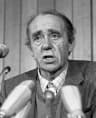
Sinh
October 2, 1917
Thames Ditton, United Kingdom
Mất
May 4, 2013
Nethen, Belgium
Được biết đến với
Belgian biochemist, cytologist
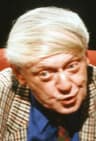
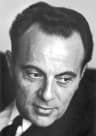
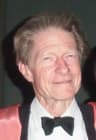
Christian de Duve (1917–2013) was United Kingdom best known for Belgian biochemist, cytologist.
Christian René Marie Joseph, Viscount de Duve (1917-2013) was a Belgian biochemist and cytologist who revolutionized cell biology. He discovered two cell organelles, lysosomes and peroxisomes, and coined key scientific terms including autophagy, endocytosis, and exocytosis. His work earned him the 1974 Nobel Prize in Physiology or Medicine.
Chương
Các chương cuộc đời
Chương 1 · 1917· Chương 1 trên 6
Early Life and Origins
Christian de Duve was born on October 2, 1917, in Thames Ditton, United Kingdom, to Belgian parents. His family returned to Belgium during his childhood, where he would spend most of his formative years. Growing up in Belgium during a time of significant scientific advancement in Europe, de Duve was exposed to the rich tradition of Belgian scientific research. His early education laid the foundation for what would become a distinguished career in medicine and biochemistry.
Chương 2· Chương 2 trên 6
Career Beginnings
De Duve began his professional journey as a physician, but his interests quickly expanded into the realms of chemistry and biology. His multidisciplinary background as both a physician and chemist provided him with a unique perspective on biological processes at the cellular level. This combination of medical training and chemical expertise would prove invaluable in his later research. His early work focused on understanding the basic mechanisms of cellular function, setting the stage for his later breakthrough discoveries.
Chương 3 · 1974· Chương 3 trên 6
Major Achievements and Career Highlights
The pinnacle of de Duve's career came with his serendipitous discoveries of two crucial cell organelles: peroxisomes and lysosomes. These discoveries revolutionized the field of cell biology by revealing previously unknown structures within cells that perform essential functions. His work on lysosomes, in particular, opened up entirely new areas of research into cellular waste management and recycling processes. The significance of these discoveries was recognized in 1974 when de Duve was awarded the Nobel Prize in Physiology or Medicine, sharing the honor with Albert Claude and George E. Palade for their collective contributions to understanding cellular organization.
Beyond his organelle discoveries, de Duve made lasting contributions to scientific terminology. On a single occasion, he coined several scientific terms that are now fundamental to cell biology: autophagy, endocytosis, and exocytosis. These terms describe essential cellular processes and remain in widespread use throughout the scientific community today.
Chương 4· Chương 4 trên 6
Academic and Teaching Career
Throughout his career, de Duve served as a university teacher, sharing his knowledge and passion for cellular biology with countless students. His role as an educator was as important as his research contributions, as he helped train the next generation of cell biologists and biochemists. His teaching approach combined rigorous scientific methodology with an appreciation for the unexpected discoveries that can emerge from careful observation. As a physiologist and biochemist, he brought multiple perspectives to his instruction, helping students understand the interconnected nature of biological systems.
Chương 5 · 2013· Chương 5 trên 6
Later Years and Continued Influence
In his later years, de Duve continued to contribute to scientific understanding and remained active in the research community. He spent his final years in Nethen, Belgium, where he continued to write and reflect on the developments in cell biology that had grown from his pioneering work. His later career was marked by efforts to synthesize and communicate the broader implications of cellular research for understanding life itself. He remained intellectually engaged with scientific developments until his death on May 4, 2013, in Nethen, Belgium.
Chương 6· Chương 6 trên 6
Legacy and Impact
Christian de Duve's influence on modern cell biology cannot be overstated. His discoveries of lysosomes and peroxisomes opened entirely new fields of research that continue to yield important insights into cellular function, disease mechanisms, and potential therapeutic targets. The scientific terms he created - autophagy, endocytosis, and exocytosis - are now fundamental concepts taught in biology courses worldwide. His work laid essential groundwork for current research into cellular recycling, waste management, and the role of these processes in aging and disease. The Nobel Prize recognition of his contributions alongside Claude and Palade established the trio as the founding fathers of modern cell biology, and their collective work continues to influence research directions decades later.
Một cuộc đời qua các khoảnh khắc
Những khoảnh khắc đã định hình một cuộc đời
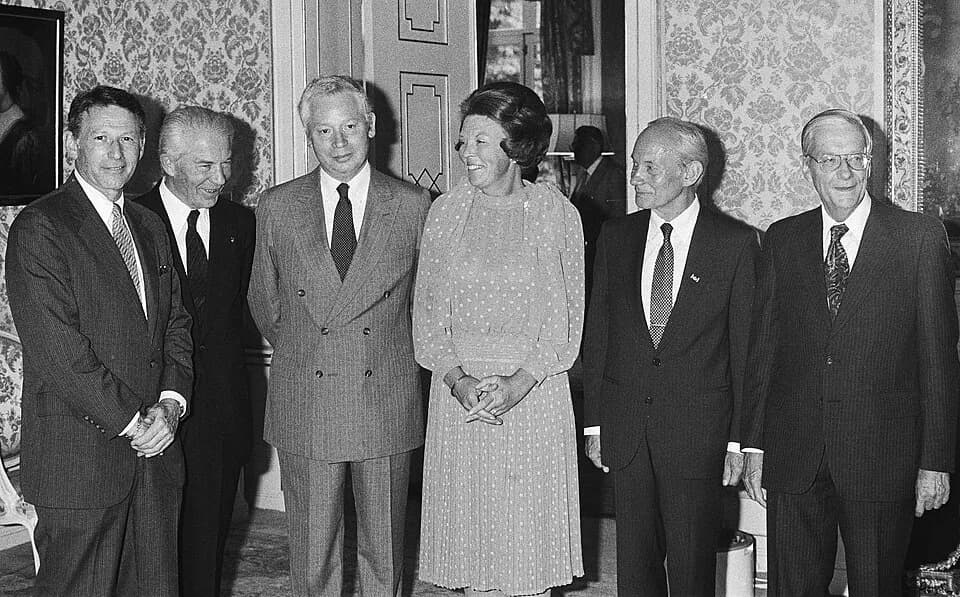
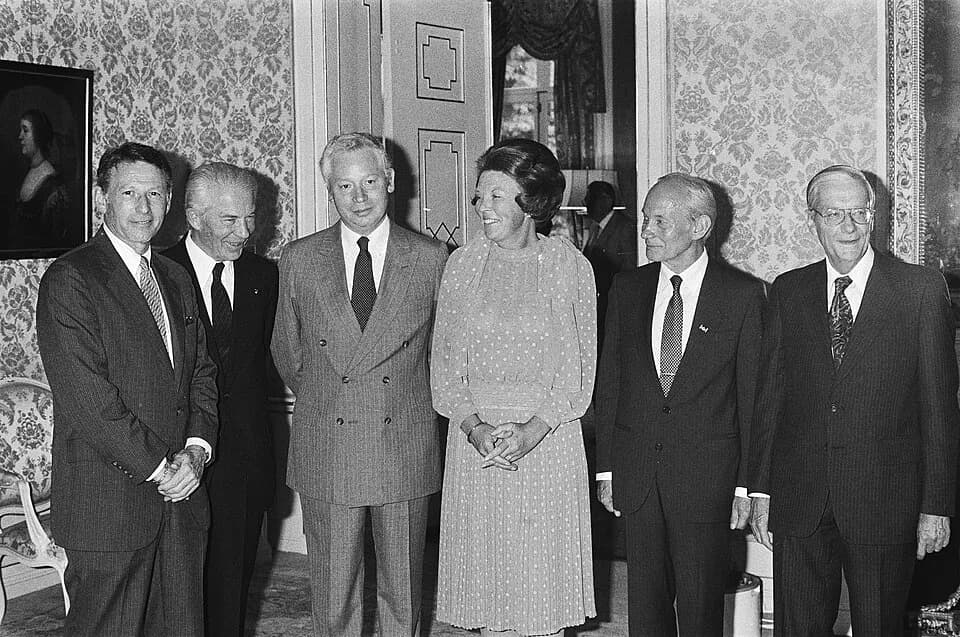
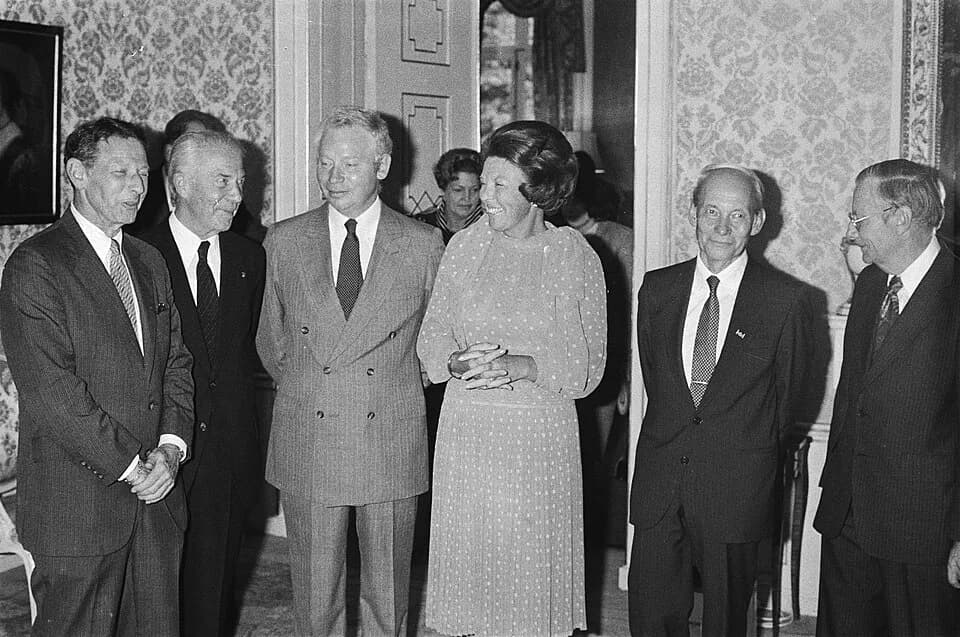
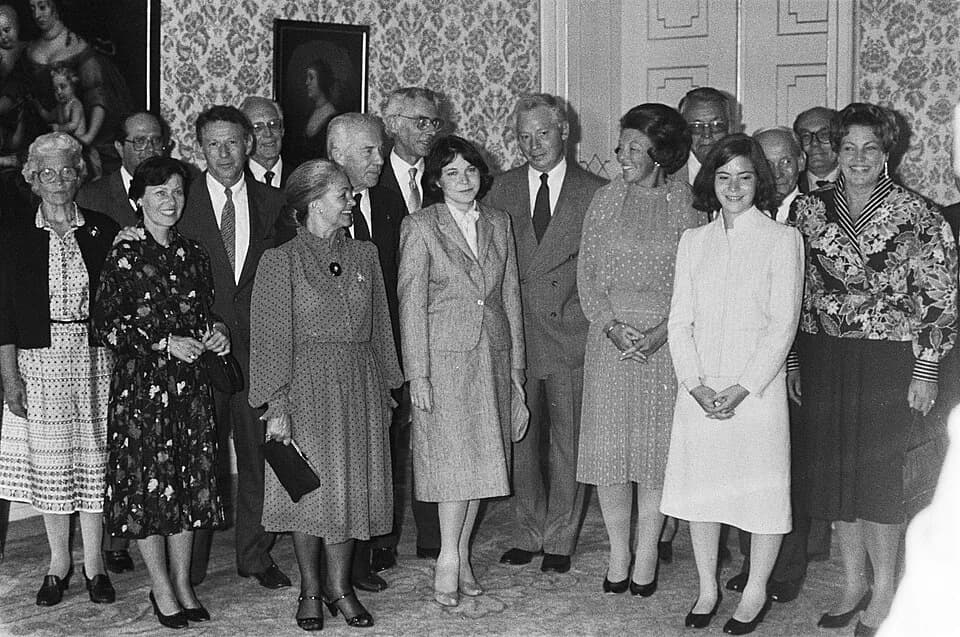
![Christian de Duve - Queen Beatrix receives Nobel laureates: (left to right) Paul Berg, Christian de Duve, Steven Weinberg, [Queen Beatrix,] Manfred Eigen, Nicolaas Bloembergen](/_next/image?url=https%3A%2F%2Fcdn.whowasthisguy.com%2Fgallery_wikimedia_commons_1778024736204_5_53a242327e.webp&w=1920&q=75)
Câu hỏi thường gặp
Câu hỏi thường gặp
Christian de Duve qua đời khi nào?
Christian de Duve qua đời vào ngày 4 tháng 5, 2013 tại Nethen, Belgium, ở tuổi 95.
Christian de Duve sinh ra ở đâu?
Christian de Duve sinh ra tại Thames Ditton, United Kingdom vào ngày 2 tháng 10, 1917.
Christian de Duve được biết đến nhiều nhất với điều gì?
Christian de Duve được biết đến nhiều nhất với Belgian biochemist, cytologist.
Christian de Duve bao nhiêu tuổi khi qua đời?
Christian de Duve 95 tuổi khi qua đời.
Christian de Duve mang quốc tịch nào?
Christian de Duve đến từ United Kingdom.
Dòng thời gian
Cuộc đời tóm tắt
Thư viện ảnh
Một cuộc đời qua những bức hình
Nhấp vào bất kỳ tấm polaroid nào để mở rộng · 26 ảnh
Mã QR
Chia sẻ tiểu sử này
In và chia sẻ
Quét để truy cập trang tiểu sử này. In cho các sự kiện, triển lãm hoặc tài liệu giáo dục.