Tug'ilgan
April 13, 1906
Dublin, United Kingdom of Great Britain and Ireland
Vafot etgan
December 22, 1989
Paris, France
Mashhur bo'lgan
Irish writer
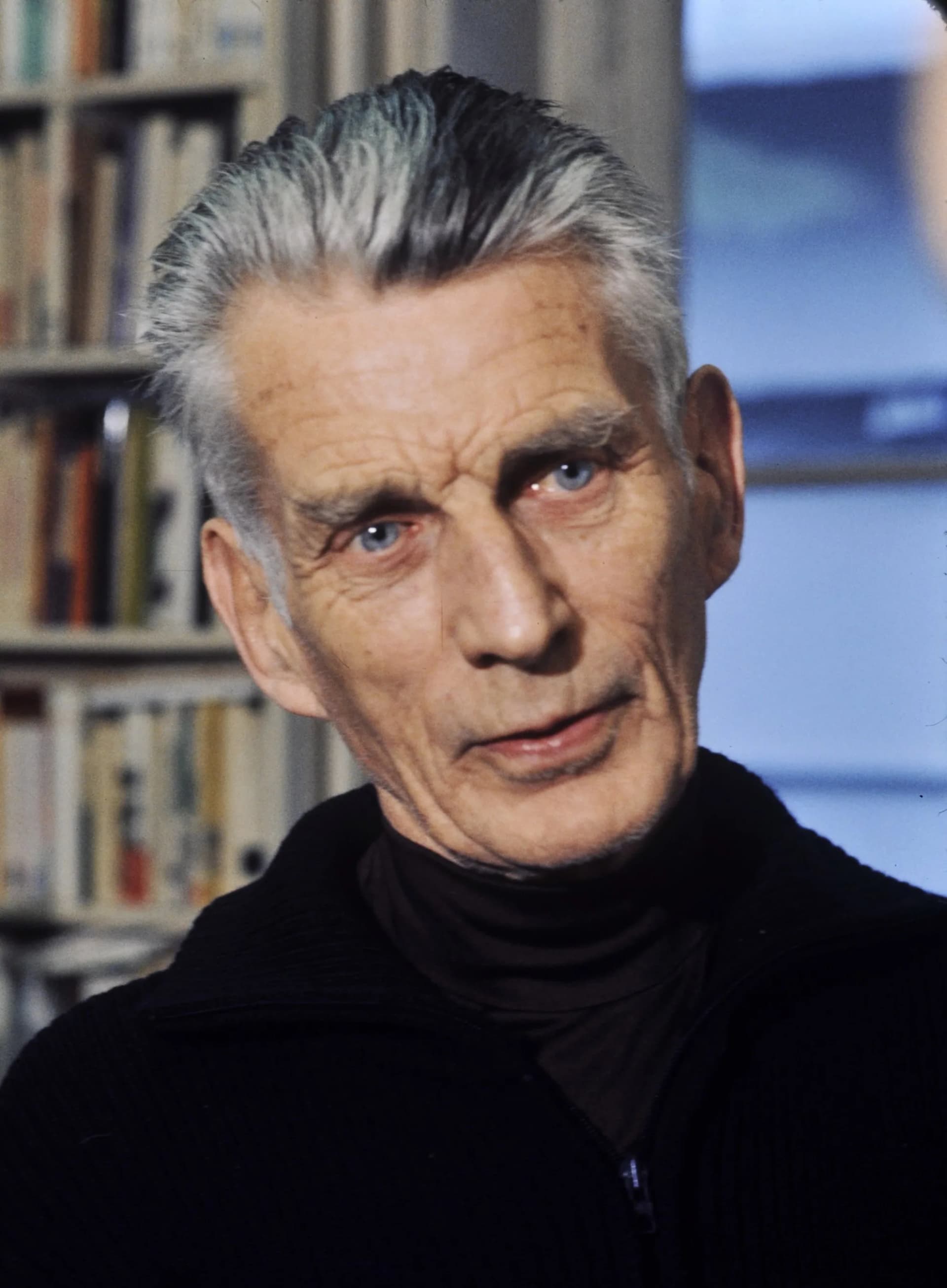
Samuel Beckett (1906–1989) was United Kingdom of Great Britain and Ireland best known for Irish writer.
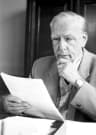
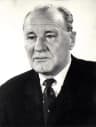
Samuel Beckett (April 13, 1906 – December 22, 1989) was an Irish writer from Dublin. He was a Nobel Prize-winning novelist, playwright, and poet, best known for <i>Waiting for Godot</i>. Beckett transformed modern theatre with his distinctive tragicomic and philosophical works.
Bob
Hayot bo'limlari
Bob 1 · 1906· 6 bobdan 1-bobi
Early Life and Origins
Samuel Barclay Beckett was born in Dublin, United Kingdom of Great Britain and Ireland, on April 13, 1906. His early years in Ireland laid the foundation for a literary career that would eventually span across continents and languages. This significant Irish heritage would later shape many of the themes and perspectives found within his celebrated writings.
Bob 2· 6 bobdan 2-bobi
Career Beginnings
Beckett’s career path began with diverse intellectual and creative pursuits before he fully established himself as a prominent writer. He engaged in professions such as teacher, intellectual, poet, and linguist, demonstrating an early breadth of interest and talent. These formative experiences enriched his understanding of language and human nature, informing his distinctive literary voice.
Bob 3 · 1969· 6 bobdan 3-bobi
Major Achievements and Career Highlights
Samuel Beckett achieved global recognition for his unique literary style and theatrical innovations. He received the prestigious 1969 Nobel Prize in Literature, a testament to his significant impact on contemporary arts. The Swedish Academy awarded him the prize "for his writing, which—in new forms for the novel and drama—in the destitution of modern man acquires its elevation."
Beckett is widely acknowledged for transforming modern theatre, introducing new narrative structures and philosophical depths. His literary and theatrical works are characterized by bleak, impersonal, and tragicomic episodes of life, often infused with black comedy and literary nonsense. This distinctive approach challenged conventional dramatic forms and opened new possibilities for theatrical expression.
Bob 4· 6 bobdan 4-bobi
Personal Life
Beyond his celebrated literary career, Samuel Beckett led a life that encompassed varied roles and experiences. During World War II, he distinguished himself as a French resistance fighter, demonstrating courage and commitment beyond his artistic endeavors. His extensive list of professions also included screenwriter, cinematographer, filmmaker, film director, draftsperson, and even cricketer and video artist, highlighting a remarkably diverse engagement with the world.
Bob 5 · 1953· 6 bobdan 5-bobi
Notable Works or Contributions
Samuel Beckett’s extensive body of work includes groundbreaking plays, novels, and other literary forms, written in both English and French. He is most famously known for his tragicomedy play Waiting for Godot (1953), originally titled En attendant Godot in French, which became a foundational text in modern absurdism and theatre. This play continues to be performed and analyzed globally.
His notable novels include Molloy, Malone dies, and The unnamable, forming a trilogy that delves into themes of identity, memory, and existence. Other significant literary contributions comprise works such as Murphy and Proust, further showcasing his versatility as a novelist. His bibliography also lists unique texts like Nikchemnye teksty and Zone, underscoring his wide-ranging creative output.
As a video artist, Beckett explored visual media, with notable artworks including In the distance a bird (1973) and Foirades/Fizzles (1976), both held at the Art Institute of Chicago (AIC). These pieces demonstrate his ongoing experimentation across different artistic mediums throughout his career.
Bob 6· 6 bobdan 6-bobi
Legacy and Impact
Samuel Beckett left an enduring legacy as a major figure in Irish literature and a pivotal force in the evolution of modern drama. His unique blend of bleakness, tragicomedy, and philosophical inquiry profoundly influenced generations of writers, playwrights, and artists. He redefined the possibilities of both the novel and the stage, challenging audiences to confront fundamental questions about human existence.
His works continue to be studied, performed, and debated, solidifying his status as a literary giant whose ideas remain relevant in contemporary society. Samuel Beckett passed away in Paris, France, on December 22, 1989, leaving behind a body of work that continues to inspire and provoke thought around the world.
Hayot lahzalarda
Hayotni shakllantirgan lahzalar
FAQ
Tez-tez beriladigan savollar
Samuel Beckett qachon vafot etdi?
Samuel Beckett 22-dekabr, 1989 sanasida Paris, Franceda, 83 yoshida vafot etdi.
Samuel Beckett qayerda tug'ilgan?
Samuel Beckett Dublin, United Kingdom of Great Britain and Irelandda 13-aprel, 1906 sanasida tug'ilgan.
Samuel Beckett ko'proq nima bilan mashhur?
Samuel Beckett ko'proq Irish writer bilan mashhur.
Samuel Beckett vafot etganda necha yoshda edi?
Samuel Beckett vafot etganda 83 yoshda edi.
Samuel Beckett qaysi millat vakili edi?
Samuel Beckett United Kingdom of Great Britain and Irelanddan edi.
Xronologiya
Hayotga bir nazar
Foto galereya
Rasmlardagi hayot
Kattalashtirish uchun istalgan suratni bosing · 45 ta rasm
QR kod
Ushbu tarjimai holni ulashish
Chop etish va ulashish
Ushbu tarjimai hol sahifasiga tashrif buyurish uchun skanerlang. Tadbirlar, ko'rgazmalar yoki ta'lim materiallari uchun chop eting.